





 Portuguese
  English
  Spanish
  5 min of reading
  0 comments


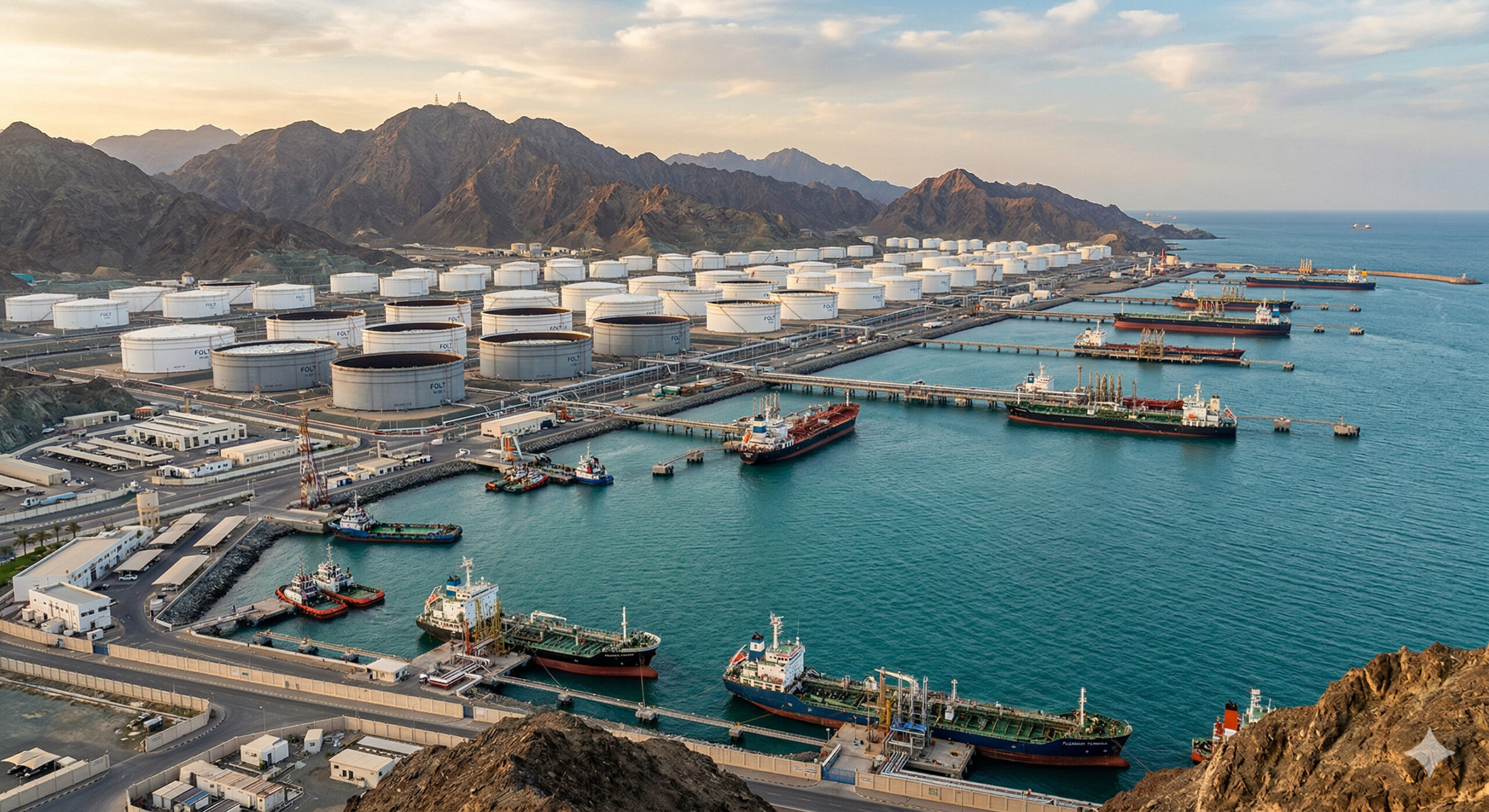
Fujairah houses reservoirs with 18 million m³ of oil and has become one of the largest energy hubs outside the Strait of Hormuz.
Over the last decade, the emirate of Fujairah, in the United Arab Emirates, has established itself as one of the most strategic points in the global energy market. Located outside the Strait of Hormuz, the Port of Fujairah boasts a storage infrastructure that has grown to nearly 18 million cubic meters, according to the local port authority, positioning itself among the largest oil and petroleum product storage centers on the planet.
Data released by energy sector analyses and Reuters reporting show that the growth of Fujairah is not just a matter of scale, but of strategic location. The port serves as a logistical escape point for one of the most sensitive regions of the global energy trade, allowing for the storage, blending, and redistribution of oil and fuels outside the most critical bottleneck in the Gulf, as well as operating as a significant outlet for the UAE’s export flow through the infrastructure connected to the coast of the Gulf of Oman.
Strait of Hormuz concentrates global risk and boosts Fujairah’s importance
The Strait of Hormuz is considered one of the most critical points on the planet for the flow of oil. A significant portion of the world’s oil passes through this narrow route, making it vulnerable to geopolitical tensions, conflicts, and disruptions.
-
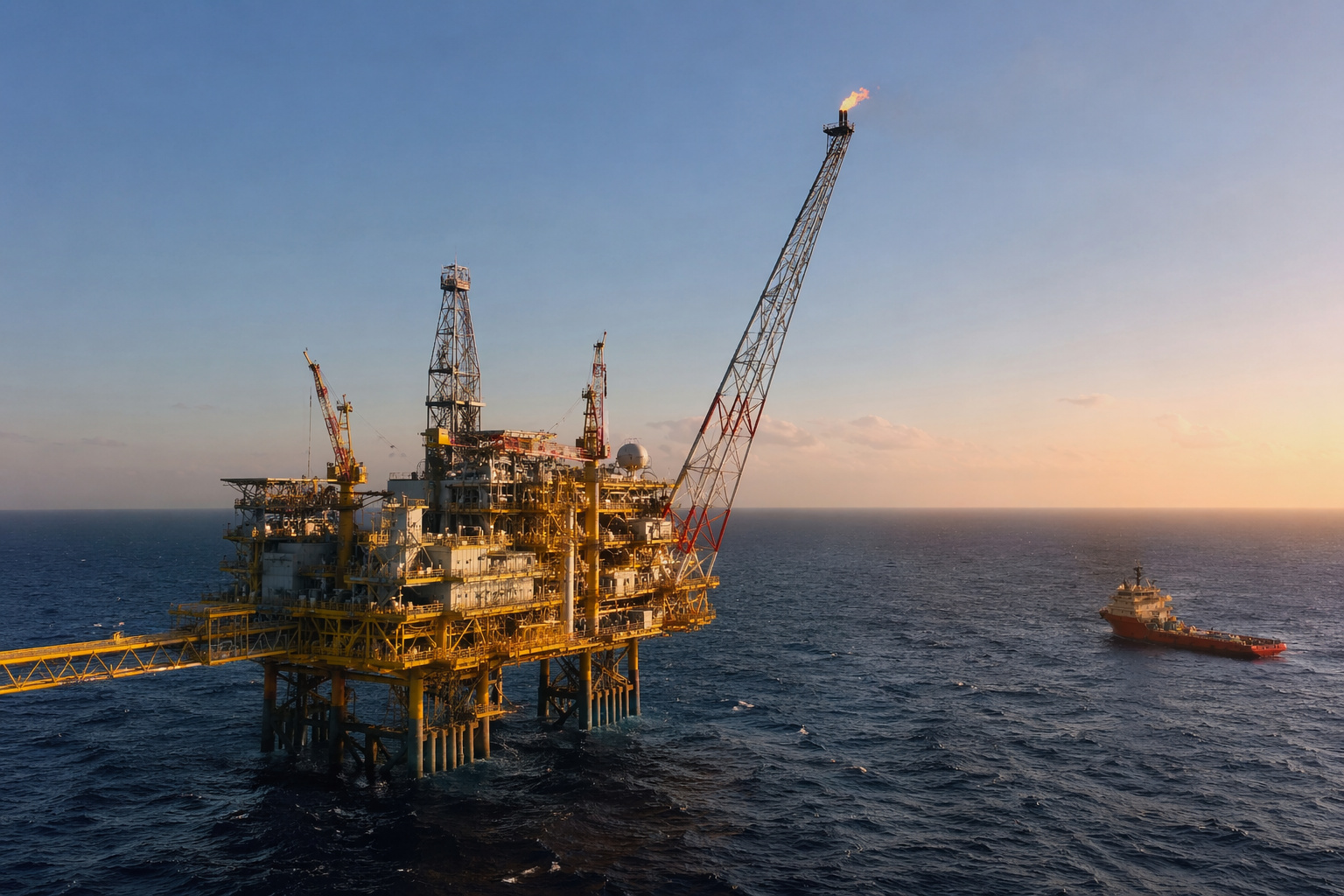
The next exploration auction in the pre-salt will offer 23 blocks in the Campos and Santos basins and may change the interest of oil companies in Brazil.
-
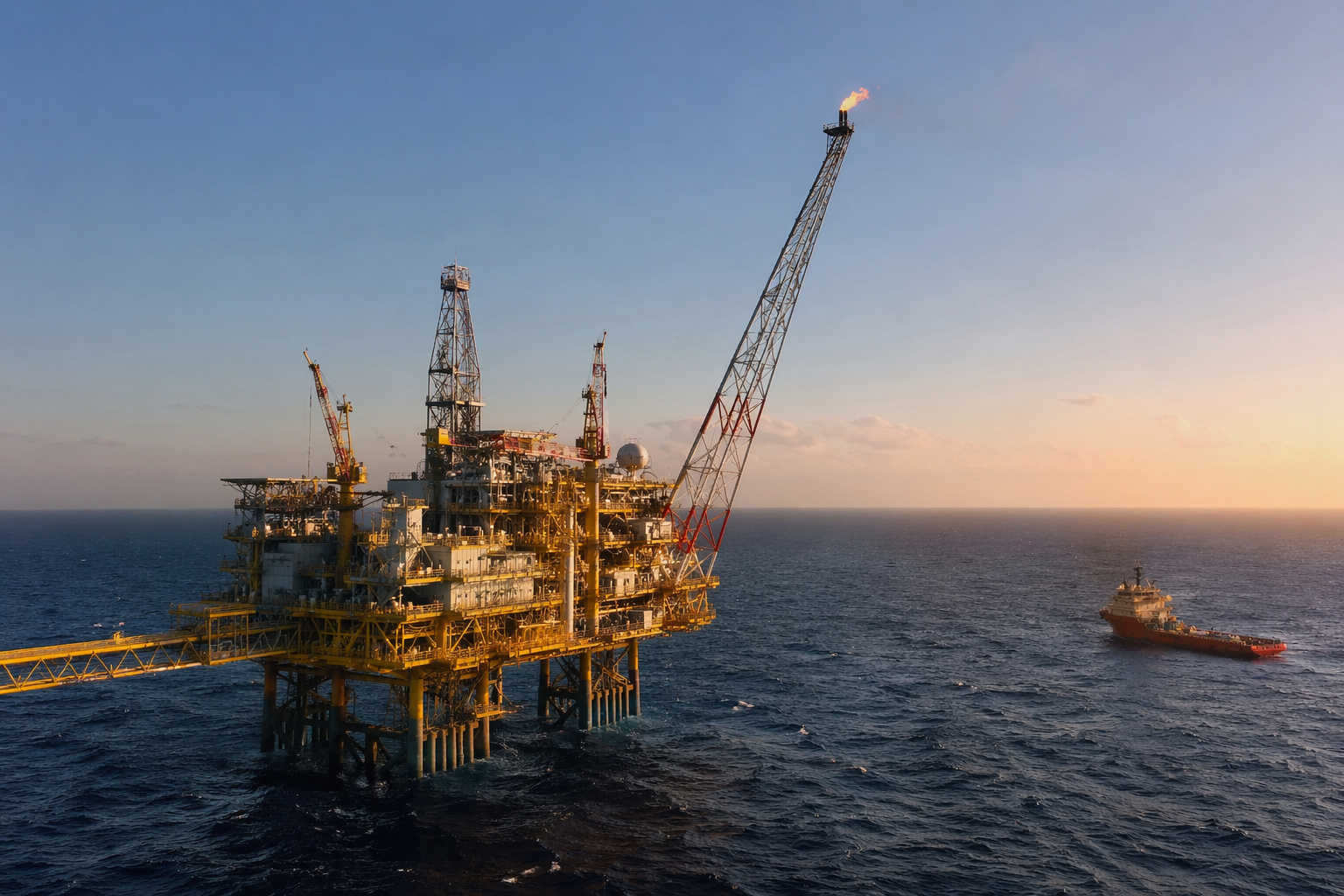
The next exploration auction in the pre-salt will offer 23 blocks in the Campos and Santos basins and could change the interest of oil companies in Brazil.
-
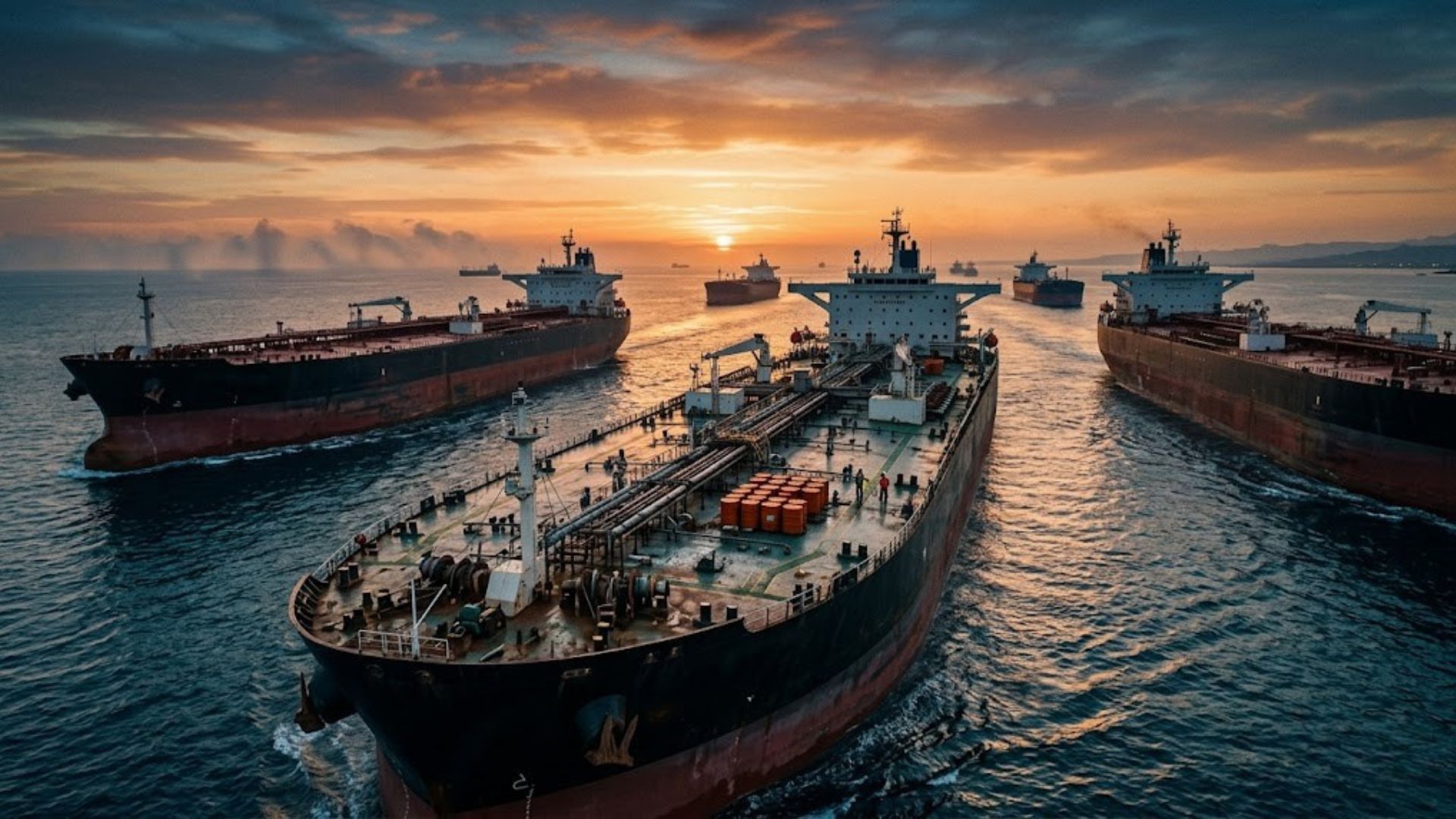
Red Sea, from biblical site to oil hope: South Korea reveals ambitious plan to create new oil routes through the Red Sea with the dispatch of 5 ships, agreements with 3 countries, and a focus on the strategic port of Yanbu.
-
SISTAC expands contract with Petrobras for maintenance of platforms in the Santos, Campos, and Espírito Santo basins using ROV and specialized underwater operations.
Any blockade or instability in the region can directly impact global energy prices. In this context, Fujairah emerges as a strategic alternative, allowing part of the oil to be stored and moved outside this risk zone.
The location of the port, facing the Indian Ocean, reduces dependence on the strait and offers greater logistical flexibility for exporters and traders.
Capacity of 18 million m³ transforms the location into a “global energy vault”
The infrastructure of Fujairah consists of dozens of storage tanks operated by different international companies. These reservoirs are capable of storing crude oil, refined fuels, and other derivatives.
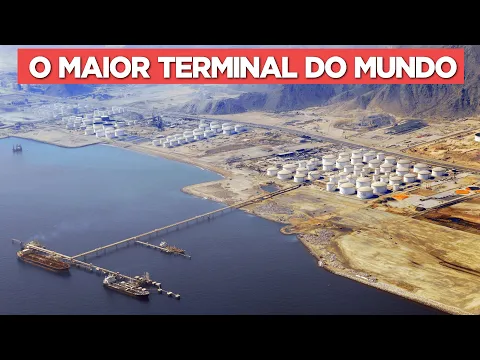

The capacity of 18 million cubic meters is equivalent to hundreds of millions of barrels of oil, depending on the type of product stored. This scale allows the port to function as a significant market buffer, absorbing surpluses and ensuring availability during times of high demand.
This function is essential for the stability of the global energy system, especially during periods of volatility.
Logistical hub connects production, refining, and distribution on a global scale
Fujairah does not only act as a storage point. The port integrates a complex chain that involves production, refining, transportation, and distribution of energy.
Tankers arrive loaded with crude oil, unload into the reservoirs, and subsequently, the product can be redistributed to different destinations or refined before heading to the market.
This integration transforms Fujairah into a true logistical hub, where different stages of the energy chain connect at a single point, increasing efficiency and reducing operational costs.
Blending fuels and trading increase the economic relevance of the port
One of the most important functions of Fujairah is the blending of fuels, a process in which different types of oil or derivatives are combined to meet specific market specifications.
This type of operation is fundamental to meet the varied demands of refineries and end consumers. The ability to perform large-scale blending increases the added value of operations carried out at the port, attracting global companies in the sector.
Additionally, the location has become an active trading center, with transactions being conducted continuously, reinforcing its role in the international market.
Infrastructure supports continuous operation and constant flow of ships
The port of Fujairah was designed to operate with high efficiency, receiving and dispatching large vessels continuously. Loading and unloading systems allow for the movement of large volumes of oil in reduced timeframes.
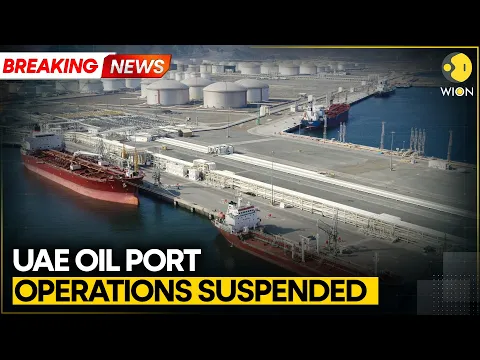
The ability to operate without interruptions is essential to meet global demand, which relies on a constant flow of energy, especially in highly industrialized economies. This operational efficiency contributes to the port’s competitiveness compared to other logistical centers.
Energy strategy of the United Arab Emirates reinforces Fujairah’s role
The development of Fujairah is part of a broader strategy of the United Arab Emirates to diversify export routes and reduce risks associated with the Strait of Hormuz. Investments in infrastructure, including pipelines that connect production fields to the port, allow for oil to be transported directly to Fujairah without the need to pass through the strait.
This strategy increases the country’s energy security and reinforces its position in the global market, ensuring greater control over export flows.
The functioning of the oil market depends on a constant balance between supply and demand. Storage centers like Fujairah play a crucial role in this process. When production exceeds demand, the surplus can be stored. In times of increased consumption, these stocks are used to meet the market.
This ability to adjust helps avoid extreme price fluctuations and ensures greater stability in the global energy system.
Strategic location reduces time and cost of international transport
The geographical position of Fujairah allows direct access to international maritime routes, facilitating the transport of oil to different regions of the world.
Ships departing from the port can reach markets in Asia, Africa, and Europe without needing to cross the Strait of Hormuz, reducing travel time and associated costs.
This logistical advantage makes the port highly attractive to international operators, who seek efficiency and security in their operations. The development of Fujairah shows no signs of slowing down. New investments continue to be made to expand capacity and modernize infrastructure.
This growth reflects the increasing importance of logistical hubs in the global energy market, where the ability to store and redistribute oil becomes as relevant as production.
Fujairah is consolidating itself as a central piece in this system, connecting different parts of the world through continuous energy flows.
Invisible structure sustains an essential part of the global economy
Although little known to the general public, the infrastructure of Fujairah plays a fundamental role in the global economy. The functioning of industries, transportation, and services directly depends on the constant flow of energy.
Storage centers like this ensure that this flow is not interrupted, even in scenarios of instability, functioning as a safety element for the energy system.
Did you know that billions of barrels of oil are stored in almost invisible structures outside the most critical routes of the planet?
Leave your opinion in the comments and tell us if hubs like Fujairah should gain even more importance in the future of global energy.










Seja o primeiro a reagir!