





 Portuguese
  English
  Spanish
  5 min of reading
  0 comments


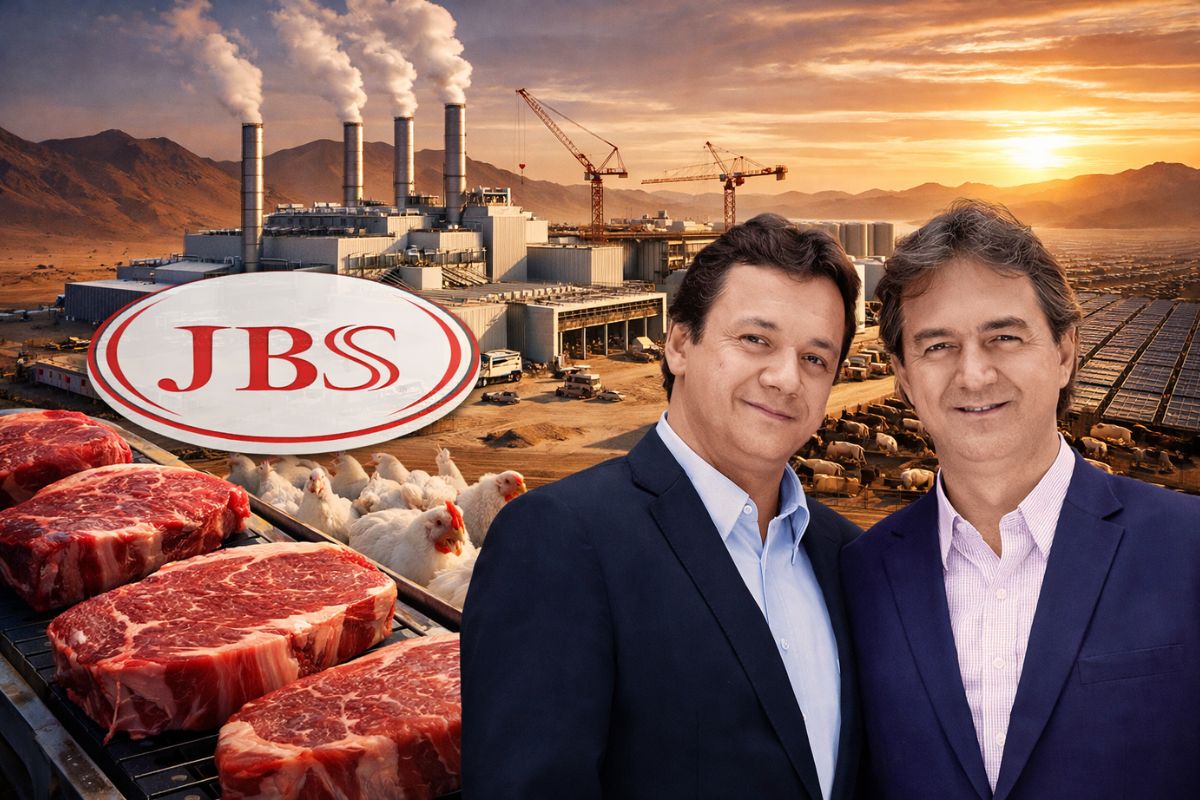
By Acquiring 80% of a Holding Company Created to Consolidate Productive Assets in Oman, Brazilian Giant JBS Transforms the Country into a Central Piece of Its Expansion in the Middle East, Accelerates Its Entry into Beef, Sheep, and Poultry Proteins, and Projects More Than 3,000 Direct Jobs in the Coming Years.
The Brazilian giant JBS has decided to take a large-scale step in the Middle East by investing US$ 150 million, about R$ 750 million, in the construction of a multiprotein platform in Oman. The move involves beef, poultry, and lamb, repositions the company in a strategic region, and expands its reach in one of the most relevant food markets in the world.
Controlled by the Batista brothers, the company acquired 80% of a newly created food holding in the country, while Oman Food Capital retained the remaining 20%. The operation combines geographic expansion, protein diversification, and proximity to important consumer centers, as well as strengthening its investment in halal food for a global audience estimated at about 2 billion consumers.
What the Operation in Oman Represents for JBS
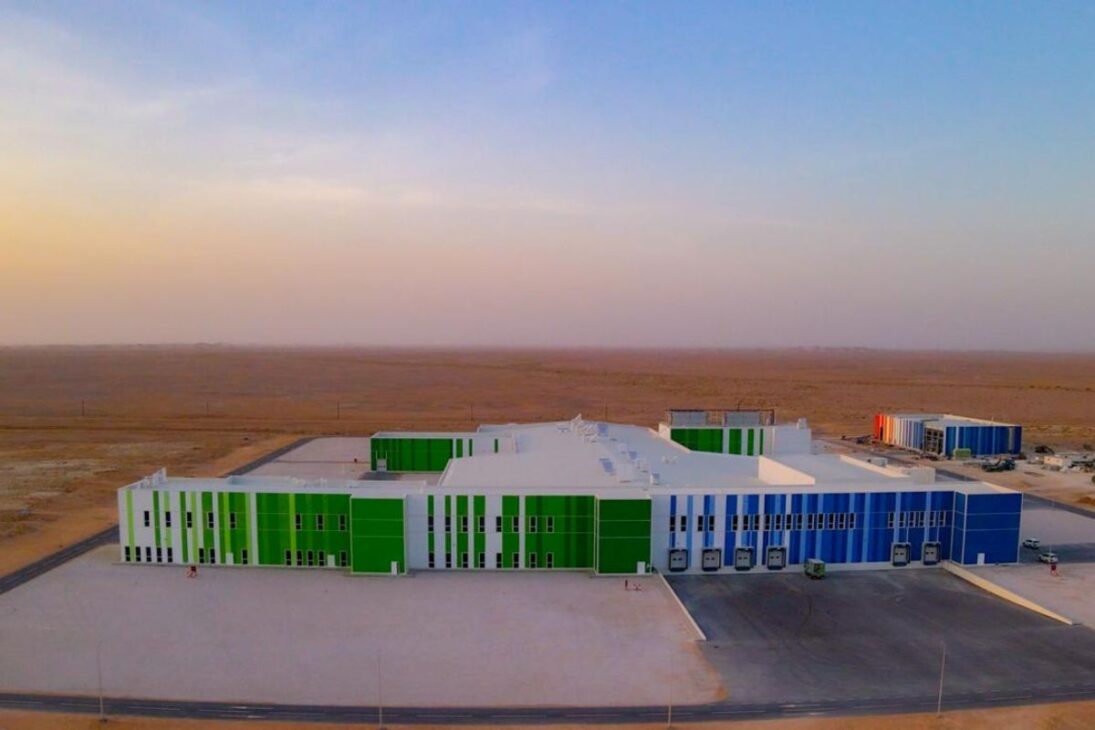
The company’s new front was designed to transform Oman into an integrated production base, capable of supplying both local markets and international destinations. This is not just about opening a factory, but about establishing a platform with industrial, logistical, and commercial presence in a sensitive point of the global food geography.
-
The bluest city in Brazil has just gained a new floating bridge for the free crossing between the island and the mainland, connecting residents and visitors to the historic center of São Francisco do Sul every day of the week.

-
In a silent race, Shopee signs a mega contract in Guarulhos and accelerates the e-commerce war with faster deliveries, pressured shipping, and a new threat to rivals in Brazil.

-
Oil surged to $115 a barrel due to the war in the Middle East, and diesel in Brazil has already risen to R$ 7.45 per liter, while the United States…

-
Brazilian city bets on the business environment to generate jobs and attract investments in the energy sector — secretary reveals strategy at Macaé Energy 2026.


In practice, the Brazilian giant JBS is entering a structure that consolidates two productive assets in the country and will begin operating closer to strategic markets. This design reduces distance to important buyers, strengthens regional presence, and creates conditions for a more robust performance in the halal segment, which requires scale, supply regularity, and adaptation to specific consumption standards.
Why Oman Became a Key Piece in This Strategy
Oman appears in this project as more than just an industrial address. The country has been presented as a platform capable of reinforcing local food security and at the same time functioning as an export hub to other markets. This dual function helps explain the weight of the investment and JBS’s interest in structuring a long-term operation in the Sultanate.
Moreover, the location favors the logic of expansion. The integrated poultry plant of A’Namaa is located in Ibri, northern Oman, about 380 kilometers west of Muscat and 280 kilometers south of Dubai.
The beef and lamb unit of Al Bashayer is located in Thumrait, southern Oman. This distribution shows that the operation was designed to take advantage of regional infrastructure and logistical positioning, connecting production, processing, and access to consumer markets.
How the Multiprotein Platform Should Function
The announced resources will be primarily allocated to completing the integrated poultry plant and strengthening the unit focused on processing cattle and lambs.
Thus, the company is beginning to structure an industrial base focused on three fronts simultaneously, something that increases its operational flexibility and reduces dependence on a single protein segment. This is an expansion that blends scale with diversification.
The industrial projection shows the size of the ambition. The operation is expected to reach an estimated static capacity of over 300,000 tons per year, with daily processing of about 1,000 cattle, 5,000 lambs, and 600,000 poultry.
The expectation is to start production within six months for beef and lamb and within twelve months for poultry, indicating a relatively accelerated timeline for such a large investment.
Jobs, Production Chain, and Local Economic Impact
One of the most relevant effects of the project lies in the labor market. The estimate is to create over 3,000 direct jobs in the next five years, distributed throughout the entire production chain. This data helps to gauge the reach of the enterprise beyond the industrial plants, as it involves processing, operation, technical support, logistics, and activities associated with the agrifood sector.
The expected impact is not limited to the number of job openings. The proposal also points to the qualification of the workforce, strengthening local economic activity, and expanding a production structure linked to food.
In a project of this scale, each step of the chain tends to drive demand for services and technical knowledge, transforming the investment into a vector of regional development, and not just a new manufacturing unit.
What Changes in JBS’s Presence in the Middle East
With this advance, JBS operates in 26 countries across five continents and marks its first upstream investment in the Middle East. This means that the company is not just selling or distributing products in the region but is entering more deeply into the local production stage. This is an important strategic leap, as it consolidates industrial presence in a market that has been gaining weight within the company’s expansion.
This move is also connected to a broader trajectory in the region. The company has been increasing exports, factories, and strategic partnerships in the Middle East, including initiatives in Saudi Arabia and the United Arab Emirates with the Seara brand.
Currently, the company has about 1,600 employees in the region, and the project in Oman deepens this presence by combining local production, industrial scale, and focus on higher strategic value products.
Why the Halal Market Is Central to This Investment
The strength of the halal market is one of the central drivers of the decision. By targeting an estimated universe of around 2 billion consumers, the Brazilian giant JBS aims to position itself in a broad, recurring, and internationalized demand. This is not just a matter of volume, but of entering a segment that requires operational credibility, regularity of supply, and presence in territories capable of sustaining consistent exports.
In this context, Oman emerges as a base to meet a combination of factors: national food security, productive integration, and export capability. The operation reinforces the reading that JBS wants to be closer to the markets it considers crucial for its next growth cycle.
By betting on beef, poultry, and lamb simultaneously, the company spreads risks, expands its portfolio, and creates a platform capable of sustaining a stronger presence in the global halal food trade.
The project shows that the Brazilian giant JBS is using Oman as a support point for an expansion that combines industrial scale, protein diversification, job creation, and more direct access to the halal market.
The investment of about R$ 750 million is not limited to building production capacity: it also redesigns the company’s position in a strategic region and deepens its logic of international growth.
When a company of this size decides to invest in the desert to supply global markets, the move says a lot about where the food sector is headed.
Do you believe that this JBS investment in Oman could become a reference for other Brazilian giants abroad, or does it still seem like too risky a step?







-

-

-

4 pessoas reagiram a isso.