





 Portuguese
  English
  Spanish
  4 min of reading
  2 comments



The Strategic Choice of Changan to Expand Its Production Outside China May Change the Global Automotive Scenery, Bringing Innovations in Electric Mobility and Redefining Logistics in Southeast Asia and Beyond, with Direct Impacts on the Brazilian Market.
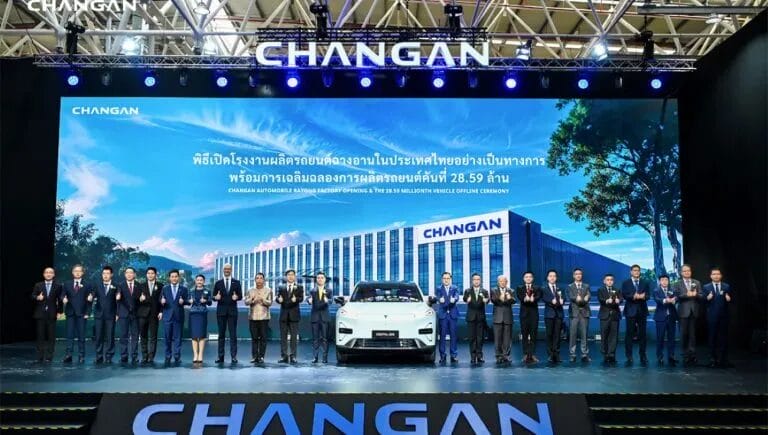
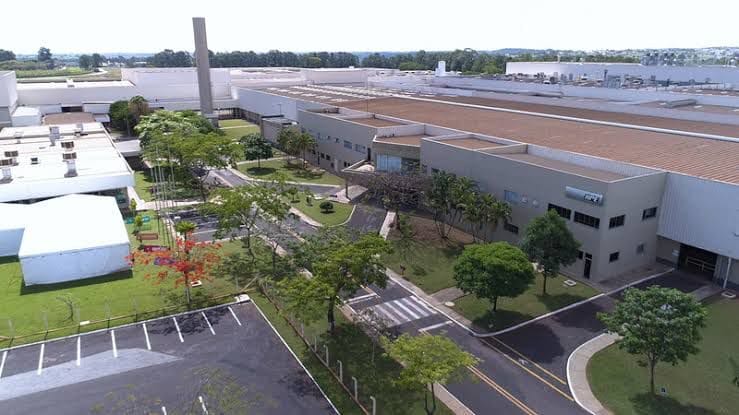
The Chinese automaker Changan has just inaugurated its first factory outside of China, and the choice of location has caught the attention of the global automotive market.
After two years of construction, the plant is located in Rayong, Thailand, and has the capacity to manufacture up to 200,000 vehicles per year.
According to experts, this initiative from Changan marks a new phase in the company’s international strategy, which seeks to expand its presence in Southeast Asia and other neighboring markets.
-
The Argentine government celebrates the lowest poverty rate in 7 years, but experts warn that the methodology has changed, real wages have fallen, unemployment has risen, and the number of people on the streets of Buenos Aires has increased by 57% since Milei took office.

-
The 2026 electric Vitara arrives in Brazil and proves that Suzuki is not leaving: 4×4 traction, 184 hp, 61 kWh LFP battery, 293 km range, R$ 259,000, and a trunk capacity of 224 L.
-
7.8 magnitude earthquake in Indonesia frightens the population, triggers tsunami alert, and hits an island with over 200,000 inhabitants this Thursday.

-
Google will finally let you change that embarrassing Gmail address you created in your teenage years without losing any accounts, logins, or old emails: the feature is already available in the United States.


In addition to producing cars under its own brand, the Thai factory will also manufacture models from the Deepal and Avatr brands, both of which are already set to debut in Brazil in the coming years.
This expansion is strategic, as the factory will not only serve the Thai market but will supply the entire Southeast Asian region, as well as Australia and New Zealand.
In the last year, according to Changan’s data, about 14,000 units were sold just in Thailand.
However, the primary goal of the plant is to ensure speed and efficiency in distributing vehicles to a vast region.
To achieve this, the factory also features a research and development department aimed at adapting products and technologies to local demands.
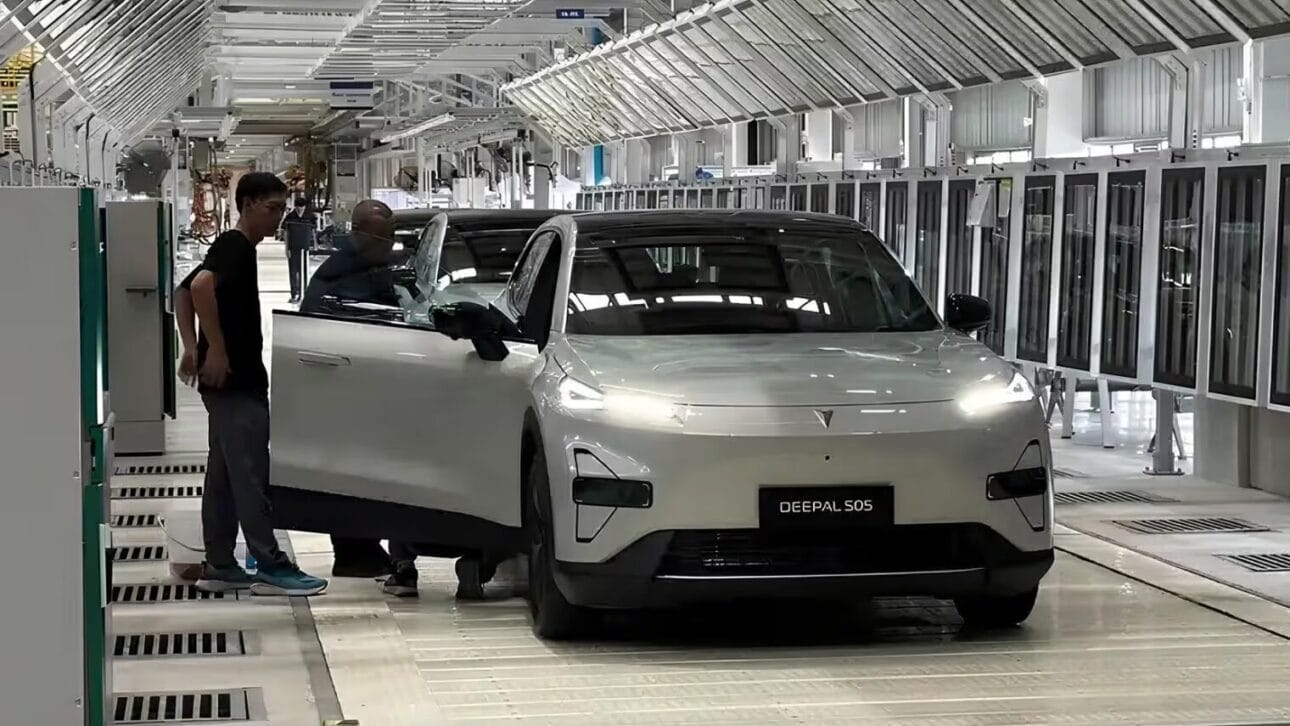
What Will Be Produced in Rayong?
Models such as the Changan Lumin, a compact electric vehicle already popular in China, and the vehicles from Deepal — S05, E07, L07, and S07 — are among the cars that will have local production in Rayong.
In addition, the factory will manufacture the Avatr 11, a premium electric SUV that is already generating anticipation among Brazilian and Asian consumers.
According to industry experts, local production of these models not only reduces logistics costs but also lowers import taxes, which is expected to reflect in more competitive prices for consumers.
Why Thailand?
The choice of Thailand to host Changan’s first international factory surprises many analysts, who expected an expansion into markets like Brazil or Mexico.
However, the Asian country offers important strategic advantages.
Its geographical location in the heart of Southeast Asia facilitates access to various neighboring markets.
Additionally, Thailand has a consolidated automotive production chain, modern infrastructure, and trade agreements that favor exports to other countries in the region.
The Thai government has significantly invested in incentives to attract electric vehicle manufacturers, a rapidly growing sector globally.
These policies include tax benefits and bureaucratic facilitation for projects that stimulate sustainable mobility.
Impact on Brazil and Region
Changan’s arrival in the Brazilian market is directly linked to the production of the factory in Rayong.
Models from Deepal and Avatr, already slated to arrive in Brazil, will have regional production secured by the Thai plant.
This means that Brazilian consumers can expect cars with advanced technology, a focus on electric mobility, and more accessible prices compared to vehicles imported from China.
Experts emphasize that Changan’s strategy could accelerate the adoption of electric cars in Brazil, which still faces infrastructure and cost challenges.
Additionally, regional production favors logistics and reduces the delivery time of vehicles.
This advantage should reflect in greater competitiveness of Changan models and its affiliates in the South American market.
Trends in the Asian Automotive Market
Changan’s bet on Thailand is part of a larger movement by Chinese automakers seeking to internationalize their production to face global competition.
Companies like BYD, Geely, and NIO are also expanding their operations outside of China, particularly focusing on the electric car market.
According to data from the International Organization of Motor Vehicle Manufacturers, Southeast Asia has the potential to become one of the largest automotive production hubs in the world by 2030, driven by a growing middle class and favorable government policies.
The presence of a research and development center at the Rayong factory indicates that Changan plans to adapt its products to local needs, with technological innovations specific to the climate, infrastructure, and regional preferences.
The Future of Electric Mobility in the Region
The inauguration of this factory also reinforces Changan’s commitment to electric vehicles, a segment that is growing exponentially throughout Asia.
In addition to the previously mentioned models, the company is expected to launch new electric versions in the coming years, focusing on range, onboard technology, and connectivity.
Experts claim that investment in R&D and local production places Changan in a prominent position, with the potential to lead the transformation of mobility in the region.
Changan’s strategy follows a global trend: bringing production closer to consumers, reducing costs, and ensuring agility in launching new products.
Changan’s arrival in Thailand and its strategy for the Asia-Pacific markets may redefine the regional and global automotive scenery.
What do you think this move means for the Brazilian automotive industry?
Is the national market ready to welcome this new competition with Chinese products manufactured in Asia?








É… quer dizer, prefiro nem comentar.
Prefiro nem comentar…