





 English
  Francês
  Alemão
  Italiano
  Japonês
  Norueguês
  Portuguese
  Spanish
  4 min of reading
  0 comments


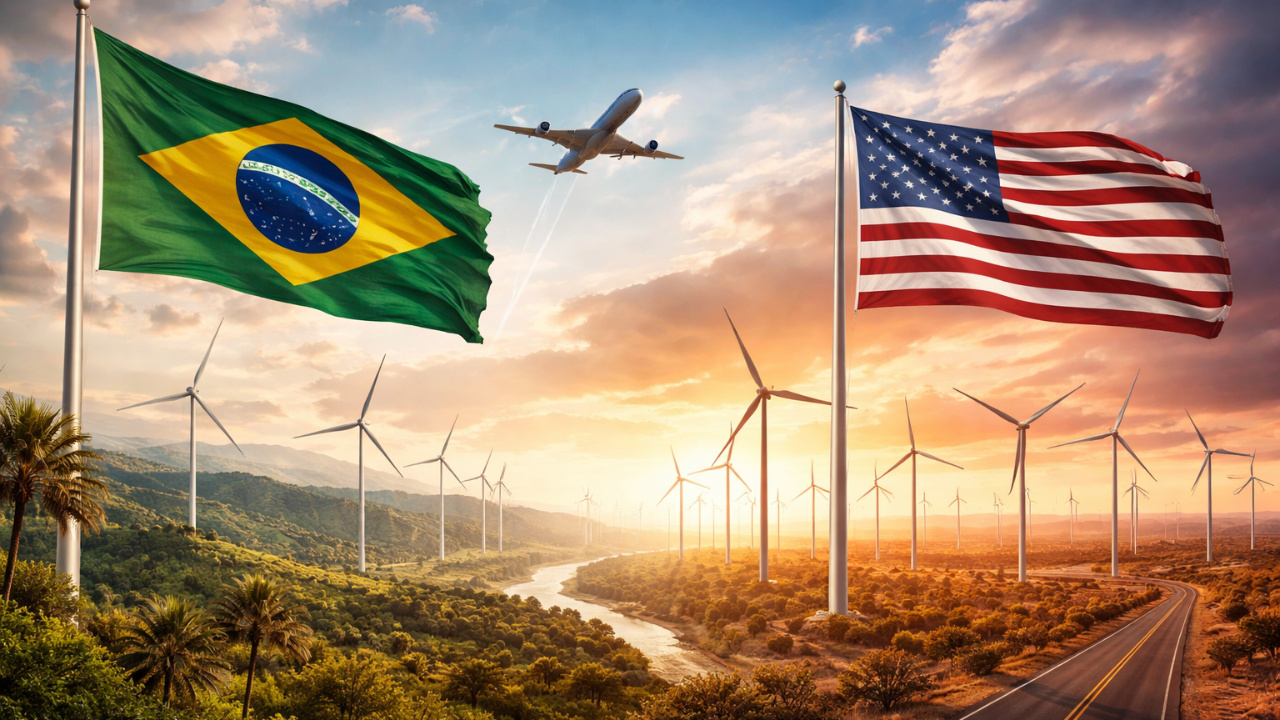
The Leader in Wind Energy, Serena Changes Its Strategy, Bets on the United States, and Exposes the Risks Threatening the Brazilian Clean Energy Market.
The Brazilian wind energy sector has just lost one of its biggest symbols of growth. Serena, one of the largest generators in the sector in the country, has decided to freeze new investments in Brazil and move practically its entire cash flow to the United States.
This shift draws attention because it happens precisely at a moment when the entire world is seeking clean energy sources to power the explosion of artificial intelligence data centers.
Meanwhile, in the United States, the company is already reaping the rewards. The generator has signed an energy supply contract with Google, which plans to invest US$ 40 billion in new data centers in Texas.
-
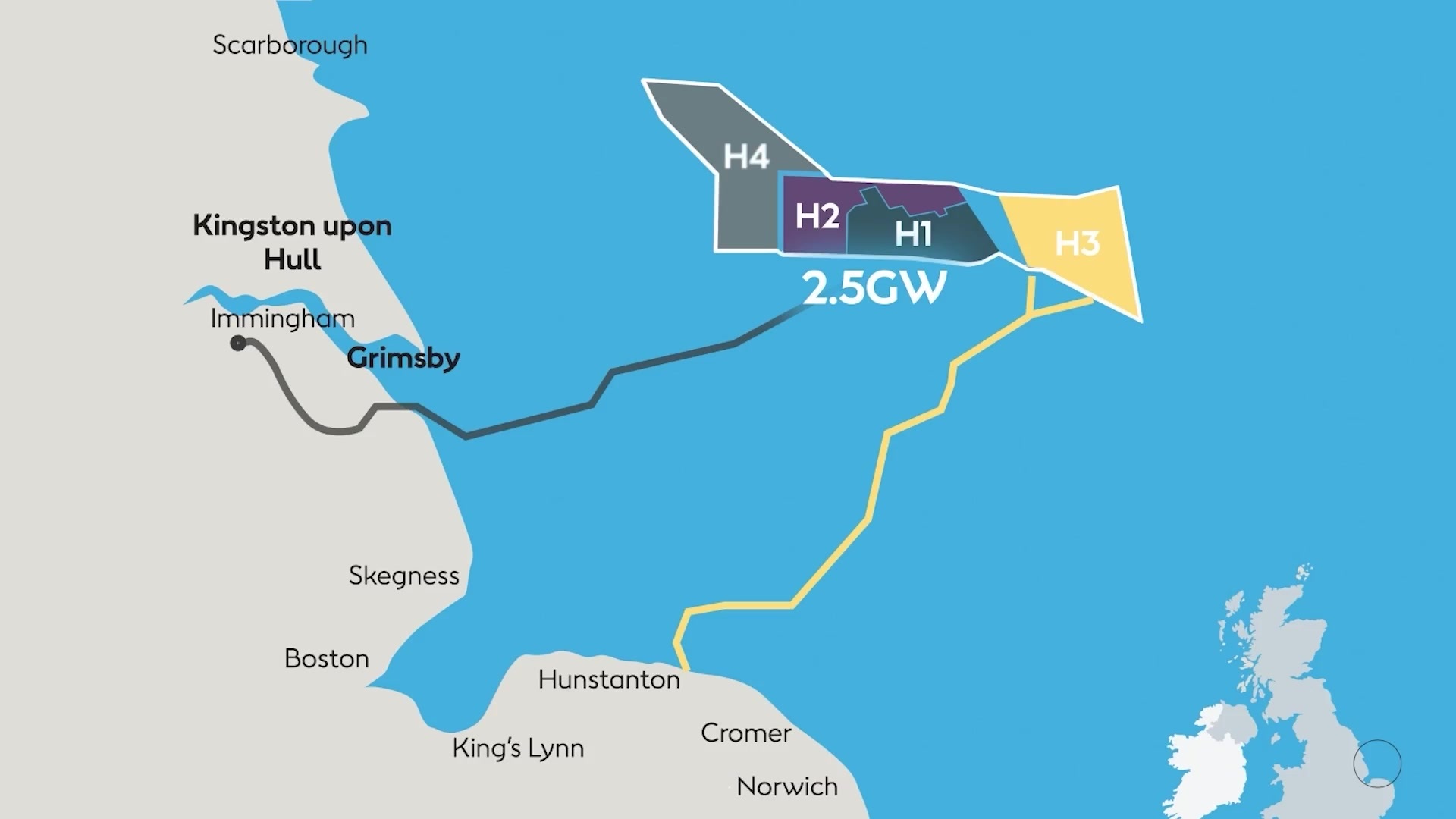
231 turbines of 260 meters at 160 km from the coast, monopiles weighing as much as nine blue whales embedded in the North Sea, and a crane ship taller than the Eiffel Tower: Hornsea 3 will be the largest offshore wind farm on the planet by 2027, and its first components have already arrived in England.
-
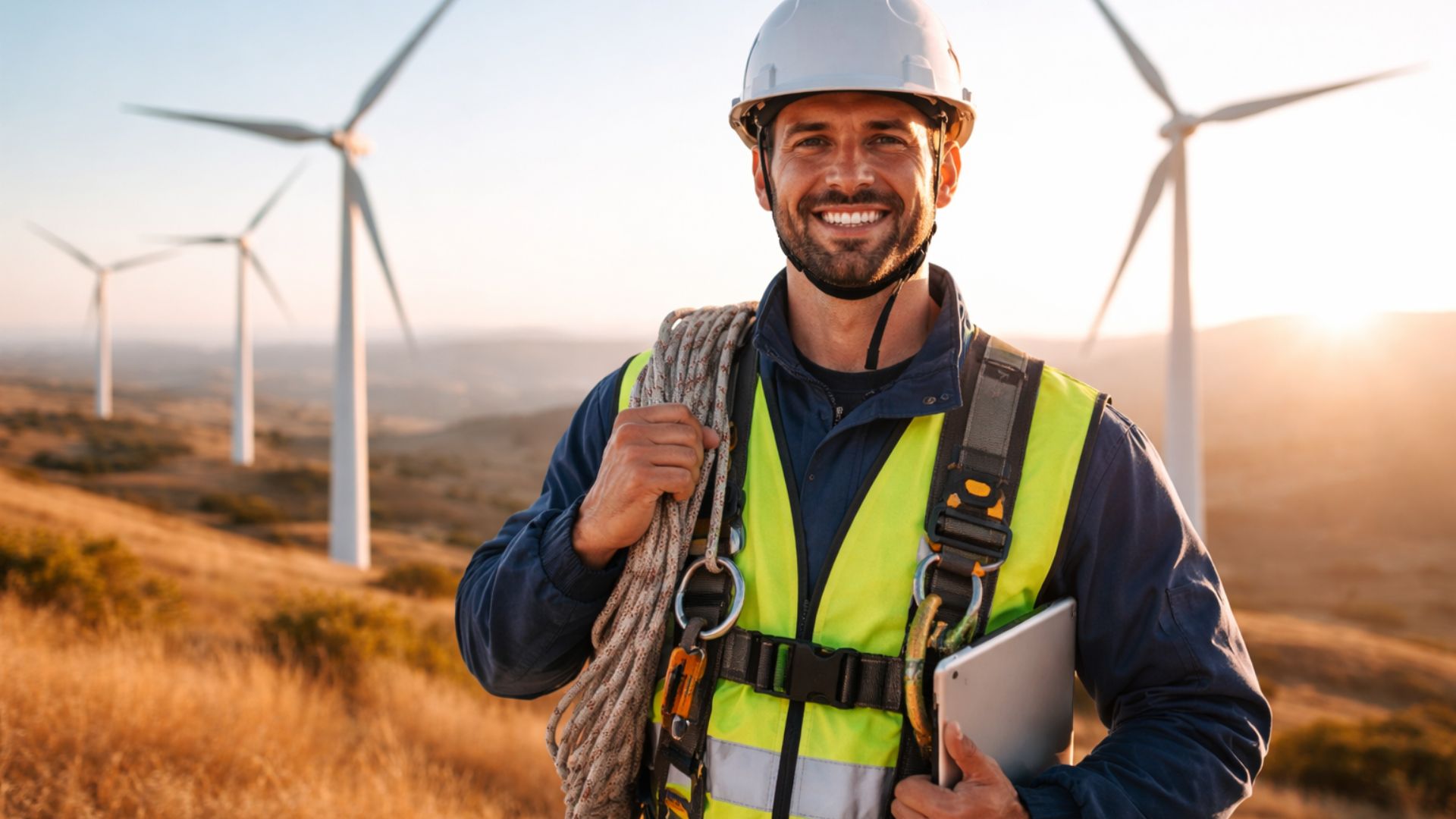
International Certification Puts Senai Norte on the Renewable Energy Map and Expands Access to Essential Training for Qualified Wind Power Professionals
-
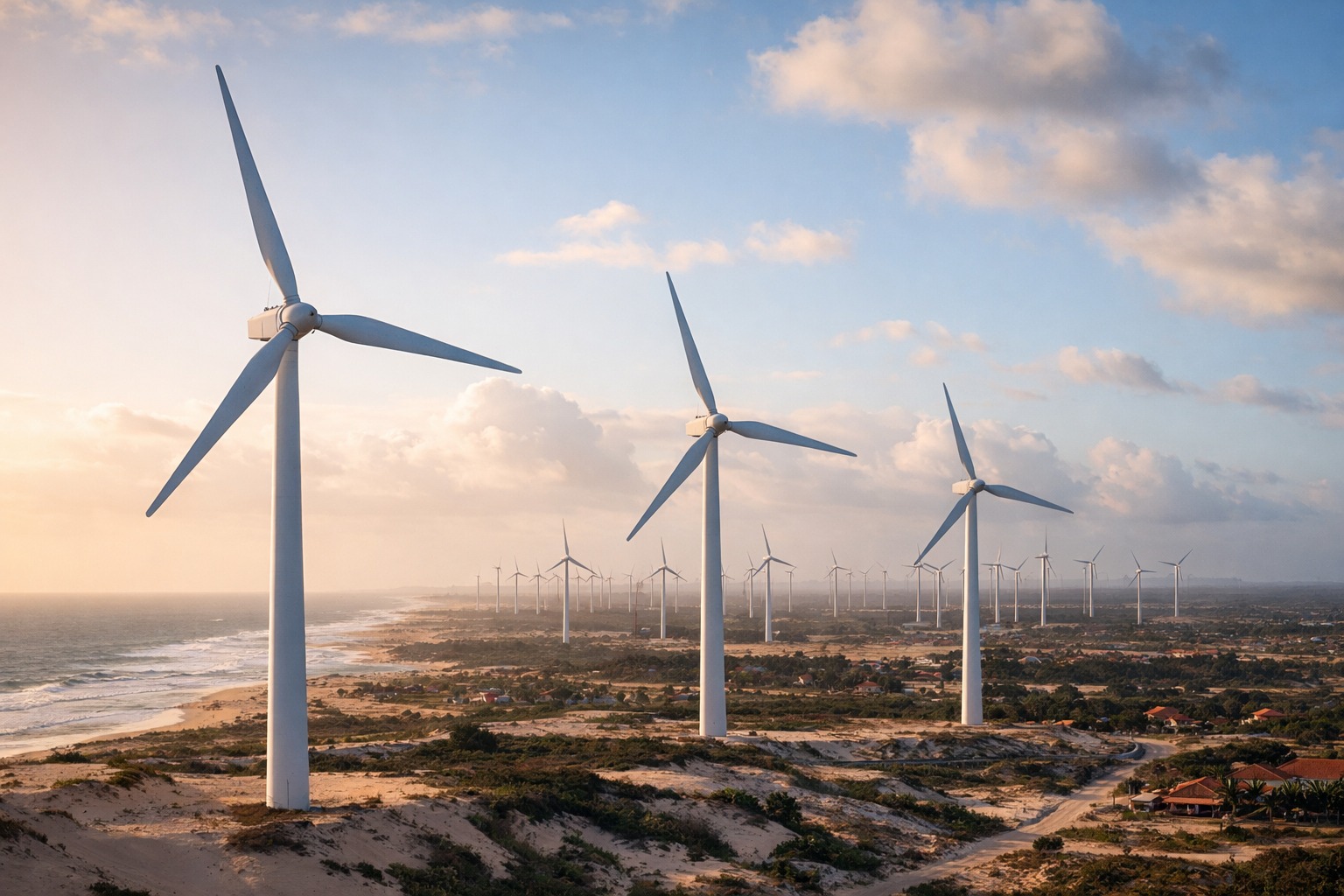
The Winds of the Northeast Are in Foreign Hands: Nearly 70% of the Region’s Wind Farms Are Owned by International Companies, with France, China, and Italy Leading Investments in Wind Energy in Brazil
-
Echoenergia’s Wind Farms Receive Diamond and Platinum Seals and Boost Carbon Credits with Projects that Prevent Large Volumes of Annual Emissions
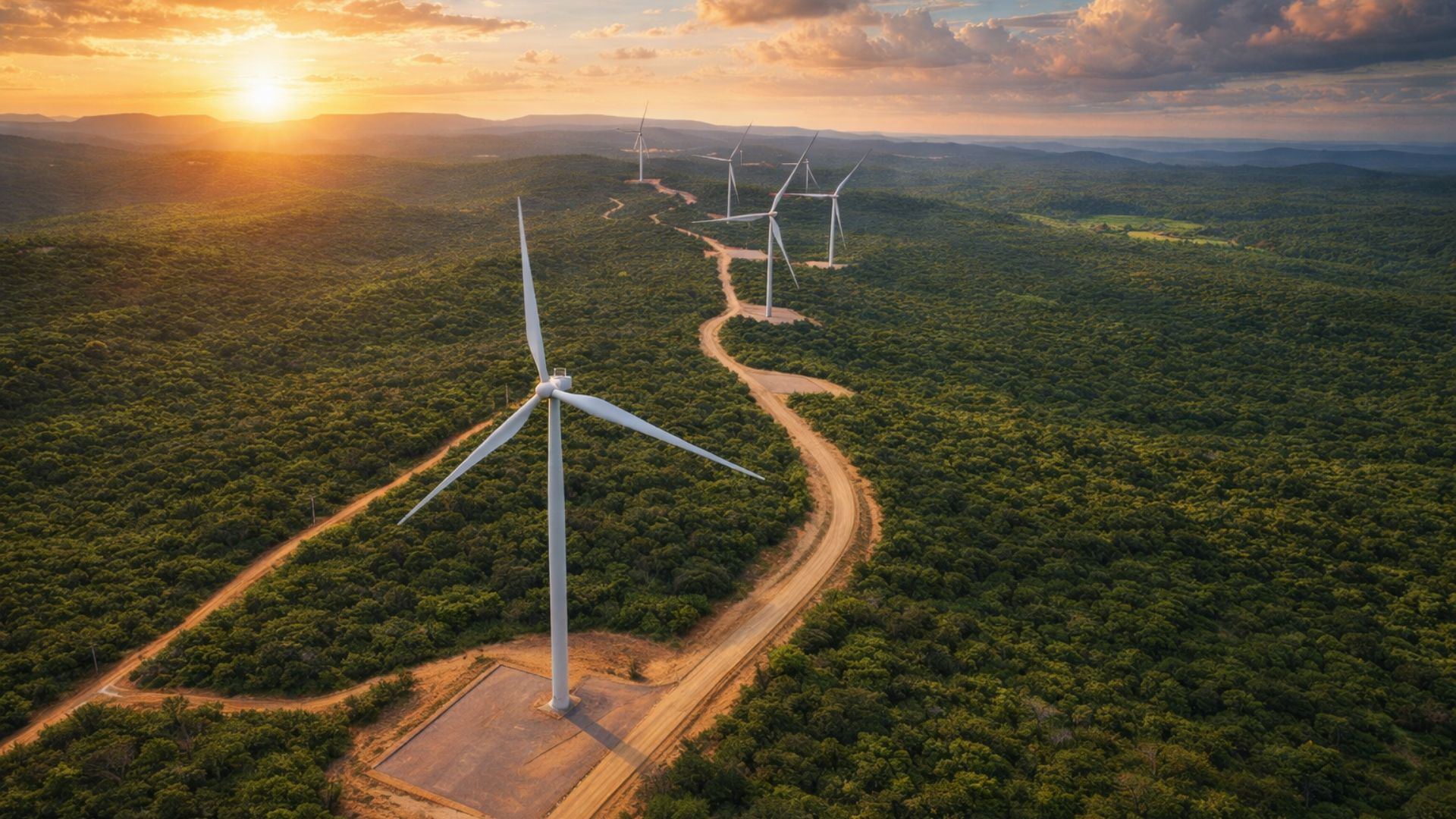
Thus, the wind energy produced by Serena will power servers that operate day and night to sustain digital services and AI systems.
In Brazil, however, the scenario is quite different. According to the company, insecurity in energy generation has become one of the biggest obstacles. Therefore, the expansion will now be entirely focused on the American market.
Energy Cuts in Brazil Scare Investors
Although Brazil is one of the countries with the greatest potential for wind energy in the world, the reality of the electrical system has caused headaches. The so-called curtailment, which involves unexpected cuts in generation, has become routine.
These cuts exist to protect the system from overloads. However, they directly impact the revenues of the generators.
The excess energy, mainly caused by the rapid expansion of solar energy, leads the National System Operator to disconnect wind farms, even when there is plenty of wind available.
Serena does receive compensation, but considers the amount insufficient. In an interview with InvestNews, Antonio Bastos Filho, CEO of the company, summarized the problem: “If we want to reindustrialize Brazil and attract data centers in the future, this kind of thing only drives away investors. How to calculate curtailment in a new project?”
Thus, for those investing in wind energy, it is becoming increasingly difficult to predict how much they will earn.
Texas Becomes the Company’s New Heart
In the United States, Serena built the Goodnight wind complex in Texas, when it was still called Omega Energia. The project has been operating since 2023 and has a capacity of 265.5 megawatts. Now, the company will invest US$ 370 million to double this number by 2027.
This will bring the park’s capacity to 531 megawatts and help power a new Google data center. In addition, the company has also closed contracts with Crusoe, a startup linked to artificial intelligence projects like the Stargate Project.
Bastos Filho made the growth plan clear: “We are working on project number 2, but the idea is to have 3, 4, 5, 6, 7, 8… and so on. Our main focus for greenfield investment [from scratch] today is in this region of Texas. We won’t just do wind, but will invest in gas generation as well.”
Wind Energy and Data Centers Form a New Marriage
In the U.S., energy demand is growing at a rapid pace. Data centers, which currently consume about 5% of the country’s electricity, are expected to reach 12% by 2028. Therefore, big tech companies are seeking long-term contracts with wind energy producers and other clean sources.
According to Serena’s CEO, this creates a more predictable environment. “The American environment, in terms of legal security and demand, is better than what we have in Brazil today.”
Moreover, American regulations allow for mixing wind energy with gas generation, ensuring continuous supply for clients.

Today, more than 80% of Serena’s revenue still comes from Brazil. However, this is expected to change rapidly.
The company’s goal is that, in four or five years, most of the revenue will be in dollars.
“Our focus today is to invest in the United States. The returns there make more sense,” says Bastos Filho.
Meanwhile, in Brazil, the only chance for new investments would be through battery-related projects, created to specifically reduce the cuts in wind energy generation.
Do you think there are chances of other companies following in Serena’s footsteps and leaving Brazil due to legal and profit issues?








-

Uma pessoa reagiu a isso.