





 Portuguese
  English
  Spanish
  3 min of reading
  0 comments


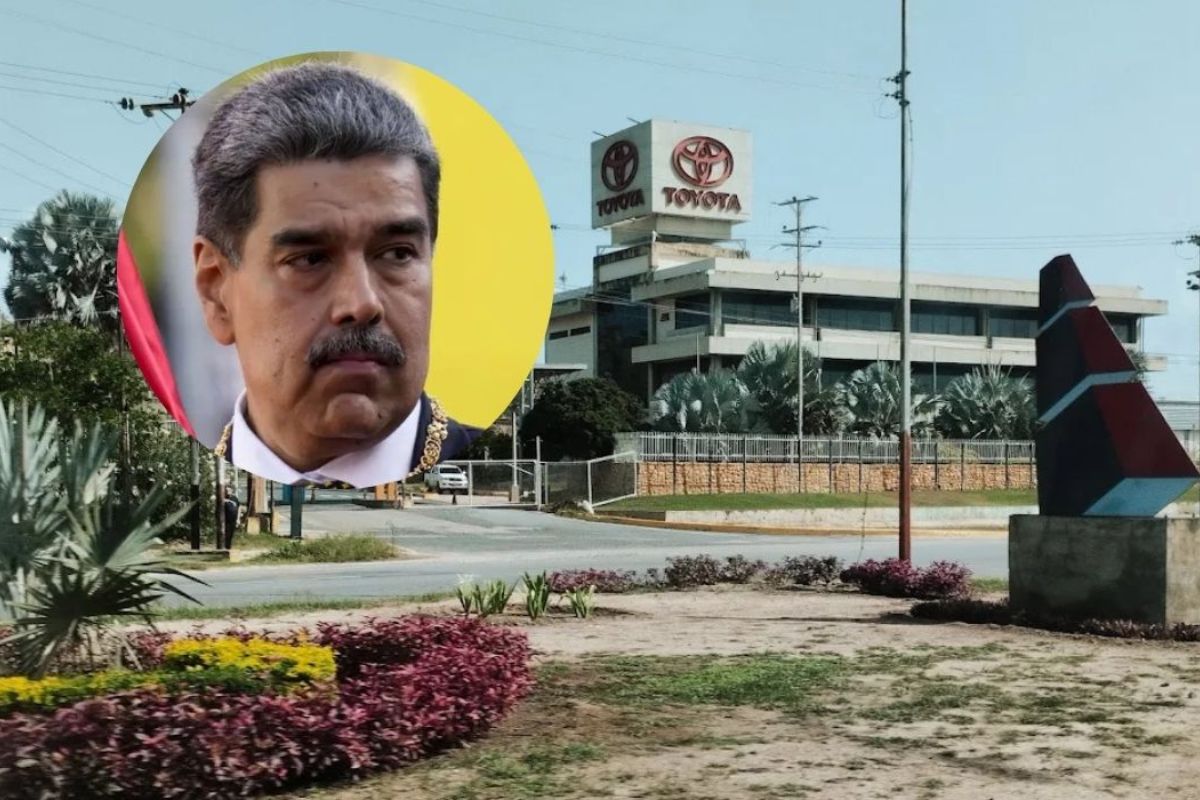
Toyota Puts Team on Home Office in Venezuela After Maduro Is Captured by the USA and Hearing in New York; With State of Emergency and Searches in the Country, Automaker Reduces Travel.
Toyota in Venezuela has allowed home office for the local team after the capture of Nicolás Maduro in a U.S. government operation and a hearing in New York. The measure reduces travel and exposure amid instability. The company has not disclosed how many were affected and says it is monitoring the situation.
Venezuela is at the center of an immediate change in the corporate routine of a global giant: Toyota has instructed local employees to work from home after the capture of President Nicolás Maduro in a U.S. government operation and the holding of a hearing in New York.
The decision, according to the company itself, aims to reduce travel and exposure in the face of instability. Toyota did not specify how many people have been placed on remote work and has not announced permanent changes to operations and states that it is monitoring the developments in Venezuela.
-
A new Brazilian shopping center worth R$ 400 million will be built in an area equivalent to more than 4 football fields, featuring 90 stores, 5 cinemas, a supermarket, a college, and parking for 1,700 cars, potentially generating 3,000 jobs.

-
Larger than entire cities in Brazil: BYD is building a 4.6 km² complex in Bahia with a capacity for 600,000 vehicles per year, but the discovery of 163 workers in conditions analogous to slavery has shaken the entire project.

-
With an investment of R$ 612 million, a capacity to process 1.2 million liters of milk per day, Piracanjuba inaugurates a mega cheese factory that increases national production, reduces dependence on imports, and repositions Brazil on the global dairy map.

-
Brazilian city gains industrial hub for 85 companies that is equivalent to 55 football fields.


What Toyota Decided in Venezuela
The home office guideline applies to the local team in Venezuela and was adopted as a way to reduce travel and exposure given the instability described in the material.
The information was confirmed by a spokesperson, without detailing the total number of employees affected by the measure.
The company did not provide timelines for a return to the in-person model and also did not clarify whether the recommendation involves all areas.
In practice, what has been communicated is a remote work guideline, with continuous monitoring of the environment in the country.
Why the Decision Is Occurring Now

The change in Venezuela comes after the capture of Nicolás Maduro, who attended a hearing in New York on Monday (5) and pleaded not guilty to the charges presented by U.S. justice.
This event is seen as the trigger for a context of instability that led companies with a presence in the country to reassess their circulation and routines.
The text also mentions that authorities in Venezuela published a state of emergency decree.
The decree mandates the search and capture of individuals involved in supporting an armed attack attributed to the United States, which increases the perception of risk and changes in security dynamics and mobility.
What Changes for Toyota Employees in Venezuela
For companies with a presence in Venezuela, decisions such as remote work tend to be used to maintain administrative routines while the security and circulation environment is reassessed.
The logic is to preserve operational continuity where possible, reducing travel at a time of tension.
In the specific case of Toyota in Venezuela, what is clear is the direction towards home office and the absence of operational details: the company did not disclose how many people were affected, did not indicate a timeline for returning to in-person work, and did not clarify if all areas adhere to the recommendation.
What Toyota Said About the Operation
Toyota stated that it is monitoring the developments in Venezuela, but has not announced, so far, any permanent changes to operations.
The communication was limited to confirming the remote work guideline and the stance of monitoring the situation.
There is also no indication in the provided material of structural changes or cessation of activities.
Quick Question: Do you think that, in Venezuela, home office tends to become a standard for longer in large companies when the political crisis escalates like this?






-

2 pessoas reagiram a isso.