





 Portuguese
  English
  Spanish
  2 min of reading


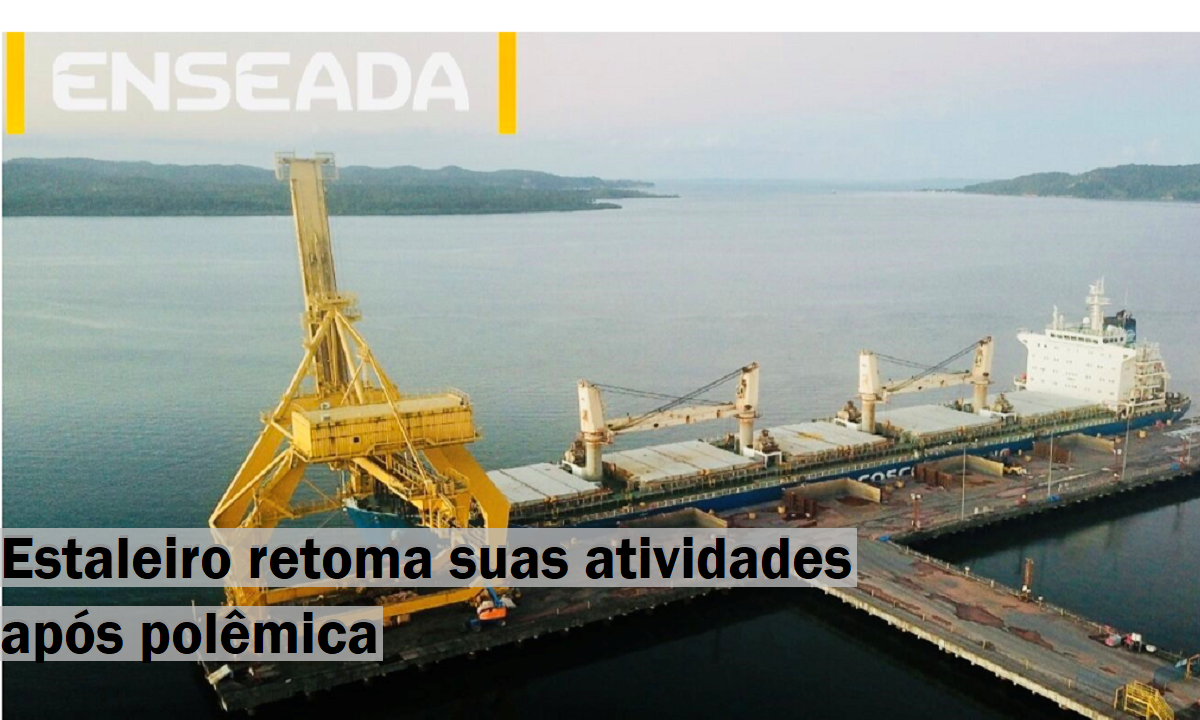
After A Long Period Without Activities, The Enseada Shipyard And Other Companies In The Shipbuilding Sector Plan To Resume Their Offshore Activities At The Beginning Of The Next Government, In 2023
The Offshore Shipbuilding Sector, Which Had Investments That Reached About R$ 3 Billion, Generated Over 5 Thousand Direct Jobs.
Today, The Enseada Shipyard Expects The Demand For Offshore Ship Structures To Amplify In The Coming Years And Anticipates A Larger Number Of Offshore Projects In Brazil, Boosting The Return Of Billion-Dollar Investments In The Shipyard, According To A Statement From Its President To The Newspaper Valor Econômico. All Shipyards In Brazil Have Expressed Hope For A Resumption Of The Offshore Sector In The Next Government.
The Expectation For A Return Of Investments In The Shipbuilding Sector Has Gained More Strength, Given That It Was Under The PT Government That The Policy Of At Least 70% National Content For Supplying Materials To Petrobras Was Established. However, Even If This Policy Does Not Return, Petrobras Will Need 45 Support Vessels For The New Oil Platforms, Which Could Partly Be Built In Brazil.
-
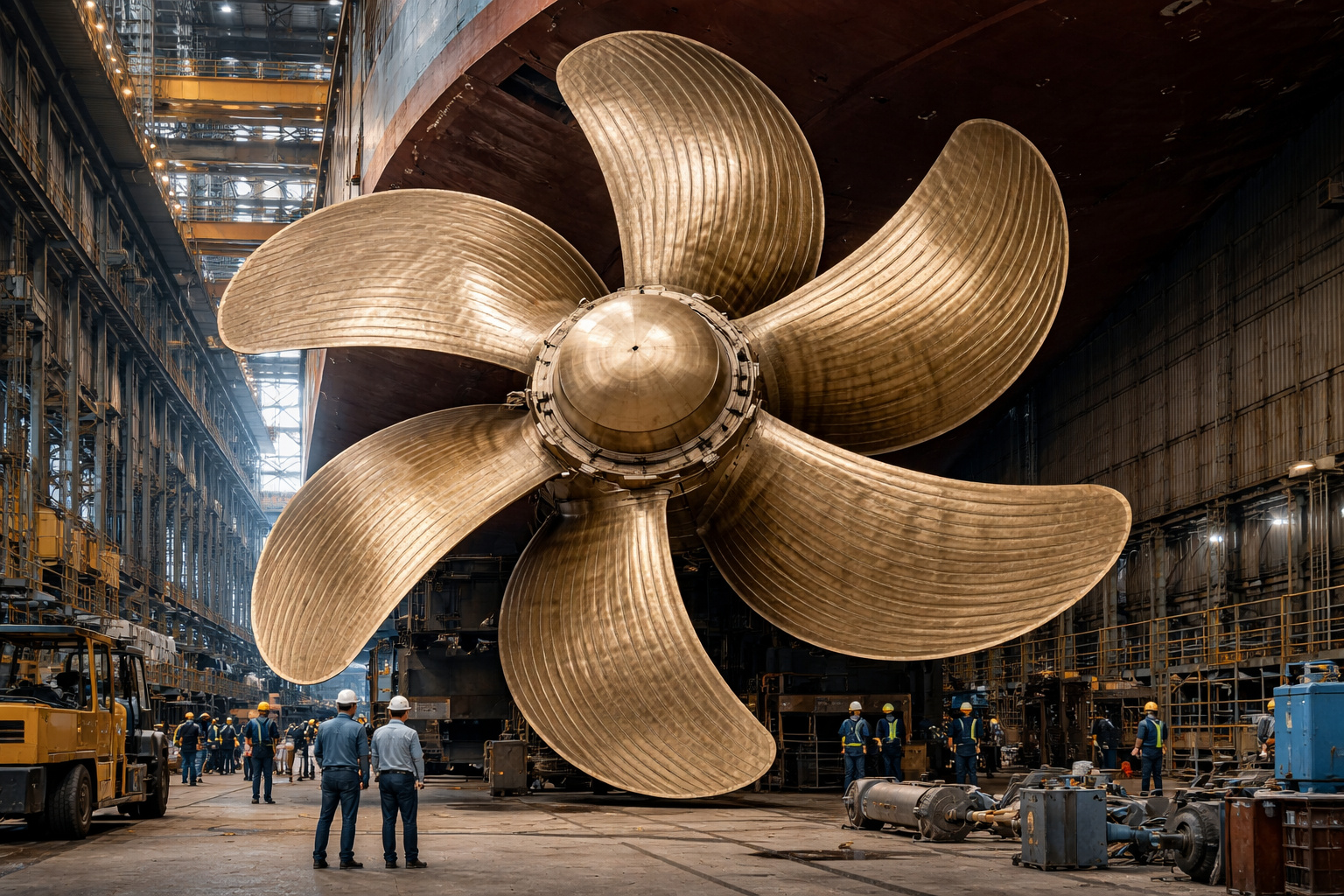
How a 131-ton, 11-meter propeller supports 90% of global trade and transforms the largest container ships on the planet.
-
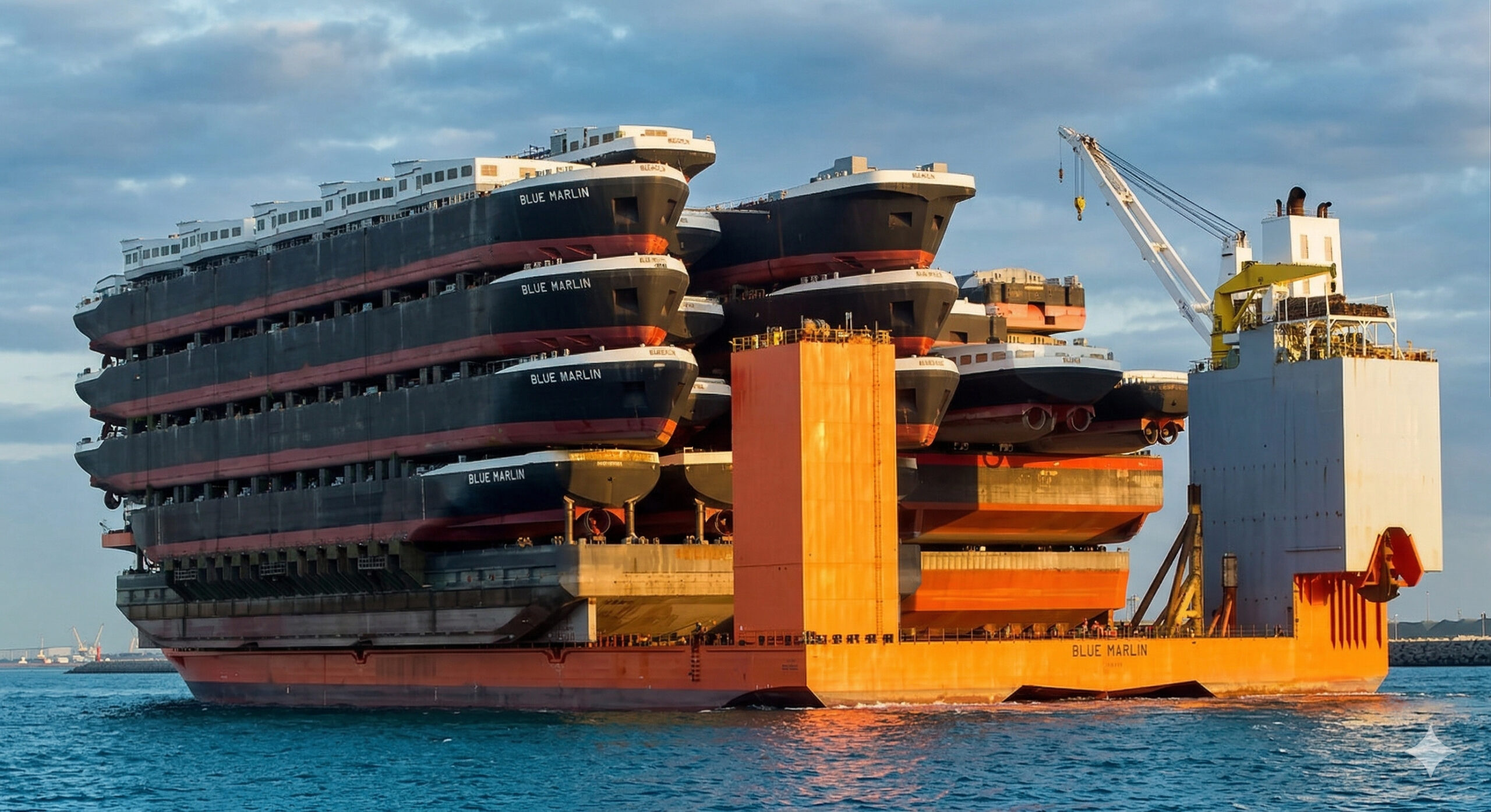
With a length of 225 meters and a capacity of 76 thousand tons, this ship “sinks” its own deck down to 28 meters deep to accommodate war destroyers, oil platforms, and giant radars floating above, and then emerges with everything intact on top like a colossal tray crossing oceans.
-
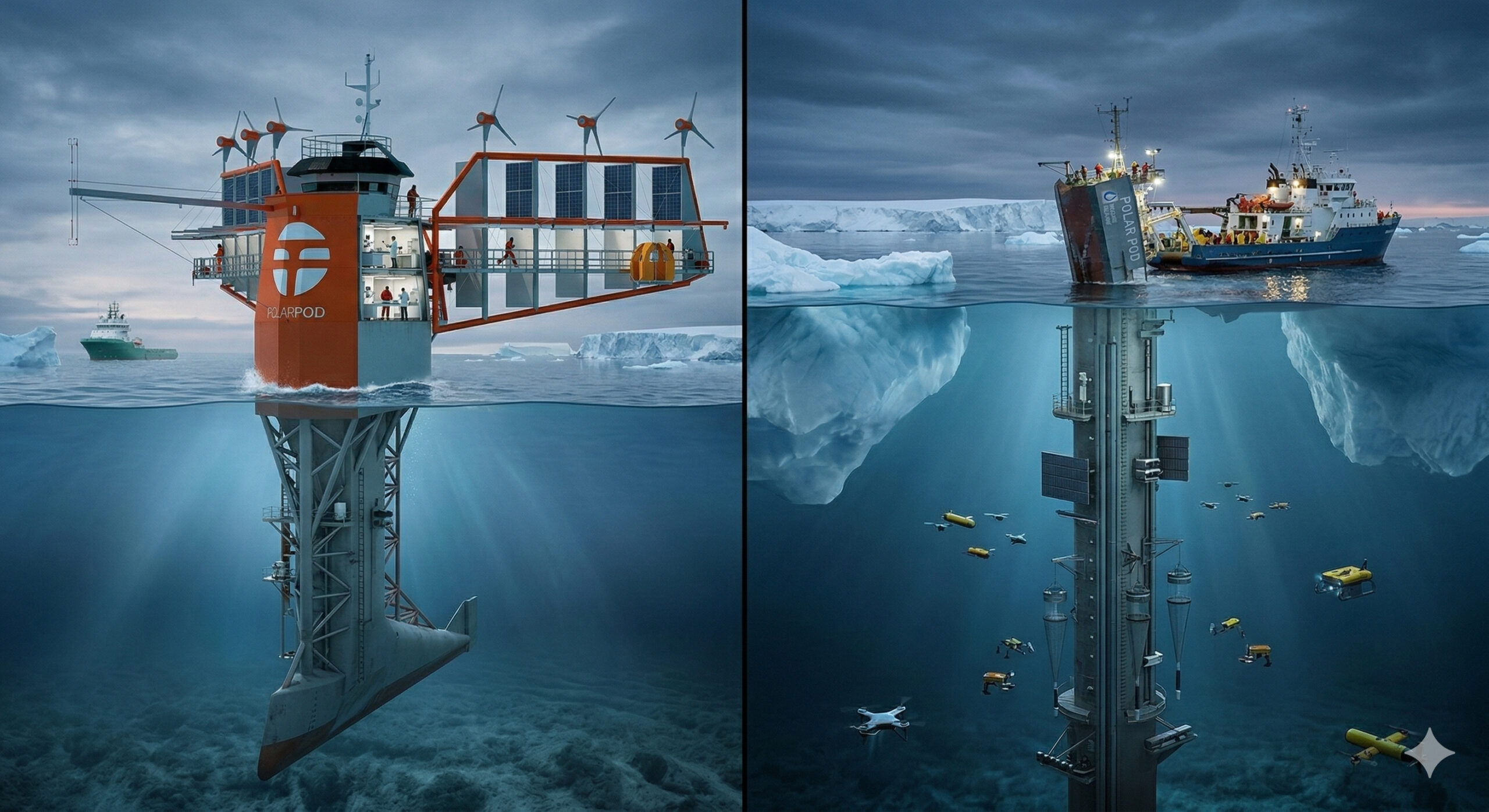
A 100-meter platform without a motor, without a keel, and operating upside down rotates 90 degrees in the ocean, sinks 75 meters, and drifts around Antarctica for two years driven by the planet’s most powerful current to study the largest carbon sink on Earth, still poorly understood by science for accurate climate modeling.
-
With a length of 108 meters and a giant spoon shape, the FLIP was the only ship in the world capable of rotating 90 degrees in the ocean and remaining vertical, with 91 meters submerged, operating for 60 years until it was retired and sent to the scrapyard in 2023.


Investments In Brazilian Shipyards
According To Pedro Cavalcanti, A Professor At The Graduate School Of Economics (EPGE) Of The Getúlio Vargas Foundation (FGV), There Is No Sense In Resuming The Incentive Policy With A Fixed Minimum Of 70% Local Content, Since, In His View, The Policy Only Established Quantities, Without Productivity Goals, Delaying Innovation.
Starting From The Administration Of Former President Michel Temer, The Minimum Percentage Of National Content For Shipyards Was Set Between 18% And 50% And Is Firmed In Bids By The National Petroleum Agency (ANP).
For The General Coordinator Of The Unified Federation Of Oil Workers (FUP), David Bacelar, The Contracting By Petrobras For The Construction Of 14 Ship Platforms In Asia Represents The “Exportation” Of 1.5 Million Jobs. Currently, Petrobras Has Held An International Tender To Build Two Oil Platforms: The P-80 And The P-82, Which Was Won By The Singaporean Keppel Shipyard.
The Business Plan Of Petrobras For The Period Corresponding To 2022-2026 Indicates That 12 Platform Ships Are Under Construction And There Is One Unit In The Bidding Phase. Although It Is Labor-Intensive, The Offshore Sector Depends On Qualified Professionals Capable Of Ensuring High Productivity. This Was Another Of The Problems Faced By The New Shipyards In The 2000s. At The Peak Of The Sector In 2014, Over 82 Thousand Jobs Were Created.








Seja o primeiro a reagir!