





 English
  Francês
  Alemão
  Italiano
  Japonês
  Norueguês
  Portuguese
  Spanish
  3 min of reading


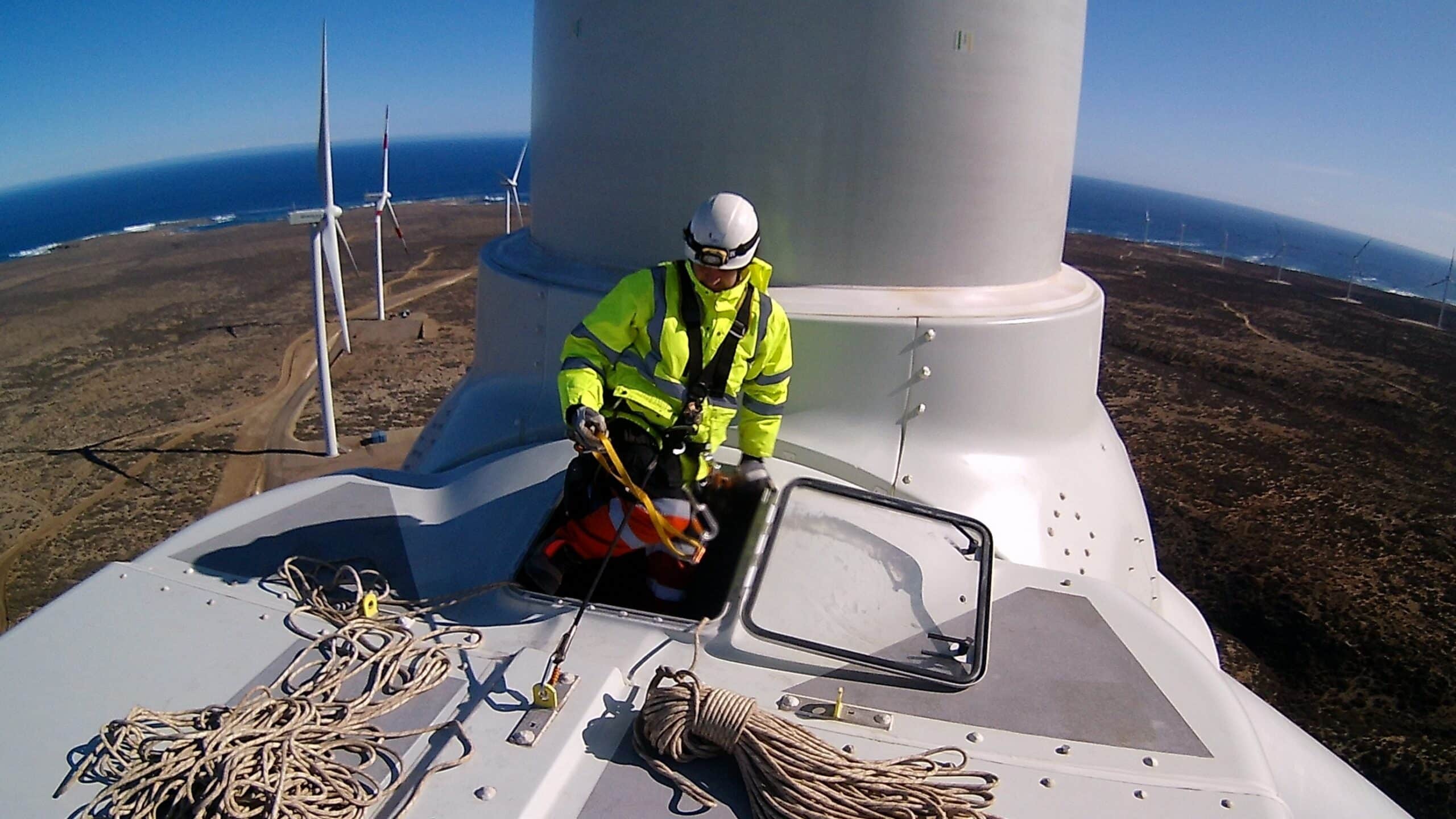
The Obvious Solution To Rising Costs Is To Charge More From Customers, But This Will Impact And Increase The Cost Of Electricity.
The global giants manufacturing wind turbines, Vestas Wind Systems and Siemens Gamesa Renewable Energy, seem to be better at making wind turbines than making money, despite the high demand for their products. The reduction in operational margins means that both companies, which have € 80 billion in orders, have no choice but to charge more from customers. This marks the end of the long-term trend of falling wind energy prices.
Read Also
- Three Giant Wind Turbine Blades, 61 Meters Long And Weighing 126 Tons, Fell From The Ship While Undergoing Scheduled Maintenance
- With The Price Of A Cell Phone, You Can Have Your Mini Wind Turbine For R$ 2,500 And Generate Energy At Home With A Performance Comparable To Large Wind Farms
- The Largest Wind Turbine In The World Will Be Chinese: Wind Generators That China Plans To Use In The Construction Of Its Most Ambitious Wind Farm Are More Powerful Than The Haliade-X From General Electric
- The Largest And Most Powerful Wind Turbine On The Planet, The Haliade-X Built By General Electric, Breaks The World Production Record, Reaching 14 MW As Only A Prototype!
Vestas And Siemens Gamesa Are Part Of The Handful Of Companies That Dominate The Global Wind Turbine Market
The Danish company and its Spanish-German rival are part of the handful of companies that dominate the global wind turbine market. The others are American General Electric and the Chinese duo Envision Energy and Xinjiang Goldwind Science & Technology. It’s a nice place to be, given the vital role of wind in reducing dependence on fossil fuels.
To limit global warming to 1.5 degrees Celsius, the International Energy Agency estimates that annual new wind capacity will need to rise from 114 gigawatts last year to 350 gigawatts by 2050, when renewables will provide nearly 90% of the world’s energy.
-
With 160,000 m² of collectors, an area larger than 20 football fields, Silkeborg, in Denmark, hosts a solar thermal plant that heats 19,500 homes and could become the largest solar heating plant in the world.

-
A study reveals the expansion of renewable energy procurement in Brazil and shows how companies are taking advantage of opportunities to reduce expenses, ensure energy efficiency, and strengthen strategic environmental commitments.

-
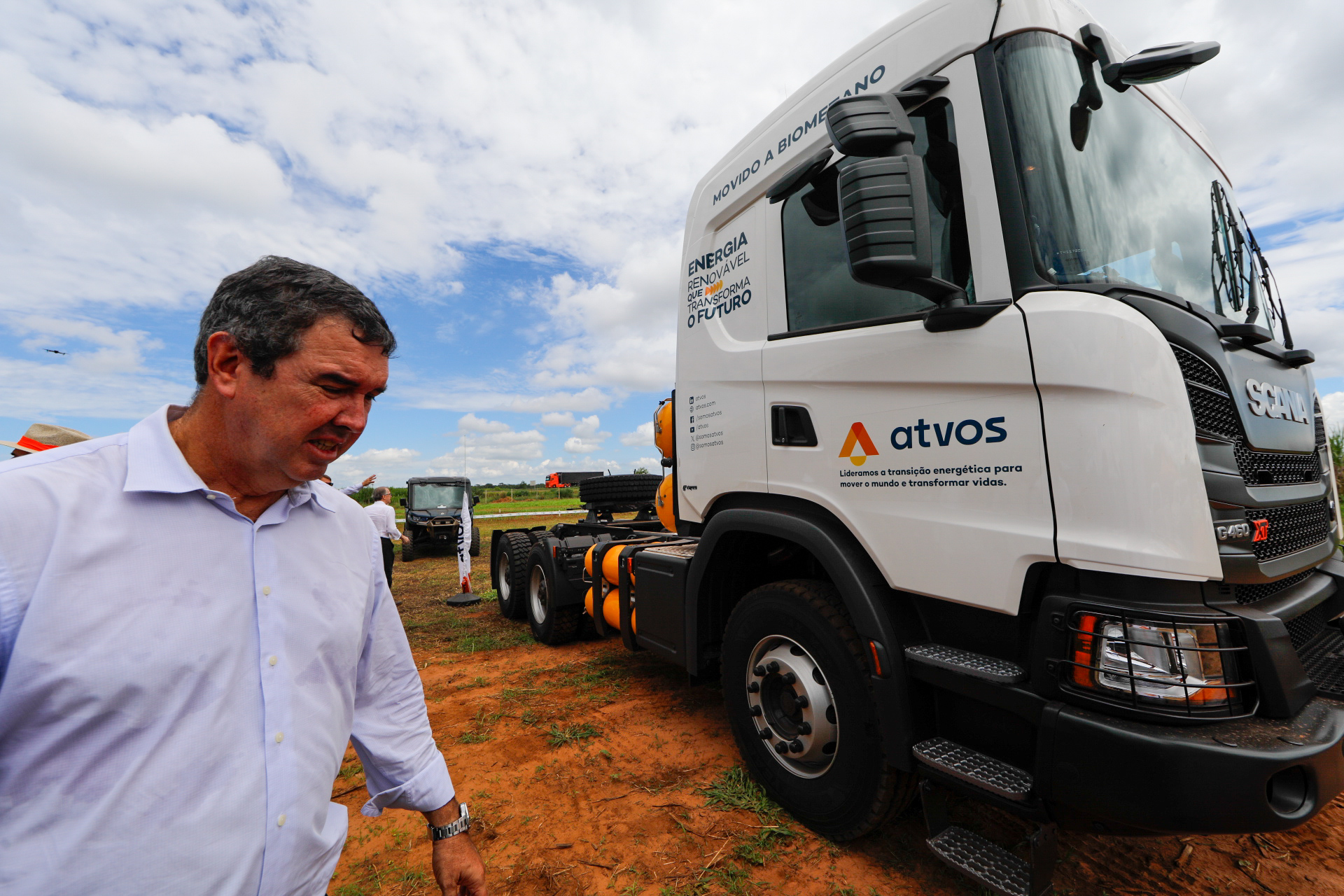
Mato Grosso do Sul excels in the sugar-energy sector: the state reaches a milestone of 22 operating mills and accelerates the production of clean energy in MS with a focus on sustainability.
-
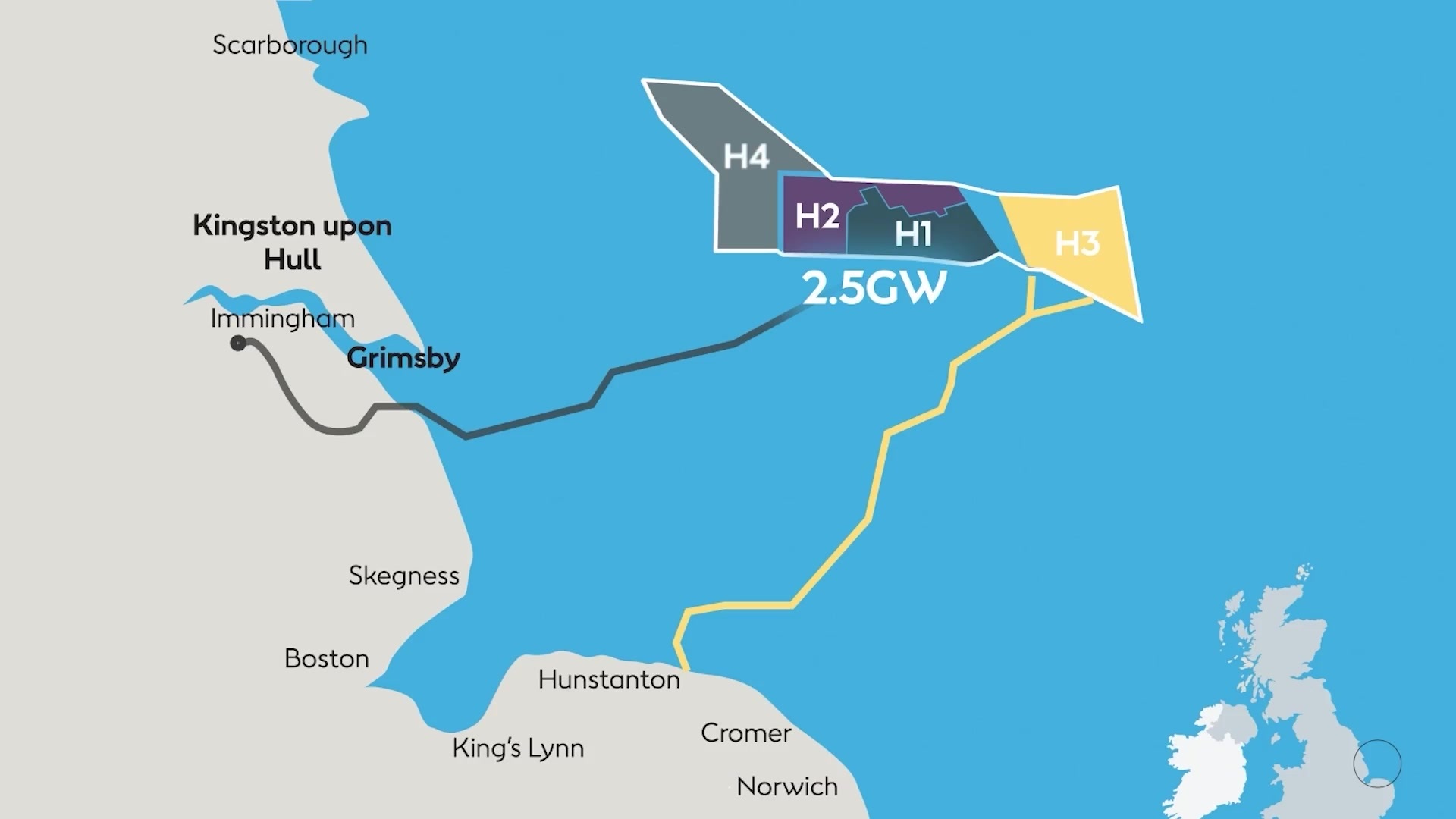
231 turbines of 260 meters at 160 km from the coast, monopiles weighing as much as nine blue whales embedded in the North Sea, and a crane ship taller than the Eiffel Tower: Hornsea 3 will be the largest offshore wind farm on the planet by 2027, and its first components have already arrived in England.

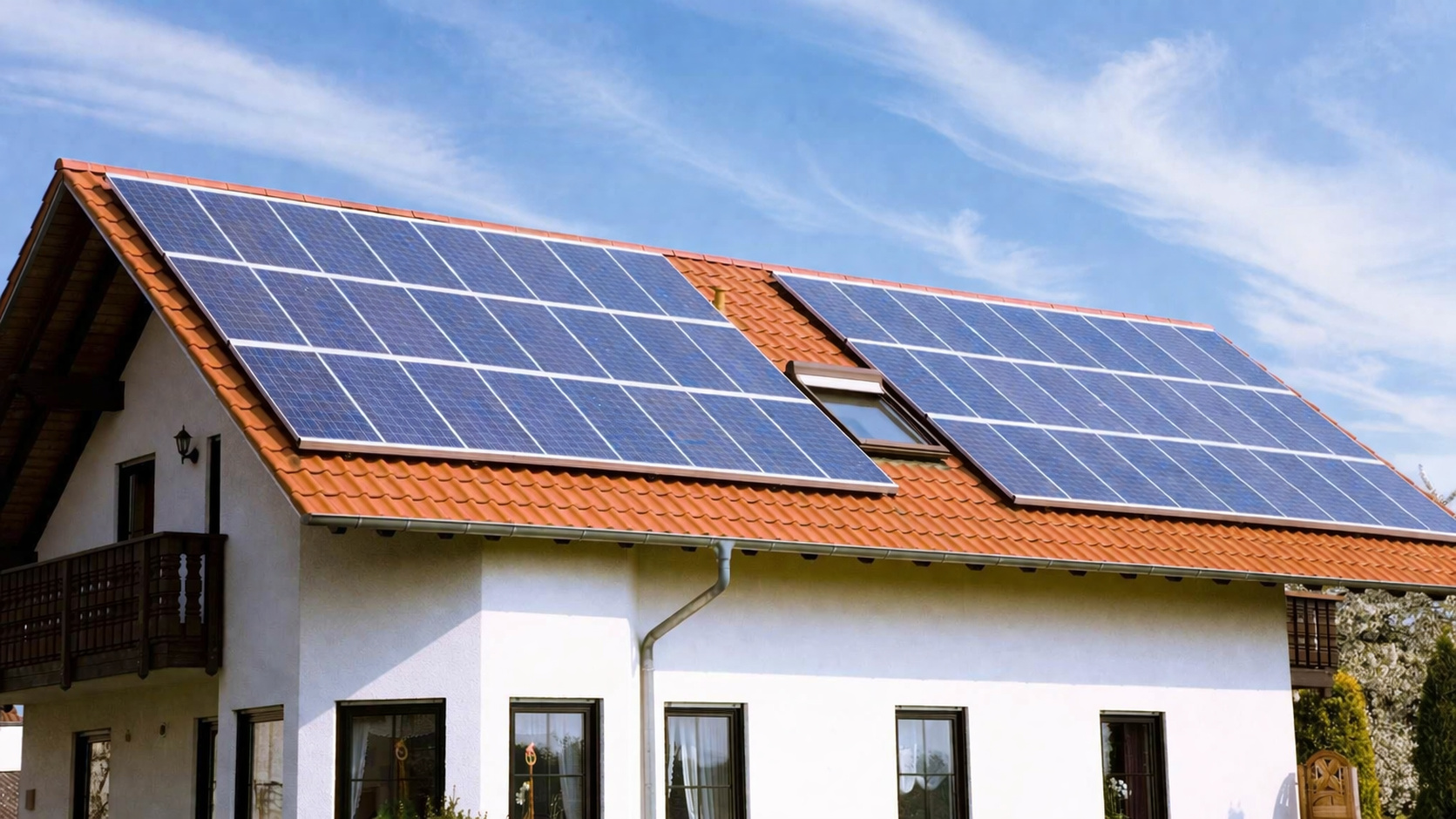
The generous support from governments made the sector competitive in its early years. Technological advances and economies of scale – the latest wind turbines are nearly as tall as the Eiffel Tower – have rendered these subsidies obsolete. Lazard estimates that the total cost of wind energy has fallen by 72% over the past 12 years, to an average of US $ 38 per megawatt hour. This is about three-quarters the cost of gas energy in the United States.
Price Drops Impact Wind Turbine Manufacturers’ Revenue
The drastic drop in prices has been great news for the climate and taxpayers. It hasn’t been so good for turbine manufacturers, who are facing reduced subsidies while maturing technologies limit their capacity to deliver larger and better turbines for less money.
Vestas’ operational margin fell from 14% to 5% in the past five years, against a long-term target of 10%. When you add the rising cost of everything from steel or fiberglass resin to transportation, wind turbine manufacturers are about to sail against the wind. Siemens Gamesa, for example, is likely to generate operating losses this year.
The obvious solution is to charge more to customers. The sector has high barriers to entry for new players: manufacturing a 90-meter turbine blade is difficult. Therefore, the market weight of traditional operators should allow them to pass on the increased costs. But these price increases are trivial compared to electricity costs. The trend of increasingly cheaper wind energy may have been exhausted.
With The Price Of A Cell Phone, You Can Have Your Mini Wind Turbine For R$ 2,500 And Generate Energy At Home With Performance Comparable To Large Wind Farms
The average energy consumption in a Brazilian household is R$ 487.22 per month. A mini wind turbine project promises to reduce this bill to as low as R$ 163.06! The constant increases in electricity bills have kept families awake at night, unsure of what to do to save. On the other hand, accessible and low-cost technological solutions available online have allowed the installation of mini wind turbines in homes, resulting in good savings in projects that pay for themselves in a short time. See below how to acquire yours! Watch The Video Below And See How To Install Your Mini Wind Turbine.






Seja o primeiro a reagir!