





 Portuguese
  English
  Spanish
  3 min of reading
  0 comments


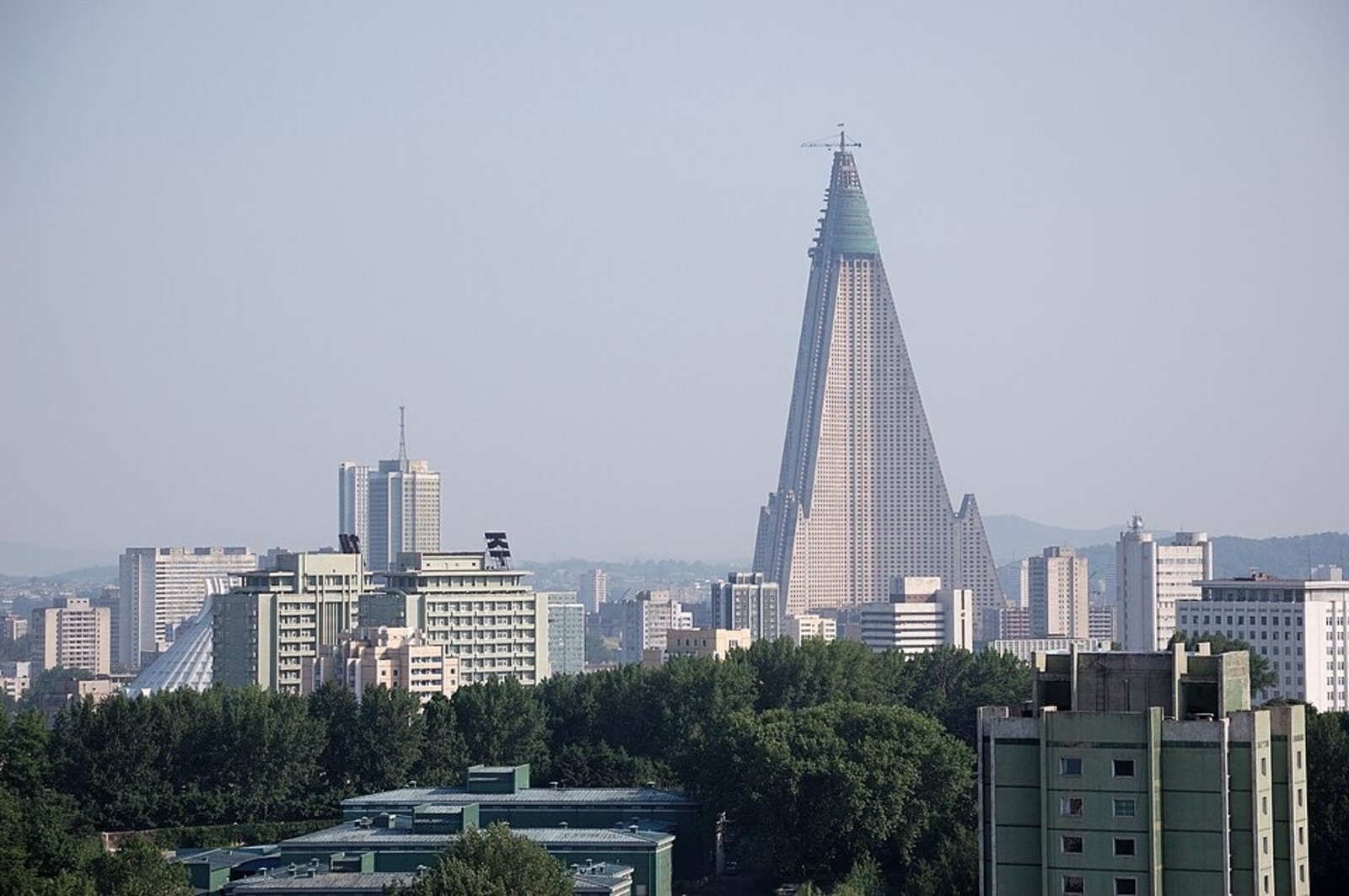
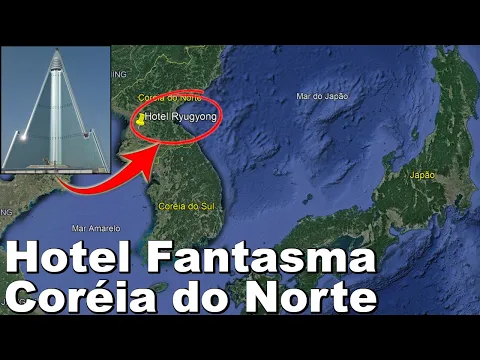
At 330 Meters Tall and Pyramid-Shaped, the Ryugyong Hotel Dominates the Pyongyang Skyline as a Monumental Landmark of Ambition and Mystery, Remaining Inoperative for Nearly Four Decades Since the Start of Construction
Amid the urban landscape of Pyongyang, the capital of North Korea, stands a structure that defies time and the very logic of engineering. At 330 meters tall and pyramid-shaped, the Ryugyong Hotel dominates the skyline as a symbol of national ambition and the political contradictions of the country.
The story of this monumental construction began in 1987 and has since traversed decades of promises, interruptions, and mysteries. Nearly forty years later, the building remains unfulfilled in its original function: to house guests.

The Beginning of an Ambitious Dream
The project was born with grand intentions. The North Korean government planned to erect the “tallest hotel in the world,” a monument of modernity during the Cold War.
-
He started running at 66 years old, broke records at 82, and is now a subject of study for having a metabolic age comparable to that of a 20-year-old, in a case that is intriguing scientists and inspiring the world.

-
Oldest tree on the planet reappears after 130 years of searches: Wattieza, 385 million years old, was 10 meters tall and had no leaves or seeds; Gilboa fossils in New York solved the mystery in 2007.

-
A 48-square-meter house assembled in hours with 4,000 bricks made of recycled plastic that does not absorb moisture, has natural thermal insulation, and costs less than 90,000 reais in a complete kit.

-
Luciano Hang revealed that Havan’s air fleet has already accumulated more than 20,000 landings, 10,000 flight hours, and 6 million kilometers traveled, and he says that without the planes, the company would never have grown so quickly.


The Ryugyong would have 105 floors, over 3,000 rooms — some versions mention up to 7,665 — and five revolving restaurants at the top, offering a panoramic view of all of Pyongyang.
Construction began on August 28, 1987. The initial pace was intense, and by 1992, the structure had already reached its maximum height.
However, the concrete skeleton remained without windows, finishing, or any sign of operation.
It is estimated that the initial cost reached US$ 750 million, an amount that represented about 2% of North Korea’s GDP at the time. This figure illustrates the size of the investment and the symbolic weight of the endeavor.
The Halt and the “Hotel of Doom”
With the collapse of the Soviet Union in 1991, North Korea plunged into a serious economic crisis.
The project was interrupted in 1992, and what remained was a giant concrete structure abandoned for over 16 years.
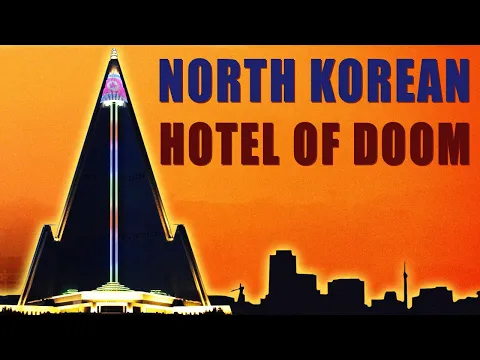
The incomplete structure dominated the Pyongyang sky, fueling rumors and nicknames. The international press began to call it the “Hotel of Doom,” portraying it as a monument to the country’s stagnation.
In 2008, the Egyptian Orascom Group partially resumed construction, financing the glass and metal cladding that gave new life to the facade.
By 2011, the exterior was completed, but the interior remained practically unfinished. Recent reports confirm that, until 2025, the building will remain unfit for full operation.
Modernizations and Promises
In recent years, the North Korean government announced plans to revitalize the project. In 2024, information emerged that authorities were seeking foreign investors to install a casino inside the building, as an attempt to finally complete it.
Despite this, no official confirmation of hotel operations has been disclosed. To date, the Ryugyong has never received guests.
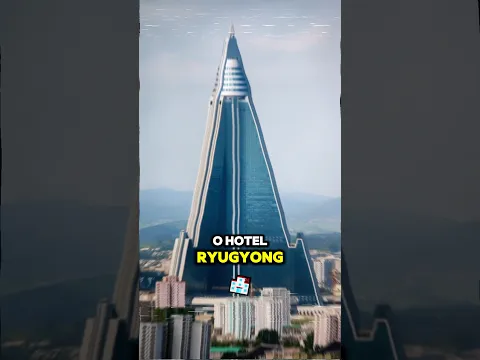
The building, however, gained a new symbolic function: a massive LED screen was installed on one of its sides, displaying regime propaganda and animations.
At night, the light show transforms the glass pyramid into a technological showcase in the heart of Pyongyang.
Why Does It Still Not Function as a Hotel?
Several factors explain the delay. The structure was made almost entirely of concrete, with minimal use of steel, making the installation of electrical, plumbing, and ventilation systems more complex.
Foreign companies that negotiated partnerships, such as the Kempinski Hotels & Resorts chain, abandoned the project in 2013, citing unfeasible market conditions.
Additionally, international sanctions and economic isolation hindered the import of necessary materials and technologies for finishing.
The lack of transparency also obstructs estimating the total cost or predicting a real completion date.

An Icon Between Ambition and Reality
More than just a building, the Ryugyong is a symbol of North Korea itself. Its imposing presence on the skyline reflects the regime’s quest for recognition and power, but also highlights the economic and technological limitations of the country.
For scholars and enthusiasts of megastructures, the hotel represents one of the most emblematic cases of halted construction.
It is a portrait of a dream that stands tall but remains empty, nearly four decades after construction began.
The Ryugyong Hotel continues to be a mix of promise and memory — a monument to human ambition and the barriers that time insists on not breaking.
With information from Toptenz.








-

-

-

-

-

-

16 pessoas reagiram a isso.