





 Portuguese
  English
  Spanish
  4 min of reading
  2 comments


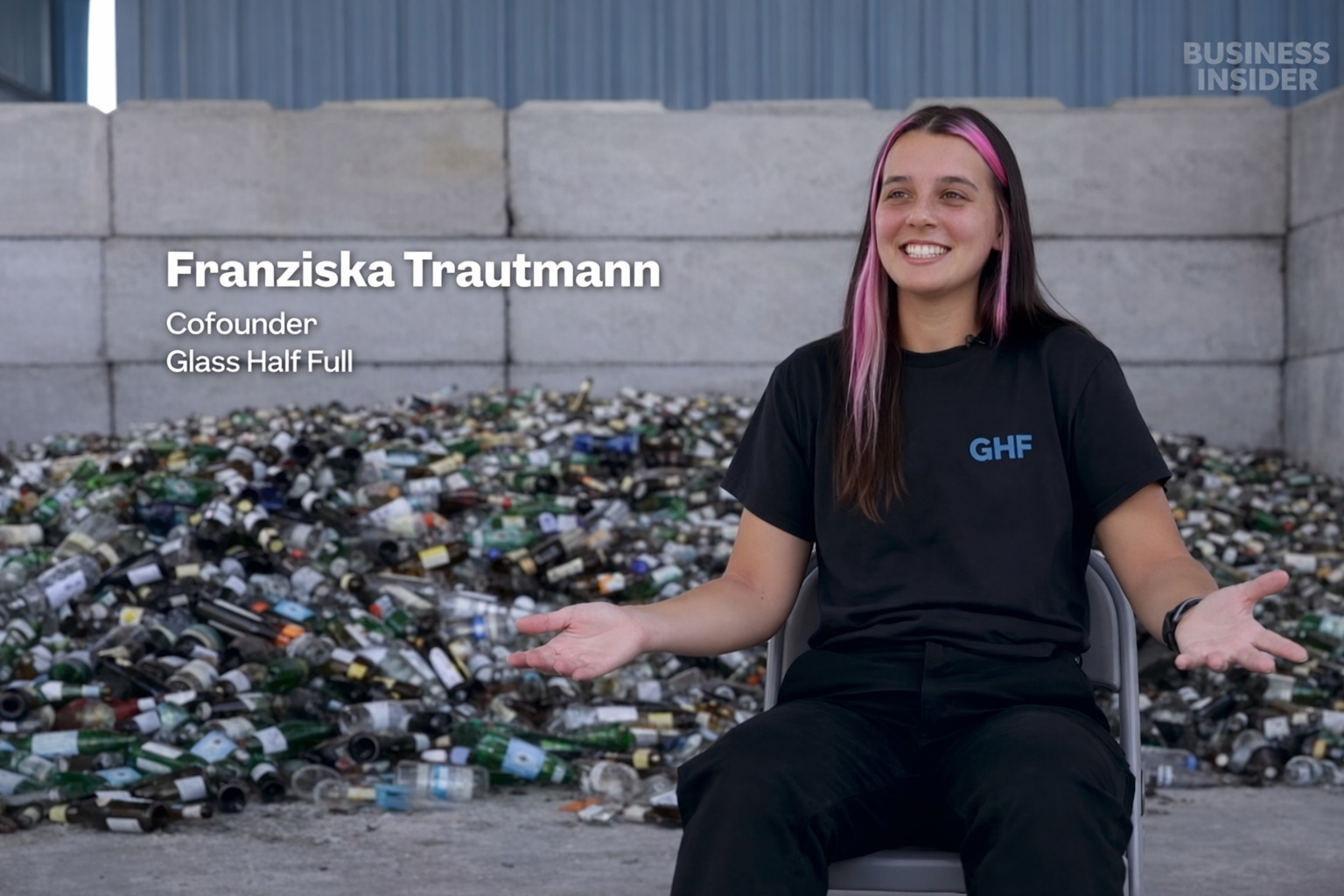


From A Backyard In 2020 To A 3-Acre Plant Near New Orleans, Glass Half Full Recycles Glass, Produces Sustainable Sand, And Helps To Rebuild Over 2,000 Square Miles Of Coast Lost Since 1932
Until a few years ago, Louisiana simply did not recycle glass. Bottles and jars went straight to landfills, even though glass is one of the most recyclable materials in the world. Faced with this scenario, Franciscoca “Fran” Troutman decided to question the obvious: why was there no glass recycling in the state?
This information was reported by “Business Insider” and details how, starting from a backyard in 2020, Fran co-founded Glass Half Full and built what has now become the largest glass recycler in Louisiana. Currently, the company is able to process nearly all the glass that would have gone to local landfills.
Why The U.S. Recycles Only 31% Of Glass While Europe Exceeds 90%
Although glass can be recycled endlessly, the United States recycles only about 31% of the material. In contrast, states with deposit programs, which pay for bottle returns, achieve rates close to 63%. Additionally, countries like Belgium, Slovenia, and Switzerland exceed 90% recycling rates.
-
Embrapa’s discovery reveals an unexpected advancement by allowing the production of seedlings from the caatinga using brackish water, opening a new frontier for farmers to face drought more efficiently.
-
6 sources of free fertilizer that you are throwing away every day and can transform your garden without spending anything.
-
With a water crisis on the radar, Sabesp invests in reclaimed water for data centers and transforms sewage treatment into a solution that saves millions of liters and protects public supply.

-
Foresea achieves 100% offshore waste reuse in 2025, eliminates landfill disposal, and consolidates sustainable strategy with 1,500 tons recycled.

This difference occurs mainly due to collection and logistics costs. While about 80% of Americans have access to curbside collection, not all programs accept glass. Because the material is heavy and expensive to transport, many municipalities simply do not offer the service.
It was precisely in this gap that Glass Half Full found its opportunity.
From A Small Shed To A Plant Three Times Bigger
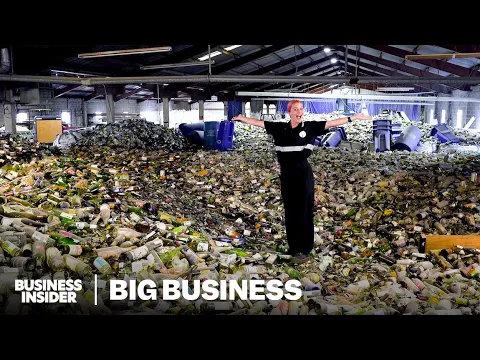

The current plant occupies 3 acres and is located in the outskirts of New Orleans. The space is more than three times larger than the former facility visited in 2022. Today, the team processes the former “mountain of glass” in less than a day.
About nine trucks arrive at the site each business day, bringing glass from residences and businesses located up to 140 miles away. The material enters a hopper, is crushed, and follows along conveyors where employees remove impurities like scissors, tweezers, and even curious objects left over from parties.
Next, optical classifiers with high-speed cameras sort the glass by color and eliminate contaminants like pieces of labels.
The crushed glass, known as cullet, is reduced to pieces approximately 2 inches in size. The clear glass, called flint, undergoes dual screening to achieve near-total purity.
Smaller particles go to a grinder, which turns them into fine sand. This byproduct, called fines, works together with the cullet in the production process.
From The Track To The Oven At 2,800 °C: How 2 Million Bottles Are Made Each Day

After accumulating enough volume to fill a railcar, the cullet goes to Oklahoma. The partner is Anchor Glass Container, a manufacturer that produces hundreds of thousands of pounds of recycled glass daily.
Inside the factory, an oven at 2,800 °C melts the material and forms “gobs,” small masses of glowing glass cut automatically to exact weight. Some machines produce between 300 and 400 bottles per minute, while the entire plant makes around 2 million containers per day.
The bottles use approximately 20% cullet and 80% new raw materials. Still, recycled glass significantly reduces energy consumption, as it melts more quickly than 100% virgin material.
The factory operates 24 hours a day, 7 days a week, for years on end, only stopping when the brick walls of the furnace wear out — which happens, on average, every 15 years.
Half A Million Pounds Of Glass Only In 2024

The historic Hotel Monteleone, famous for its Carousel Bar in operation since 1949, has become one of the largest suppliers for Glass Half Full. Only in 2024, the hotel has diverted nearly half a million pounds of glass for recycling.
Before the partnership, all the material went to landfills. Now, collection occurs three times a week, in blue containers that accumulate about two bins per day.
Recycling That Becomes Coastal Protection
In addition to traditional recycling, the company uses glass sand to restore threatened coastal areas. Researchers estimate that Louisiana has lost more than 2,000 square miles of coastal land since 1932.
Among the causes are engineering decisions made over 100 years ago. Channels for oil and gas exploration brought in saltwater that destroyed freshwater ecosystems. Additionally, levees and dams prevent the natural sediment flow that replenishes the soil.
With support from the National Science Foundation, the team created two small islands in the bayou next to the industrial plant. Circular walls made of burlap and untreated wood receive a mixture of recycled sand and sediments from the Mississippi River.
Native species such as bulrush, maiden cane, willows, cypress, and, in the future, tupelos are then planted. A few months later, cameras recorded alligators, otters, and various birds using the new habitat.
In 2022, the company also participated in the restoration of the Big Branch refuge, devastated by Hurricane Katrina in 2005. Biodegradable bags containing 35 pounds of recycled sand were stacked and planted with bulrush sprouts. More than three years later, satellite images show that the area continues to grow.
A Model That Grows Beyond Recycling
Since 2020, the challenge has always been an excess of glass. However, with the new plant, capacity has been deliberately increased. Currently, the facility operates only 2 or 3 days a week, leaving room for future expansion.
Thus, Glass Half Full not only reduces waste but also helps to rebuild ecosystems. While the team acknowledges that its work will not solve the state’s land loss problem on its own, it positions itself as part of a larger solution.
And, as recycled bottles return to the shelves of New Orleans, some of the glass may simultaneously be helping to protect communities from erosion and flooding.
Do you believe that Brazil could transform urban waste into large-scale environmental restoration projects?









Se tivesse um governo menos ****, com certeza , mais as impunidades contra a corrupção está em declínio exagerado , sem precedentes .
Bom dia , claro que sim , pegando este exemplo , já se tem mais da metade do projeto pronto , só invistir e tocar