





 Portuguese
  English
  Spanish
  3 min of reading
  0 comments



Study reveals that the retreat of glaciers may expose an area the size of Pennsylvania and free up access to gold and platinum deposits, forcing countries to discuss who rules the frozen continent.
The phenomenon of global warming could expose an area of land free of ice equivalent to the size of Pennsylvania in Antarctica by the year 2300, profoundly altering the geography and geopolitics of the continent.
A new study published in the journal Nature Climate Change indicates that melting ice, rising sea levels, and land recovery will drastically transform resource availability in the region. The analysis is pioneering in incorporating glacial isostatic adjustment, which explains how the ground beneath thick layers of ice rises after the retreat of the frozen cover.
The process of emergence of new lands
The landscape beneath the Antarctic ice sheet is composed of mountains, valleys, canyons, and volcanoes that are beginning to be revealed as the climate warms. Previous projections of the emergence of ice-free land focused only on the displacement of margins and the spatial extent of the cover.
-
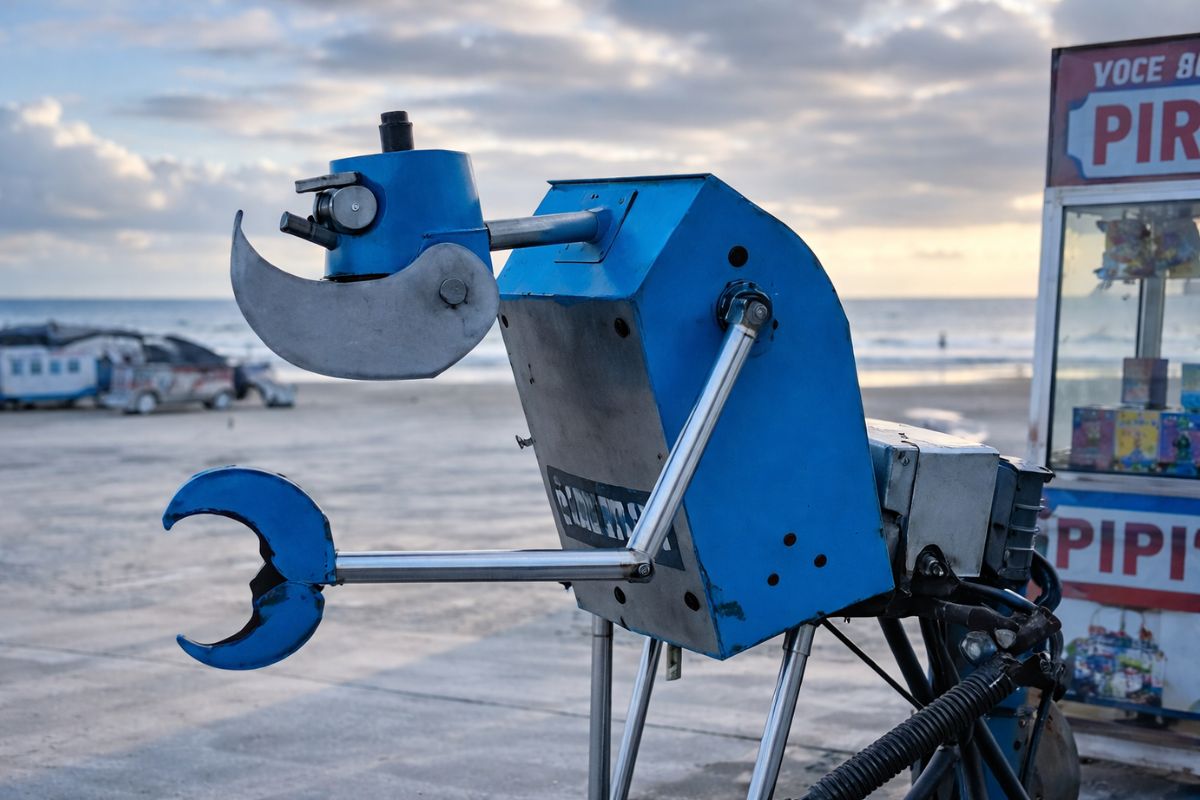
A street vendor from Praia Grande built a robot made of scrap from scooters and washing machines that pulls his popcorn cart on the beach, emits sounds, and interacts with customers, becoming an attraction on the coast of São Paulo.
-
The specifications of the Xiaomi 18 Pro Max have been leaked, and the highlight is a dual 200 MP camera with a new 22-nanometer technology that promises to consume less energy and capture details in shadows and bright areas using LOFIC HDR.

-
If the trip to the Moon were a hoax, it would be necessary to keep the secret among 400,000 people for more than 50 years and to deceive even the Soviet Union, which was tracking the radio signals coming from the exact direction of the satellite during each Apollo mission.

-
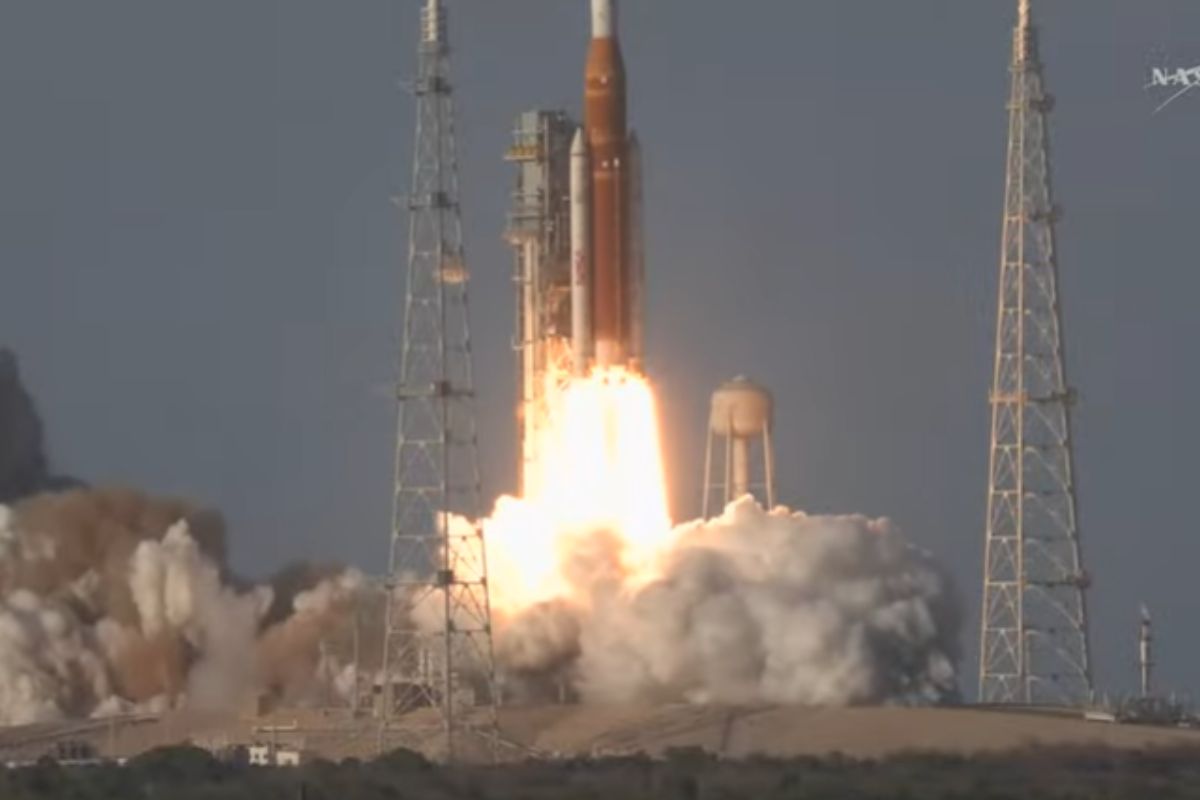
Artemis 2 launches at 7:35 PM with four astronauts and ends a 50-year fast in lunar orbit: the SLS rocket departs from Florida, the mission lasts 10 days, circles the far side, and tests Orion in a free-return trajectory.

The new model developed by geophysicist Erica Lucas from the University of California included variables such as the thickness of the lithosphere and the effect of the absence of gravitational attraction from the ice on ground elevation.
Under different melting scenarios caused by global warming, estimates of emerged land by the year 2300 vary considerably.
Under low melting conditions, the projection is for 149 square kilometers, while a medium scenario points to 36,381 square kilometers. In a high melting context, the uncovered area could reach 120,610 square kilometers of new land surface.
Mineral resources under retreating ice
The emergence of new areas sparks interest from countries due to the potential for valuable mineral resources located in these zones. In regions expected to be ice-free by 2300, there are known or suspected deposits of gold, silver, copper, iron, and platinum. These elements are considered valuable metals and essential minerals for global industrial activity.
The majority of the land emergence is expected to occur in territories claimed by Argentina, Chile, and the United Kingdom. These specific areas contain a variety of mineral deposits, which could intensify the focus on the continent’s economic potential.
Currently, the Antarctic Treaty restricts the exploration of these resources exclusively for scientific research purposes, prohibiting commercial extraction.
Impacts on governance and international treaties
The territorial transformations caused by global warming may pressure the legal framework governing the Antarctic region.
If mineral extraction becomes more accessible due to the retreat of ice, countries with territorial claims would have incentives to renegotiate the existing terms. The first opportunity for reviewing the environmental protocol of the Antarctic Treaty is expected to occur in 2048.
Although the emergence of ice-free lands creates new possibilities, international law experts warn that the continent will remain a challenging environment for mining.
The transformation of the Antarctic environment by global warming may also generate an opposite effect, stimulating greater international cooperation. The focus of future discussions may shift towards strengthening the environmental protection goals outlined in international agreements.
With information from: zmescience







Seja o primeiro a reagir!