





 Portuguese
  English
  Spanish
  4 min of reading
  0 comments


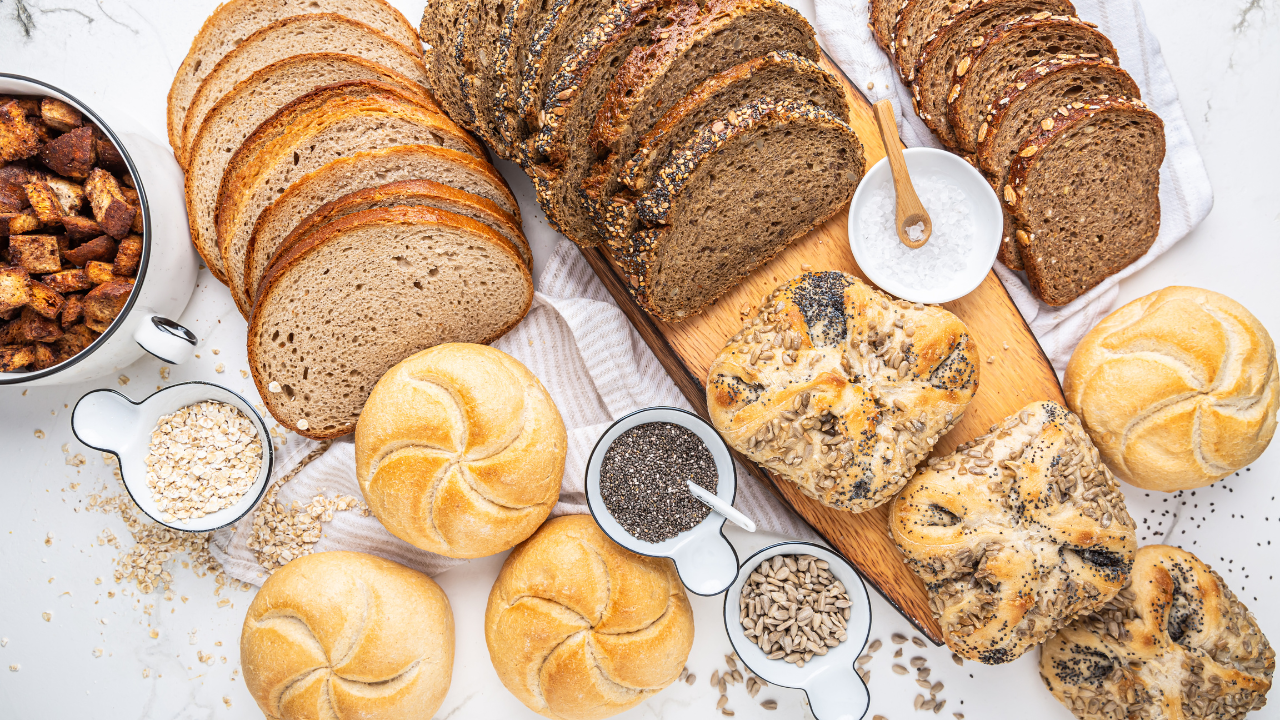
Discover What Happens to the Body When You Stop Consuming Gluten. Understand the Benefits and Risks of Cutting Wheat from Your Diet!
In recent years, the gluten-free diet has become one of the major food trends, adopted by many people seeking to improve their health and quality of life. Gluten, a protein found in wheat, barley, and rye, is often associated with various health issues, leading to an increase in gluten-free products and diets.
But is this exclusion necessary for everyone? Let’s explore what science says about the benefits and risks of cutting wheat from the diet.
What is Gluten and How Does It Affect the Body?
Gluten is a protein found in certain grains, such as wheat, and is responsible for providing elasticity and structure to foods like bread, pasta, and cakes.
-
Researchers in the U.S. have created a flying robot that transforms into a land vehicle while still in the air. The technology, based on aerodynamic transition, converts landing into a scene worthy of Transformers and redefines mobility between sky and ground.

-
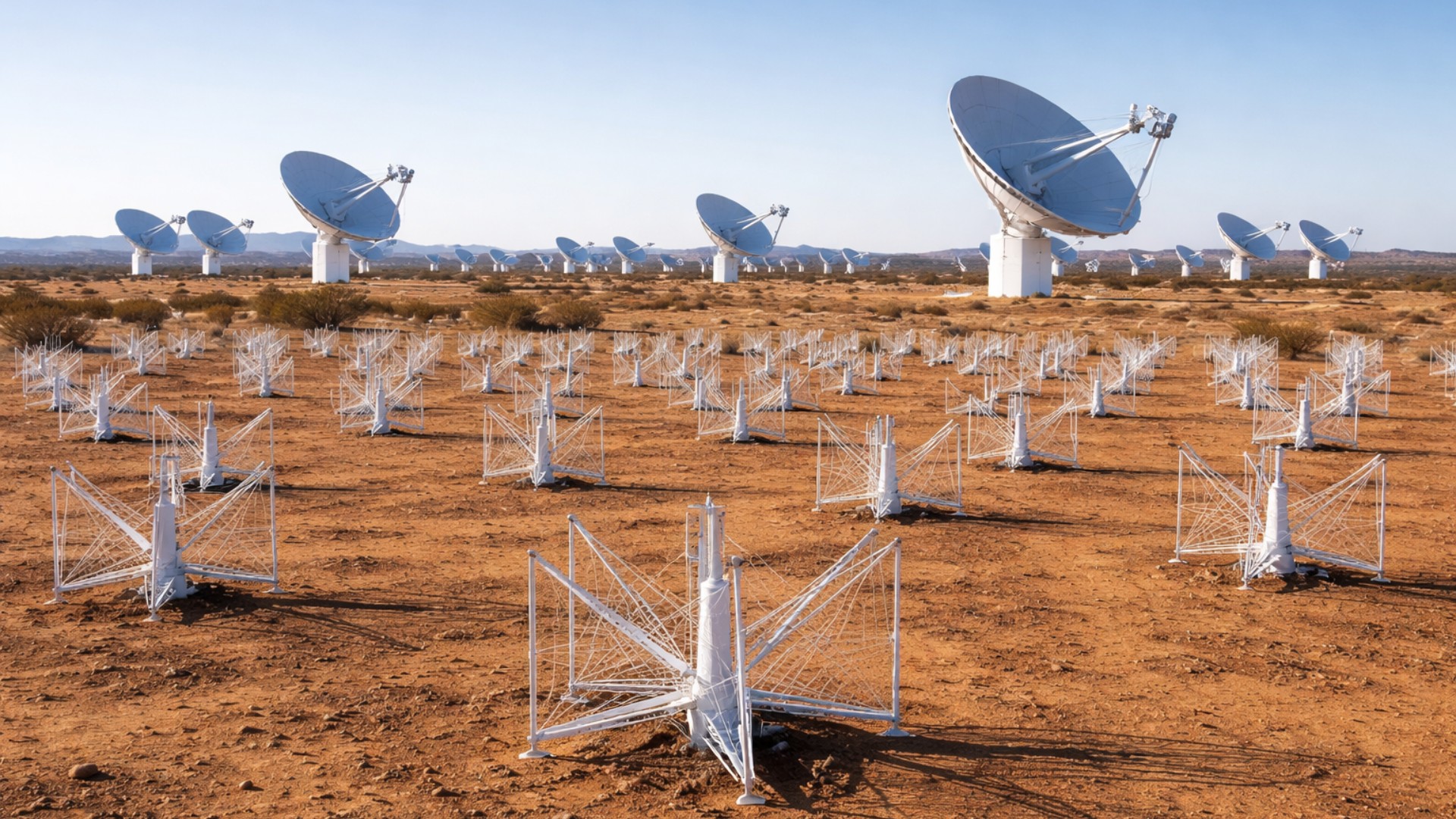
Spread across two continents, with 197 parabolic antennas in South Africa, 131,000 2-meter antennas in Australia, and a range of up to 150 km, the SKA begins to “listen” to the Universe on an unprecedented scale and accelerates the search for black holes, primitive galaxies, and nearly invisible radio signals.
-
Goodbye batteries: a new sensor created by Japanese scientists uses sweat as an energy source and points to a promising path for more sustainable devices, with greater autonomy and less need for frequent recharging.

-
The Brazilian Army inaugurated the assembly line for the Guaicurus armored vehicle with a contract for 420 units by 2033, and the same vehicle has already been tested in combat in Afghanistan and Lebanon by European armies.


For most people, it poses no danger and can be consumed without issues. “Wheat is an excellent source of nutrients, such as fiber, protein, iron, and vitamins,” explains nutritionist Melinda Dennis, nutrition coordinator at the Celiac Center in Boston.
However, some health conditions require gluten to be excluded from the diet. Celiac disease, an autoimmune disorder, is one of the main conditions where individuals need to avoid it, as the ingestion of the protein causes damage to the small intestine.
Additionally, there is gluten sensitivity, which causes digestive discomfort in some individuals but without the intestinal damage seen in celiac disease. For these cases, a gluten-free diet is essential.
Why Has Gluten Become So Rejected?
In recent years, gluten-free eating has become a real craze, especially among those who have no diagnosis of celiac disease or gluten sensitivity.
With the growing adherence to the diet, the global market for gluten-free products is expanding, projected to reach billions of dollars by 2032.
However, is a gluten-free diet really beneficial for everyone?
Many people have embraced this way of eating believing it leads to improved overall health, but the truth is that for most of the population, there is no scientific evidence supporting these benefits.
Nutritionist Janelle Smith, a specialist in digestive diseases, points out that gluten exclusion, in many situations, is merely a response to food marketing.
“Gluten-free” has become a label associated with “healthier” products, though this is not always true. In reality, many gluten-free products are more processed and less nutritious than their traditional versions.
Moreover, the media plays an important role in popularizing this diet, often exaggerating the supposed benefits of cutting it from the diet.
However, scientific research has shown that this diet does not have a positive impact on conditions such as rheumatoid arthritis, autoimmune diseases, or even athletic performance, as suggested by some advertising campaigns.
What Happens When You Stop Eating Gluten?
Although a gluten-free diet is essential for those suffering from conditions like celiac disease, it may not provide significant benefits for most people.
In fact, eliminating gluten without necessity can harm health in various ways. Many gluten-free foods contain less fiber, less protein, and more fat than their wheat-containing counterparts.
“By cutting wheat, you might be missing out on important nutrients for the body,” warns Melinda Dennis. Additionally, these products tend to be higher in calories and sugars, which could lead to weight gain.
A 2021 study showed that gluten-free foods often contain more saturated fat and carbohydrates than their gluten-containing equivalents. And if you do not replace these foods with nutritious options, you could end up suffering from deficiencies in iron, folate, and fiber, essential nutrients for the proper functioning of the body.
Given what has been stated, we see that for the vast majority of people, gluten exclusion is unnecessary and may even harm health.
Although there are specific conditions, such as celiac disease and gluten sensitivity, that require cutting the protein from the diet, for those without these issues, there is no scientific reason to eliminate gluten. Wheat, especially whole wheat, is an excellent source of essential nutrients, such as fiber and protein.
Instead of following food fads, it is important to prioritize a balanced diet, including whole grains, vegetables, fruits, and lean proteins.
For those who truly need to cut gluten, it is essential to consult a nutritionist or doctor to ensure the diet is balanced and meets the body’s needs.
Remember: gluten itself is not the villain, but rather how it is consumed in excess or without proper attention to individual nutritional needs.








Seja o primeiro a reagir!