





 Portuguese
  English
  Spanish
 4 min of reading
  0 comments


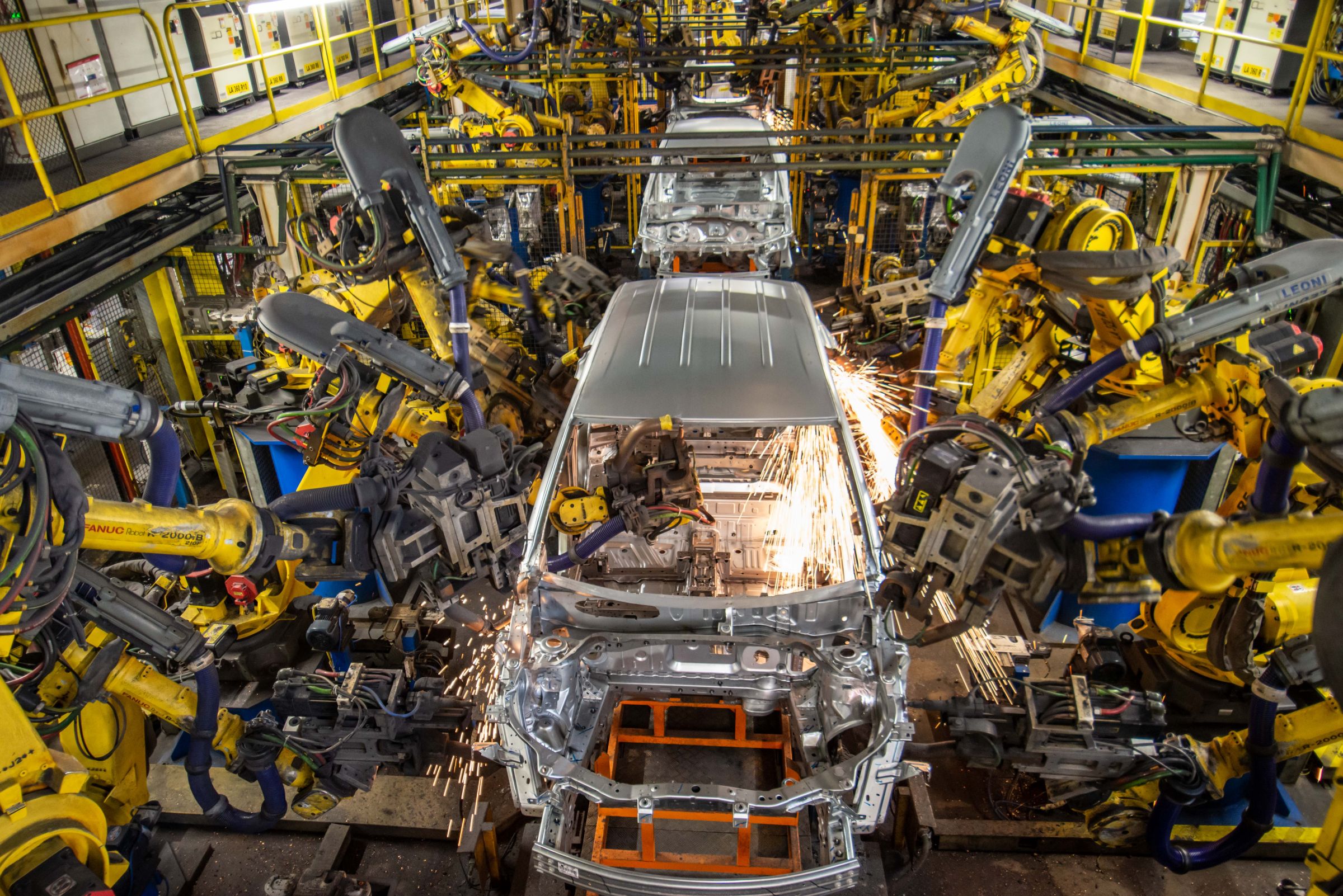
With The Resumption Of Production In Its Factories, GM Expects To Recover At Least Part Of The About 200 Thousand Vehicles It Stopped Producing
General Motors will resume normal vehicle production at the São Caetano do Sul factory in São Paulo on Monday, September 27, and in Gravataí, Rio Grande do Sul, on October 4, with the return of the second shift at both plants. This way, the company expects to recover at least part of the approximately 200 thousand vehicles it stopped producing during the period when the plants were closed due to a lack of semiconductors. Also read this news: GM Plans To Extract Lithium Independently And Use It In The Batteries Of Its Electric Cars
- Helper, Mechanic, Welder, Operator, Technician, and many positions for elementary, high school, and technical education called for job vacancies in RJ and MG, yesterday (09/23) by the Companhia Brasileira de Serviços de Infraestrutura
- Now the Port of Macaé is going ahead: Eneva buys the construction project of TEPOR and is interested in investing in the city’s thermoelectric
- JSL, one of the largest logistics operators in the country, launches mobile unit to get even closer to truck drivers
- Senac Offers 25 Free Online Professional Qualification Courses With Certificate
- Multinational Unilever Has 122 Job Vacancies For Instrumentalist, Operator, Technician, Assistant, And More
Resumption In Factories After Semiconductor Crisis
In March of this year, GM halted its production in Brazil’s factories due to the semiconductor crisis, as the Onix models contain more than twice as many of these components compared to competitors in the same category.
Santiago Chamorro, president of GM South America, says this is a very important moment for employees, unions, suppliers, dealerships, and consumers. The company has high expectations that with the resumption of production in its Brazilian factories after the semiconductor crisis, the automaker will regain the positive momentum it had at the beginning of the year.
-
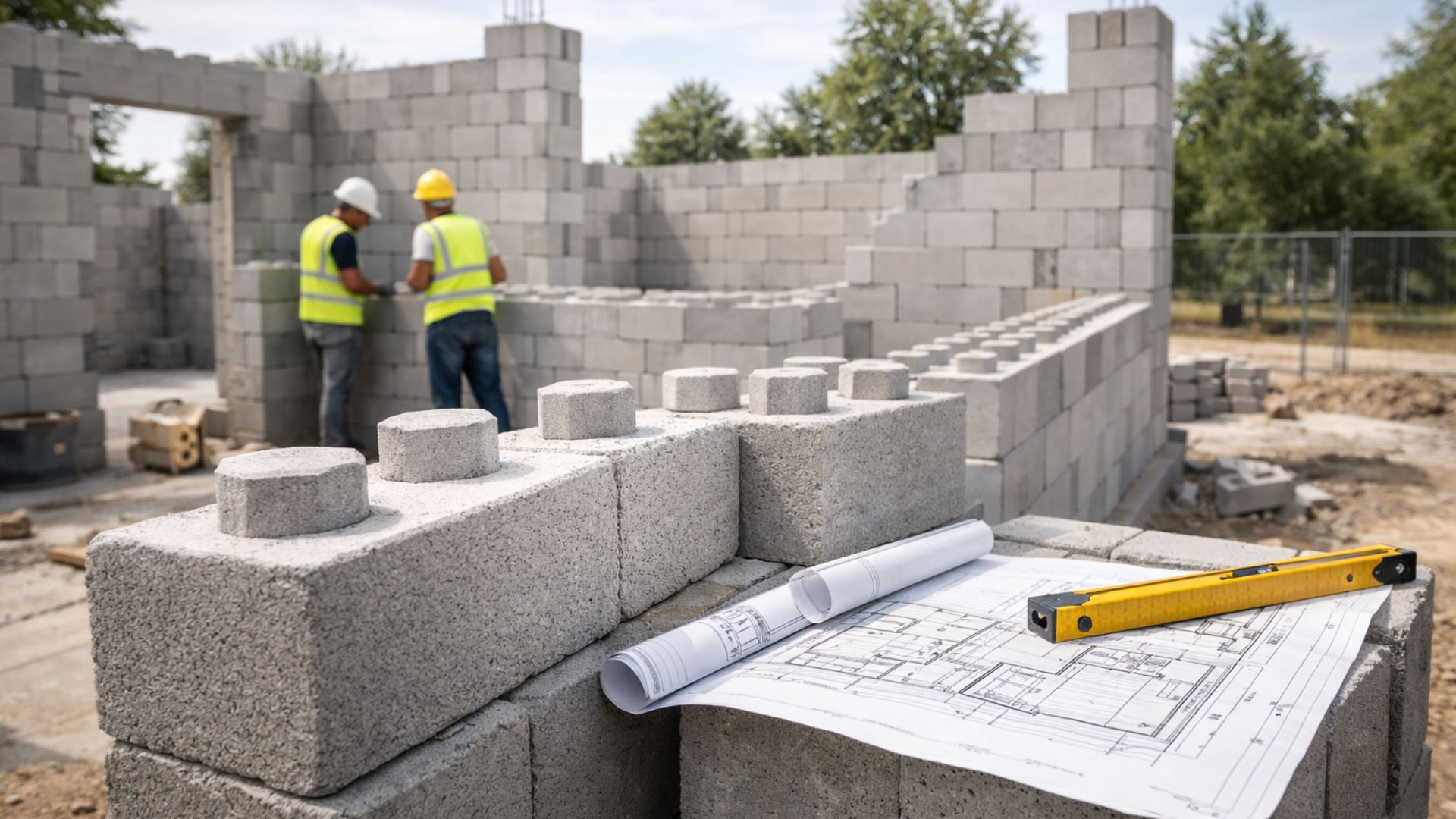
How to build an entire house in just a few days using LEGO concrete blocks and reduce construction time by up to 60%, without mortar, with precise fitting, lower labor costs, and high thermal and acoustic insulation.
-
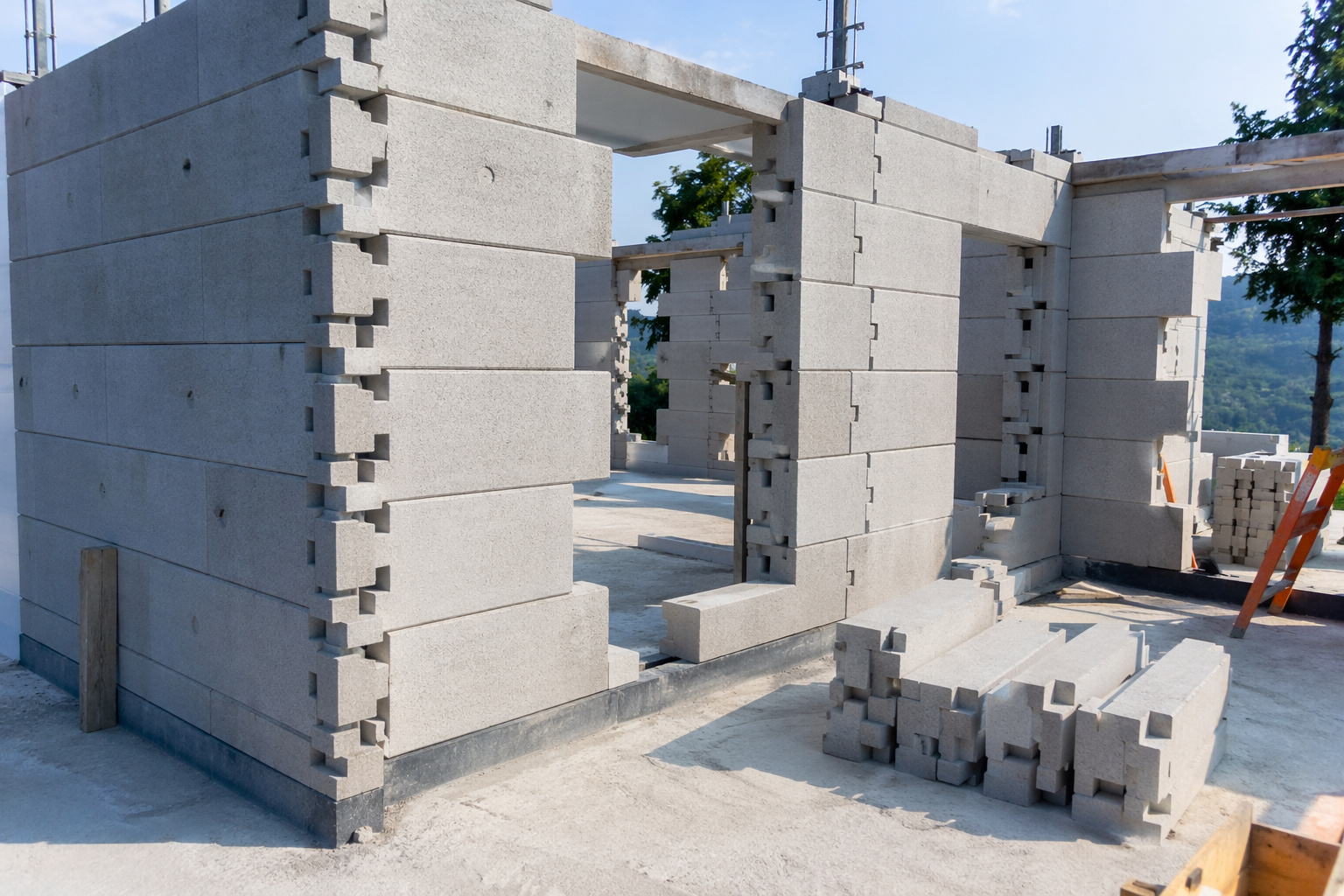
Cement-free interlocking system revolutionizes the construction industry by allowing entire houses to be built with interlocking blocks, reducing costs, speeding up projects, and transforming the standards of efficiency and sustainability in the sector.
-
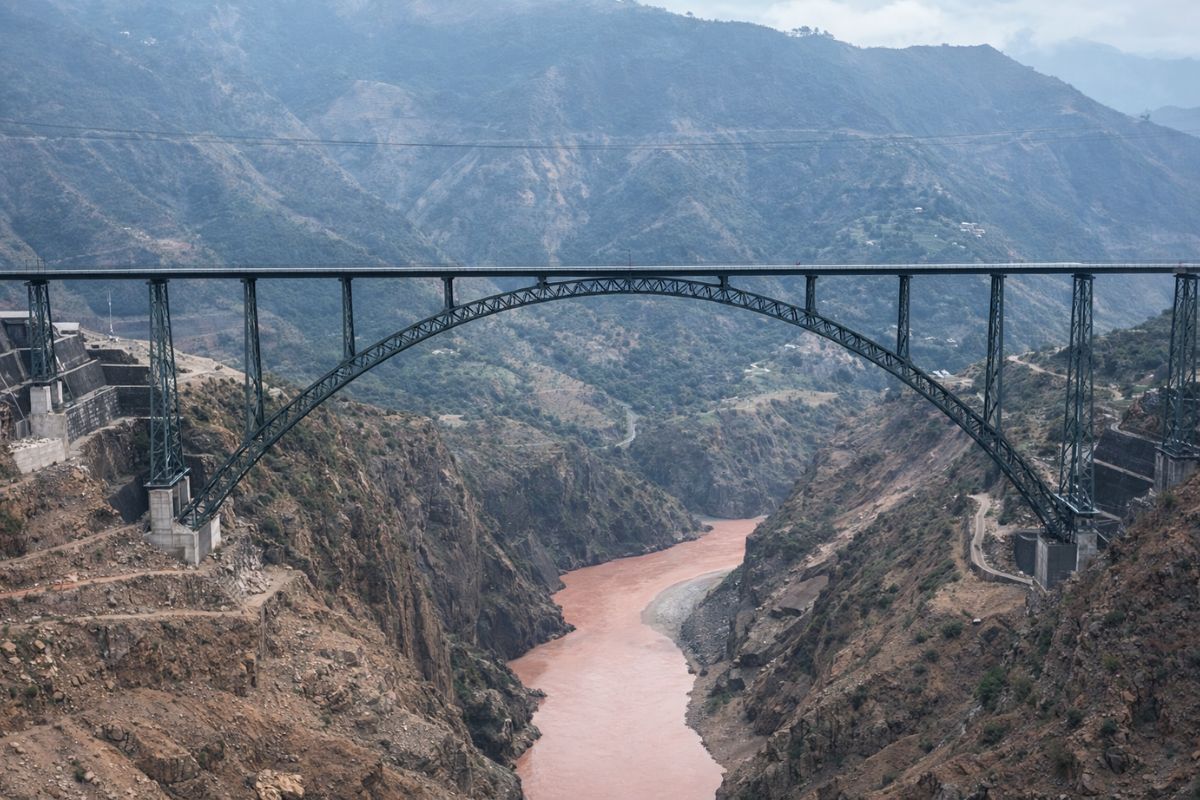
At 359 m above the river and with a span of 467 m, the highest railway bridge in the world has withstood winds of 266 km/h, featuring modular steel, a filled arch, and sliding tracks in historic Indian Kashmir.
-
With over 3 km in total length, the mega bridge costing R$ 400 million will be delivered this month after years of waiting, featuring 4 lanes, 211 lighting poles, and ending 50 years of ferryboat crossings on the coast of PR.
Onix Model Production
According to Quatro Rodas, the Onix maintained the top position in the first quarter of 2021 as the best-selling car in Brazil—a ranking that plummeted since the halting of the factories. The decline began in April when it was overtaken by the Fiat Strada. By June, it was already the 22nd most sold model, with 2,532 units sold.
The increase puts all GM factories in Brazil back to production on two shifts, with the complex in São José dos Campos (SP) producing the new Chevrolet S10 pickups since May of this year. According to the automaker, the vehicle climbed to the top of the segment in August due to the rise in agribusiness.
Still in the pickup segment, the multi-manufacturer states it is investing R$ 10 billion in modernizing Chevrolet’s factories in the state of São Paulo. The structures are expected to accommodate the production of the new Montana models.
Also Check This News: General Motors Factory In São Paulo Will Undergo Modernization. GM Took Advantage Of The Semiconductor Shortage To Carry Out The Work
General Motors (GM) is trying to gain some productivity from the shutdown of its lines in Brazil caused by the widespread lack of electronic components. Since the global semiconductor shortage would make it inevitable to interrupt production in São Caetano do Sul in the state of São Paulo, the company decided to expedite the work for another modernization of the oldest car factory in operation in Brazil, which is being prepared to produce the new beefed-up generation of the compact Montana pickup.
GM took advantage of the moment of semiconductor shortages to carry out the work at the factory, which would require the halt of production anyway. There are 4,000 m² of new facilities that include 93 welding robots imported from Japan. They will join another 658 from the bodywork sector already in operation, several of which were installed last year for the production of the Tracker SUV.
The main novelty of the renovation, one of the largest in the factory’s history of over 90 years, is the installation of a High Speed press, the first of its kind in the Americas, says Michel Malka, executive director of the factory in São Caetano and Mogi das Cruzes. “Until now, this type of press was only operational in China.” The gigantic equipment was developed by the German company Schuller alongside its Brazilian branch. According to Malka, the new press has the capacity to stamp 26,000 parts a day—doors, sides, hoods, and rear lids. The one currently in use makes 12,000. “The new press operates with intelligent triggering and, in addition to greater productivity, ensures better quality and consumes 55% less energy,” informs Malka.








Seja o primeiro a reagir!