





 Portuguese
  English
  Spanish
 4 min of reading
  0 comments


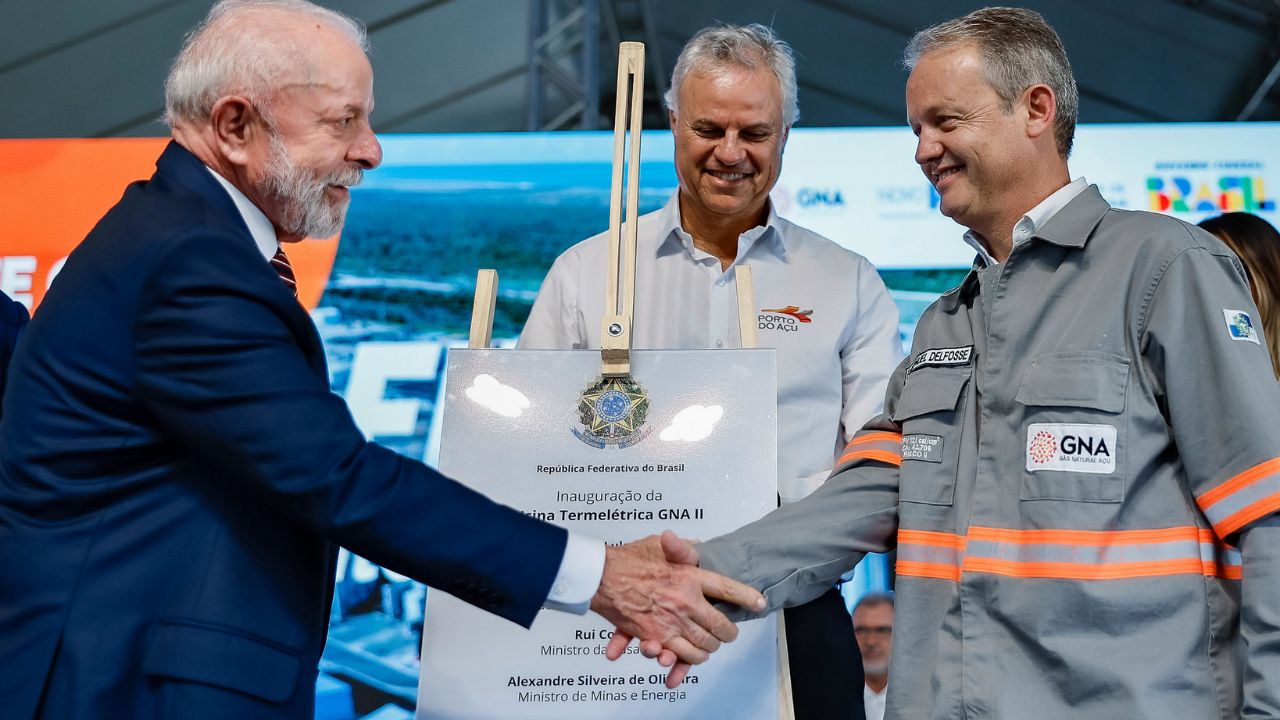
GNA Signs Agreements to Develop Energy and Gas Projects at the Port of Açu. Investments May Reach R$ 20 Billion, Highlighting the LNG Terminal and Strategic Gas Pipeline.
A Gás Natural Açu (GNA) announced new energy and gas projects with an expected R$ 20 billion in investments at the Port of Açu, in Rio de Janeiro, consolidating the site as a strategic hub for the national energy sector.
The formalization of the plan took place last Monday, 28/07, with the signing of a letter of intent with the Ministry of Mines and Energy (MME), during the inauguration of the GNA II plant. The aim is to expand the natural gas infrastructure and create a new supply route, strengthening the country’s energy security and promoting the transition to a cleaner matrix.
LNG Terminal and National Gas Pipeline are Among the Highlights of the Projects
Among the main investments announced by GNA is the study for the installation of an onshore Liquefied Natural Gas (LNG) terminal at the Port of Açu, an innovative project in Brazil. The structure, on solid ground, will be connected to the national gas transport network through a new pipeline, in partnership with Nova Transportadora do Sudeste (NTS).
-
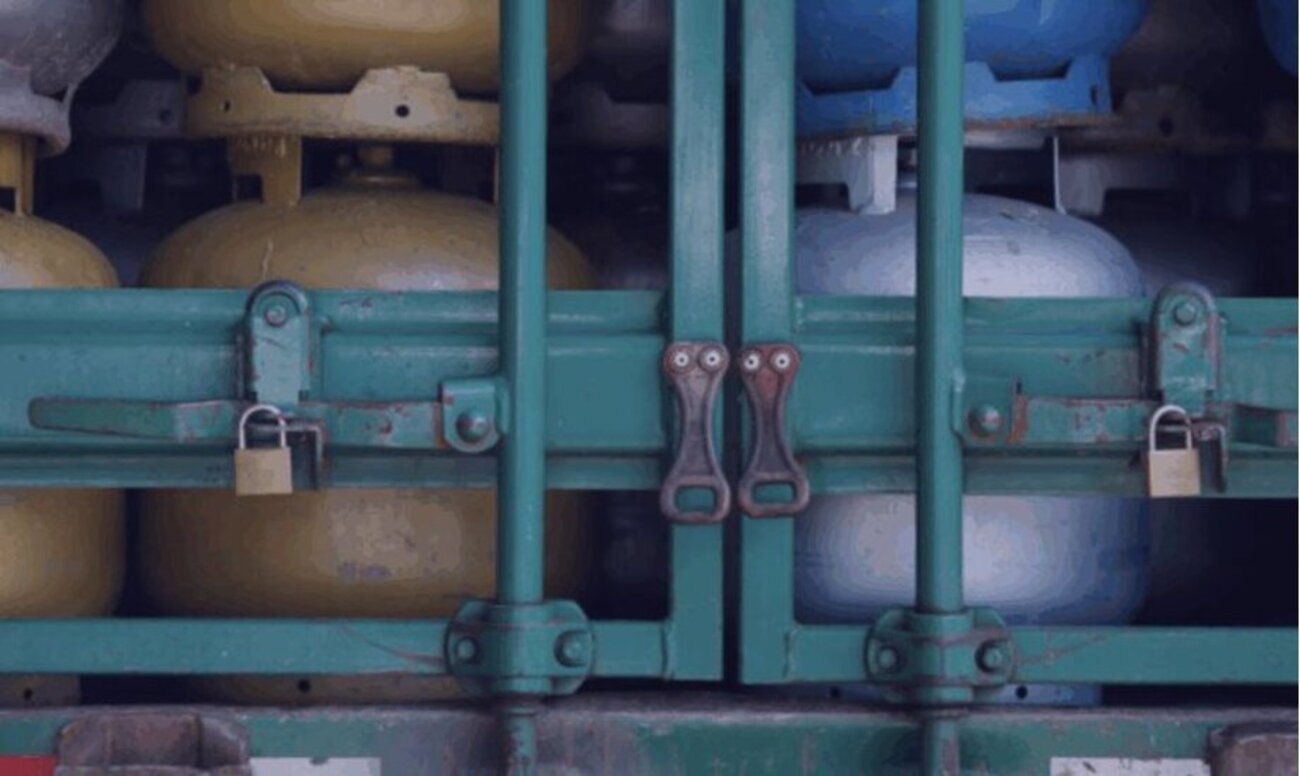
Petrobras evaluates suspension of sales to distributors and considers canceling the cooking gas auction following guidelines from the Federal Government.
-
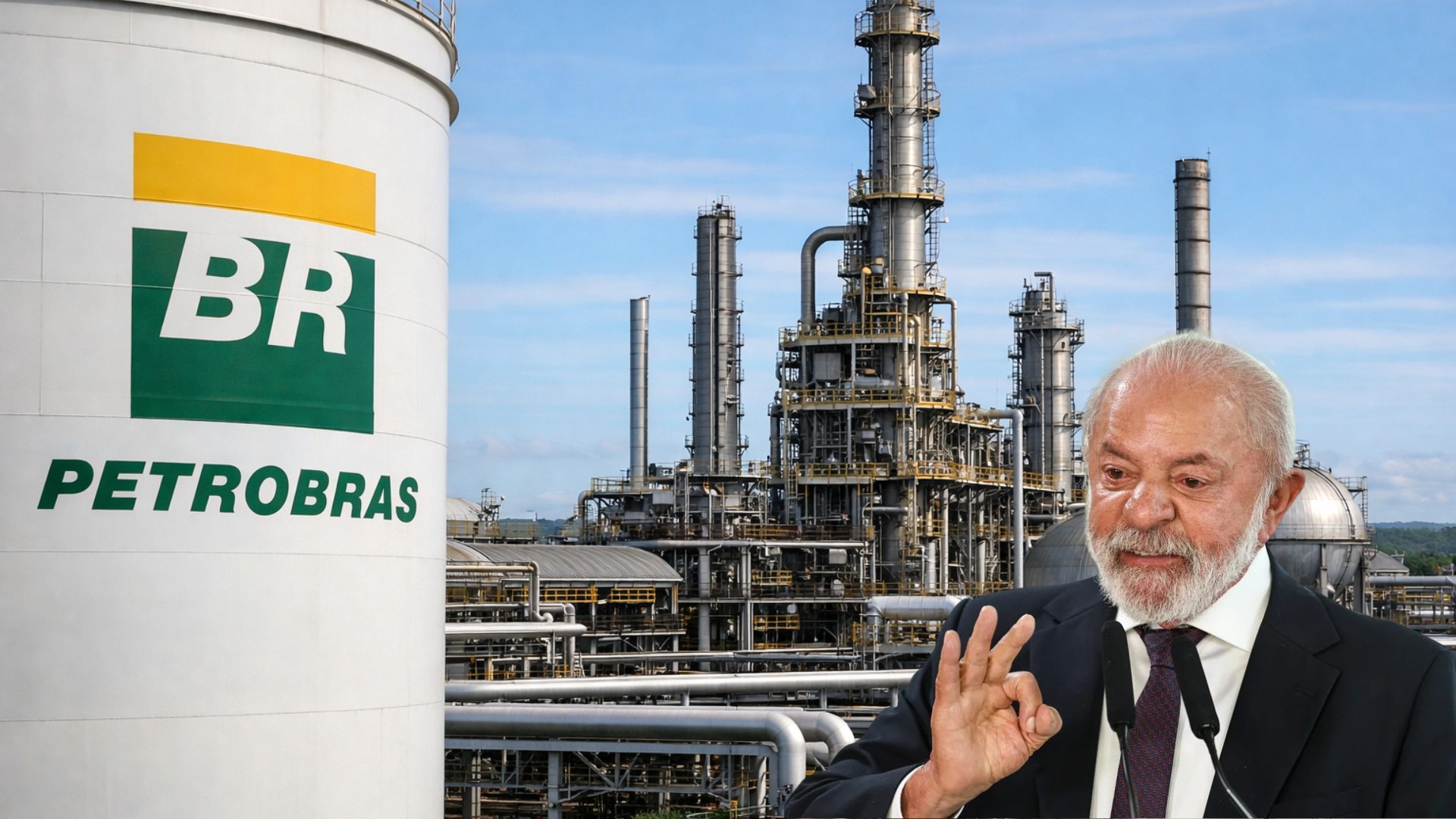
Lula reveals a masterstroke by Petrobras to undo a deal made by Bolsonaro, which involves the return of an important refinery that currently produces less than half of what was expected and makes Brazil dependent on international diesel.
-
A study confirms that the natural gas sector will reduce greenhouse gas emissions in Brazil by 0.5% and accelerate the energy transition by 2026.

-
Petrobras implements a severe adjustment and confirms a 55% increase in the price of aviation kerosene with a proposal for installment payments for the companies.


This connection will be made through the Gas Integration Pipeline of North Fluminense (GASINF), with a projected capacity to transport up to 16 million cubic meters of gas per day, serving power plants and new regional demands, including gas extracted from the pre-salt. The proposal also includes the importation of LNG through the port.
The agreement between GNA, NTS, and the Transportadora Associada de Gás (TAG) was designed to create a solid infrastructure capable of meeting the country’s growing energy demand in the coming years. According to Emmanuel Delfosse, CEO of GNA, these initiatives are strategic:
The studies for the technical and economic feasibility of the projects are already underway, but their implementation will depend on the approval of the National Agency of Oil, Natural Gas and Biofuels (ANP) and the respective administrative councils of the companies involved.
Port of Açu Will Be a Reference in Clean Energy and Technological Innovation
The transformation of the Port of Açu goes beyond gas infrastructure. According to Rogério Zampronha, CEO of Prumo Logística — the controlling company of GNA, along with bp, Siemens AG, Siemens Energy, and SPIC Brazil — the site will be a reference in energy innovation.
“In the next four years, we will transform the Port of Açu into the port of the energy transition. There will be R$ 20 billion in new investments that will put Rio de Janeiro and Brazil at the forefront of the energy transition,” he stated.
The executive also highlighted the growing interest from international companies. So far, seven companies have signed binding contracts with the aim of establishing operations at the port complex. Activities related to offshore wind generation, green hydrogen production, and the manufacturing of sustainable fuels aimed at decarbonizing aviation and maritime transport are planned.
GNA II Starts Operation and Expands National Energy Capacity
During the inauguration ceremony of the GNA II thermoelectric plant, agreements were signed that formalize the new energy and natural gas projects at the Port of Açu. The plant operates with combined cycle — a technology that uses gas and steam turbines — and is already prepared to operate with up to 50% hydrogen in the future, reinforcing its commitment to sustainability.
The construction of GNA II required R$ 7 billion in investments, with R$ 3.9 billion financed by BNDES (National Bank for Economic and Social Development). The plant joins GNA I, increasing the total capacity of the complex to 3 GW, making it one of the largest private natural gas generation enterprises in Latin America.
The new GNA projects were presented as part of the National Integrated Plan for Natural Gas and Biomethane Infrastructures (PNIIGB), which integrates the Gás para Empregar program of the federal government. Additionally, the projects were included in the New PAC, a program aimed at accelerating infrastructure works with a direct impact on economic growth.
This alignment with public policies increases the chances of approval and acceleration of the projects, ensuring institutional support and greater predictability for investors.
The GNA’s strategy at the Port of Açu reflects the new moment of the gas and energy sector in Brazil. The combination of innovation, infrastructure, and partnership with the public power paves the way for a safer, cleaner, and more efficient energy matrix.
Furthermore, the investments will bring direct benefits to the local economy, generating jobs, attracting international companies, and strengthening the national energy industry.







-

-

2 pessoas reagiram a isso.