





 Portuguese
  English
  Spanish
  3 min of reading
  0 comments


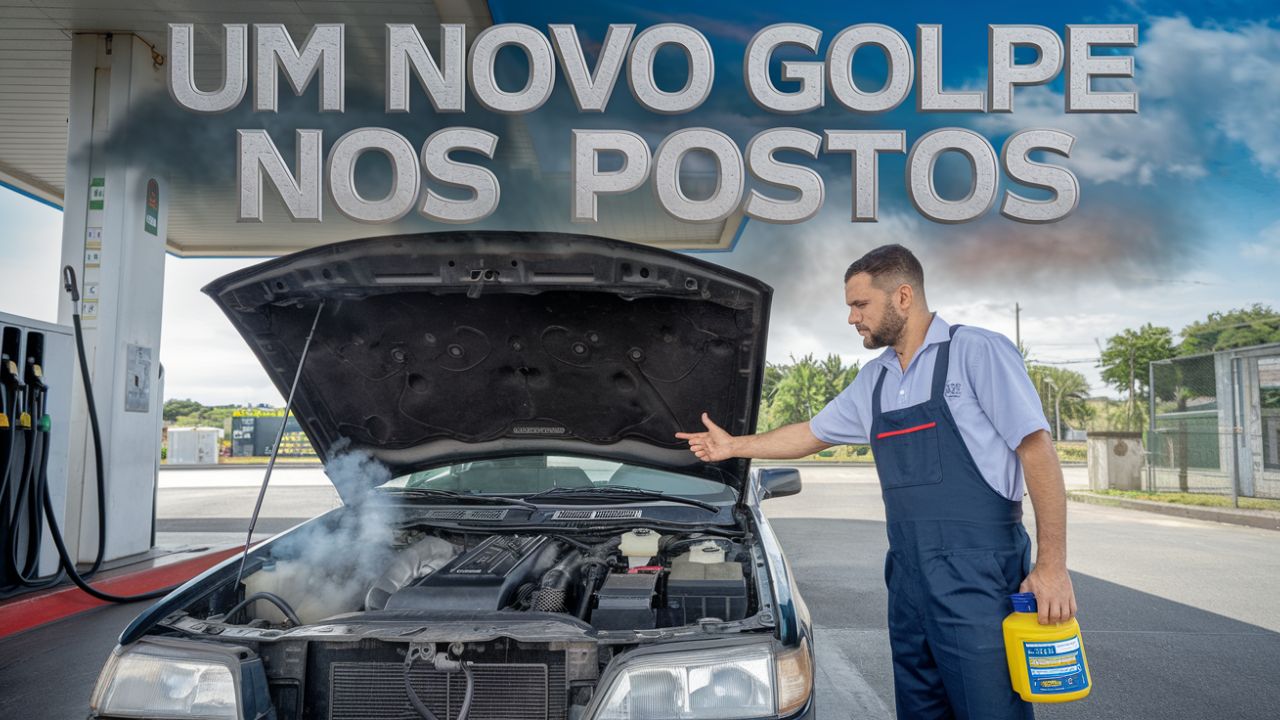
Gas Station Attendants Simulate Engine Failures with Fake Smoke to Sell Counterfeit Additives. Fraud Has Been Identified in Rio, São Paulo, and Porto Alegre, Leading to Investigations and Alerts from Authorities.
Imagine stopping at a gas station to refuel and suddenly hearing from the attendant that there is a serious problem with your car’s engine. This is the scenario of the so-called “smoke scam,” a fraud that has been affecting drivers in several cities in Brazil. Let’s understand how this scheme works and what to do to avoid falling for it?
What Is the ‘Smoke Scam’?
The smoke scam is a practice in which gas station attendants simulate mechanical problems in vehicles to sell solutions that are, in fact, fake. The fraud typically involves creating artificial smoke in the engine, made with water, to convince the customer that something is wrong. Afterwards, the employees offer “miraculous” additives that, in many cases, are just empty containers.
This kind of deception not only results in financial losses for consumers but also represents a breach of trust, damaging the reputation of gas stations.
-
A brand new car starts at around R$ 75,000 in Brazil, but what stands out the most is seeing streets filled with SUVs and expensive sedans in a country where millions remain in debt.

-
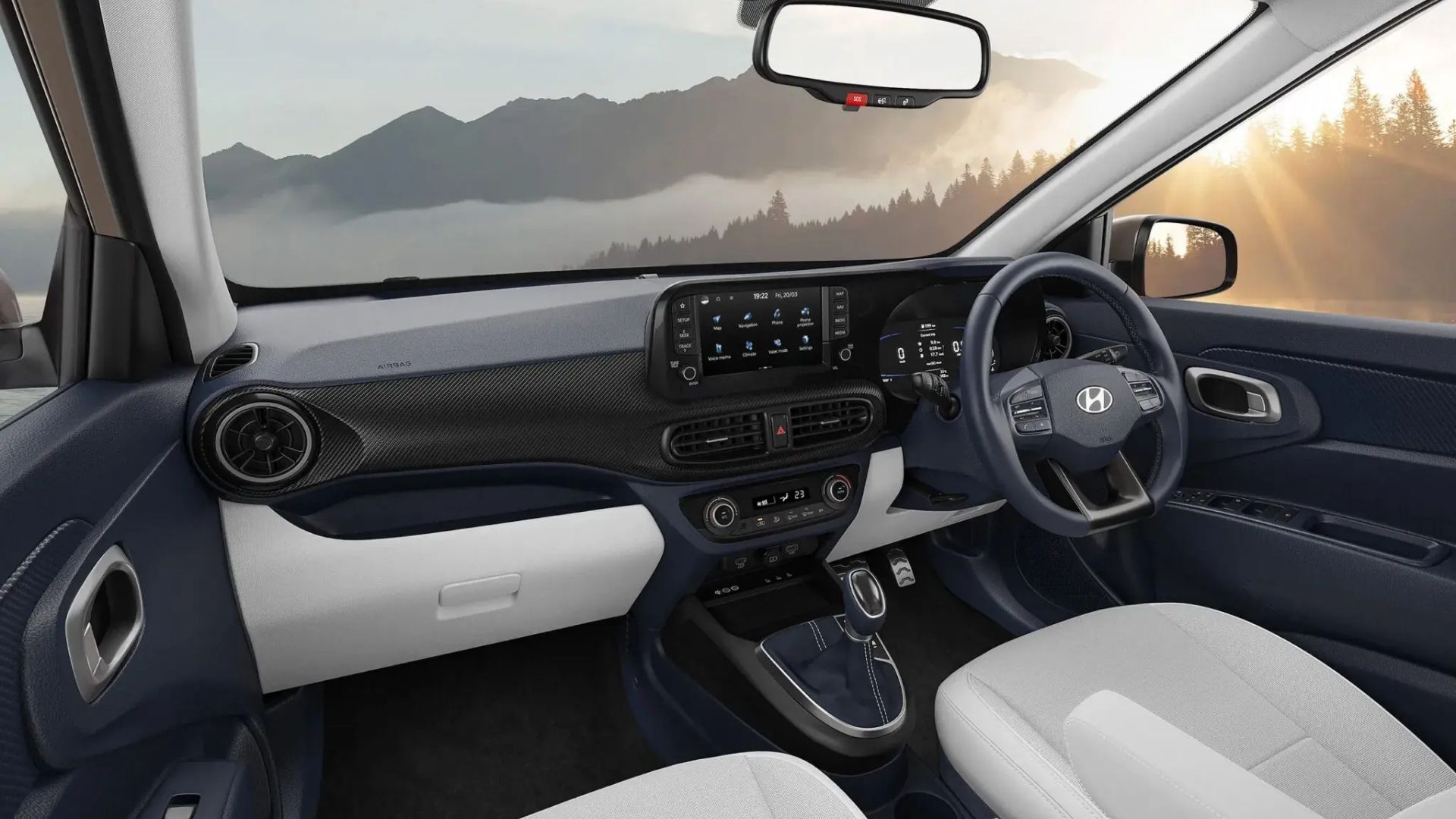
For R$ 32,000, a brand new Hyundai car is a rival to the Kwid with a 1.2 engine producing 82 hp, 6 airbags as standard, multimedia with wireless Android Auto, up to 391 liters in the trunk, and a refreshed look for 2026 in India.
-
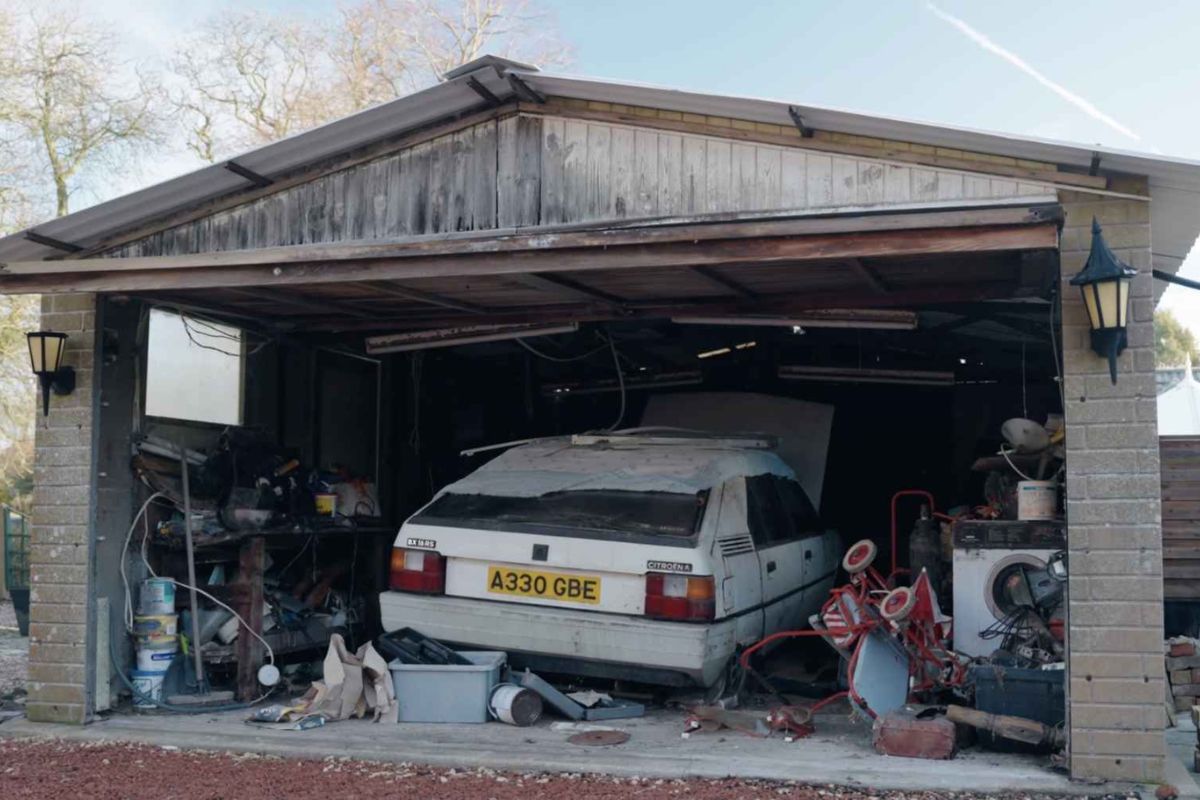
He bought a new car in 1983, locked it in the barn in 1988, and no one opened the door for 38 years until the family discovered what was stored inside and realized it looked like something out of a movie.
-
A 250cc motorcycle that can reach 560 km with a 14-liter tank, features disc brakes on both wheels and is among the most well-known in Brazil.


Recent Highlighted Cases
One case that recently attracted attention occurred in Campo Grande, Rio de Janeiro. Images captured by a customer revealed the moment when attendants carried out the scam, using techniques to deceive drivers. The fraud generated outrage and led to an investigation by the 35th Police Station.
In Porto Alegre, drivers faced unjust charges for unsolicited services. In São Paulo, technological scams altered the amount of fuel dispensed, demonstrating the creativity of fraudsters and the vulnerability of consumers.
The Authorities’ Response
After the discovery of the smoke scam, authorities acted quickly. The police collected evidence and indicted those involved for fraud. Organizations such as Simpospetro-RJ condemned the practice and encouraged reporting.
The National Agency of Petroleum, Natural Gas, and Biofuels (ANP) intensified inspections, reinforcing severe penalties for those who commit violations. These actions show that the fight against fraud is gaining momentum, but it still relies on a partnership with consumers.
How to Avoid Scams at Gas Stations?
Preventing fraud like the smoke scam requires attention and care. Here are some tips:
Check the station’s reputation: Before refueling, try to find out what other consumers think about the establishment.
Monitor the refueling: Always observe what is being done to your vehicle.
Request a receipt: This can help in future complaints or investigations.
Be suspicious of quick diagnostics: Mechanical issues generally do not appear suddenly.
If you feel wronged, report the establishment to the relevant authorities, such as Procon and ANP.
Impacts on the Sector and Prevention Measures
Frauds like this harm not only consumers but also honest gas stations, which end up being placed under suspicion. The lack of transparency affects trust in the sector, highlighting the importance of training for attendants and more rigorous inspections.
The Brazil Post Academy, for example, argues that training employees is essential to ensure ethical and reliable service.
The smoke scam is further evidence that drivers need to be alert when refueling their vehicles. Scams at gas stations are a threat to the financial and emotional safety of consumers but can be combated with information and reporting.
With each report made, a step is taken to put an end to these practices, protecting both consumers and the industry. After all, no one wants to turn a simple refueling into a nightmare, right?







-

Uma pessoa reagiu a isso.