





 Portuguese
  English
  Spanish
  4 min of reading
  0 comments


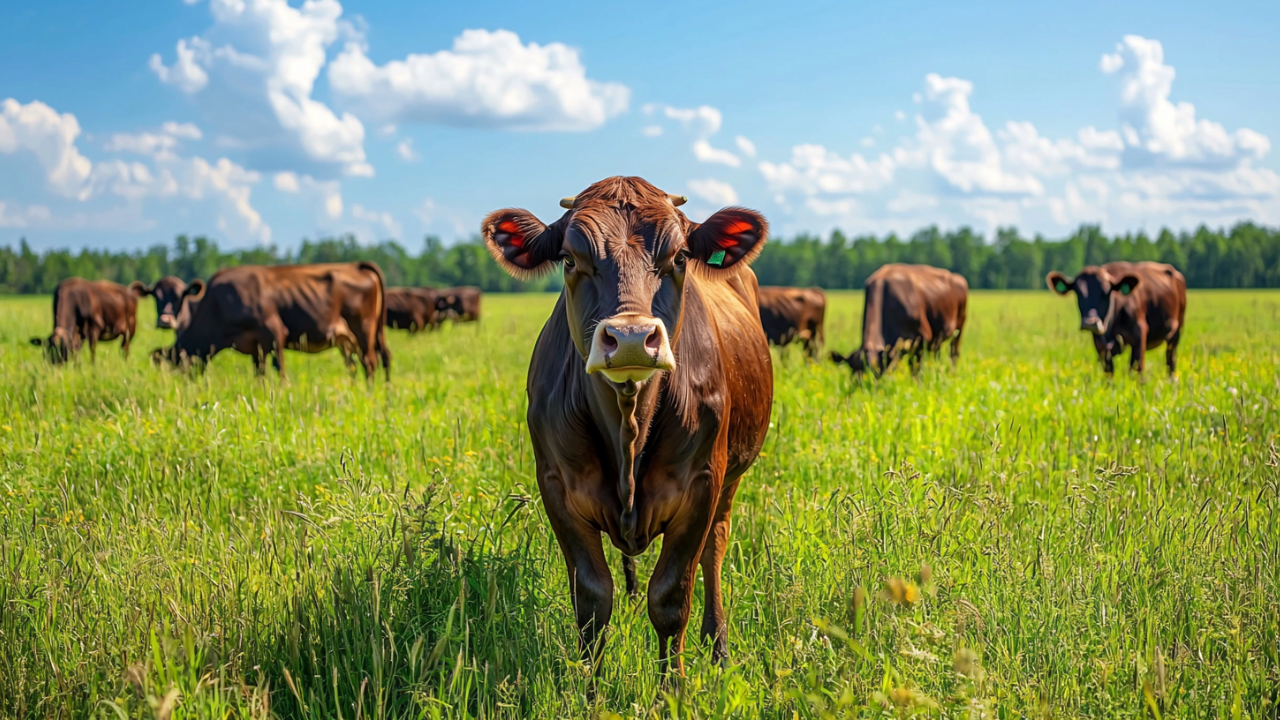
About 6 Thousand Investors Were Wronged by a Fraud Scheme Involving Profit Promises in the Livestock Sector!
An unprecedented financial scandal in Uruguay is leaving around 6 thousand investors in a severe state of loss, with total losses amounting to approximately US$ 300 million.
The case, known as the cattle scam, involves three companies – Conexion Ganadera, Republica Ganadera, and Grupo Larrarte – which, over the past 25 years, raised around US$ 500 million promising attractive profits in the livestock sector.
However, these companies are now facing bankruptcy proceedings, leaving a trail of distrust and frustration.
-
A new Brazilian shopping center worth R$ 400 million will be built in an area equivalent to more than 4 football fields, featuring 90 stores, 5 cinemas, a supermarket, a college, and parking for 1,700 cars, potentially generating 3,000 jobs.

-
Larger than entire cities in Brazil: BYD is building a 4.6 km² complex in Bahia with a capacity for 600,000 vehicles per year, but the discovery of 163 workers in conditions analogous to slavery has shaken the entire project.

-
With an investment of R$ 612 million, a capacity to process 1.2 million liters of milk per day, Piracanjuba inaugurates a mega cheese factory that increases national production, reduces dependence on imports, and repositions Brazil on the global dairy map.

-
Brazilian city gains industrial hub for 85 companies that is equivalent to 55 football fields.

The Collapse of Livestock Companies
The beginning of the collapse of the scheme occurred amidst the drought of 2022/23, which caused losses to the Uruguayan agricultural sector exceeding US$ 1.7 billion, according to official estimates.
This drought severely affected food production and the health of the herd, resulting in a decrease in cattle supply and, consequently, in the profitability of the companies.
Additionally, the increase in global interest rates after the pandemic raised the cost of the companies’ business model, which rented pasture land at high prices.
Conexion Ganadera, founded in 1999 by the Carrasco and Basso families, was the main entity involved.
Initially managing a few thousand head of cattle, the company came to manage 125 thousand animals, but a report indicated that it owed US$ 384 million to its 4.2 thousand investors, while it had only US$ 158 million in assets.
The Social and Economic Impact
The scam mainly affected middle-class investors, many of whom put all their savings into promises of returns reaching 10% per year. “This is a social crisis.
There are people who invested all their savings in these companies,” said Maria Laura Capalbo, a partner at Bragard law firm and president of the national lawyers’ association of Uruguay, in an interview with Bloomberg.
The loss of confidence resulting from this scandal not only harmed savers but also exposed the fragilities and lack of regulation in the livestock sector, one of the pillars of the Uruguayan economy.
The social repercussions of the scam are visible in the affected communities.
Entire families that invested their savings in search of financial security are now facing hardships, with many having to turn to support and solidarity networks.
The situation is especially critical in a country where livestock is traditionally seen as a safe haven in times of crisis, leading to a feeling of betrayal among investors.
Comparisons with Historical Frauds
The case of the cattle scam in Uruguay echoes historical frauds in other Latin American countries, such as the scandal of Fazendas Reunidas Boi Gordo in Brazil, which deceived 30 thousand investors in the 1990s, resulting in an estimated loss of R$ 6 billion.

Just as in Brazil, the Uruguayan fraud reveals the vulnerability of investors attracted by traditional sectors and promises of guaranteed profits.
These schemes tend to thrive during periods of economic uncertainty when people are more willing to seek alternatives to secure a safe return on their investments.
Reactions and Regulation
The crisis has already begun to have repercussions in the job market, resulting in layoffs in companies linked to the funds, although sources from the livestock sector claim that the impact on the production chain will not be significant, as most investors did not belong to the agricultural sector.
However, the scandal has generated a clamor for greater regulation.
Since 2018, the Central Bank of Uruguay has opened 11 inquiries into investments in cattle and issued warnings about the lack of regulatory coverage for contracts of this type, but many believe that the response came too late.
Authorities are now under pressure to implement reforms that protect investors and increase transparency in the sector.
The fragility of the regulatory system has been exposed, leading to a broader discussion about the need for stricter oversight of investments related to livestock.
The Future of Wronged Investors
For those who lost money, the trauma is palpable. “We have to look to the future.
We cannot get sick, even though they took a large part of our money,” declared an investor who is organizing a group of victims.
As lawsuits progress, trust in the Uruguayan livestock sector, which is a pillar of national identity, is deeply shaken.
The case serves as a warning to Latin America, where combinations of traditional sectors and promises of quick profits continue to seduce – and, at times, deceive – thousands of savers.
While the future of those involved remains uncertain, many are coming together to seek justice and reparation.
The emotional and financial impact of this scandal is profound, and recovery may take years.
The cattle scam not only represents a significant financial embezzlement but also prompts reflection on the need for investor protection and the importance of more robust regulation to prevent future frauds in the livestock sector and other markets.
The Role of the Media and Awareness
The media coverage of the case also plays a crucial role in raising awareness about the risks associated with investments in seemingly solid sectors.
The reports have highlighted not only the details of the scandal but also educated the public about the importance of performing due diligence before investing.
Increased awareness can help prevent similar frauds from occurring in the future, fostering a culture of more informed and cautious investing among citizens.
Ultimately, the story of the cattle scam is a reminder that, even in traditional sectors like livestock, vigilance and regulation are essential to protect investors and ensure market integrity.
SOURCE: PAINELPOLÍTICO







Seja o primeiro a reagir!