





 Portuguese
  English
  Spanish
  5 min of reading
  0 comments


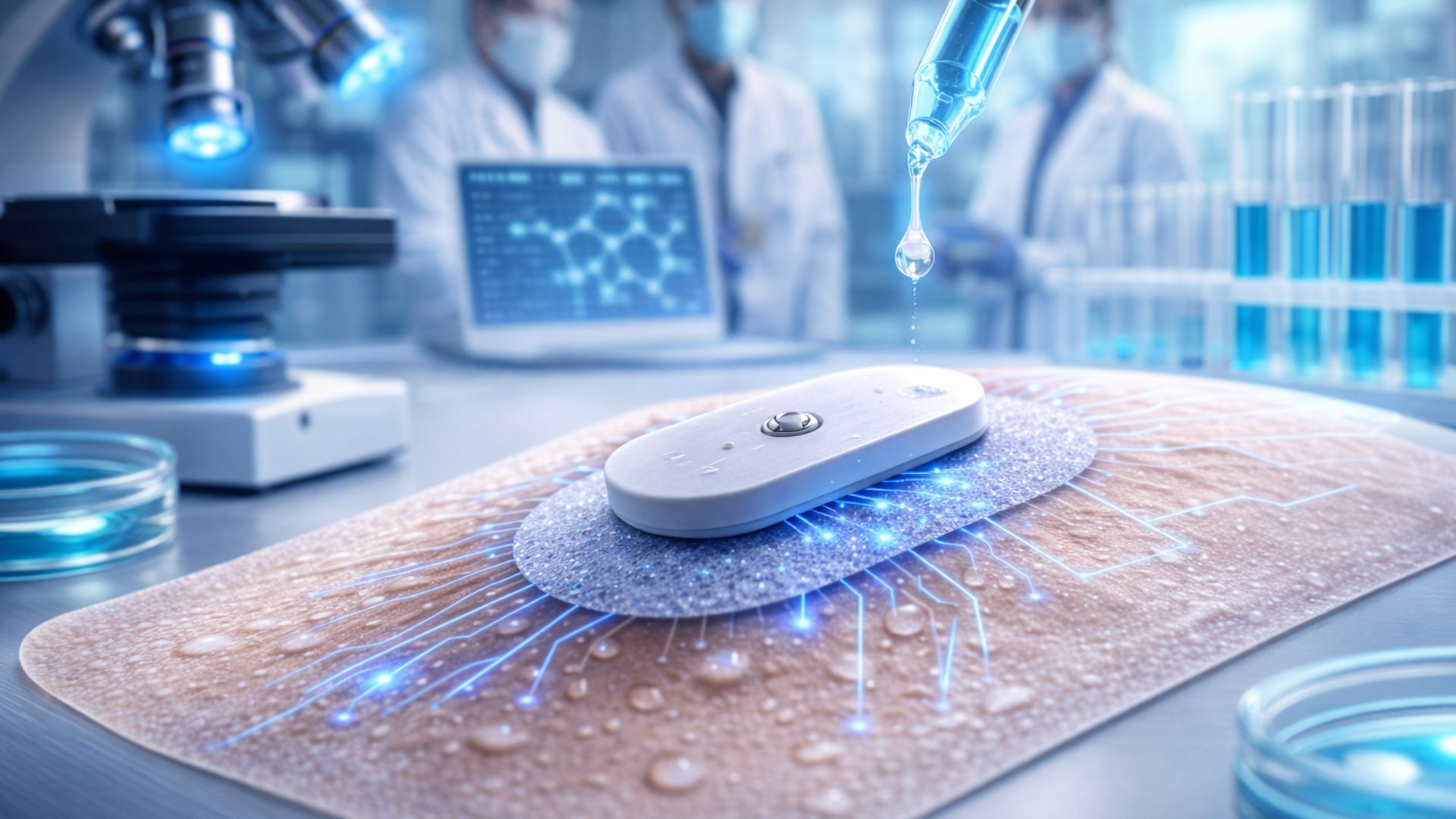
Technology created by Japanese scientists turns sweat into energy and reduces battery use in wearable devices, increasing autonomy, sustainability, and efficiency in continuous monitoring of the human body.
The constant need to recharge electronic devices may be coming to an end. A group of Japanese scientists has developed a new sensor capable of transforming sweat into energy, drastically reducing dependence on traditional batteries. The technology uses lactate present in perspiration to generate electricity continuously, which could revolutionize the functioning of wearable devices.
In practice, this means more autonomy, fewer interruptions, and a promising path toward more sustainable solutions. The research, published by Tokyo University of Science, emerges at a time when the market is seeking alternatives to reduce the environmental impact of batteries, especially lithium-ion batteries, which still dominate the sector.
Japanese scientists develop new sensor that uses sweat to generate continuous energy
The advancement presented by Japanese scientists is based on a simple yet powerful concept: harnessing the human body itself as a source of energy. The new sensor is designed to capture sweat and convert it into electricity in real-time.
-
The Brazilian Army inaugurated the assembly line for the Guaicurus armored vehicle with a contract for 420 units by 2033, and the same vehicle has already been tested in combat in Afghanistan and Lebanon by European armies.

-
Xiaomi launched a 10-kilogram washing machine for less than R$910.00, so slim that it fits inside a kitchen cabinet with only 15 millimeters of clearance, featuring 24 washing programs and voice control.

-
April begins with above-average heat and irregular rains in Brazil as El Niño warms the Pacific and exceeds 80% probability for the second half of 2026, with a risk of frost in the mountains and a winter that may repeat the extremes of 2023.

-
A barrier made with hair strands is used to clean the Guanabara Bay and employs simple technology to contain oil and waste.


Unlike conventional batteries, which require periodic charging, this system operates continuously while the body produces perspiration. This represents a significant change in how wearable devices are used in daily life.
This innovation is especially relevant for areas such as digital health and physical monitoring, where the continuity of data is essential. Interruptions for recharging can compromise analyses and reduce the efficiency of devices.
How sweat is transformed into electric energy without depending on traditional batteries
The operation of the new sensor involves a precise biochemical reaction. The sweat, rich in lactate, comes into contact with specific enzymes present in the device. These enzymes catalyze the oxidation of lactate, releasing electrons.
This flow of electrons generates electricity that can be used immediately or stored. In this way, the system reduces the need for external batteries and allows for more autonomous operation.
The process occurs in three main steps:
- Capture of sweat by the surface of the sensor
- Enzymatic reaction that releases electrons
- Conversion of these electrons into usable energy
This approach transforms a natural byproduct of the body into an efficient source of electricity, without requiring additional effort from the user.
Ultra-thin structure of the new sensor allows for efficient sweat capture and energy generation
The design of the new sensor is one of the most innovative aspects of the project. Developed by Japanese scientists, the device is extremely thin, flexible, and adaptable to the skin.
It was created to function even during intense physical activities, maintaining constant contact with sweat and ensuring continuous generation of energy. Additionally, the materials used are resistant to the acidity of perspiration, which increases durability.
Among the main components, the following stand out:
- Flexible paper electrodes that mold to the body
- Biocompatible enzymes that react with lactate
- Low-power circuits that manage the energy
This combination allows for partial replacement of batteries, especially in low-power devices.

Direct impact on reducing batteries and advancing sustainable energy in wearables
The adoption of this new sensor could profoundly transform the wearable device market. With the generation of energy from sweat, dependence on batteries is likely to decrease significantly.
This brings important benefits for both users and the industry. Lighter, smaller devices with greater autonomy become more viable.
Among the most relevant impacts are:
- Reduction of chemical battery disposal in the environment
- Continuous operation without the need for recharging under specific conditions
- Greater comfort in daily use
- Possibility of integration with smart clothing
This scenario opens the door to a new generation of more sustainable and efficient technologies.
Practical applications of the new sensor developed by Japanese scientists in daily use and health
The new sensor developed by Japanese scientists has potential for various applications. The ability to generate energy from sweat allows for continuous use of devices without interruptions.
In the health field, this could represent a significant advancement. Continuous monitoring of vital signs becomes more reliable when there are no pauses for recharging.
Among the main applications, the following stand out:
- Smartwatches with greater autonomy
- Continuous heart monitoring sensors
- Devices for high-performance athletes
- Smart fabrics with integrated energy generation
These solutions demonstrate how technology can integrate more naturally with the human body.
Technical challenges still limit total replacement of batteries with sweat energy
Despite the potential, the new sensor still faces significant challenges. The amount of energy generated by sweat is still limited compared to traditional batteries.
Currently, the technology is more suitable for low-power devices. For more demanding applications, such as smartphones, significant advancements are still needed.
The main challenges include:
- Increasing the energy density generated
- Improving the durability of the enzymes
- Reducing large-scale production costs
These points are the focus of research conducted by Japanese scientists.
Next steps to bring the new sensor to market and reduce battery use
The researchers are now working to make the new sensor more efficient and commercially viable. The goal is to increase the energy generation capacity without compromising the comfort and flexibility of the device.
Another objective is to enable the sensor to power devices with higher energy demands, expanding its application beyond wearables.
The expectation is that, in the coming years, commercial products with this technology will begin to emerge. This could accelerate the reduction of battery use and promote more sustainable solutions.
A new relationship between the human body, sweat, and energy in the technology of the future
The work of Japanese scientists with this new sensor points to an important transformation. The use of sweat as a source of energy represents a shift in how we think about the operation of electronic devices.
More than an alternative to batteries, this technology proposes a direct integration between body and machine. The user stops being just a consumer of energy and becomes a generator as well.
This concept can contribute to advancements in wearable technology, making devices more autonomous, sustainable, and aligned with everyday needs.







Seja o primeiro a reagir!