





 Portuguese
  English
  Spanish
  5 min of reading
  0 comments


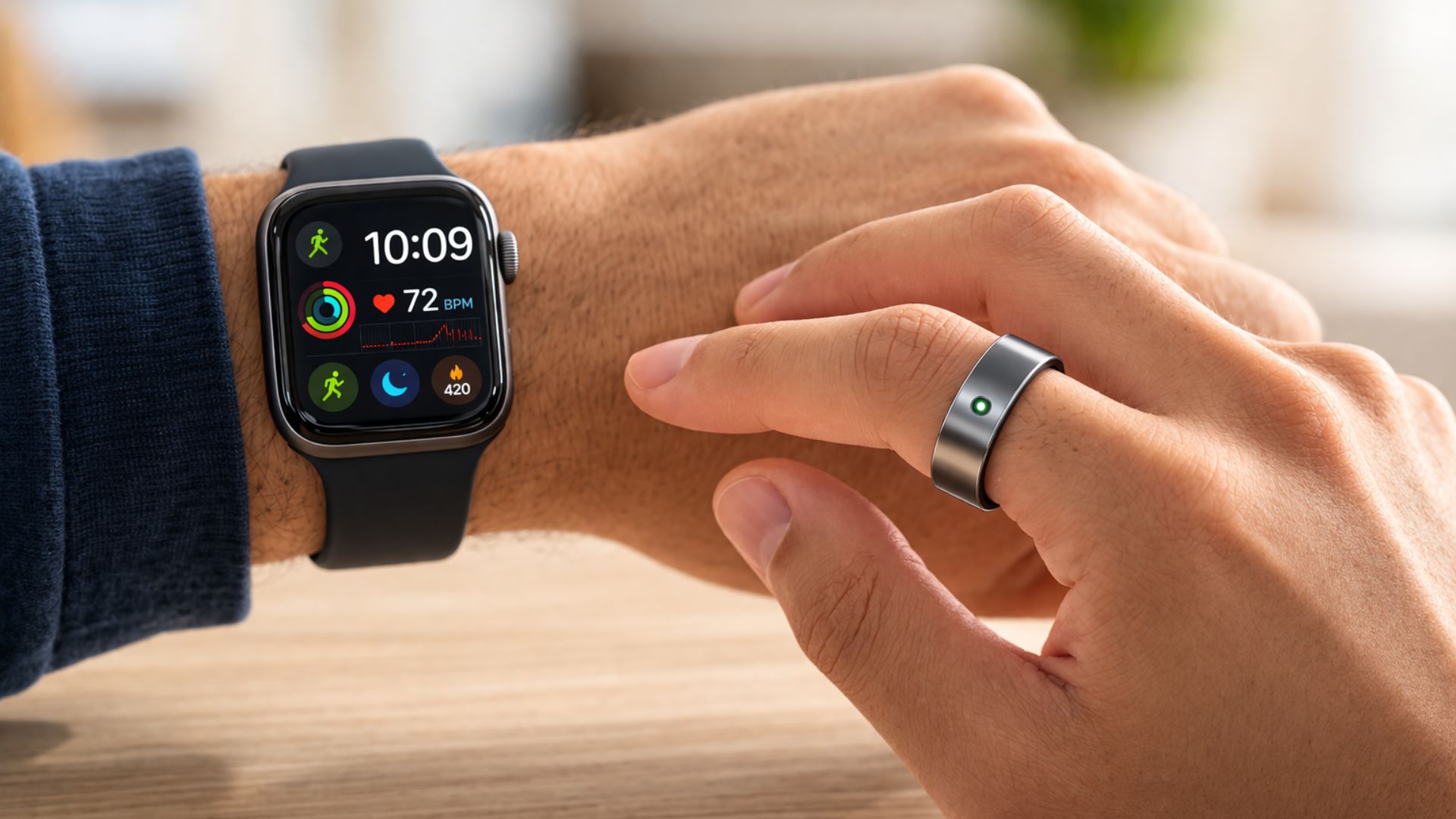
Discreet device gains space among wearables by prioritizing comfort, autonomy, and continuous health monitoring, driving a new phase of growth in the sector and changing the way users track sleep, physical activity, and vital signs in their daily lives.
The smart rings have moved from a restricted niche to competing for attention with fitness bands and connected watches by offering sleep monitoring, physical activity, and basic health signals in a smaller, more discreet format designed for continuous use.
This advancement occurs in a growing wearables market, but it already shows an important change in consumer behavior: instead of seeking only screens on their wrists, part of the audience has begun to prioritize comfort, autonomy, and almost invisible presence throughout the day and night.
Growth of wearables and advancement of smart rings
The expansion of the sector helps explain why rings have begun to be taken more seriously by manufacturers and consultancies.
-
Millions of people have been eating garlic for centuries without knowing that this simple bulb contains a compound called allicin, which studies link to the reduction of blood pressure and cholesterol.

-
Neither in the refrigerator nor in a poorly sealed bag: this is the correct way to store bread.

-
The largest Anglo-Saxon treasure ever found was discovered by a worker with a metal detector in a field in England and revealed more than 4,600 pieces of gold and silver from the 7th century, a collection with 5 kg of gold valued at £3.285 million.

-
Man transforms old bus into a house on wheels with wooden furniture, rooftop terrace, and solar power system.

IDC reported that global shipments of wearable devices grew 9.1% in 2025, reaching 611.5 million units.
In the same report, the consultancy noted that bands advanced 14.7% in the year, while emerging formats, such as smart rings, are expected to gain more space in the upcoming market cycles.
In a report cited by Bloomberg based on IDC’s own data, smart rings appeared as one of the fastest-growing categories, with a projected 49% increase in shipments by 2025, compared to the 6% estimated for smartwatches.
Difference between smart ring and fitness band
The main difference does not lie in the attempt to reproduce, in miniature, everything that an advanced watch does.
The commercial argument of rings follows another direction: to concentrate essential measurements in a small, lightweight, and less conspicuous accessory, capable of remaining on the body for longer without requiring constant visual attention.
Instead of competing for screens, notifications, and apps, this format relies on the promise of silent monitoring of daily routines.
This repositioning is clearly evident in models already established in the market.
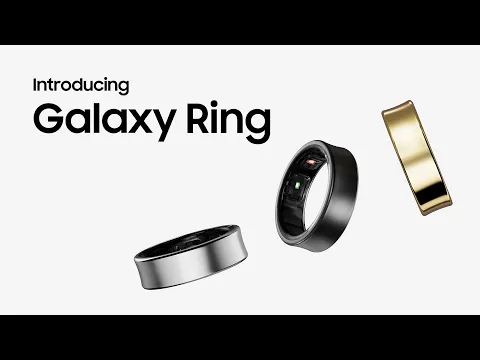
Samsung describes the Galaxy Ring as a health tracker with a titanium structure, three internal sensors, and a battery lasting up to seven days.
On its official pages, the company states that the device combines an accelerometer, optical biosignal sensor, and skin temperature sensor, allowing it to record walking, running, heart rate, and temperature variations during sleep.
Oura, one of the most well-known brands in the category, adopts a similar approach.
In the support documentation for the Oura Ring 4, the company states that the battery typically lasts five to eight days, with variations related to the size of the ring, the settings used, and the natural wear of the battery.
The manufacturer also positions the product as a device aimed at continuous health data collection throughout the day and night, reinforcing a logic different from that associated with accessories that depend on screen interaction.
Sleep monitoring and continuous comfort
Sleep monitoring has become one of the most important fronts in this change of habit.
Samsung and Oura present their rings as accessories aimed at continuous reading of nighttime information, such as heart rate and body temperature, without requiring the user to sleep with a bulkier watch on their wrist.
In this scenario, the ring is closer to a permanent sensor than to a traditional electronic device for intermittent use.
There is also a practical aspect that weighs in this comparison.
While bands and watches continue to be associated with cases, clasps, straps, and screens, the ring tries to almost disappear into the routine.
Samsung claims that the Galaxy Ring was developed for all-day use in different contexts, with a lightweight design, titanium finish, and concave construction to reduce wear marks.
The brand also emphasizes water resistance and a visual proposal compatible with both exercise and everyday situations and formal environments.
In the case of Oura, the emphasis is on continuous fit and stable data reading.
The fully circular shape and the integration of sensors into the body of the ring are treated by the company as a central part of the user experience, especially for those who wish to keep the accessory on their finger during work, sleep, and light physical activity.
Greater autonomy has also become a decisive argument, as a device that relies on continuous monitoring loses appeal when it needs to be charged too frequently.
Fitness band market continues to grow

The rise of rings does not mean the disappearance of fitness bands.
IDC’s own numbers show that wristbands grew 14.7% in 2025, largely driven by Xiaomi and a repositioning of the category for health, recovery, and daily tracking uses.
In another update from the consultancy, regarding the first quarter of 2025, global shipments of wrist devices grew 10.5%, with a more intense advance of bands than watches in that timeframe.
What the data suggests is less an absolute replacement and more a fragmentation of the sector.
Consumers have begun to choose the format according to their usage priorities.
Those who value screens, notifications, visible metrics during workouts, and greater interaction with apps tend to continue looking at watches and bands.
On the other hand, those who want to record sleep, movement, and bodily signals with minimal aesthetic or physical interference find rings to be a more aligned alternative to that routine.
This functional difference helps explain the recent growth of the category.
Bloomberg itself summarized the movement by observing that smart rings have begun to attract consumers by offering much of the sleep and wellness information already present in other wearables, but in a more discreet format.
The competitive gain, therefore, is not in performing more tasks simultaneously, but in delivering the essentials with less volume, less screen, and less need for constant attention.
Ring fit and impact on health monitoring
Despite the commercial advancement, smart rings depend on a detail that cannot be treated as secondary: the correct fit.
Samsung maintains its own measurement kit and informs that the size of the Galaxy Ring may differ from that of common rings due to the internal sensors.
The company recommends testing the ring for at least 24 hours before confirming the order, precisely because the fit affects comfort and also the quality of data reading.
Oura adopts a similar caution by reminding that the actual battery life and user experience may vary depending on size, activated settings, product age, and daily user patterns.
In other words, the promise of practicality only holds when the ring is well-fitted to the finger and integrated into a routine compatible with the type of monitoring offered.
This helps explain why the segment grows supported less by fashion trends and more by a concrete proposal: to continuously measure the body without turning this process into a visible gesture all the time.





Seja o primeiro a reagir!