





 English
  Francês
  Alemão
  Italiano
  Japonês
  Norueguês
  Portuguese
  Spanish
  5 min of reading
  0 comments


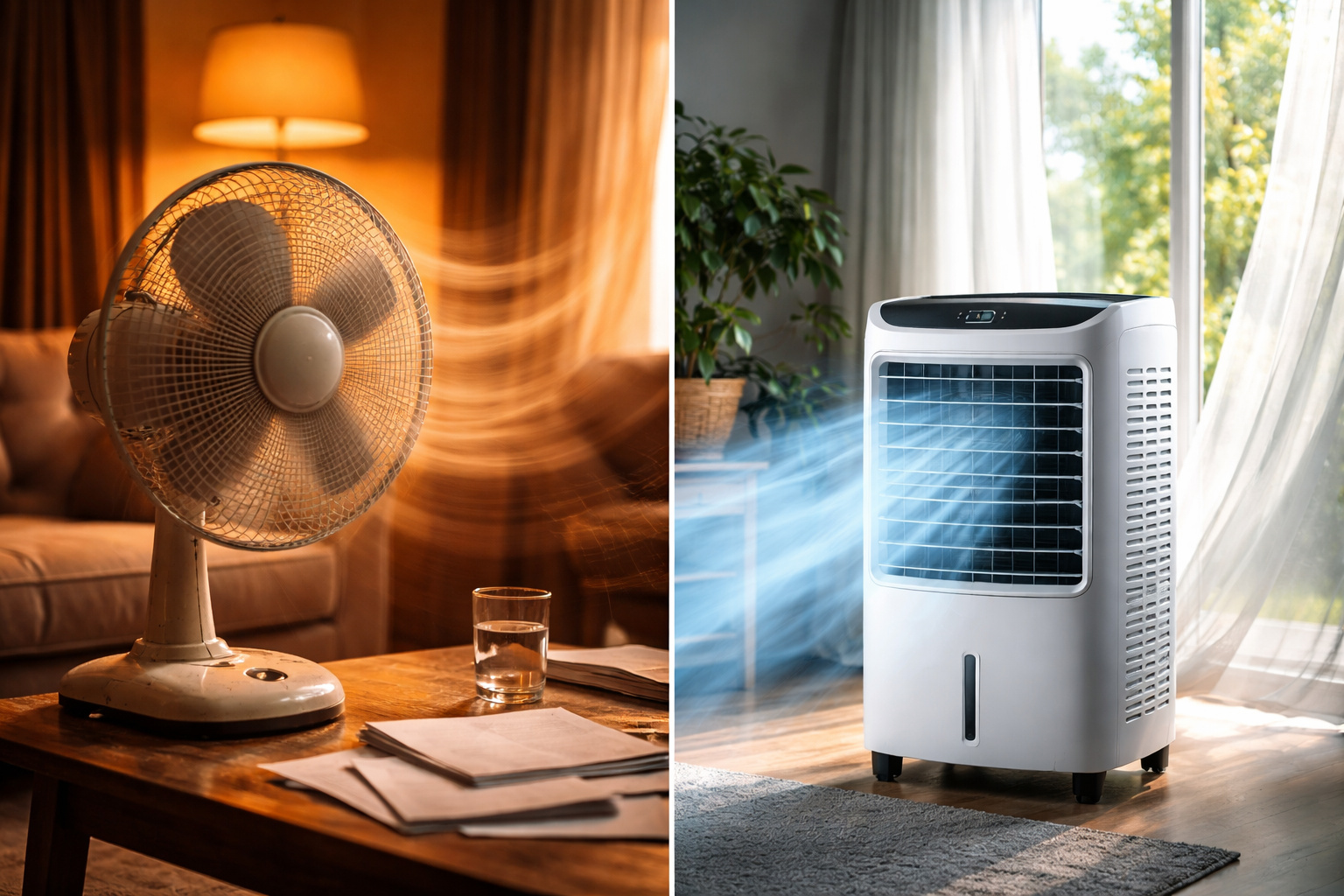
Evaporative coolers gain space in Brazil as a more economical alternative to air conditioning and more efficient than traditional fans.
In 2024 and 2025, the increase in average temperatures in Brazil and the rise in electricity tariffs drove the search for intermediate cooling solutions. Market data and reports indicate that the rising electricity bills led consumers and companies to seek more economical alternatives, with evaporative coolers gaining traction for consuming significantly less energy than air conditioning, according to a report published by the Terra portal.
At the same time, the increase in heat waves and the intensification of temperatures have raised the demand for cooling equipment in general, with searches for solutions like air conditioning and fans showing significant growth in the country, according to a survey reported by Band. In this context, evaporative coolers have gained space again, especially in the hotter and drier regions of the country. This movement represents not just a product change, but a direct adaptation of consumers to a scenario of high costs and the need for more efficient thermal comfort.
What is an evaporative cooler and how does it work
The evaporative cooler operates based on a simple physical principle: the evaporation of water. The equipment pulls in warm air from the environment and passes it through a moistened panel. During this process, part of the heat from the air is absorbed by the water, reducing the temperature before the air is returned to the environment.
-
350-year mystery may have been solved: remains of a soldier who inspired the hero of The Three Musketeers found beneath a church in the Netherlands.

-
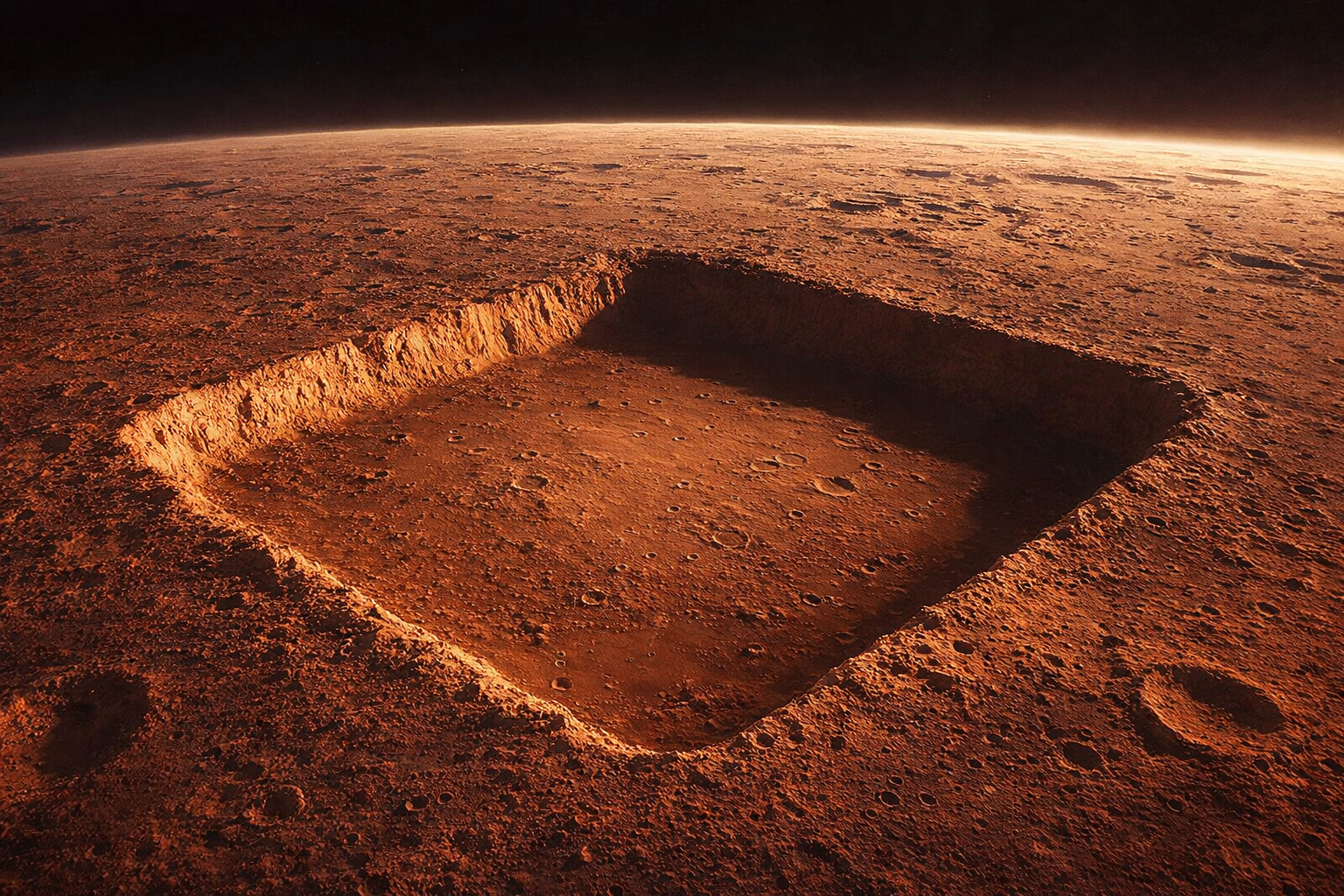
NASA photographed a nearly perfect square with 3 km sides on Mars, 13 times larger than the Great Pyramid of Giza, but the official explanation is natural erosion; still, no one has explained why the four sides have almost identical lengths.
-
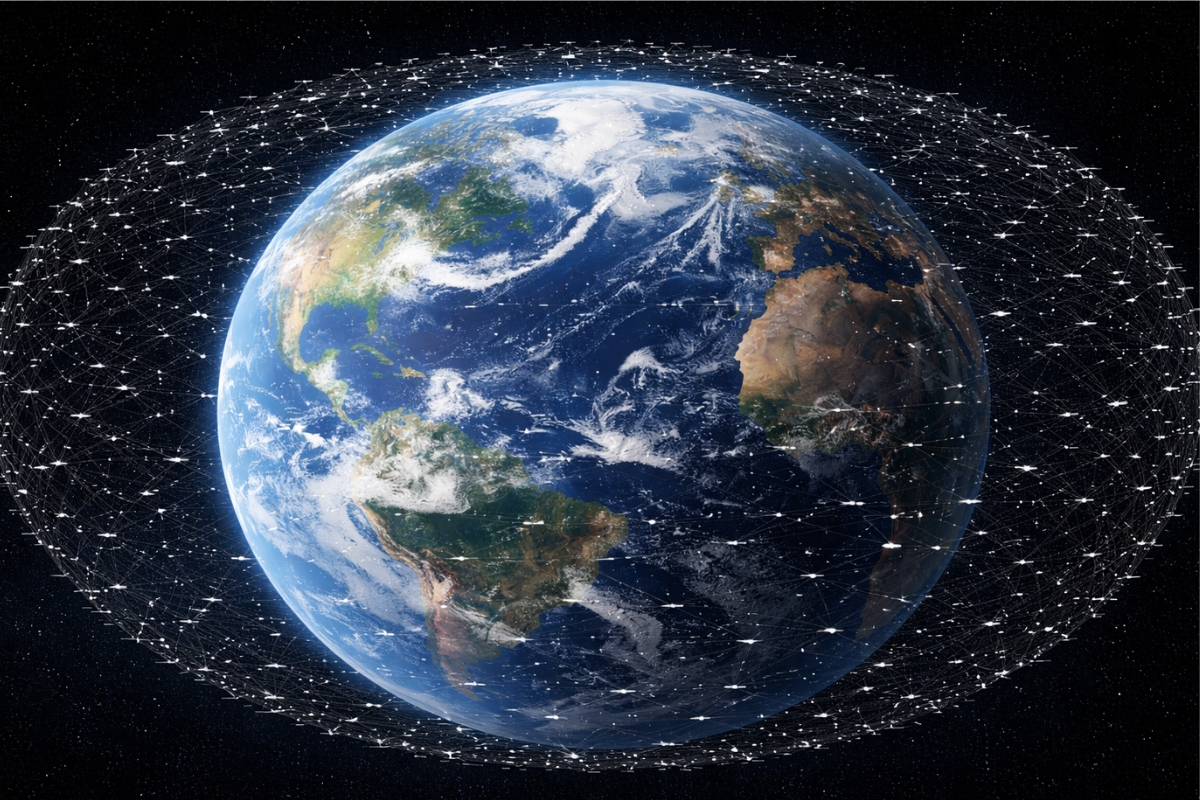
Starlink breaks the barrier of 10,000 satellites in orbit and takes its expansion to an unprecedented level, with a direct impact on global internet, technological competition, and the race for space.
-
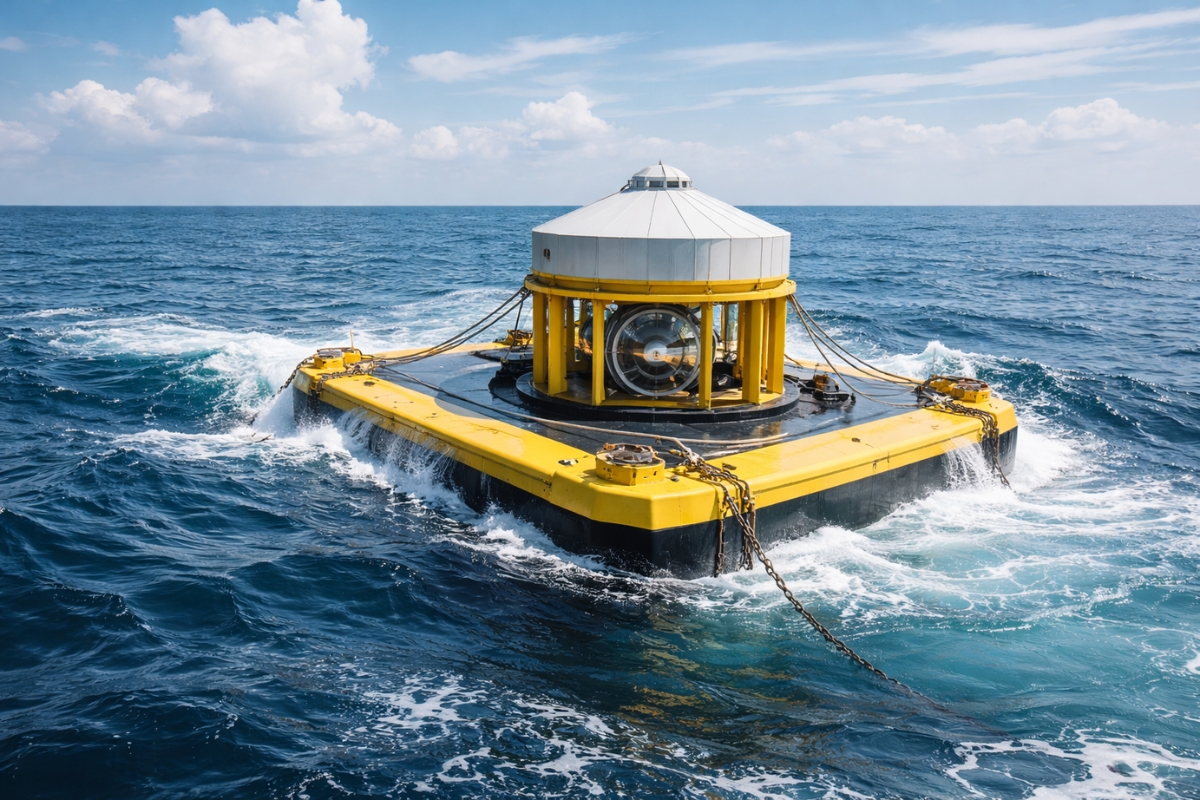
Japan finds an alternative to oil amid rising prices by transforming ocean balance into electricity with a new technology that maintains efficiency even when the sea changes.

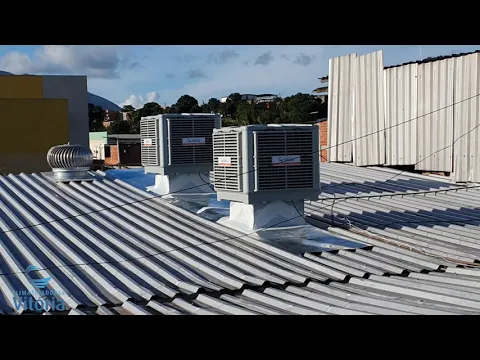

Unlike air conditioning, there is no use of refrigerant gas or compressor. This significantly reduces electricity consumption. The result is cooler and slightly humidified air, which can improve the thermal sensation in warm environments.
Difference between cooler, fan, and air conditioning
The comparison between the three devices helps to understand why the cooler has started to grow again. The fan only moves air without changing its temperature. On very hot days, it can even increase the sensation of heat by circulating warm air around the environment.
Air conditioning, on the other hand, effectively reduces temperature but with high energy consumption and installation costs.
The cooler occupies an intermediate space. It does not cool like an air conditioner, but it can reduce the ambient temperature by a few degrees with much lower consumption. This combination of efficiency and economy explains the renewed interest in the equipment.
Energy consumption: how much the cooler saves
One of the main factors driving the adoption of evaporative coolers is energy consumption.

While an air conditioner can consume between 1,000 and 2,000 watts, depending on the model, a cooler typically operates in the range of 70 to 200 watts.
This difference directly impacts the electricity bill, especially with continuous use during periods of intense heat.
In homes that partially replace the use of air conditioning with the cooler, savings can be significant over the month.
More affordable price and simple installation
Another decisive point is the initial cost. Evaporative coolers generally cost less than air conditioning systems and do not require complex technical installation. In many cases, it is enough to connect the equipment to power and fill the water reservoir.
This ease of use broadens access to the product, allowing it to be used in environments where the installation of air conditioning would be unfeasible, such as rental properties or small spaces.
The performance of the evaporative cooler is directly linked to climatic conditions. It works best in regions that are warm and have low relative humidity, where the evaporation process is more efficient. Under these conditions, the temperature reduction is more noticeable.
In very humid areas, such as coastal regions, the effect may be limited since the air already has a high concentration of moisture. This factor is crucial for the user experience and directly influences the efficiency of the equipment.
Domestic and commercial use: where the technology is being applied
The use of coolers is not limited to residences. They are also present in:
- commercial environments
- industrial warehouses
- restaurants
- stores
In larger spaces, industrial versions of the equipment are used to improve ventilation and reduce the thermal sensation without the high costs of central air conditioning systems. This versatility expands the reach of the technology in the market.
Why the fan is losing space
The fan continues to be widely used but faces clear limitations. In periods of extreme heat, especially during heat waves, the equipment becomes insufficient to ensure adequate thermal comfort. This leads consumers to seek more efficient alternatives.

The cooler emerges as an intermediate solution that addresses part of this problem without requiring the high investment of air conditioning. This behavioral change is gradual but consistent.
Despite the advantages, the equipment has restrictions. It does not completely replace air conditioning in environments that require strict temperature control, such as bedrooms at night in very hot regions.
It also depends on a constant supply of water and periodic cleaning to avoid dirt buildup and the proliferation of microorganisms. These factors need to be considered before adoption.
Why this trend is growing in Brazil
The expansion of the use of evaporative coolers is associated with three main factors. The increase in average temperatures, driven by extreme weather events, intensifies the need for cooling.
The high cost of electricity makes air conditioning less accessible for continuous use. And the availability of more modern and efficient equipment increases consumer interest. This combination creates a favorable scenario for intermediate cooling solutions.
The growth of evaporative coolers indicates a transition in consumer behavior. Instead of relying solely on high energy-consuming solutions, part of the population is starting to adopt alternatives that are more balanced between cost and efficiency.
This change does not eliminate the use of air conditioning but reduces its centrality in certain situations. And it is precisely this practical adaptation that explains why the cooler, after years in the background, has regained space in the Brazilian market.







Seja o primeiro a reagir!