





 English
  Francês
  Alemão
  Italiano
  Japonês
  Norueguês
  Portuguese
  Spanish
  6 min of reading
  0 comments


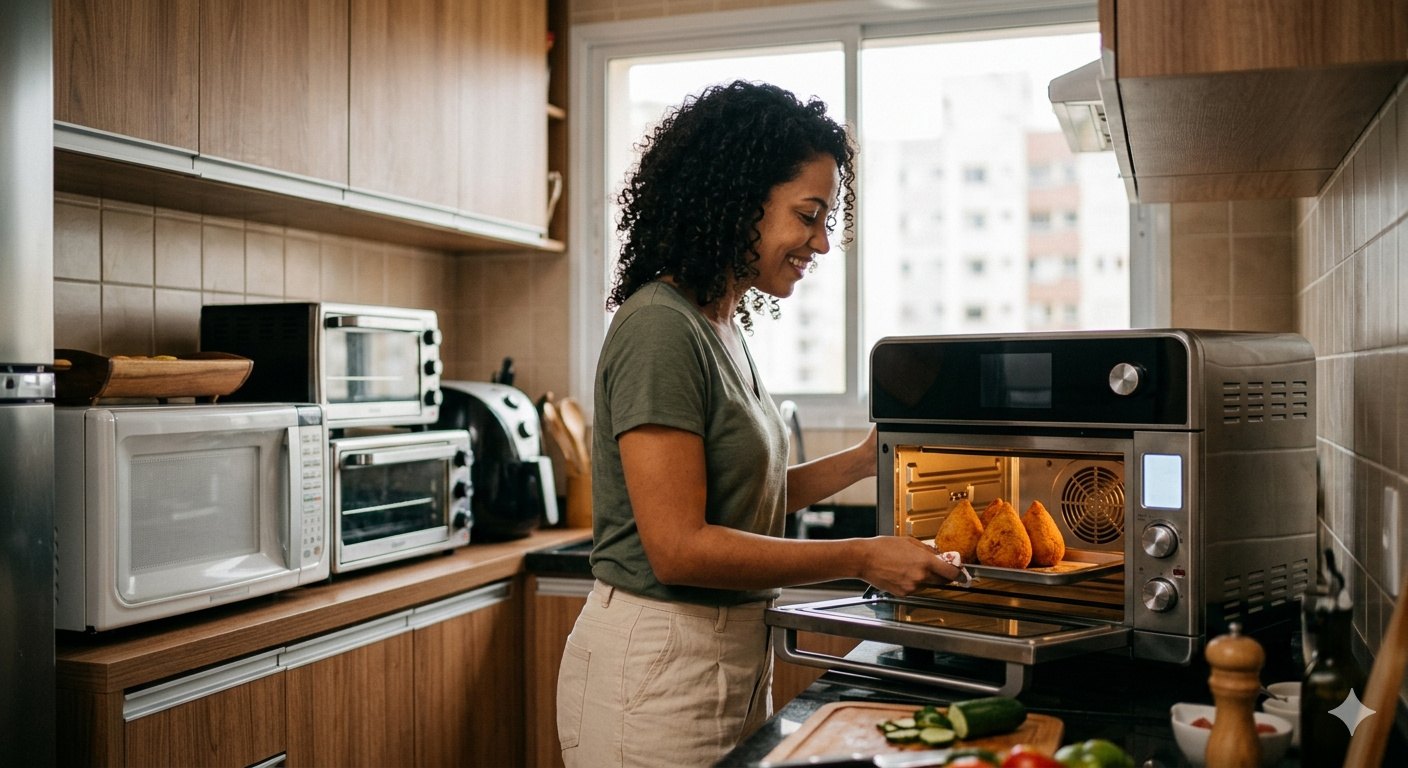
Multifunctional microwave combines oven, grill, and air fryer in a single appliance and begins to replace the traditional model in Brazilian kitchens.
According to experts in the home appliance sector and market analyses published by outlets such as Tribuna de Minas, the traditional microwave, present in the vast majority of Brazilian kitchens — is undergoing its biggest transformation since it arrived in the country in the 1980s. A new type of appliance is starting to gain ground: the multifunctional microwave, which combines oven, grill, and air fryer functions in a single device, driven by changes in kitchen profiles, reduced space in homes, and the search for greater efficiency in food preparation.
By 2026, this model ceased to be just a novelty and began to appear as one of the main buying trends in the medium and high-end home appliance market in Brazil. The discussion is no longer whether it will replace the traditional microwave, but at what pace this replacement will occur.
Limitations of the traditional microwave: why the old technology no longer meets consumer needs
There is a behavior so common in Brazilian kitchens that it has ceased to be perceived as a problem: food heated in the traditional microwave has inferior texture and quality compared to a stove or oven.
-
350-year mystery may have been solved: remains of a soldier who inspired the hero of The Three Musketeers found beneath a church in the Netherlands.

-
NASA photographed a nearly perfect square with 3 km sides on Mars, 13 times larger than the Great Pyramid of Giza, but the official explanation is natural erosion; still, no one has explained why the four sides have almost identical lengths.

-
Starlink breaks the barrier of 10,000 satellites in orbit and takes its expansion to an unprecedented level, with a direct impact on global internet, technological competition, and the race for space.

-
Japan finds an alternative to oil amid rising prices by transforming ocean balance into electricity with a new technology that maintains efficiency even when the sea changes.


Pizza with dried edges and a cold center, rubbery chicken on the outside and dry on the inside, rice hardened on the surface, and bread that loses softness when cooling are recurring results. These effects are not user errors, but structural limitations of the technology.


The conventional microwave uses electromagnetic radiation to agitate water molecules, heating food from the inside out. This method is efficient for quick heating but is unable to brown, gratin, or create crispness, and it has difficulty distributing heat evenly in foods with different densities.
For decades, this result was accepted as the cost of convenience. The microwave was fast, even if it did not deliver ideal quality. The new multifunctional model emerges precisely to eliminate this compromise between speed and result.
How the multifunctional microwave works: combination of oven, grill, and convection technologies
The difference of the multifunctional microwave lies in the integration of three technologies in a single appliance.
The first is the traditional magnetron, responsible for rapid heating through radiation, maintaining efficiency in the internal preparation of food. The second is the electric grill, which acts on the surface, allowing for browning, gratin, and creating crispy textures in meats, pasta, and various preparations.
The third technology is convection, which uses forced ventilation to distribute hot air evenly, replicating the operation of an electric oven or an air fryer. This system allows for baking cakes, preparing crispy meats, and even frying foods without oil.
In the most advanced models, these functions can operate in a combined or sequential manner, allowing the food to be cooked internally by the microwave and finished with crispness by the grill or convection. This combination reduces preparation time and significantly improves the final quality.
Smaller kitchens drive the multifunctional microwave in Brazil
The main force behind the expansion of this type of appliance is not just technological but structural. Brazilian properties, especially in large urban centers, have been decreasing in size. Compact apartments, studios, and units with integrated kitchens have become predominant in real estate launches.
In this context, maintaining three separate appliances — microwave, electric oven, and air fryer — becomes unfeasible. The limitation of counter space imposes a choice, and the multifunctional microwave emerges as a direct solution to this problem.
A single appliance replaces three, freeing up space and simplifying daily use. For those living alone or as a couple, the logic is immediate. In larger families, the gain appears in organization and the reduction of kitchen complexity.
Price of the multifunctional microwave in Brazil and comparison with traditional appliances
The Brazilian market already has different options for multifunctional microwaves. Manufacturers such as Brastemp and Philco offer models with combined functions, while international brands like Samsung and LG provide more advanced versions with convection and grill.
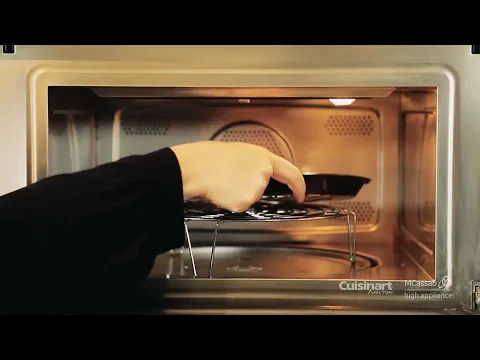
Prices range from R$ 800 to R$ 3,500, depending on capacity and functionalities. Although the price is higher than that of a traditional microwave, the cost becomes competitive when compared to the purchase of three separate appliances.
A basic microwave, an electric oven, and an air fryer can easily add up to more than R$ 1,000, in addition to taking up three times more space in the kitchen.
Limitations of the multifunctional microwave and where the traditional model is still advantageous
Despite the advantages, the multifunctional microwave does not completely eliminate the traditional model. The main difference lies in the simplicity of use. The conventional microwave requires only a few commands, while the multifunctional one demands configuration of modes, temperature, and time, requiring user adaptation.
Another relevant point is the dependence on a single appliance. In case of failure, all functions become unavailable simultaneously, unlike separate systems.
The preheating time in convection mode can also be longer than the immediate heating of the traditional microwave, which impacts users who prioritize absolute speed. These factors indicate that the traditional model will continue to be present in the market, especially in lower-income brackets, where the initial cost is decisive.
Change in consumer behavior drives a new generation of home appliances
The rise of the multifunctional microwave is directly linked to changes in Brazilian consumer behavior.
Interest in home cooking has significantly increased in recent years, driven by digital content and social media. The current consumer values the quality of preparation, texture, and final result of food more.

At the same time, the time available for cooking remains limited. This combination of high demand with the need for practicality creates the ideal environment for the adoption of multifunctional solutions.
The traditional microwave, which revolutionized the kitchen in the 1980s, no longer fully meets current expectations. The new standard demands more than just heating food: it requires quality, versatility, and efficiency in the same space.
Why the multifunctional microwave should become standard in modern kitchens
With the evolution of the real estate market, the reduction of space in kitchens, and the change in consumer profiles, the multifunctional microwave positions itself as a solution aligned with new demands.
It combines multiple functions in a single appliance, improves the quality of preparation, and adapts to the reality of compact kitchens.
The traditional microwave should not disappear immediately, but its relevance is likely to diminish in the coming years, especially in new projects and planned kitchens.
The appliance that occupies the central space of the counter needs to do more than just heat. And, by 2026, the Brazilian market begins to consolidate what this new standard will be.







Seja o primeiro a reagir!