





 English
  Francês
  Alemão
  Italiano
  Japonês
  Norueguês
  Portuguese
  Spanish
  3 min of reading
  0 comments


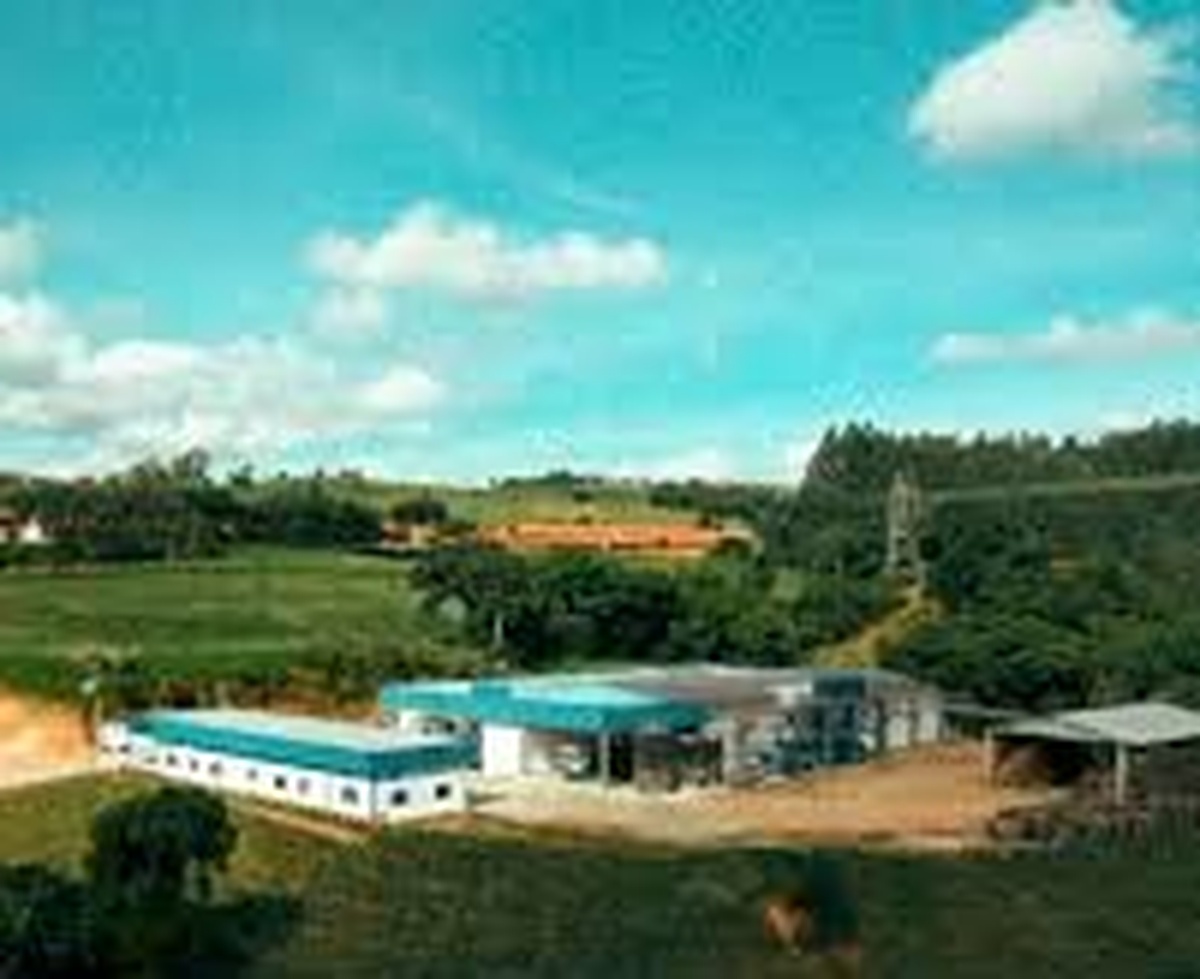
Solar photovoltaic solution installed in Santa Catarina shows, at the same time, energy efficiency, cost reduction, and consistent financial return in the industrial sector
Initially, the Becker Dairy Factory, located in Rio Fortuna (SC), implemented a solar system that directly reduced about 70% of electrical consumption. Furthermore, the project was structured with GoodWe technology, consolidating a significant advancement in energy efficiency.
At the same time, the solution was developed by Neolight Solar, in partnership with WS Representações, using two 75 kW HT series inverters. Additionally, more than 400 solar modules of 560 W were installed, increasing the industry’s own generation capacity.
technical solution and energy efficiency
Firstly, the project was sized to ensure high performance without increasing the contracted demand with the utility company. Thus, the strategy prioritized the balance between cost and efficiency.
-
350-year mystery may have been solved: remains of a soldier who inspired the hero of The Three Musketeers found beneath a church in the Netherlands.

-
NASA photographed a nearly perfect square with 3 km sides on Mars, 13 times larger than the Great Pyramid of Giza, but the official explanation is natural erosion; still, no one has explained why the four sides have almost identical lengths.

-
Starlink breaks the barrier of 10,000 satellites in orbit and takes its expansion to an unprecedented level, with a direct impact on global internet, technological competition, and the race for space.

-
Japan finds an alternative to oil amid rising prices by transforming ocean balance into electricity with a new technology that maintains efficiency even when the sea changes.

According to Tarcísio Weber from WS Representações, the client was looking for an efficient solution. In this sense, the combination of engineering and technology was considered ideal for the presented industrial scenario.
Moreover, the adopted system allows stable operation adapted to the production routine. Consequently, energy consumption was significantly reduced while maintaining operational reliability.
financial savings and return on investment
Subsequently, the financial results became clearly observable. According to Jonas Bianco, CEO of Neolight Solar, the monthly savings amount to approximately R$ 10,000.
Thus, considering the two-year operating period, which began prior to the consolidation of current data, the accumulated savings have already surpassed R$ 200,000.
Furthermore, this financial return occurs proportionally to the investment made. Therefore, the project demonstrates economic viability within a reduced timeframe.
technical partnership and continuous support
At the same time, the partnership between Neolight Solar and GoodWe stands out for its continuous technical support. In this context, the integration between teams facilitates the execution and maintenance of the system.
According to Paulo César, engineer and CEO of Neolight Solar, the relationship between the companies directly contributes to the efficiency of the projects. Additionally, post-sale support is highlighted as a relevant differentiator.
Thus, the collaboration between technical teams allows for quick responses and greater operational security. Consequently, the system’s performance is maintained at high levels.
impact of solar energy on the productive sector
Finally, the project reinforces the role of solar energy in the Brazilian industrial sector. According to Fábio Mendes, vice president of GoodWe South America, the solution demonstrates the adaptability of the technology to different operations.
Moreover, the executive emphasizes that the initiative highlights the capacity of solar energy to generate real savings and sustainability. Thus, the project contributes to the transformation of the energy matrix in the country.
Therefore, by integrating technology, efficiency, and cost reduction, the initiative consolidates a replicable model for other industries. In light of this, to what extent can solutions like this accelerate the adoption of solar energy in the Brazilian productive sector?







Seja o primeiro a reagir!