





 Portuguese
  English
  Spanish
  3 min of reading
  0 comments


Integration of Systems Promises to Unite Mobile and Desktop Resources in Response to the Advancement of the iPad
Since June 2024, speculation about the merger between Android and ChromeOS has grown significantly.
Especially after Google announced that ChromeOS would start using the Android kernel.
This decision, as reported by Android Authority in November 2024, indicated that the giant planned to fully integrate the platforms.
This unification provides optimized access to Gemini tools, including updated APIs and frameworks.
The clearest confirmation came with the informal statement from Sameer Samat, President of the Android Ecosystem.
The executive explained that the company is deeply interested in understanding how users combine laptops and mobile devices in their daily lives.
This reinforces the need to unify operating systems into a single solution.
Integration Promises to Optimize User Experience
Chromebooks have been running Android apps for quite some time.
This makes the synergy between the platforms evident.
This compatibility has allowed users to access tools initially created for tablets.
This facilitates the use of mobile apps in a desktop environment.
-
A street vendor from Praia Grande built a robot made of scrap from scooters and washing machines that pulls his popcorn cart on the beach, emits sounds, and interacts with customers, becoming an attraction on the coast of São Paulo.

-
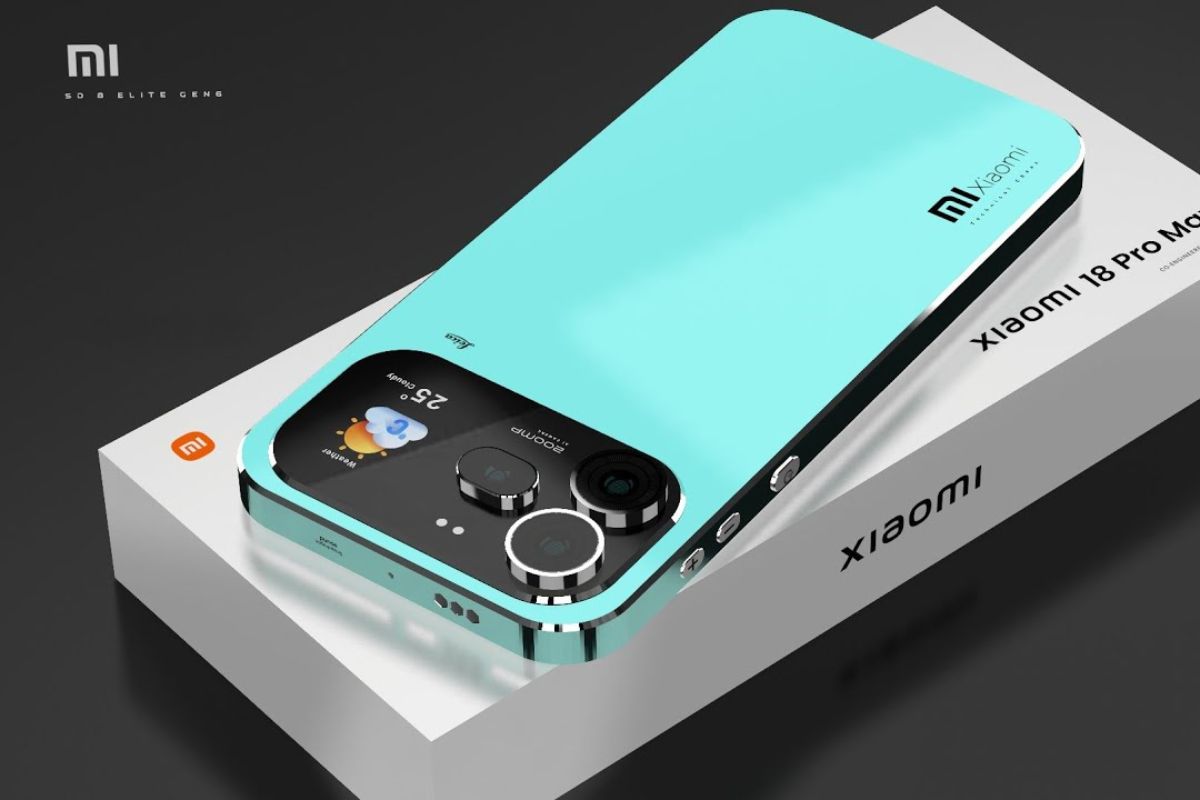
The specifications of the Xiaomi 18 Pro Max have been leaked, and the highlight is a dual 200 MP camera with a new 22-nanometer technology that promises to consume less energy and capture details in shadows and bright areas using LOFIC HDR.
-
If the trip to the Moon were a hoax, it would be necessary to keep the secret among 400,000 people for more than 50 years and to deceive even the Soviet Union, which was tracking the radio signals coming from the exact direction of the satellite during each Apollo mission.

-
Artemis 2 launches at 7:35 PM with four astronauts and ends a 50-year fast in lunar orbit: the SLS rocket departs from Florida, the mission lasts 10 days, circles the far side, and tests Orion in a free-return trajectory.


Moreover, Android 16, launched in June 2025, brought important innovations to bring the operating system closer to the world of computers.
Among the new features is the desktop mode, which transforms smartphones and tablets into laptops when connected to external monitors.
The system gained support for resizable windows.
This feature was inspired by iPadOS 26, recently launched by Apple.
Therefore, the total integration between the systems promises a smoother experience.
It meets the demands of those seeking mobility without giving up advanced productivity features.
Goal is to Increase Competitiveness Against the iPad
Historically, rumors about the merger between Android and ChromeOS have circulated since the first Chromebooks compatible with mobile apps.
However, it was only after consistent moves, such as the adoption of the Android kernel by ChromeOS, that the plan gained credibility.
With this strategy, Google hopes to offer a robust, flexible, and intuitive platform.
The company is directly targeting the iPad user base.
This indicates that integration could boost wearable devices, TVs, and automotive systems that already run versions of Android.
Trend is to Strengthen the Entire Google Ecosystem
The convergence between Android and ChromeOS, therefore, is part of a broader movement by Google to unify its technologies.
Furthermore, this change ensures more integrated access to tools like Gemini and other artificial intelligence resources.
Thus, internal sources claim that this merger could result in faster updates and greater compatibility of applications.
New formats of interaction between devices are also expected to emerge soon. As a result, the expectation of launching the unified platform in the coming months shows that the tech giant is betting heavily on integration.
In this way, the goal is to remain relevant in a market increasingly dominated by the versatility of Apple devices.
Therefore, the union of platforms aims to simplify the user’s life.
Above all, it ensures that Google remains competitive in a scenario where mobility, productivity, and connectivity are priorities.






-

-

-

6 pessoas reagiram a isso.