





 Português
  Inglês
  Espanhol
  4 min de leitura
  0 comentários


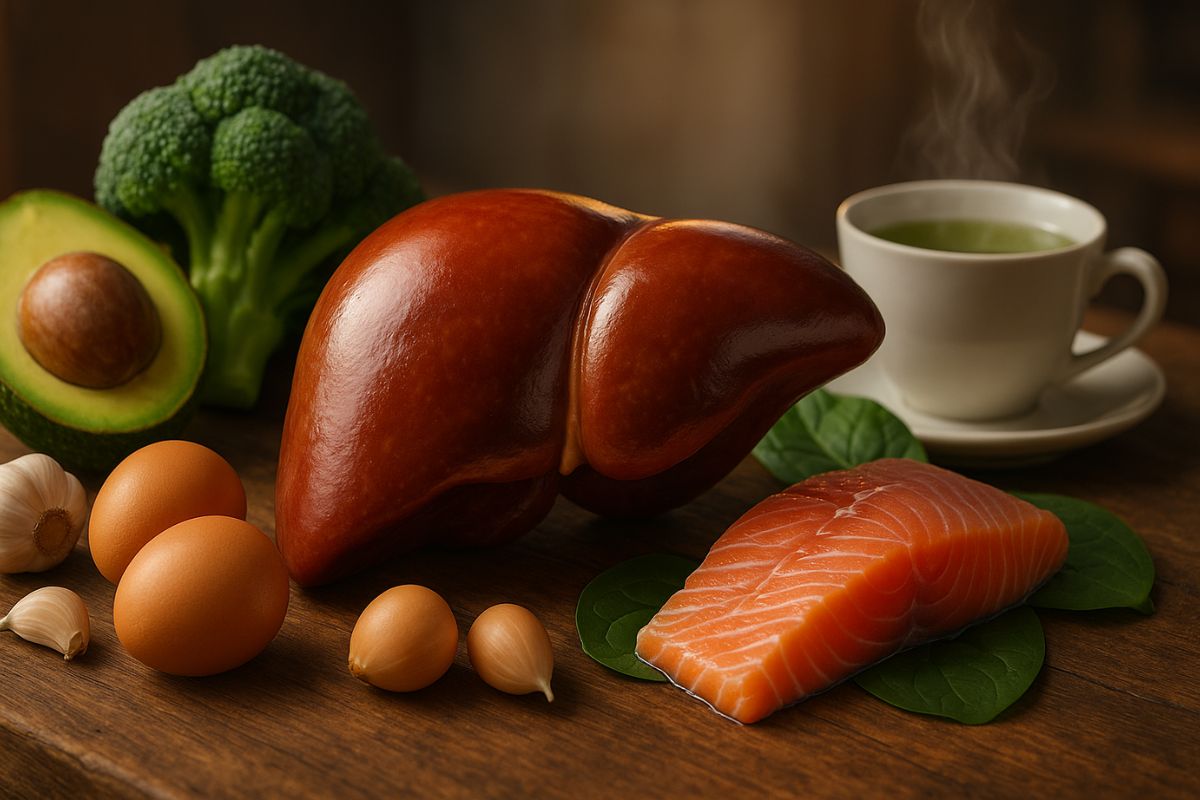
Complete Guide by Dr. André Wambier Shows How 12 Carb-Free and Sugar-Free Foods Help Reduce Liver Fat, Fight Inflammations, and Stimulate Fat Burning.
Liver fat does not arise only from fat consumption, but mainly from excess carbohydrates and sugars that the body converts into triglycerides in the liver. This process, called lipogenesis, is the true driver of steatosis.
The good news is that, according to Dr. André Wambier, adopting a diet based on carb-free and sugar-free foods can reduce inflammation, improve insulin sensitivity, and reactivate fat burning. Below, check out the 12 foods that fulfill this role.
Why Does the Liver Produce Fat Even If You Don’t Eat Fat?
The excess of bread, pasta, sweets, and juices directly stimulates fat production in the liver.
-
While Argentina relies on the USA to provide communications, data transmission, and electronic warfare for the F-16, Brazil is accelerating with the Gripen and integrating the Link-BR2, a national technology that strengthens air defense.

-
The daily shower that seems harmless now worries specialists: a shower uses 6 to 15 liters per minute and is at the center of the water crisis.

-
Goodbye capsule coffee maker: consumers around the world are replacing the old item with this machine that grinds beans on the spot, reduces waste, and cuts recurring coffee expenses.
-
Measuring about 44 meters in length, with a nuclear reactor and retractable wheels in its hull, the NR-1 was the only atomic research submersible in the world capable of moving along the ocean floor and remaining submerged for weeks.


When insulin levels rise, the body stores energy in the form of triglycerides, resulting in steatosis.
According to Dr. André Wambier, the key is to control glucose spikes.
This can be achieved by choosing foods rich in proteins, fibers, and healthy fats that maintain satiety without triggering insulin. This strategy is the foundation for reducing liver fat.
12) Avocado
Avocado is rich in monounsaturated fats, potassium, and magnesium, which nourish cells and aid in hormonal balance.
It contains Avocatin B, a compound associated with improved insulin sensitivity.
A recent study showed that eating one avocado a day improves sleep and reduces LDL cholesterol, crucial factors for those battling liver fat.
Combine it with extra virgin olive oil to enhance its anti-inflammatory effect.
11) Canned Sardines (with Oil)
Canned sardines are one of the most affordable sources of omega-3, calcium, and vitamin B12, nutrients that reduce inflammation and strengthen metabolism.
The oil in the can contains EPA and DHA, so it should not be discarded.
According to Dr. André Wambier, discarding sardine oil is wasting nutrients that combat liver and heart inflammation.
A serving is equivalent in calcium to a glass of milk and also provides high biological value protein.
10) Mushrooms
Mushrooms like champignon, shiitake, and portobello provide fibers, minerals, and antioxidants with virtually zero carbohydrates.
They also modulate immunity, enhancing the fight against inflammation.
Recent research links mushroom consumption to protection against certain types of cancer, reinforcing the idea that “food is medicine.”
In diets to reduce liver fat, they serve as a light and nutritious base.
9) Eggs
Eggs are a complete protein and a source of choline, an essential nutrient for liver fat metabolism.
For a long time, they were unjustly blamed for high cholesterol.
Modern studies confirm that the problem is not the egg, but rather inadequate accompaniments, like frying in poor oils and refined breads.
Prepared simply, they are allies of liver health.
8) Kale
Kale is rich in vitamin K1, lutein, and sulforaphane, compounds that protect bones, vision, and heart.
In the liver, it promotes natural detoxification and helps maintain calcium balance.
According to Dr. André Wambier, those on anticoagulants or with thyroid issues should moderate raw consumption, preferring cooked or sautéed preparations.
This way, they maintain benefits without risks.
7) Red Meats
Red meats from pasture-raised animals provide complete proteins, heme iron, and vitamin B12 in high bioavailability.
These nutrients are essential for energy, muscle building, and combating fatigue.
When prepared without excess poor oils and accompanied by vegetables, meats help in the recovery of the body and do not contribute to the accumulation of fat in the liver.
6) Pecans
Pecans offer monounsaturated fats, fibers, and minerals with very few net carbohydrates.
They are perfect for snacking between meals, as they reduce the desire for sweets.
A small handful already helps to control blood sugar and sustain satiety, which indirectly contributes to reducing liver fat.
5) Aged Cheeses
Cheeses like parmesan, cheddar, brie, and camembert are sources of vitamin K2, essential for calcium metabolism and cardiovascular health.
They provide high-quality proteins and fats.
The key is moderation: when consumed without excess and in whole versions, they can compose a diet that combats liver fat.
4) Cruciferous Vegetables
Broccoli, cauliflower, cabbage, and arugula contain sulforaphane and other phytochemicals that activate liver detox enzymes.
They cleanse toxins and reduce insulin resistance.
According to Dr. André Wambier, a serving of cruciferous vegetables in two daily meals already helps the liver work more efficiently.
3) Seafood
Shrimp, oysters, mussels, and squid offer pure protein, iodine, zinc, and selenium.
These minerals are essential for the thyroid, an organ that regulates energy metabolism.
Regular consumption aids in hormonal regulation and indirectly helps to reduce liver fat, especially in people with insulin resistance.
2) Fresh Herbs and Spices
Parsley, cilantro, mint, turmeric, ginger, and cinnamon are powerful antioxidants with zero carbohydrates.
They optimize digestion and reduce inflammation.
Herbs and spices transform simple meals into therapeutic strategies against liver fat, in addition to reducing the need for ultra-processed sauces.
1) Pork

Pork, especially lean cuts like loin and pork tenderloin, is rich in thiamine (vitamin B1) and quality protein.
For a long time it was considered a villain, but recent studies have debunked this myth.
According to Dr. André Wambier, the natural fat in pork is stable and can be healthier than refined oils, as long as processed deli meats are avoided.
Liver fat is a direct result of excess carbohydrates and sugars, not just from fats in the diet.
Choosing low-carb, nutrient-rich, and anti-inflammatory foods is an effective way to reduce hepatic steatosis and improve quality of life.
And you, do you already consume any of these 12 foods in your daily life? Have you noticed changes in energy, sleep, or health exams? Share your experience in the comments — your account can help others who also face liver fat issues.






-

-

-

-

4 pessoas reagiram a isso.