





 English
  Francês
  Alemão
  Italiano
  Japonês
  Norueguês
  Portuguese
  Spanish
  5 min of reading
  0 comments


Mountain Gorilla Population Grows from Fewer Than 300 Individuals in the 1980s to Over 1,000 Today After Decades of Conservation and Ecotourism.
For much of the 20th century, many scientists believed that the mountain gorilla (Gorilla beringei beringei) could disappear from the wild. The species, which lives in the mountainous forests of Central Africa, faced a devastating combination of threats: poaching, habitat destruction, regional wars, and diseases.
By the 1980s, the situation reached a critical point. Research indicated that fewer than 300 mountain gorillas survived in the wild, distributed in small isolated populations in the Virunga Mountains and the Bwindi forest.
Decades later, the scenario changed dramatically. Thanks to intensive conservation programs, park patrols, and ecotourism initiatives, the population of the species surpassed the mark of 1,000 individuals, making the mountain gorilla one of the greatest examples of species recovery.
-
350-year mystery may have been solved: remains of a soldier who inspired the hero of The Three Musketeers found beneath a church in the Netherlands.

-
NASA photographed a nearly perfect square with 3 km sides on Mars, 13 times larger than the Great Pyramid of Giza, but the official explanation is natural erosion; still, no one has explained why the four sides have almost identical lengths.

-
Starlink breaks the barrier of 10,000 satellites in orbit and takes its expansion to an unprecedented level, with a direct impact on global internet, technological competition, and the race for space.

-
Japan finds an alternative to oil amid rising prices by transforming ocean balance into electricity with a new technology that maintains efficiency even when the sea changes.


Where Mountain Gorillas Live
Mountain gorillas live in only two regions of the planet. The first is the Virunga mountain range, a series of volcanoes that extends across three Central African countries: Rwanda, Uganda, and the Democratic Republic of the Congo. The second population resides in the Bwindi Impenetrable Forest, located in southwestern Uganda.
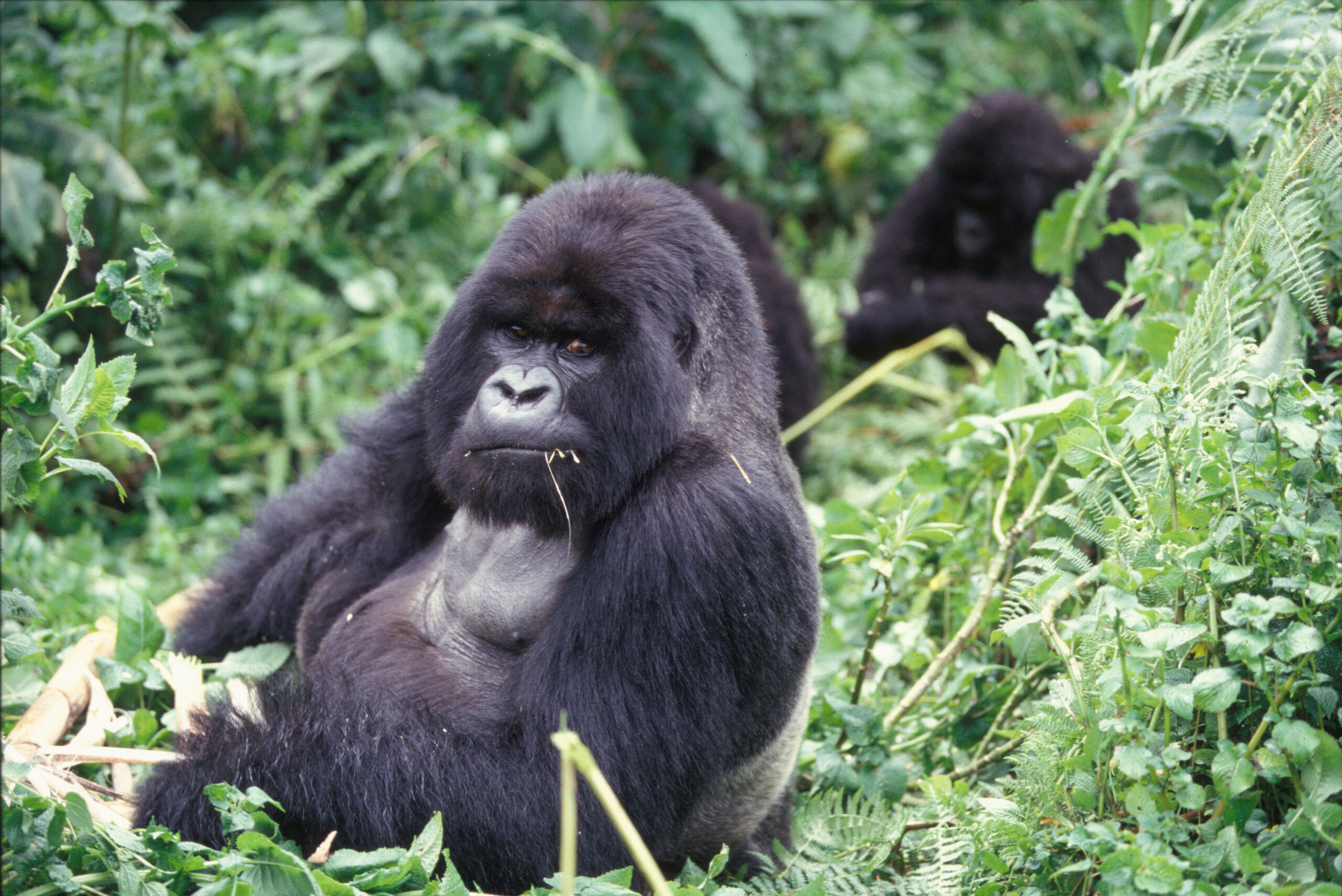
These areas are characterized by dense, high-altitude forests, typically between 2,200 and 4,000 meters above sea level. The cold and humid climate of these mountains created a unique habitat that supports a large diversity of species.
Within these forests, gorillas live in family groups led by a dominant male known as a silverback, recognized by the stripe of silver hair on its back.
The Moment the Species Nearly Disappeared
The recent history of mountain gorillas has been marked by a critical period of population decline. During the 1960s, 1970s, and 1980s, the Virunga mountain region faced intense human pressure. Population growth around national parks led to deforestation and agricultural expansion.
At the same time, gorillas also became victims of illegal poaching and traps intended for other animals, such as antelopes. The situation was worsened by armed conflicts in the region, which made the work of researchers and park rangers difficult.
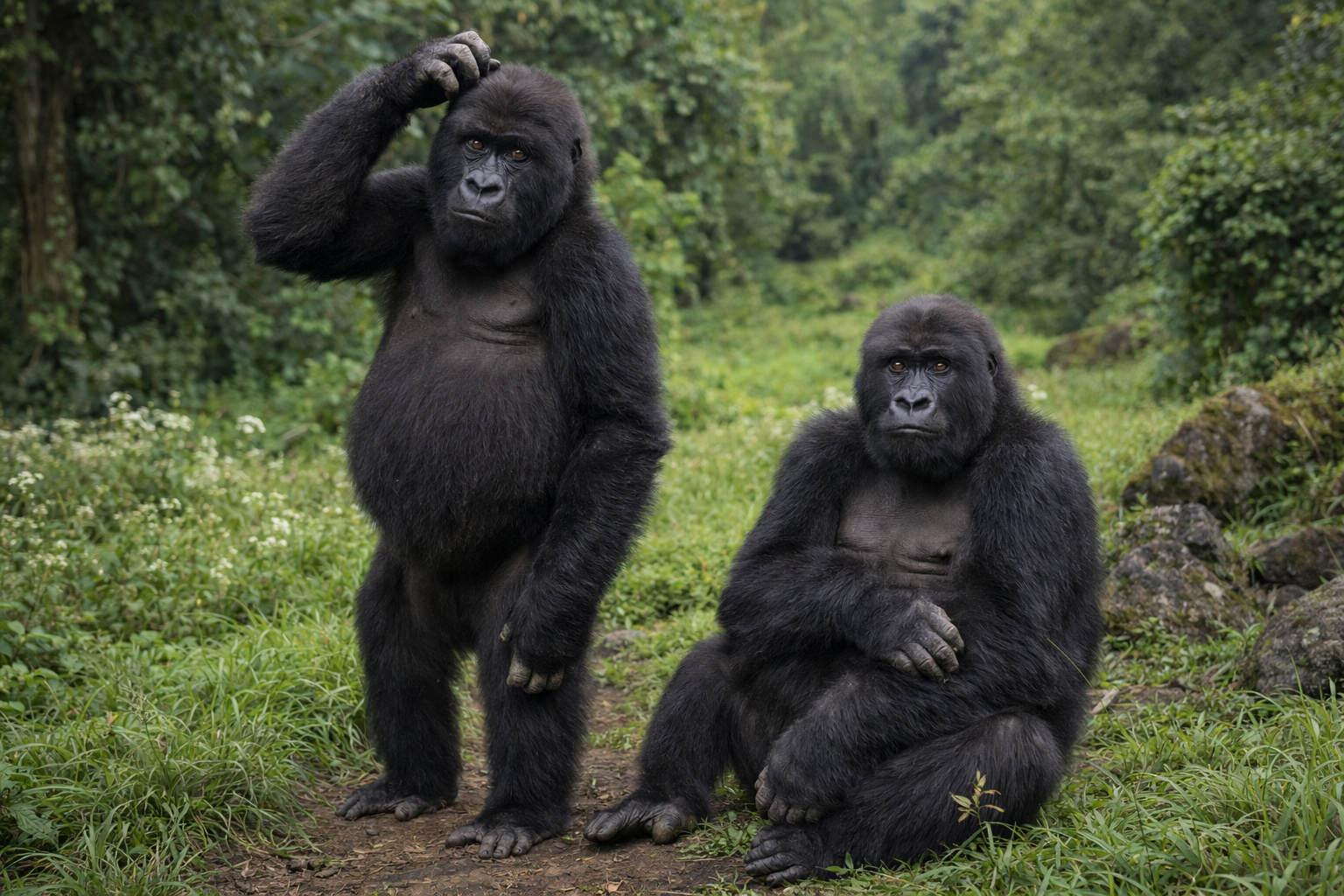
In the 1980s, some studies estimated that only about 250 to 300 mountain gorillas remained alive, leading many experts to fear that the species would disappear in the following decades.
The Turning Point in Conservation Efforts for the Species
The recovery of mountain gorillas began to gain momentum through a series of international conservation initiatives. Among the most important measures were:
- Creation of protected areas and national parks;
- Intensive patrols against illegal poaching;
- Scientific monitoring programs for populations;
- Involvement of local communities in gorilla protection.
One of the historical milestones of this movement was the work of primatologist Dian Fossey, who dedicated decades to studying and protecting gorillas in the Virunga Mountains. Her research helped draw international attention to the critical situation of the species and contributed to the development of more robust conservation programs.
The Role of Ecotourism in Recovery
One of the most important factors in the recovery of the gorilla population was the development of regulated ecotourism. In countries like Rwanda and Uganda, visitors can participate in guided expeditions to observe gorillas in the wild.
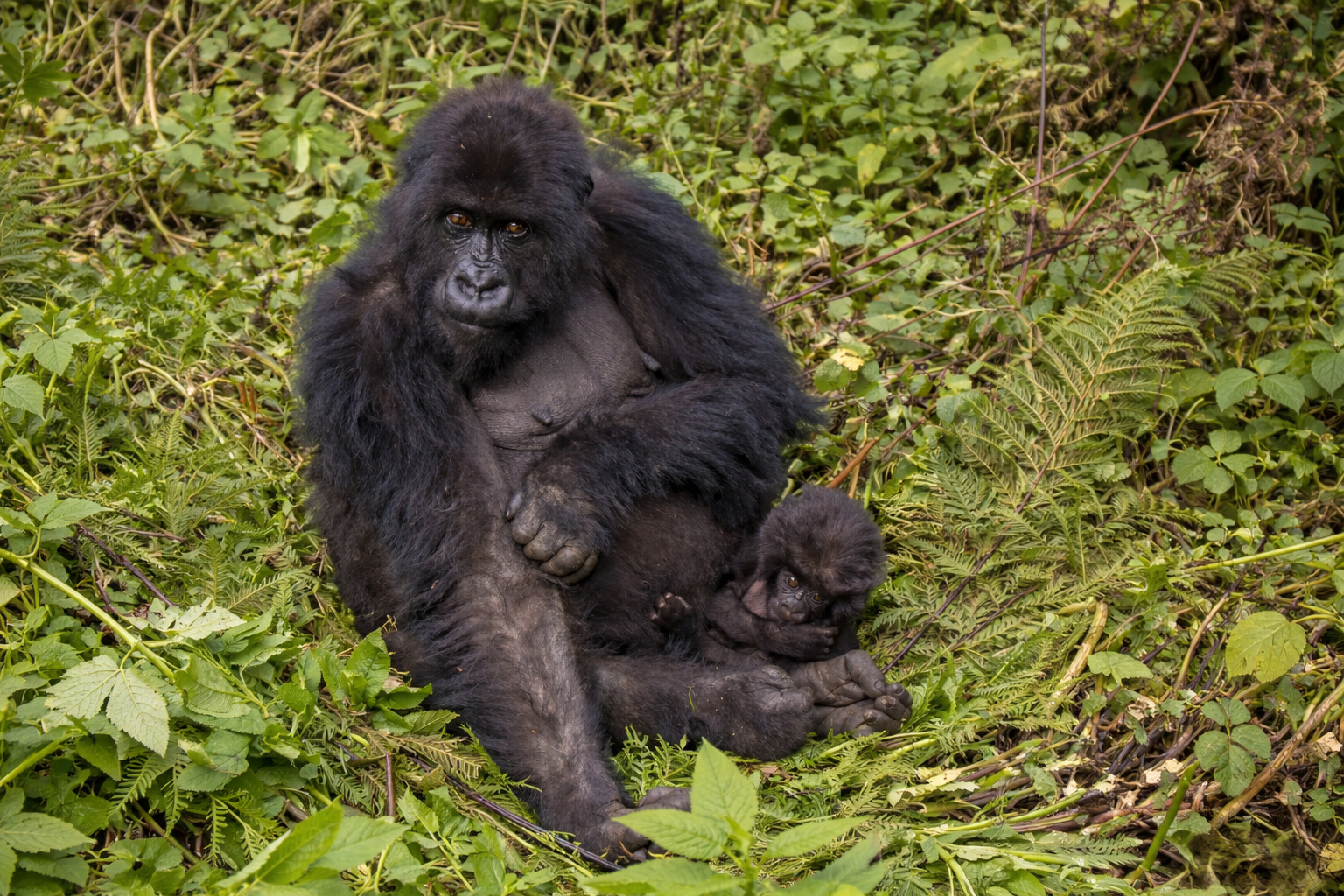
These visits are carefully regulated, with a limited number of tourists per day, restricted observation time, and a minimum distance from the animals. The resources generated by this tourism are used to fund park protection, pay salaries for park rangers, and support community projects in the areas surrounding the forests.
This model created a direct economic incentive for species preservation, as the presence of the gorillas began to generate financial benefits for local communities.
The Recovery of the Population
The results of these initiatives began to emerge over the last few decades. Scientific censuses conducted in the region indicated a gradual population growth. In 2018, an international survey estimated that there were approximately 1,063 mountain gorillas in the world.
This number represents more than three times the estimated population in the 1980s. Although the species continues to be classified as endangered, the population growth represents an important victory for conservation efforts.
Unique Characteristics of Mountain Gorillas
Mountain gorillas are the largest subspecies of gorilla. An adult male can reach up to 1.8 meters in height when standing and weigh over 180 kg. Despite their impressive size, these primates have a predominantly vegetarian diet, based on leaves, shoots, fruits, and tree bark.
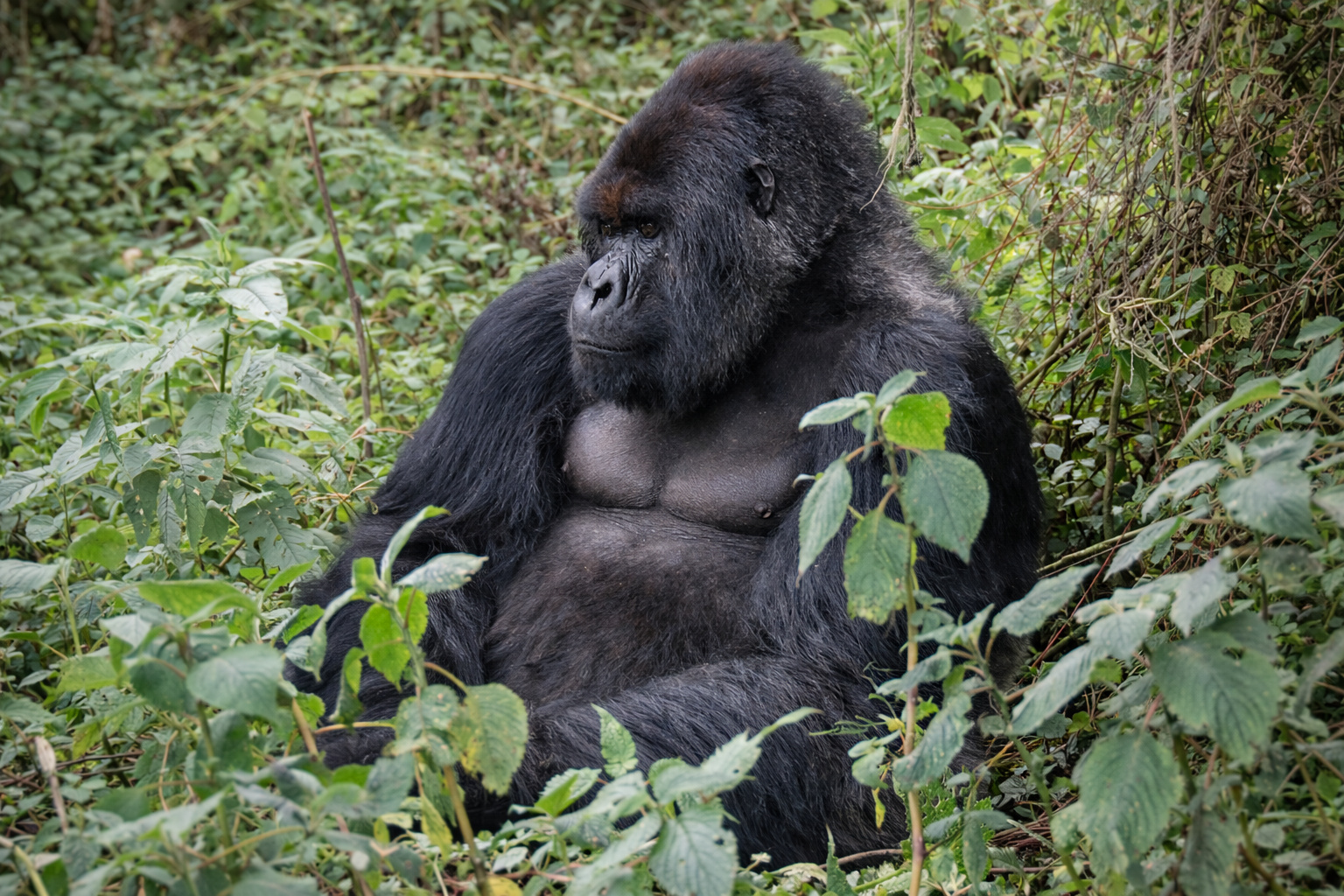
They live in complex social groups and display highly intelligent and cooperative behaviors. Gorillas also have significant ecological importance, as they help disperse seeds and maintain the balance of the forests they inhabit.
Challenges That Still Threaten the Species
Despite the population recovery, mountain gorillas still face various challenges. Among the main threats are diseases transmitted by humans, habitat loss due to agricultural expansion, armed conflicts in some regions, and illegal traps intended for other animals.
Another concerning factor is that the entire population of the species lives in a relatively small area. This geographical concentration increases the risk that events such as epidemics or regional conflicts could quickly affect a large part of the population.
One of the Greatest Successes in Global Conservation
Even with these challenges, the recent history of mountain gorillas is considered one of the greatest examples of success in wildlife conservation. The recovery of the population demonstrates that well-structured protection programs can reverse seemingly irreversible situations.


This case also highlights the importance of international cooperation, as species preservation involves joint efforts from governments, scientific organizations, and local communities.
Today, with the population surpassing one thousand individuals, the mountain gorilla symbolizes something rare in the global biodiversity landscape: a species that has managed to come back from the brink of extinction thanks to directed human action to protect it.







Seja o primeiro a reagir!