





 Portuguese
  English
  Spanish
  3 min of reading


The Social Tariff Provides Discount on Electricity Bills for Low-Income People Who Enroll in the Program
The electricity bill has stood out as one of the most expensive bills in Brazil. But to alleviate the high cost of electricity, Equatorial Energia developed a project, the social tariff, which is currently open for applications, to assist low-income individuals with discounts on their electricity bills.
Thus, the E+ Community, a program that helps citizens obtain various government benefits, will assist people from some municipalities in the state of Pará in enrolling in the social tariff, which grants low-income individuals a discount of up to 65% on their electricity bills. Furthermore, the new social tariff project also provides the population with tips on how to reduce energy consumption and offers other services such as bulb replacement, tree pruning, debt negotiation, and more.
Eligible Individuals for Enrollment in the Social Tariff
According to the website noticiasconcursos.com.br, to qualify for the social tariff, which provides discounts on electricity bills, interested citizens must meet the following requirements: Be elderly aged 65 or older; Have a monthly family income per person equal to or less than half the minimum wage; Have a gross monthly income of up to 3 minimum wages, with a family member suffering from an illness or severe disability requiring permanent use of an electric device; Be a person with a disability who receives the Continuous Cash Benefit; Have a family registered in the government’s CadÚnico;
-
China alone accounts for 70% of trade within the BRICS, while Brazil establishes itself as an essential supplier of food and minerals: understand how the group, which already represents nearly 40% of the world’s GDP, is changing the game.

-
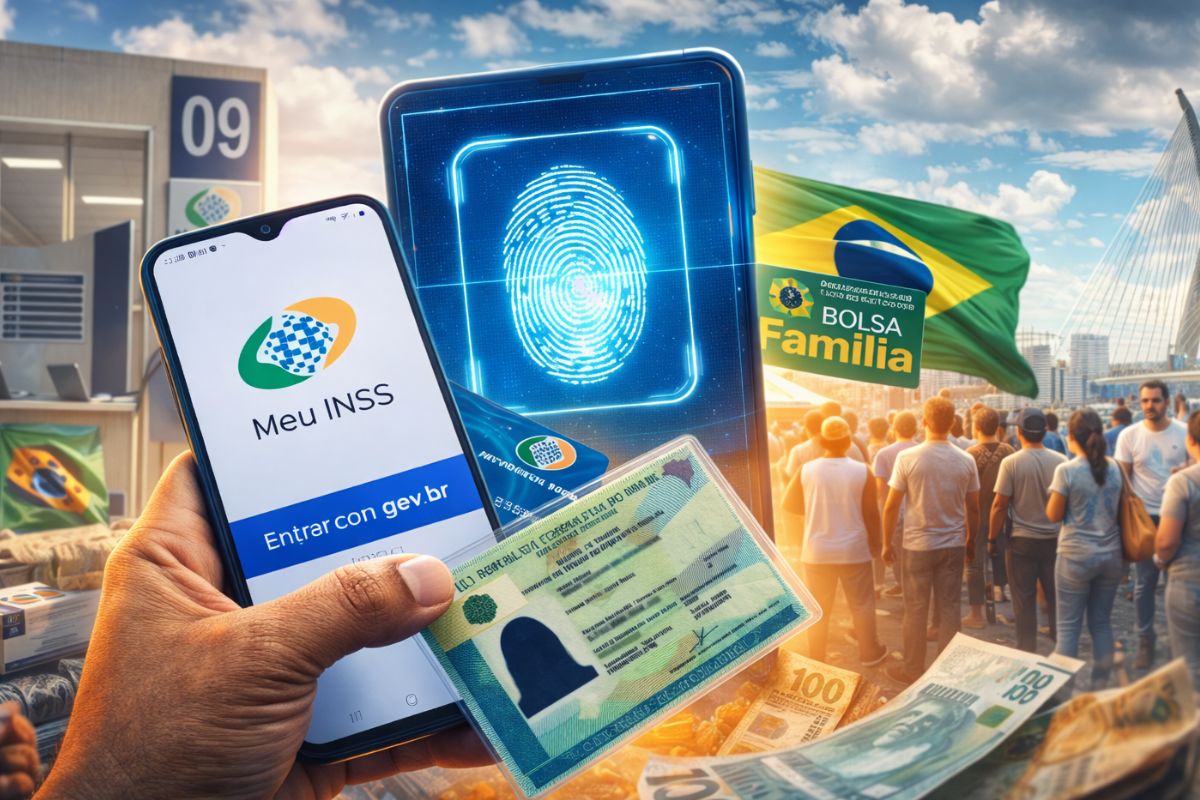
Starting in May, those who do not have registered biometrics will not be able to apply for Bolsa Família, sickness benefits, or unemployment insurance: understand the new rule that changes access to benefits for millions of Brazilians.
-
A new law being voted on in Brazil proposes a minimum fare of R$ 10 per trip and R$ 2.50 per kilometer for Uber and 99 drivers, and promises to ensure they earn as well as taxi drivers did during the golden age of taxis in the country.
-
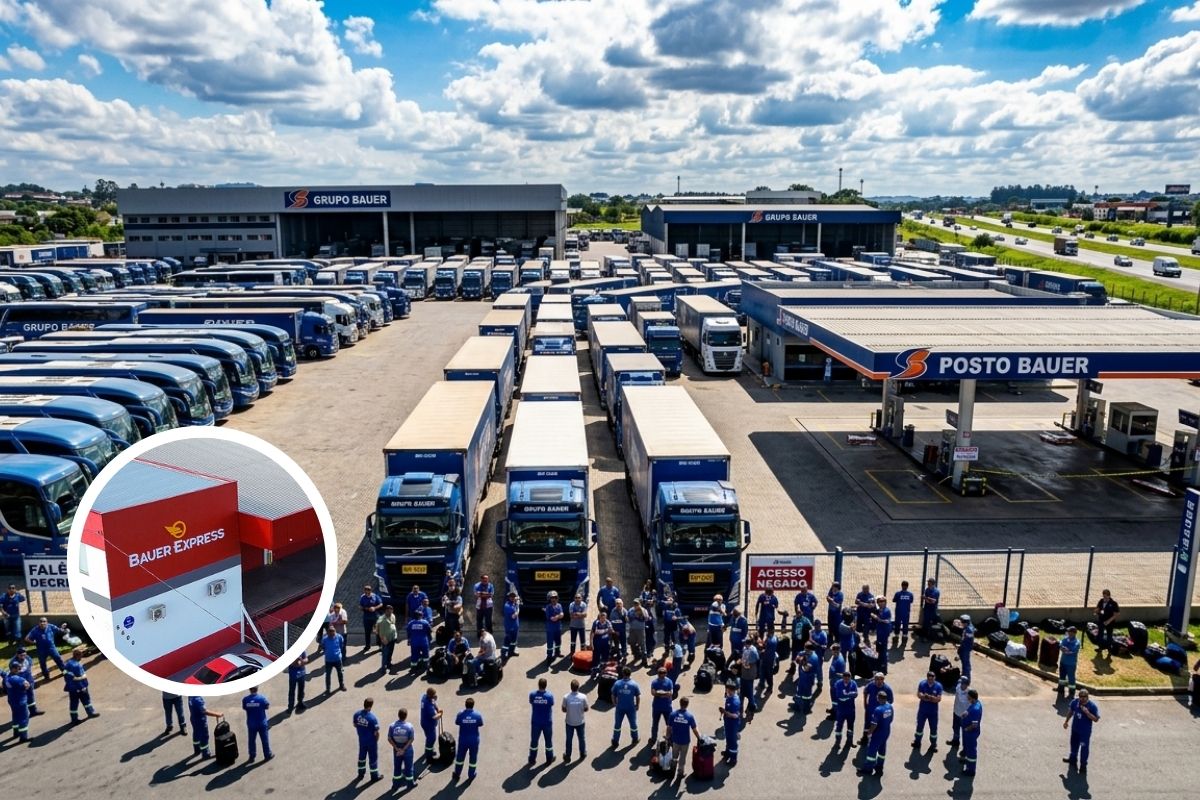
Bauer Group collapses after failed judicial recovery: 25 years, 800 vehicles, and a network of gas stations leave a debt of R$ 50 million and 100 layoffs, exposing costs, tight margins, and expensive credit in Brazil.

Regardless of how one enters the social tariff, it is worth noting that the discount granted by the social tariff ranges from 10% to 65%. The discounts are established according to the number of kilowatt-hours consumed by the residence in the reference month. The goal of the social tariff is to serve approximately 88,000 families in Pará, providing these individuals with discounts on their electricity bills.
Cities That Have Yet to Enroll but Can Obtain the Discount:
- Marituba;
- Santa Izabel;
- Cametá;
- Itaituba.
Flags on the Electric Bill
The flags on the electricity bill are applied based on the scenario in which the country or region finds itself, as well as the energy consumption demand of citizens.
Below is a list explaining how the charges work on the electricity bill for each type of flag:
Green Flag: is imposed when there are favorable energy conditions, with no additional charges; Yellow Flag: applied in less favorable energy generation conditions, with an increase of R$ 1.874 per 100 kWh consumed; Red Flag: activated when thermal plants are in operation, meaning more costly energy generation conditions, with a fixed increase of R$ 3.971 and another of R$ 9.492 for every 100 kWh consumed; Water Scarcity: the most expensive system, applied in extreme conditions, with an increase of R$ 14.20 for every 100 kWh consumed.
Documents Required for Enrollment in the Social Tariff
To enroll in the social tariff benefit, one simply needs to have and provide the contract account number of Neoenergia and the NIS – Social Identification Number. The corresponding department will validate the information in the Federal Government database. After the data confirmation process, the time frame for the citizen to be included in the social tariff is five business days, and they will receive the benefit starting from the next bill.
For individuals who possess the benefit but are not the account holder, the inclusion of the CPF and RG of the NIS holder is required. In this specific case, the necessary sequence would be to photograph the above-mentioned documentation and send it via WhatsApp, along with the NIS number.








Seja o primeiro a reagir!