





 Portuguese
  English
  Spanish
  5 min of reading
  0 comments


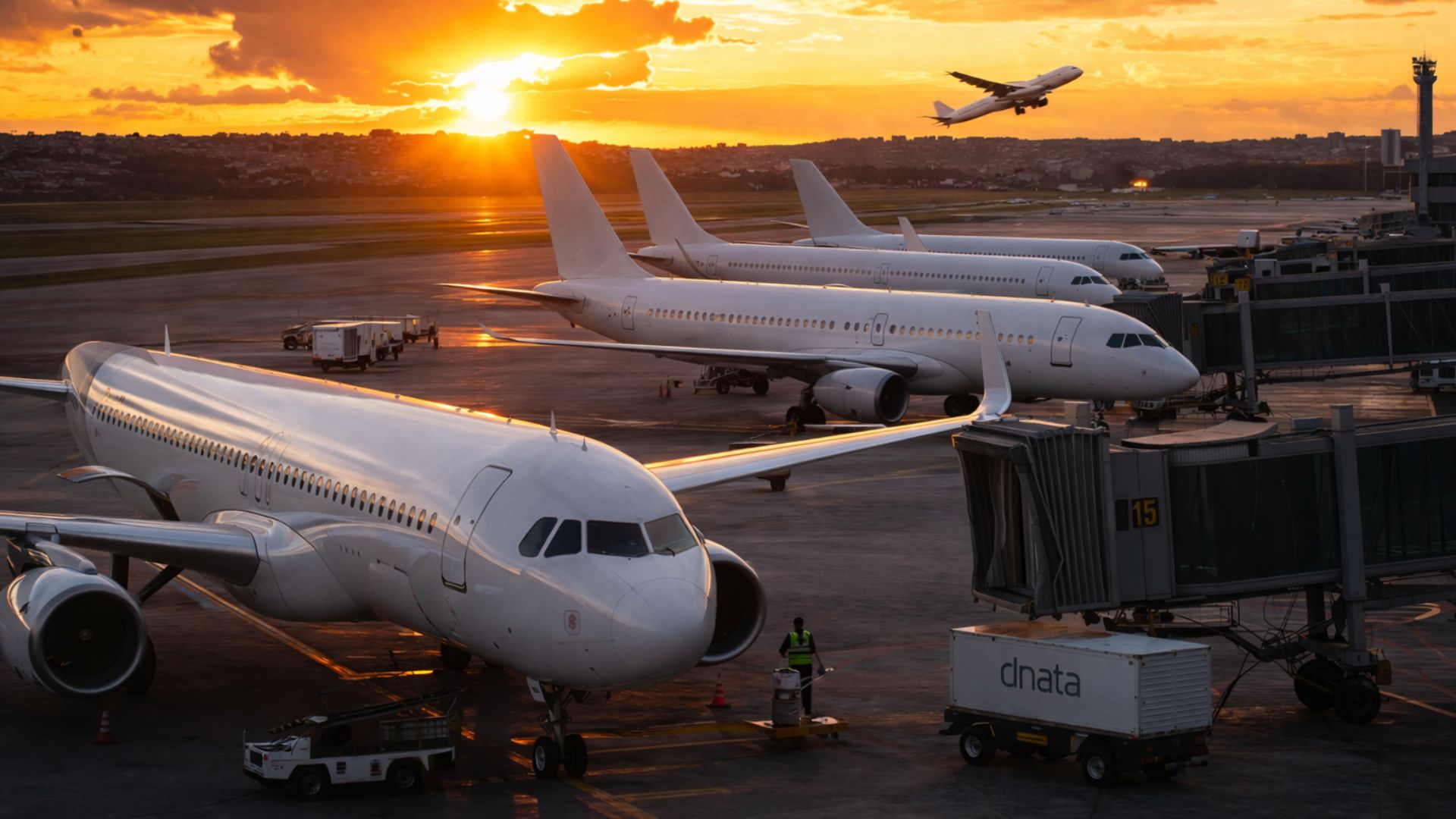
Latin American governments articulate unprecedented cooperation to boost sustainability and energy transition in aviation, focusing on SAF, emission reduction, operational efficiency, and regional leadership in the global climate scenario
The Latin American Governments have taken a strategic step by signing an agreement aimed at sustainability and energy transition in aviation, creating real conditions for the expansion of sustainable aviation fuels (SAF). The initiative, led by Colombia and supported by countries such as Chile, Costa Rica, Panama, Aruba, Peru, and Bolivia, reinforces the regional response to global climate demands and opens up space for concrete operational gains in the aviation sector.
According to information from AEROIN, the understanding was formalized during the International Aerospace and Space Fair (FIDAE), bringing together aviation authorities from the region around a common goal: to accelerate the decarbonization of aviation without compromising connectivity and economic growth. The action is aligned with the guidelines of the International Civil Aviation Organization, which advises countries to reduce emissions and adopt sustainable solutions in air transport.
Regional agreement places Latin American aviation at the center of the climate agenda
The movement of the Latin American Governments shows that regional aviation has ceased to be merely a vector of mobility to become an active part of the climate agenda. The signing of the Letters of Intent for International Cooperation in SAF represents a relevant political commitment, but also a technical and regulatory advance.
-
Brazil surprises the world by cloning a pig with human genes in an attempt to save humans with transplants, a technique with only 1% to 5% success rate, editing 3 genes, inserting 7 human genes, and impacting 48,000 patients on the waiting list.
-
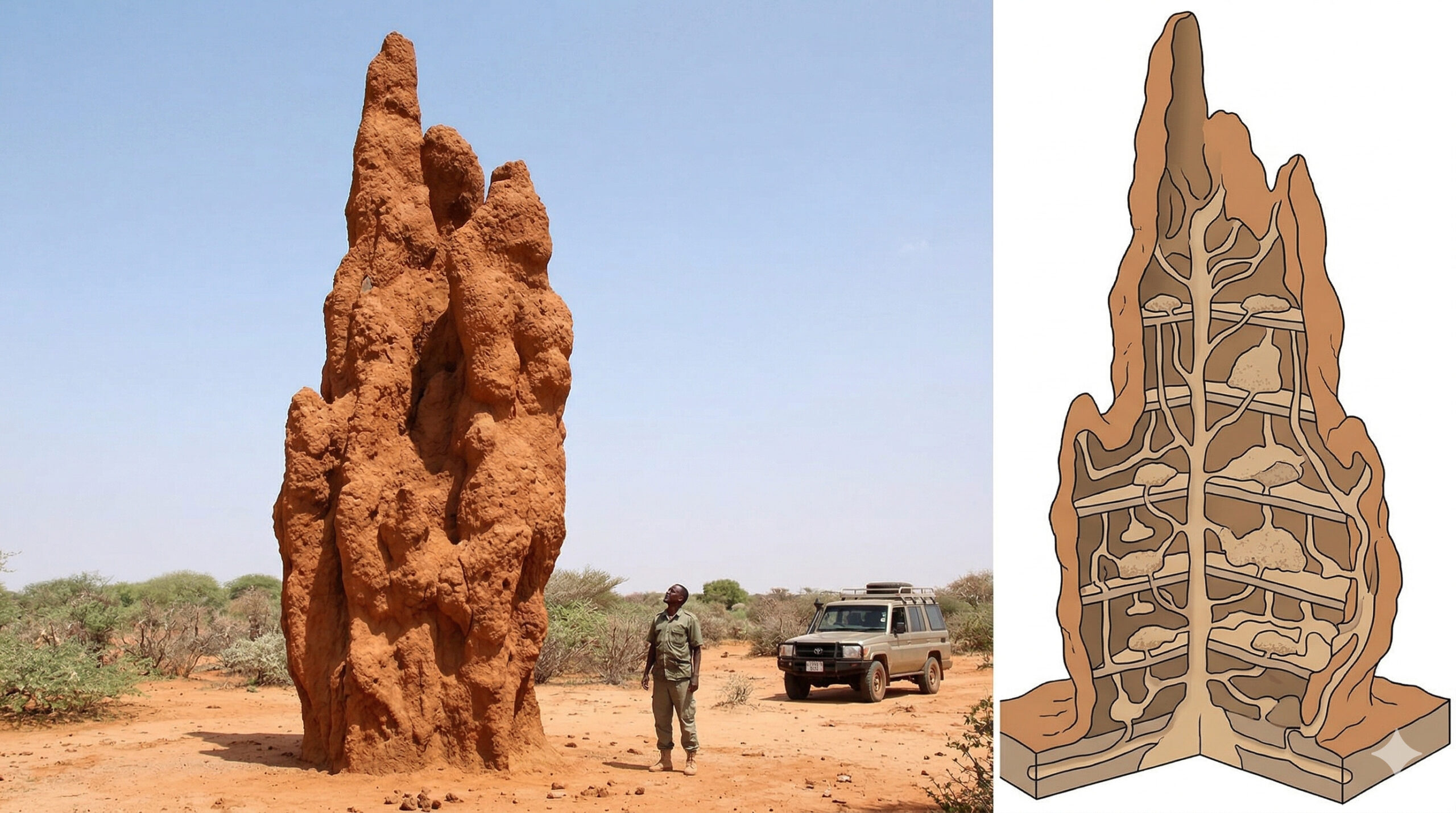
With a height of 8.7 meters, the giant termite mound found in Somalia has entered history as the largest ever recorded and reveals how insects just a few millimeters tall build three-story structures.
-
Measuring about 50 cm in wingspan, the merlin, the smallest bird of prey in the world, is at risk of extinction and could disappear by 2050, according to research published in Nature.
-
With 96 rooms, 37 bathrooms, and five kitchens, the mansion of the heir to Pernambucanas is worth R$ 50 million, has a pool, two terraces, and has become the target of a legal dispute after the owner fell into a coma in 2016.
This agreement aims to create the foundations for a low-emission air corridor, connecting countries that share similar challenges and complementary opportunities. Sustainability is now treated as a strategic element, not just an environmental obligation.
Furthermore, the initiative recognizes that the aviation sector is a driver of economic growth. The proposal is to balance expansion and environmental responsibility, one of the main global dilemmas of the energy transition.
Governments, Latin America, and the construction of a sustainability ecosystem in aviation
The creation of a regional SAF ecosystem is one of the central points of the strategy of the Latin American Governments. The proposal goes beyond fuel production and involves the entire value chain of aviation.
Among the main areas of action are:
- Exchange of regulatory and technical frameworks on sustainable fuels
- Sharing of best practices and lessons learned
- Strengthening the technical capacities of regulatory bodies
- Identification of opportunities for production, certification, and distribution of SAF
This integrated approach strengthens sustainability and accelerates the energy transition, allowing countries to advance in a coordinated manner.
Latin America, with its geographical diversity and abundance of natural resources, has the potential to become a global reference in the production of sustainable fuels.


SAF gains prominence in the global aviation energy transition
SAF is currently considered the main alternative for reducing aviation emissions in the short and medium term. Unlike other solutions, such as electric aircraft, it can be used in existing infrastructure without the need for radical changes.
The bet of the Latin American Governments on this type of fuel is aligned with global trends. The International Civil Aviation Organization points out that SAF can significantly reduce emissions over its life cycle, depending on the raw material used.
In the current scenario, air transport accounts for about 2% to 3% of global carbon emissions. Although this number may seem limited, the trend is for growth with the increasing demand for flights. Therefore, the energy transition in aviation is considered urgent and strategic.
Regional integration accelerates sustainability and reduces operational barriers
The cooperation among the Latin American Governments is one of the main differentiators of the agreement. By acting jointly, countries can reduce regulatory barriers and create a more favorable environment for investments.
Integration allows for advances such as:
- Harmonization of technical standards
- Reduction of operational costs
- Greater regulatory predictability
- Attraction of international capital
These factors are fundamental to enable large-scale sustainability. Aviation is a sector highly sensitive to costs, and any innovation needs to be economically viable to gain acceptance. The energy transition, in this context, directly depends on the ability of the Governments to create suitable conditions for the market.
Economic potential of Latin America in sustainable aviation
Latin America has important competitive advantages that can accelerate the energy transition in aviation. The availability of biomass, agricultural waste, and other renewable sources places the region in a privileged position for SAF production.
Moreover, the agreement among the Governments paves the way for:
- Development of new production chains
- Creation of skilled jobs
- Expansion of the biofuels industry
- Strengthening of clean energy exports
Sustainability is now seen as an economic opportunity. This repositioning is essential to ensure the engagement of the private sector and the continuity of investments. At the same time, regional aviation can become more competitive in the international scenario, meeting the environmental requirements of stricter markets.
Structural challenges still limit the energy transition in aviation
Despite the advances, the Latin American Governments still face significant obstacles to consolidate sustainability and energy transition in aviation.
Among the main challenges are:
- High production cost of SAF
- Need for tax incentives and public policies
- Logistical infrastructure still under development
- Low current production scale
These factors hinder immediate large-scale adoption. However, the agreement signed during FIDAE represents an important step to overcome these limitations. Regional cooperation can reduce costs, accelerate technological development, and create a more robust market for sustainable fuels.

A new horizon for aviation with sustainability and regional cooperation
The progress of the Latin American Governments on the sustainability and energy transition agenda marks a structural change in how aviation is planned in the region. The agreement not only responds to climate demands but also creates real opportunities for economic growth.
By investing in SAF and strengthening cooperation among countries, Latin America positions itself as a leader in one of the most relevant issues of the 21st century. The combination of natural resources, political will, and regional integration can transform the region into a global reference.
The success of this strategy will depend on the continuity of actions, active participation from the private sector, and the evolution of public policies. Nevertheless, the path is already laid out.
The energy transition in aviation has ceased to be a distant possibility and is becoming a reality in progress, led by the Governments and sustained by a more balanced, efficient, and sustainable vision for the future.








Seja o primeiro a reagir!