





 Portuguese
  English
  Spanish
  5 min of reading
  0 comments


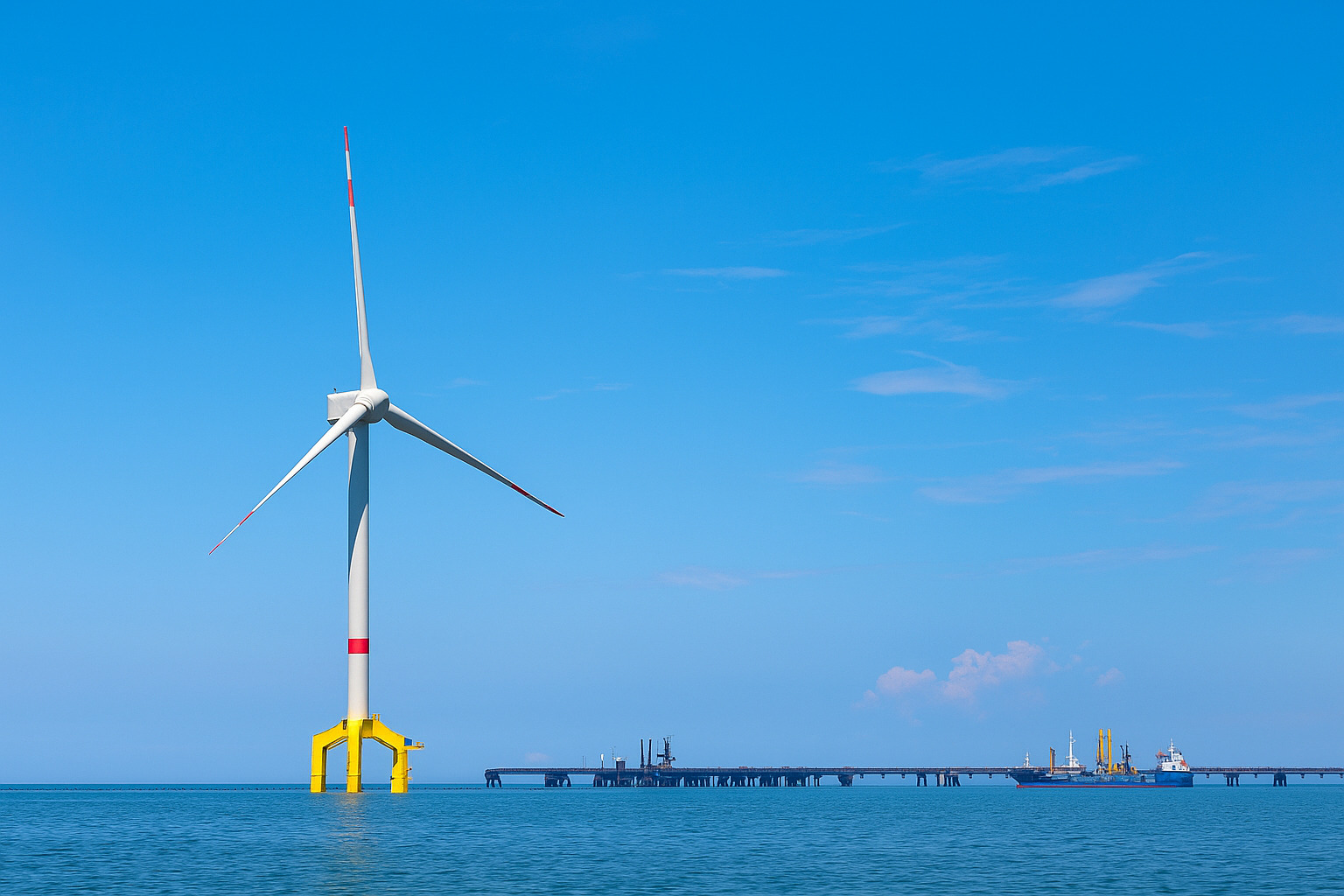
Get To Know The Government Proposal To Define Offshore Wind Energy Generation Areas In Brazil, Ensuring Clean Energy And Sustainable Management Of Maritime Space.
In recent years, the search for clean and renewable energy sources has gained even more strength. This happened not only because of climate change but also due to the need to diversify the energy matrix. Furthermore, the global pressure for a fair and sustainable energy transition has increased significantly.
Therefore, Brazil is starting to take more consistent steps in the development of offshore wind energy, meaning that generated by turbines installed at sea, away from the coast.
In this context, the Ministry of Mines and Energy (MME) launched a public consultation aimed at hearing society and the productive sector about the methodology for selecting offshore wind energy generation areas. In this way, the government seeks to create a transparent, technical, and participatory process that organizes the use of the Brazilian maritime space in a rational and efficient manner.
-
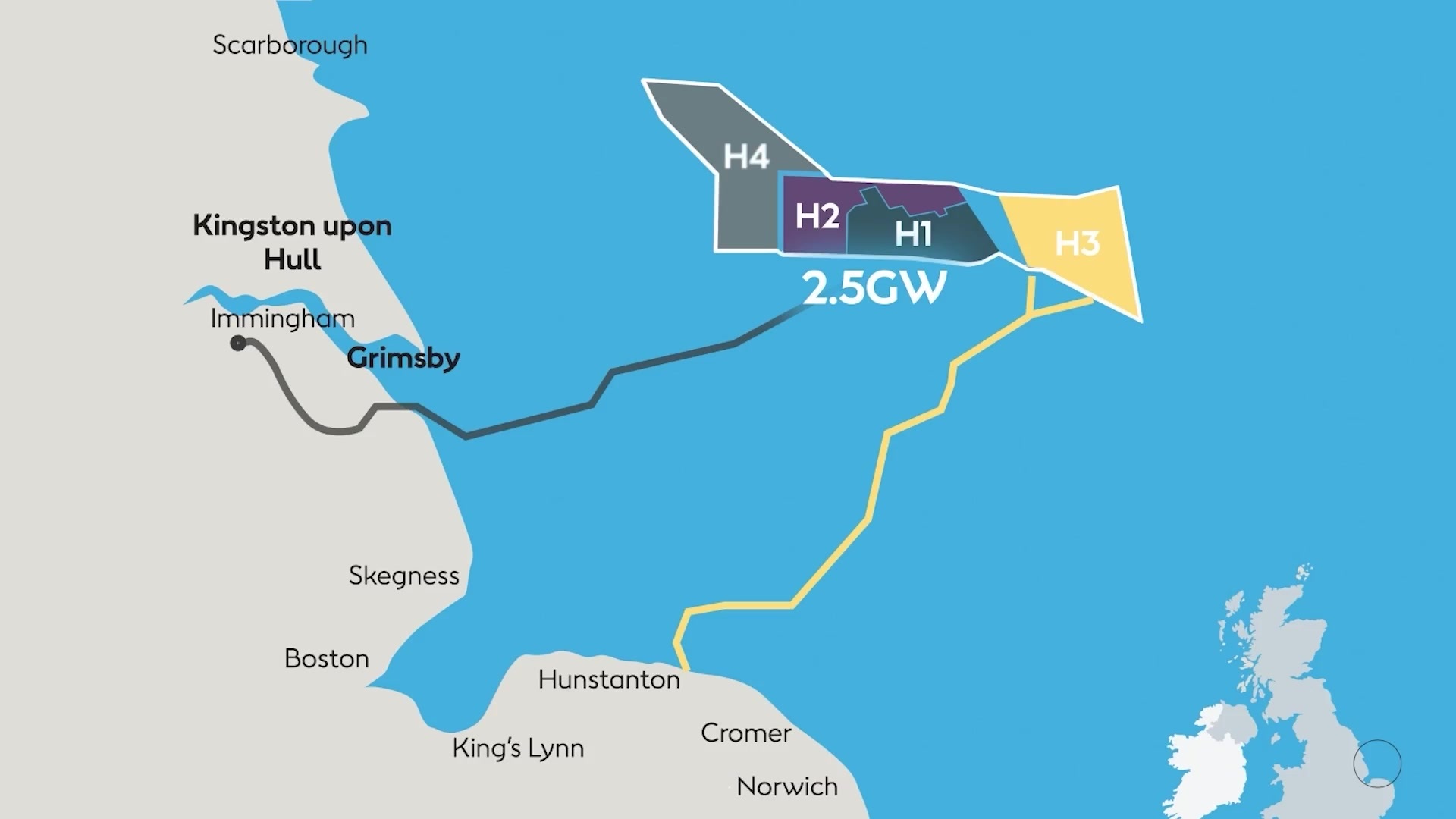
231 turbines of 260 meters at 160 km from the coast, monopiles weighing as much as nine blue whales embedded in the North Sea, and a crane ship taller than the Eiffel Tower: Hornsea 3 will be the largest offshore wind farm on the planet by 2027, and its first components have already arrived in England.
-
International Certification Puts Senai Norte on the Renewable Energy Map and Expands Access to Essential Training for Qualified Wind Power Professionals

-
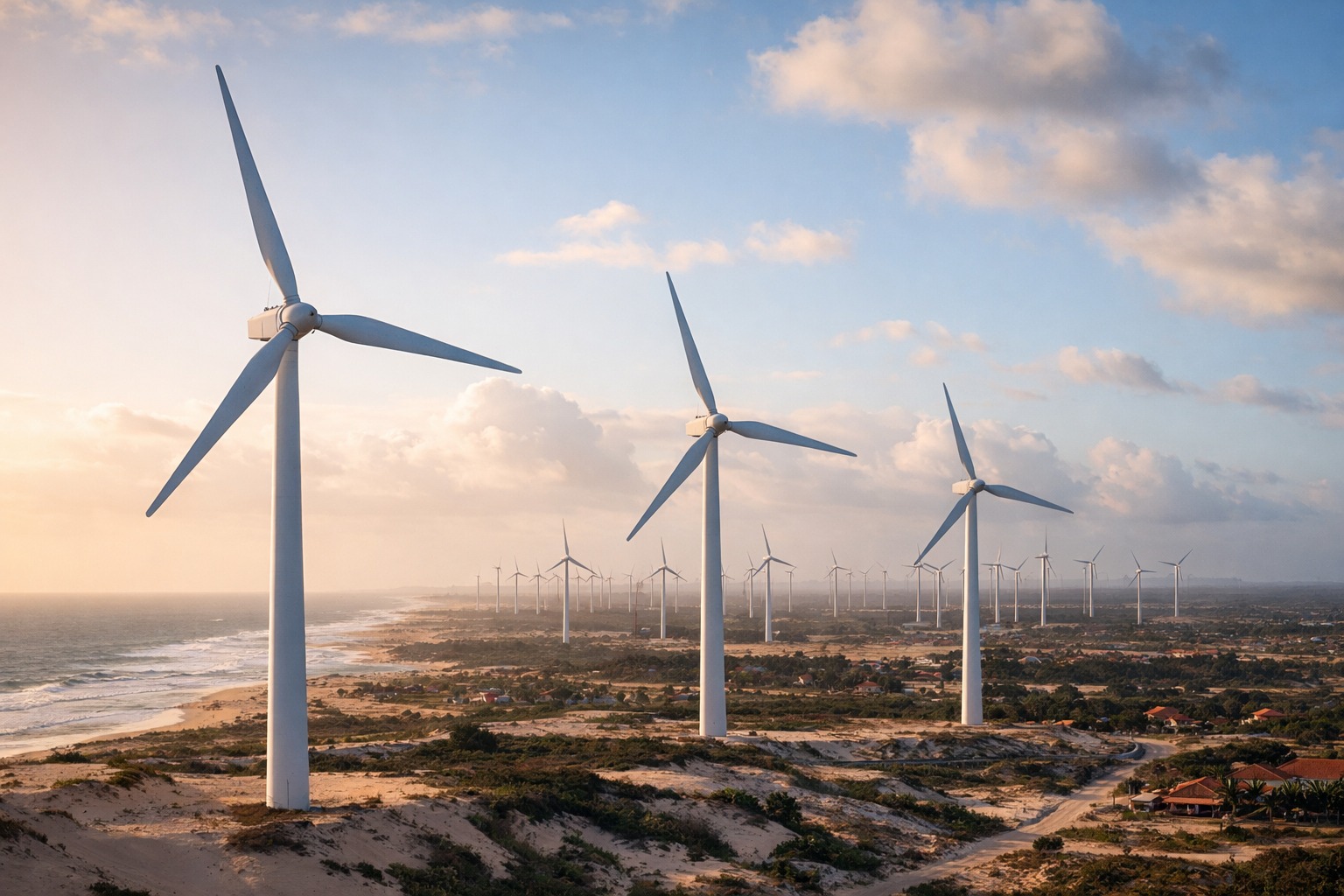
The Winds of the Northeast Are in Foreign Hands: Nearly 70% of the Region’s Wind Farms Are Owned by International Companies, with France, China, and Italy Leading Investments in Wind Energy in Brazil
-
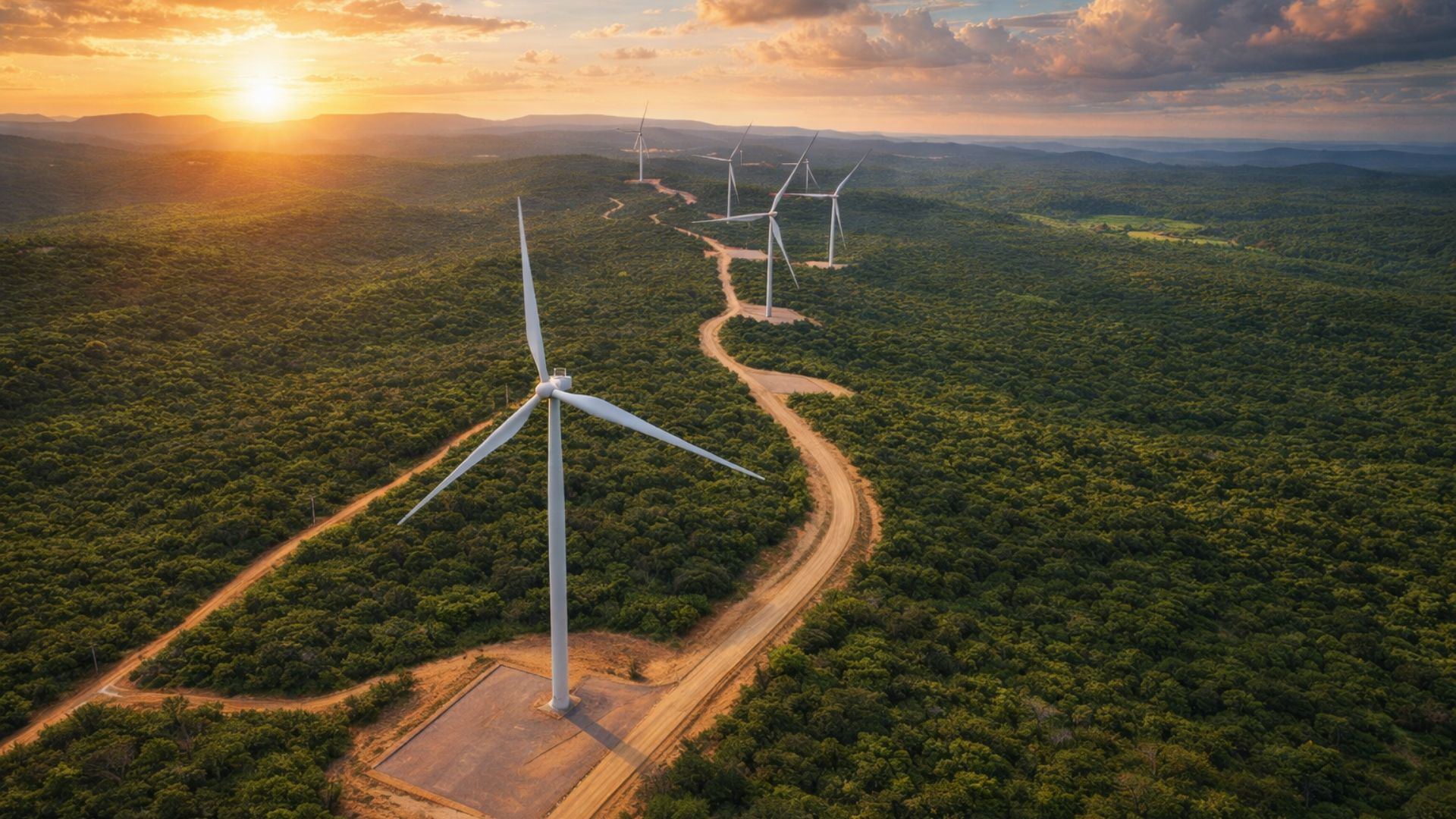
Echoenergia’s Wind Farms Receive Diamond and Platinum Seals and Boost Carbon Credits with Projects that Prevent Large Volumes of Annual Emissions

As a result, renewable energy projects can develop with more security and alignment with public policies.
Moreover, the proposal will be open until August 4 and may mark a new moment for the national energy sector.
By involving specialists, companies, and citizens, the government aims to build a solid foundation for the sustainable growth of wind energy at sea.
The Advancement Of Offshore Wind Energy In Brazil
Although Brazil already stands out in the production of onshore wind energy, it still lags in offshore initiatives. However, the approval of the legal framework for offshore wind energy, in January 2024, represented an important advance.
From this point on, the country began to have clearer legislation, which offers legal, technical, and environmental security. Thus, projects at sea can advance with more confidence.
Additionally, offshore wind energy presents significant advantages. For example, winds at sea are stronger and more consistent, which increases the efficiency of electricity generation. Furthermore, offshore projects can be installed far from urban areas, reducing visual and noise impacts.
In this scenario, the MME proposed a public hearing to define technical and social criteria to guide the selection of offshore wind energy generation areas. The goal is to ensure the balanced use of maritime space, respecting environmental aspects and public interest.
The Brazilian territorial waters offer great potential, but also host various activities, such as fishing, tourism, and maritime transport. Therefore, planning needs to identify the most suitable locations for installing wind turbines.
The Role Of Maritime Spatial Planning
A well-structured methodology accelerates the development of wind projects, avoids conflicts, reduces costs, and attracts investments. With this, entrepreneurs gain greater legal and technical predictability.
In light of this, the Brazilian government initiated the implementation of Maritime Spatial Planning (PEM), aiming to organize the different uses of the sea. In this context, the correct choice of offshore wind generation areas becomes essential to guarantee sustainability and efficiency in the use of natural resources.
This planning also protects marine ecosystems. When well implemented, offshore wind energy can coexist with other economic activities. Consequently, it helps to preserve local biodiversity.
Thus, the balance between use and conservation represents one of the greatest challenges — and also one of the greatest opportunities — of this sector.
Historical Overview Of Offshore Wind Projects In The Country
Starting in 2019, companies began to present offshore wind energy generation projects to Ibama. Since then, the number of proposals has increased significantly.
By 2024, the sector already had 104 registered projects, totaling 247.35 gigawatts of installed capacity in licensing requests.
The years 2021 and 2022 recorded the greatest advances. In 2023, Petrobras led the requests. In 2024, the sector awaited greater regulatory clarity, which explains the slower pace.
With the new legislation and the public consultation, the government aims to resolve this impasse.
In March 2024, Ibama included in the list the project by Arpoador Energy Consulting, with 2.79 GW of capacity in Rio Grande do Sul.
This movement reinforces the growing interest of the private sector in offshore wind generation areas. Therefore, the public authority needs to organize this progress with more planning.
What Is Under Discussion In The Public Consultation
The MME, with technical support from the Energy Research Company (EPE) and the National Secretariat for Energy Transition, developed the methodological proposal put up for consultation.
Based on technical studies and environmental data, the government structured criteria to identify the most suitable areas.
The methodology considers various factors:
wind intensity and constancy;
depth and profile of the seabed;
distance from the coast;
presence of protected or sensitive areas;
conflicts with already existing activities.
In this way, the country can make more strategic decisions and avoid overlaps between projects and traditional activities.
Therefore, the licensing time may decrease, conflicts become rarer, and investors feel more secure to invest in the sector.
Society Participation And Next Steps
The public consultation remains open until August 4. During this period, citizens, universities, organizations, and companies can submit suggestions through the MME portal or the Participa + Brasil platform.
After the closure, the government will analyze the contributions and adjust the proposal, if necessary. Then, the MME will begin the procedures for granting the use of maritime areas, allowing for the implementation of the first auctions and long-term contracts.
This process opens up space for more inclusive governance, where different voices contribute to the definition of energy policies.
This strengthens planning, makes the sector more reliable and drives renewable energy generation in Brazil.
The Future Of Offshore Wind Energy Generation Areas
The Brazilian coast offers ideal conditions to expand offshore wind energy generation. EPE studies indicate that the Northeast and South regions have the greatest potential.
With the right investments, the country can become a global reference in this clean energy source.
Additionally, offshore wind energy generation areas open new economic opportunities. They create jobs, strengthen production chains and stimulate research and innovation centers.
This type of energy also helps Brazil reduce its greenhouse gas emissions and meet environmental commitments.
In this way, the country can align economic development with climate responsibility. With advancing regulation and public participation, Brazil can lead a new era in sustainable energy generation at sea.










Seja o primeiro a reagir!