





 English
  Francês
  Alemão
  Italiano
  Japonês
  Norueguês
  Portuguese
  Spanish
  4 min of reading
  0 comments



Brazil Failed To Collect R$ 260 Billion In Taxes From Oil And Gas Companies. Tax Waivers, Concentrated In Large Corporations Like Petrobras, Reignite The Debate About The Need For An Urgent Energy Transition And The Lack Of Transparency In The Use Of These Tax Benefits.
If you think that the Brazil Is On The Right Path For The Energy Transition, you might be surprised to learn that one of the largest industries in the country, responsible for a significant part of national wealth, is also the one that benefits the most from tax exemptions.
And it’s not just a small amount. We are talking about R$ 260 billion that were not collected in taxes between 2015 and 2023. But why such a high waiver? Which companies benefited? And, more importantly, what is Brazil gaining (or losing) with this?
According to a study by the Institute for Socioeconomic Studies (Inesc), 267 oil and gas companies in Brazil were granted billion-dollar tax waivers over the past eight years. Petrobras was the main beneficiary, accumulating R$ 117.2 billion.
-
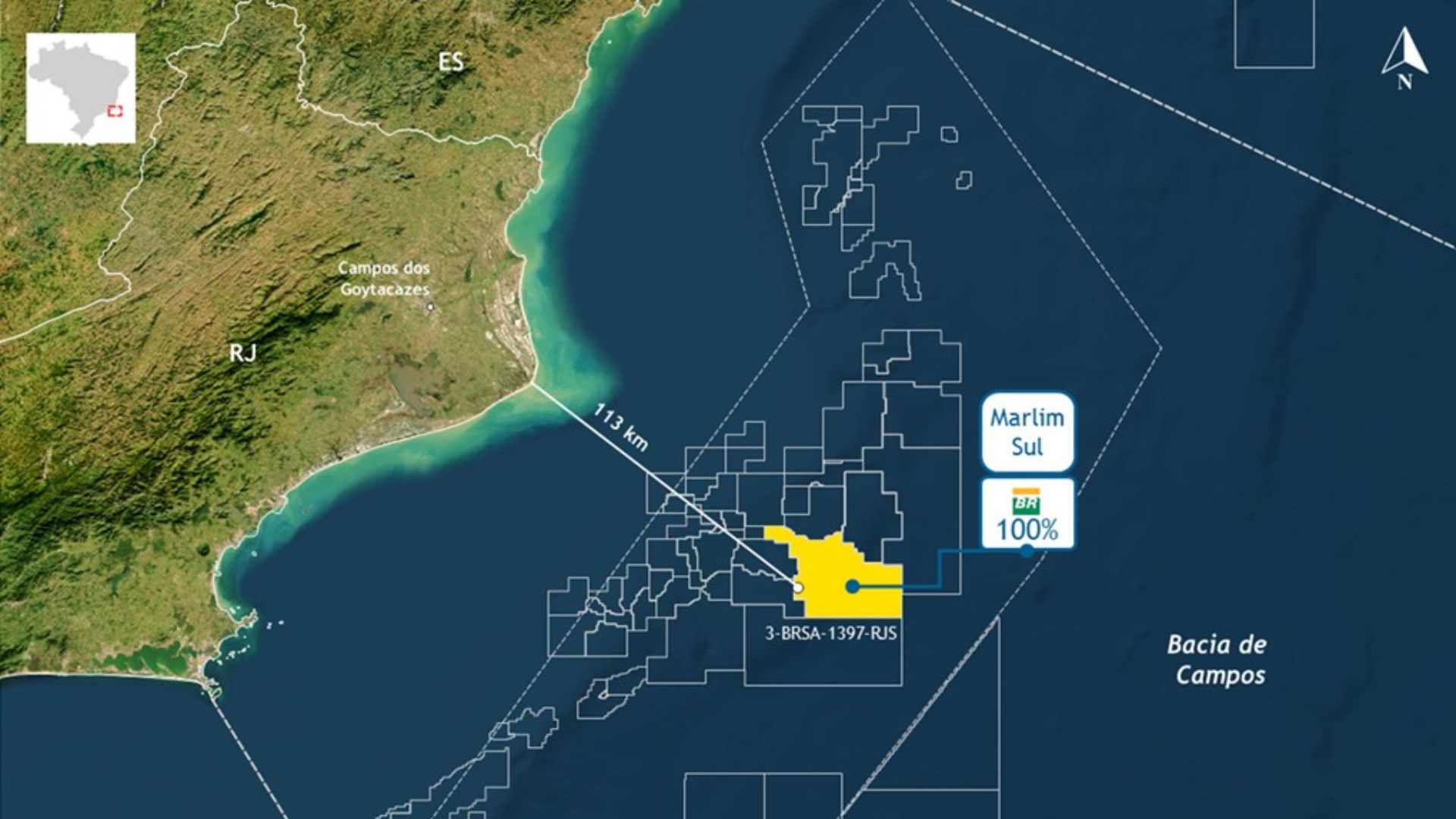
Petrobras finds high-quality oil in the pre-salt at 113 km from RJ and reignites expectations about strategic reserves in the Campos Basin.

-
Ocyan opens registrations for startups focused on innovation in the oil and gas sector and will select projects for Innovation Day with the support of Nexio.

-
Petrobras announces new oil discovery in the pre-salt of the Campos Basin and reinforces Brazil’s prominence with high-quality reserves that can increase production and energy revenues.
-
Alert in the fuel market: Analysts and a former director of ANP warn that oil prices may worsen in the coming months due to global instability.


This amount is part of a special regime called Repetro, which has been renewed until 2040, allowing the oil industry to operate without the burden of various taxes. This includes taxes such as PIS, Cofins, IPI, and others.
The year 2020 was particularly generous, with waivers exceeding R$ 56 billion, marking a historical record.
The curious thing is that, even in a world moving to reduce the use of fossil fuels, Brazil chose to expand tax benefits for this industry, maintaining high incentives since 2017.
For Inesc, this decision needs to be reconsidered, as the promise to use oil resources to finance the energy transition has not materialized.
Tax Waivers: Is Brazil Winning Or Losing?
According to Inesc, tax exemptions have led to significant losses in revenue, mainly regarding federal taxes and regional incentives, such as those granted by the development superintendencies of the Northeast (Sudene) and the Amazon (Sudam).
Petrobras, the largest company in the sector in Brazil, leads the ranking of companies that benefited most from these waivers, totaling R$ 117.2 billion, followed by Modec Serviços de Petróleo do Brasil, which benefited from R$ 15.3 billion, and Ventura Petróleo, with R$ 8.5 billion.
The problem is that, according to Alessandra Cardoso, political advisor at Inesc, in an interview with Folha de S. Paulo, this dependence on oil may represent a barrier to the energy transition.
“Brazil’s relationship with the oil industry is marked by a deep asymmetry of information and the false promise that resources from oil will finance the energy transition,” Alessandra highlights.
For her, it is urgent for the country to develop a strategic plan that takes into account reducing the use of fossil fuels without harming the economy and at the same time stimulates low-carbon productive chains.
Lack Of Transparency And Criticism Of Repetro
Although tax waivers are justified as a way to attract investments and ensure international competitiveness for Brazilian oil companies, the transparency of these waivers is still a point of contention.
Inesc criticized the lack of clarity regarding the amounts the Federal Revenue Service fails to collect specifically due to Repetro.
Although the data is obtained through the Access to Information Law (LAI), the tax authority claims a “technical impossibility” to detail the waivers granted under the regime.
This information gap raises questions about the real effectiveness of these exemptions, especially at a time when Brazil faces internal and international pressures to accelerate its energy transition and reduce dependence on fossil fuels.
Transnational companies, such as Modec Serviços de Petróleo do Brasil and Ventura Petróleo, continue to access a series of benefits, both in Brazil and in their international operations, reinforcing the advantageous nature of Repetro for large corporations.
The Impact Of Government Waivers On The Energy Transition
Although tax exemptions can, in theory, increase the competitiveness of Brazilian oil companies in the global market, the question remains: to what extent does this compromise Brazil’s ability to promote a more sustainable economy?
According to experts, the country needs to find a balance between maintaining the competitiveness of the oil and gas sector and investing in renewable sources.
This includes implementing public policies that encourage the development of clean technologies and the creation of new jobs in the renewable energy sector to prevent Brazil from falling behind in the race for decarbonization.
Alessandra Cardoso points out the need for a strategic plan aimed at the energy transition. For her, it’s crucial to seek a model that preserves jobs while simultaneously reducing carbon emissions.
The challenge is not only to attract investments but to ensure that these resources are channeled into areas that effectively contribute to changing the energy matrix.
Companies That Benefited Most From Tax Waivers
Among the companies that benefited most from Repetro, besides Petrobras, are names like Modec, Ventura Petróleo, and Bram Offshore Transporte Marítimo, which received R$ 6.4 billion in exemptions.
In total, 10 large companies dominate the top of the waiver list, accumulating billion-dollar figures. This concentration of benefits in a few companies reinforces the debate about the effectiveness of fiscal policies aimed at the oil sector.
With all this waived fortune and the lack of significant advances in the energy transition, is Brazil really on the right path by giving so many tax benefits to the oil industry? Or is the country losing the chance to lead a green revolution before it’s too late? What do you think? Comment below!









Seja o primeiro a reagir!