





 Portuguese
  English
  Spanish
 3 min of reading
  58 comments


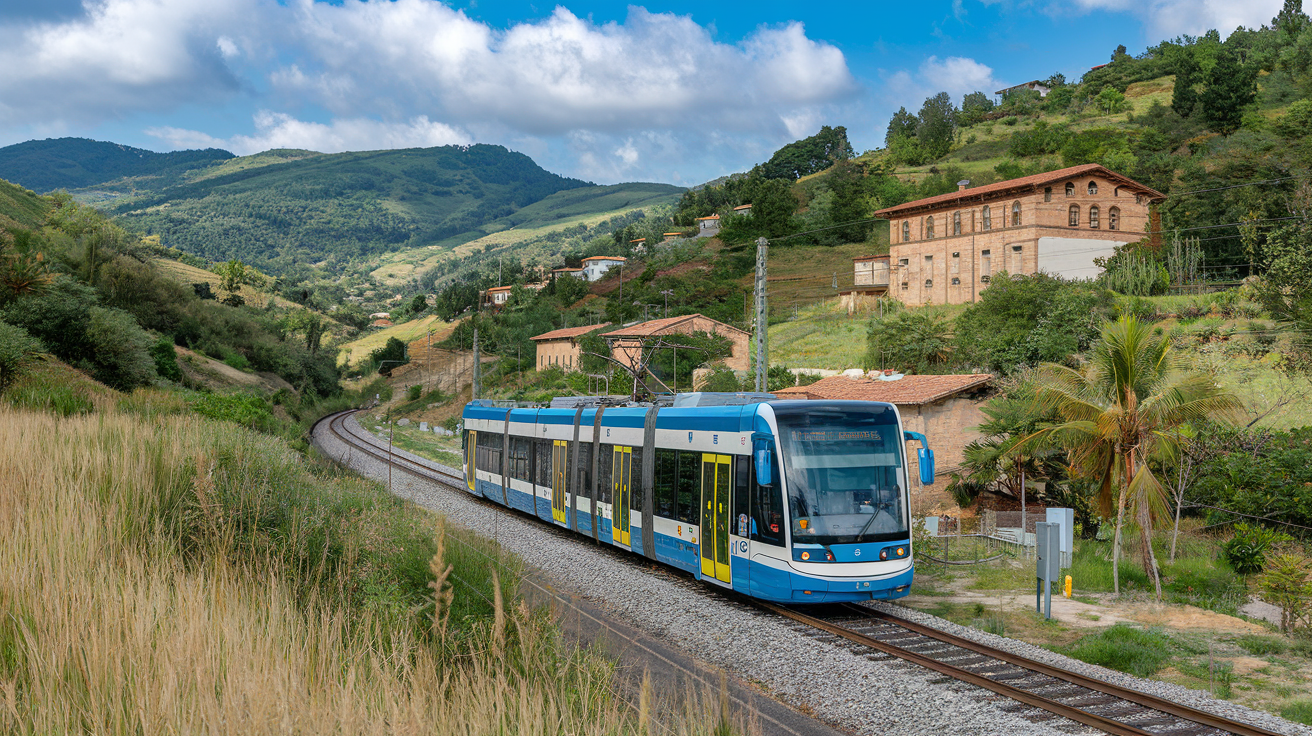

An Ambitious Plan to Revive a Historic Railway Promises to Transform Tourism with Modern Trains and Sustainability.
What could transform a railway that ceased operations more than 20 years ago into one of Brazil’s greatest tourist attractions?
A 180-degree turnaround, promising to revive history and bring back the flow of passengers and freight to one of the most picturesque and promising regions of the state of São Paulo.
Recently, the Government of São Paulo announced an ambitious project to revitalize the Santos-Cajati line, which was in operation between 1915 and 2002.
-
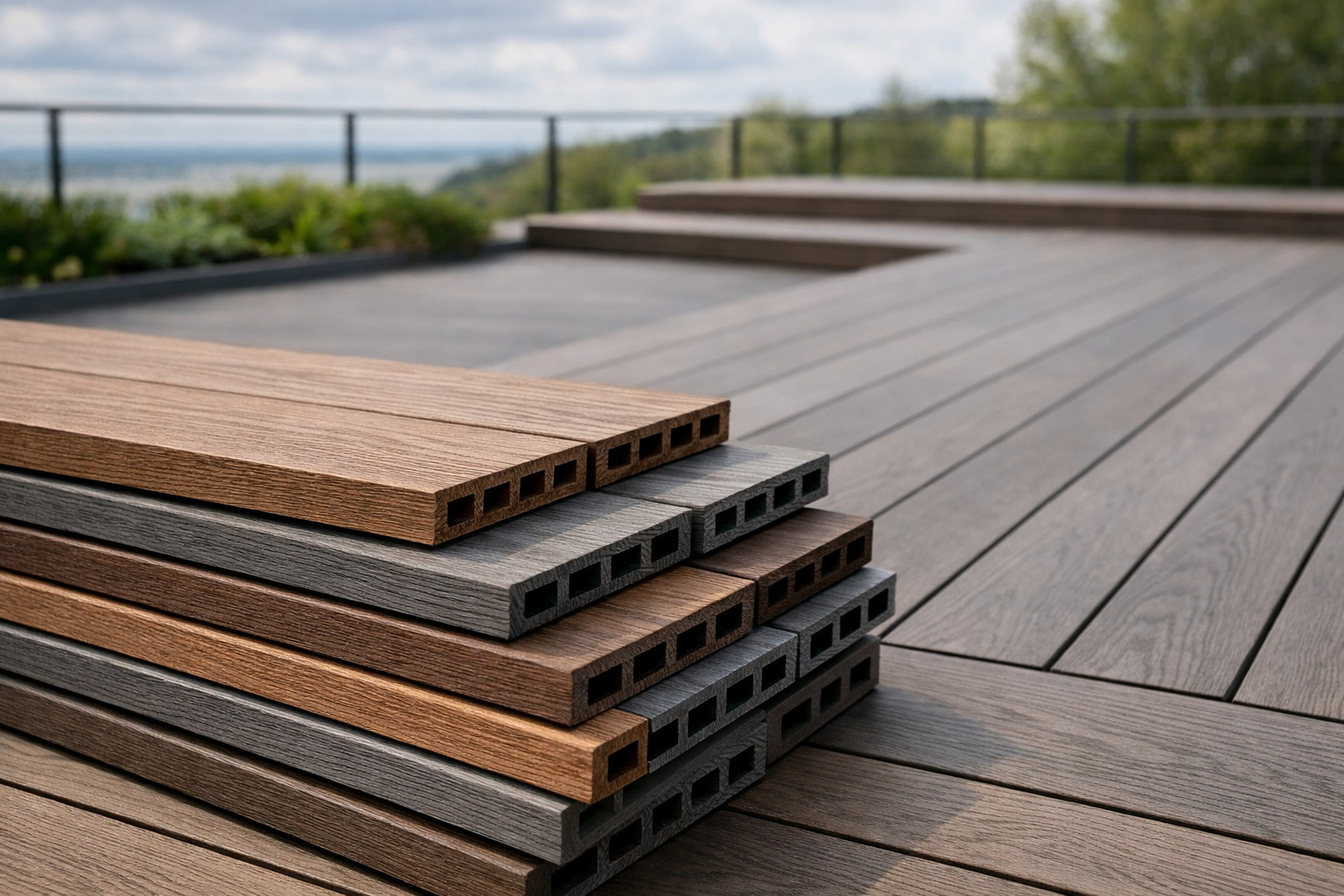
Made from recycled plastic, plastic wood is gaining space in the construction industry because it does not rot, resists moisture, and reduces maintenance costs over the years.
-
A new Brazilian shopping center worth R$ 400 million will be built in an area equivalent to more than 4 football fields, featuring 90 stores, 5 cinemas, a supermarket, a college, and parking for 1,700 cars, potentially generating 3,000 jobs.

-
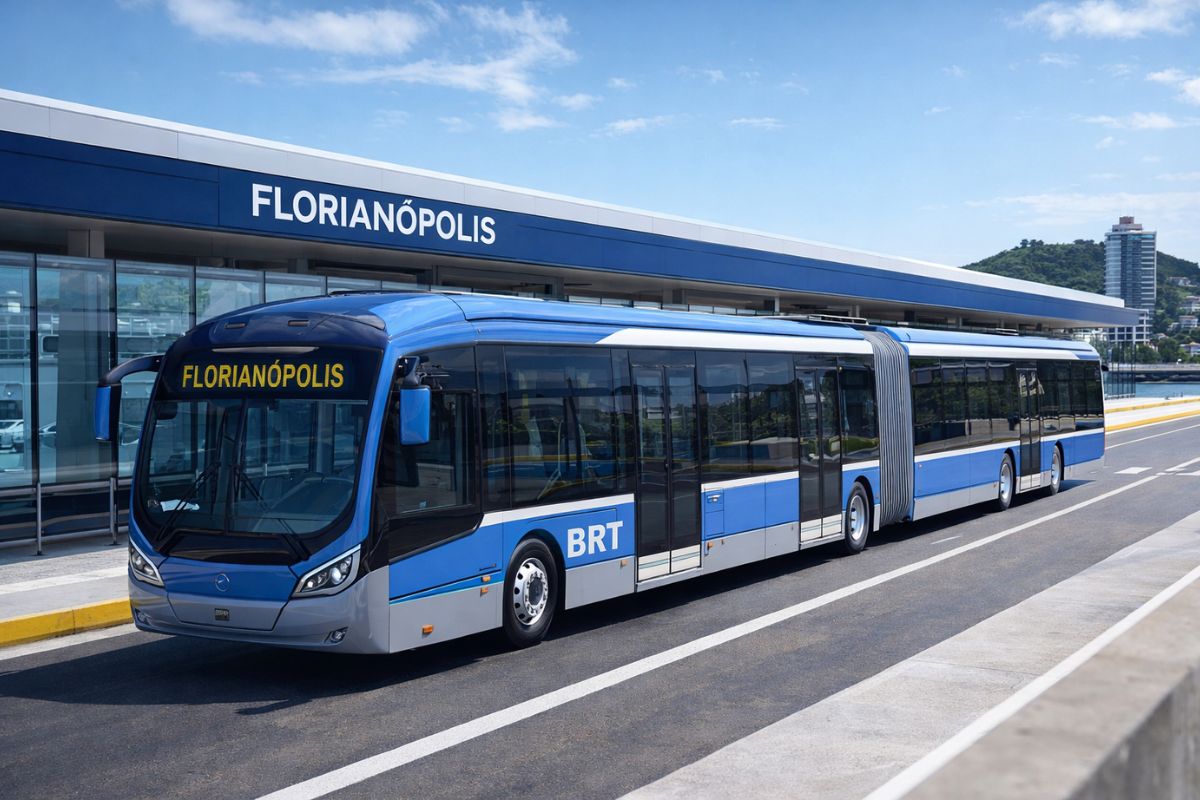
Florianópolis will receive a million-dollar BRT that will begin construction in 2026 with nearly 400 million in funding from the federal government and the Inter-American Development Bank, and the map already shows the routes for the exclusive bus corridors.
-
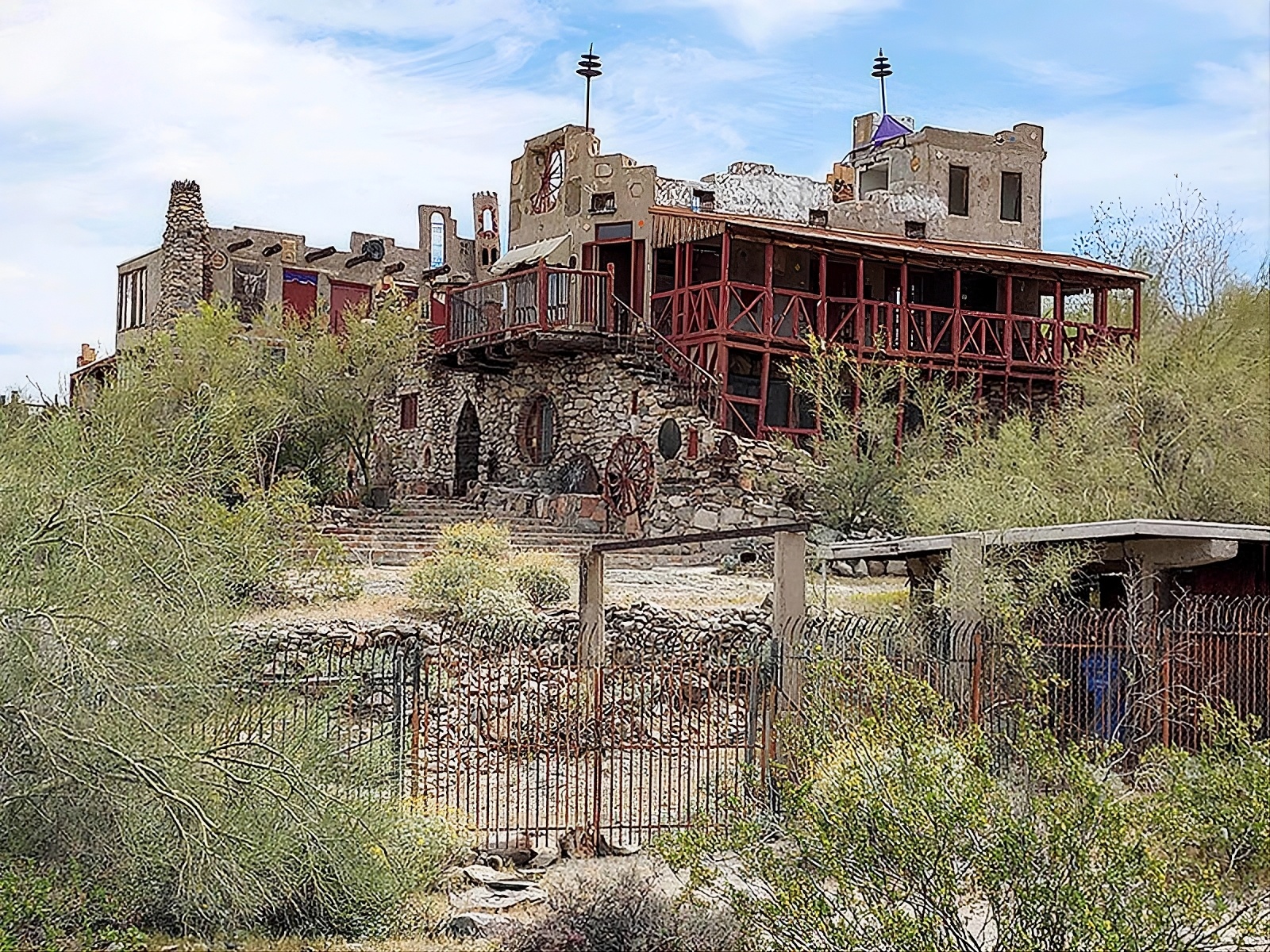
Without a blueprint, without an engineer, and using scrap from the dump, a father spends 15 years building an 18-room castle for his daughter, featuring tram tracks, 13 fireplaces, and over 700 m², which may now be demolished.

The expectation is that the reactivation of the railway will not only recover one of the most important historical assets of the state but also transform the Ribeira Valley region into a hub of tourism and economic development.
The Santos-Cajati railway, one of the oldest in the state, will have its infrastructure completely restored, with the construction of new stations and the introduction of modern tourist trains.
The project promises to create a sustainable route, with a constant flow of passengers interested in experiencing the history and nature of the Ribeira Valley, located just a few hours from São Paulo.
Investment and Partnerships to Ensure Success
With the goal of revitalizing the infrastructure and ensuring the project’s sustainability, the state government is seeking strategic partnerships and conducting detailed studies to assess the feasibility of the plan.
The project aims to modernize one of the most emblematic railways in the country, focusing on creating low-environmental-impact tourism and promoting local businesses.
In addition to promoting tourism, the reactivation of the line promises a significant economic impact.
According to tourism experts, the influx of tourists could generate a significant increase in the number of local jobs, particularly in commerce, services, and hospitality.
The presence of tourists is also expected to drive interest in other tourist spots in the Ribeira Valley, reinforcing the idea that the revitalization of the railway is an action that will benefit not only the municipalities along the route but the entire state of São Paulo.
Ecological Benefits and Alternatives to Road Traffic
Another important aspect of the project is the ecological benefit. The Santos-Cajati line will be operated with sustainable trains, which will help reduce pollutant emissions in the region.
The reactivation of the railway will also provide an efficient and ecological transportation alternative, alleviating traffic on local highways and decreasing congestion, especially on weekends when the region receives more tourists.
The São Paulo government is committed to transforming this historic railway into a landmark in the rail tourism sector, as part of a larger plan to revitalize the state’s railway network, which also includes other lines with great tourism potential.
Positive Impact on Local Quality of Life with the Railway
In addition to generating jobs and boosting the regional economy, the reactivation of the railway line has the potential to improve the quality of life for local residents by promoting access to new services and creating new business opportunities.
The project aims to make the region more accessible and connected, as well as add value to the historical, cultural, and environmental heritage of the Ribeira Valley.
Although the project is still in the planning phase, with feasibility studies underway, the expectation is that the revitalization of the Santos-Cajati line will become a reality in the coming years.
With a promising future, this reactivation places the Ribeira Valley region on a path of sustainable and innovative growth.
Do you think that the revitalization of the Santos-Cajati line could transform tourism in the Ribeira Valley, or is the project doomed to failure?






SÓ SERÁ POLO DE TURISMO E DE DESENVOLVIMENTO, SE AS TARIFAS DO TREM DE TURISMO NÃO FOREM TÃO EXORBITANTES COMO AQUELE OUTRO DE CAMPINAS.
Seriamente falando?? Não entendi até hoje, o porque de terem desativado esta ferrovia.
Era um passeio excelente, pois, passava por todas as praias e era delicioso de se fazer,
sem contar com as paisagens às margens da ferrovia, outra alternativa viável, seria um meio de transporte acessível para trabalhadores das regiões de Santos até Cajati e vice e versa, diminuiria o trânsito na rodovia e também a poluição.
Trens com viagens diferenciadas….
do tipo pela manhã URBANOS para trabalhadores e após outro trem com mais conforto para passeios turísticos em horários pre-determinados, e a tarde adentrando a noite novamente o trem de trabalhadores com o retorno às suas cidades.
Tô achando que não vai sair do papel como o VLT que ia de santos até Peruíbe