





 Portuguese
  English
  Spanish
  3 min of reading


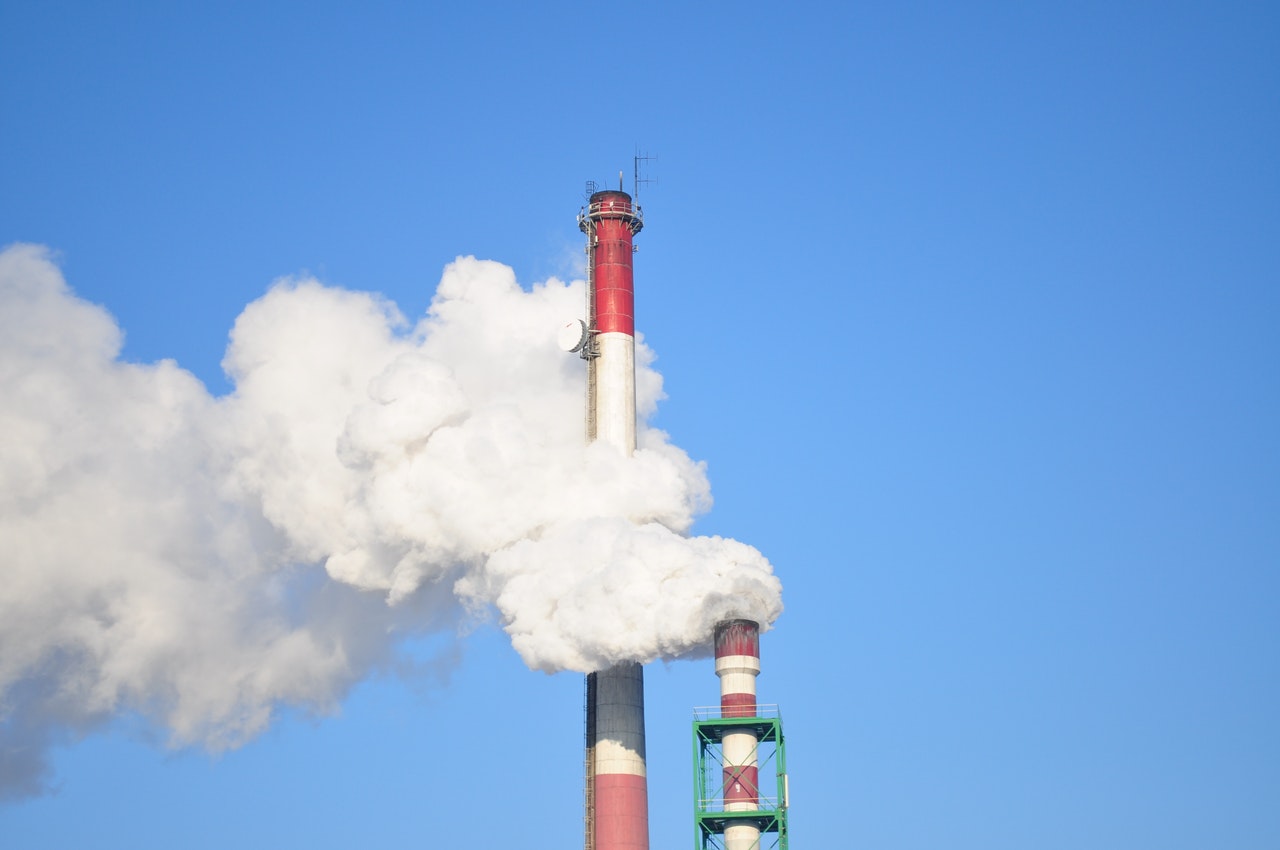
Decree Released by the Government Establishes Rules and Standards for the Carbon and Methane Credit Market in the Country
The government released Decree 11,075 in an extra edition of the Official Gazette, responsible for regulating the carbon and methane credit market in Brazil. In this regard, the document establishes procedures for the preparation of Sectoral Plans for Mitigating Climate Change and establishes the National System for Greenhouse Gas Emission Reductions (Sinare).
The decree published by the government also establishes the Brazilian Market for Emission Reductions, through which the sectoral plans will be made, utilizing and transacting credits certified by Sinare. Thus, the digital platform managed by the Ministry of the Environment will function as a single registry for emissions, reductions, removals, and compensations of greenhouse gases – such as carbon and methane – and for acts of commerce, transactions, transfers, and retirement of certified emission reduction credits.
The rules for registering projects, programs, and initiatives for generating certified credits for trading or offsetting greenhouse gas emissions, the certification standard, the accreditation of certifiers and custody centers, the implementation, the operationalization, and the management of Sinare will be regulated in joint action between the ministers of the Environment and of the Economy.
Sectoral Plans Must Present Goals Aiming to Reduce Greenhouse Gas Emissions, Such as Carbon and Methane
Furthermore, the sectoral plans may be suggested by the government bodies corresponding to the ministries of the Environment, the Economy, and sectoral ministries, such as the Ministry of Mines and Energy. They will contain gradual goals for reducing emissions resulting from human activities and for removal by greenhouse gas sinks. The Interministerial Committee on Climate Change and Green Growth, also established by decree last year, will be responsible for approving the proposals.
The suggested goals need to be measurable and verifiable, taking into account the characteristics of each sector. The intention is, in the long term, to achieve emission neutrality, according to the commitment made by the Brazilian government in the Paris Agreement.
In Order for Greenhouse Gas Emission Neutrality to Be Achieved, Compliance with Goals Will Be Monitored by Sectoral Agents
Compliance with these goals will be verified through the periodic presentation of greenhouse gas inventories by sectoral agents. The plans may indicate differentiated treatment, judging aspects such as specific categories of companies and rural properties, emission levels, characteristics of the economic sector, revenue, and location of the enterprise.
Infrastructure sectors may submit, within 180 days, extendable for an equal period, suggestions for implementing curves for reducing greenhouse gas emissions, considering the climate neutrality goal established by the government. The norm relates to activities such as the generation and distribution of electricity; urban and interstate public transportation of goods and passengers; mining; agriculture; construction; health services; and the manufacturing of durable consumer goods, fine and basic chemicals, and paper and cellulose.
It may also be possible, through Sinare, to register carbon footprints of products, processes, and activities; carbon in the soil; carbon from native vegetation; blue carbon; and carbon stock units without requiring the generation of credits.
-
Unemployment rises again to 5.8% at the beginning of 2026, raising alarms about the end of temporary positions and its impact on the Brazilian job market.

-
Document organization can cut invisible costs in small businesses, a simple step that prevents waste, rework, and losses in daily operations.

-
Chinese giant worth nearly R$ 4 billion that manufactures cables for electric cars, solar energy, and robotics wants to open a factory in SC.

-
Many employers do not know, but the law guarantees domestic workers a 25% increase in salary during trips, 50% for overtime, 20% for night shifts, and 17 additional benefits that can lead to labor lawsuits if not paid.










Seja o primeiro a reagir!