





 Portuguese
  English
  Spanish
  5 min of reading
  0 comments


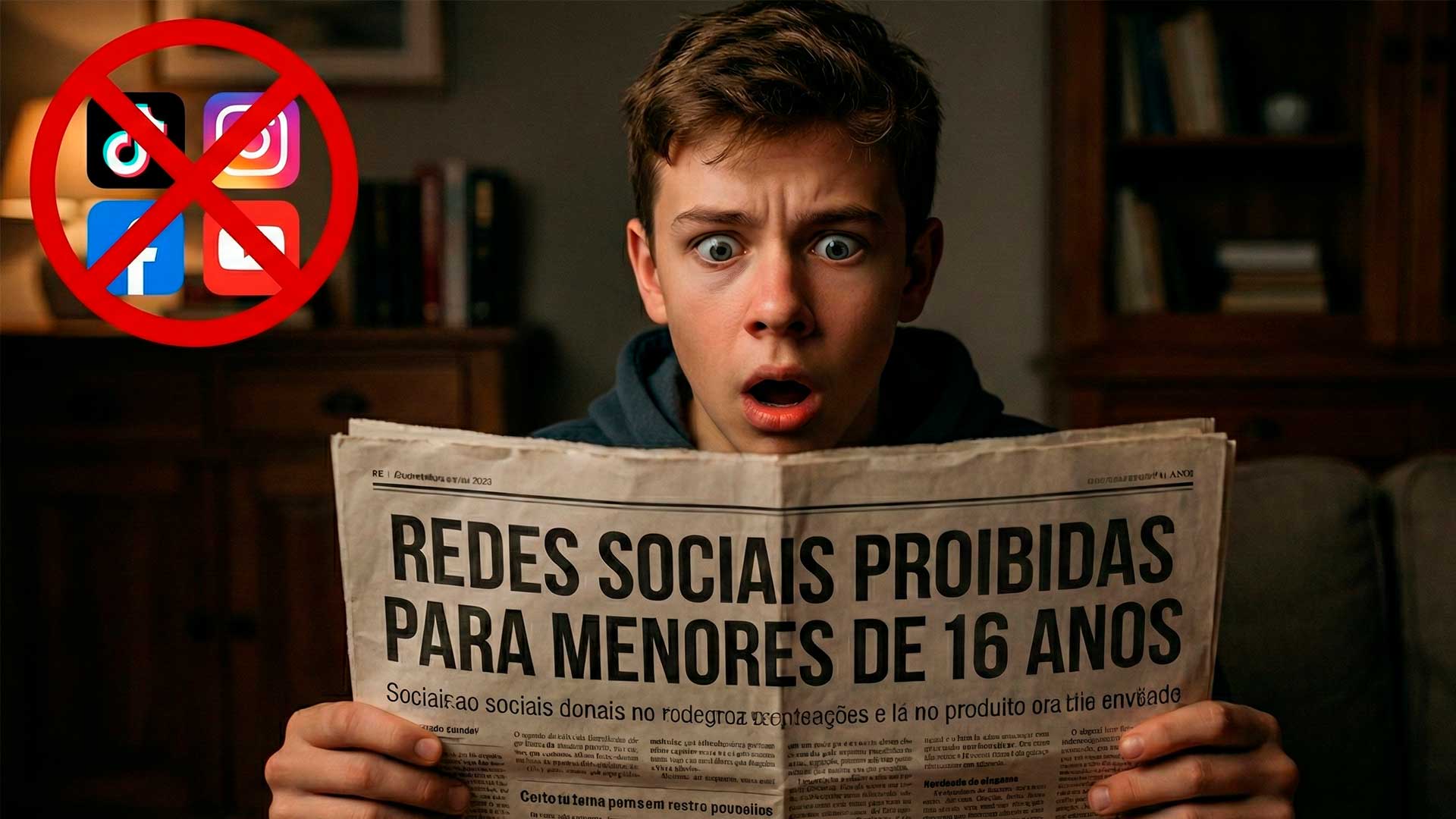
Country Becomes The First In The World To Adopt A National Ban On Social Media For Under-16s, With Million-Dollar Fines For Platforms Like TikTok, Instagram, And YouTube, In The Name Of Mental Health And Online Safety For Children And Teenagers.
The Australia entered a new phase of digital regulation by banning minors under 16 from having social media accounts such as TikTok, Instagram, Facebook, YouTube, and other popular platforms. The law is set to take effect on December 10, 2025, and is considered the first national ban of its kind worldwide.
The Australian government claims that the measure aims to protect children and teenagers from issues such as cyberbullying, misinformation, and content harmful to mental health. Technology companies that fail to comply with the rules could face fines of up to AUD 49.5 million, an amount that, when converted, represents hundreds of millions of reais.
For many parents and child health specialists, the decision is seen as a milestone in the effort to reduce the impact of early smartphone and social media use. Research mentioned by the government indicates a correlation between rising anxiety and depression in young people and intense exposure to digital platforms.
-
The Argentine government celebrates the lowest poverty rate in 7 years, but experts warn that the methodology has changed, real wages have fallen, unemployment has risen, and the number of people on the streets of Buenos Aires has increased by 57% since Milei took office.

-
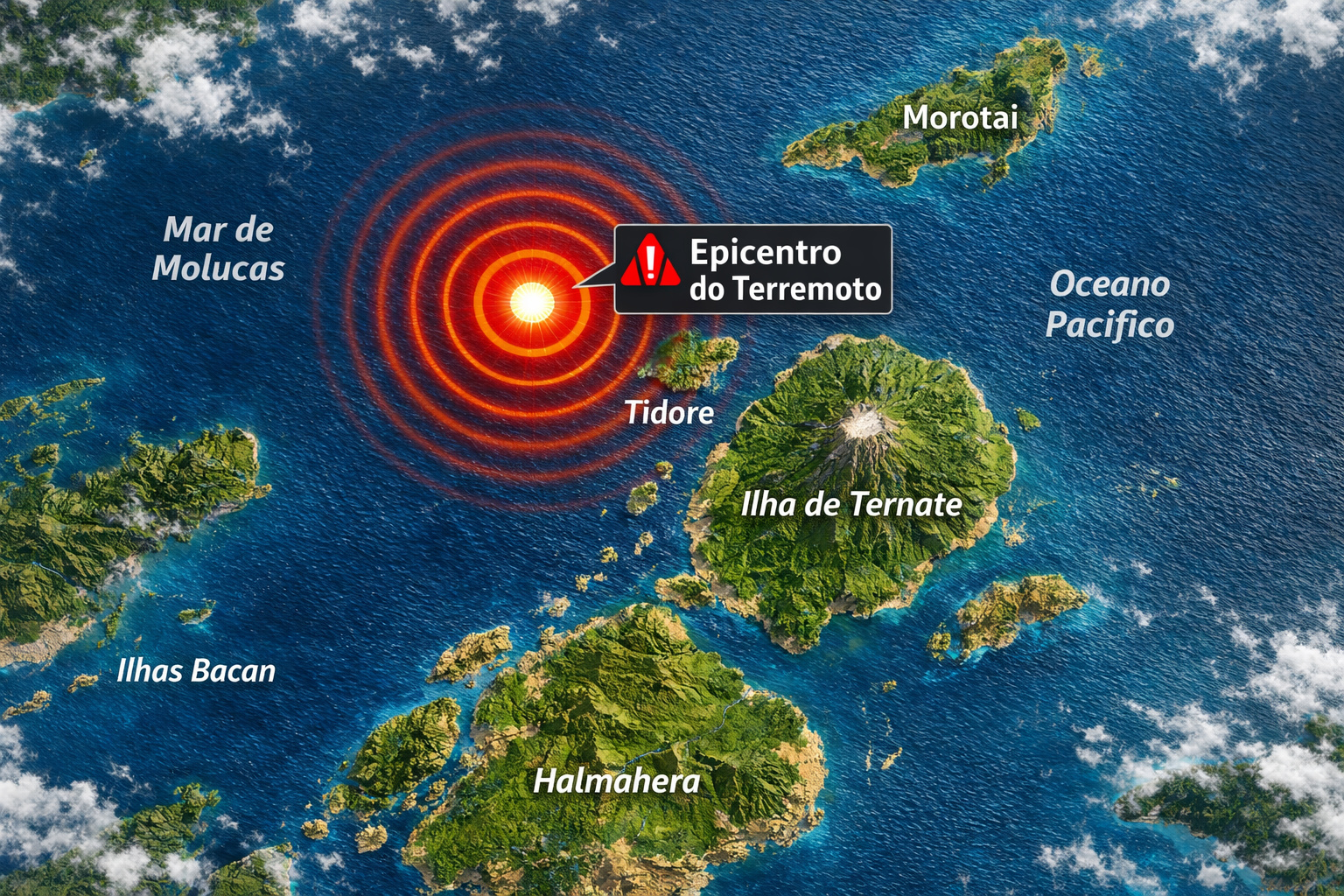
7.8 magnitude earthquake in Indonesia frightens the population, triggers tsunami alert, and hits an island with over 200,000 inhabitants this Thursday.
-
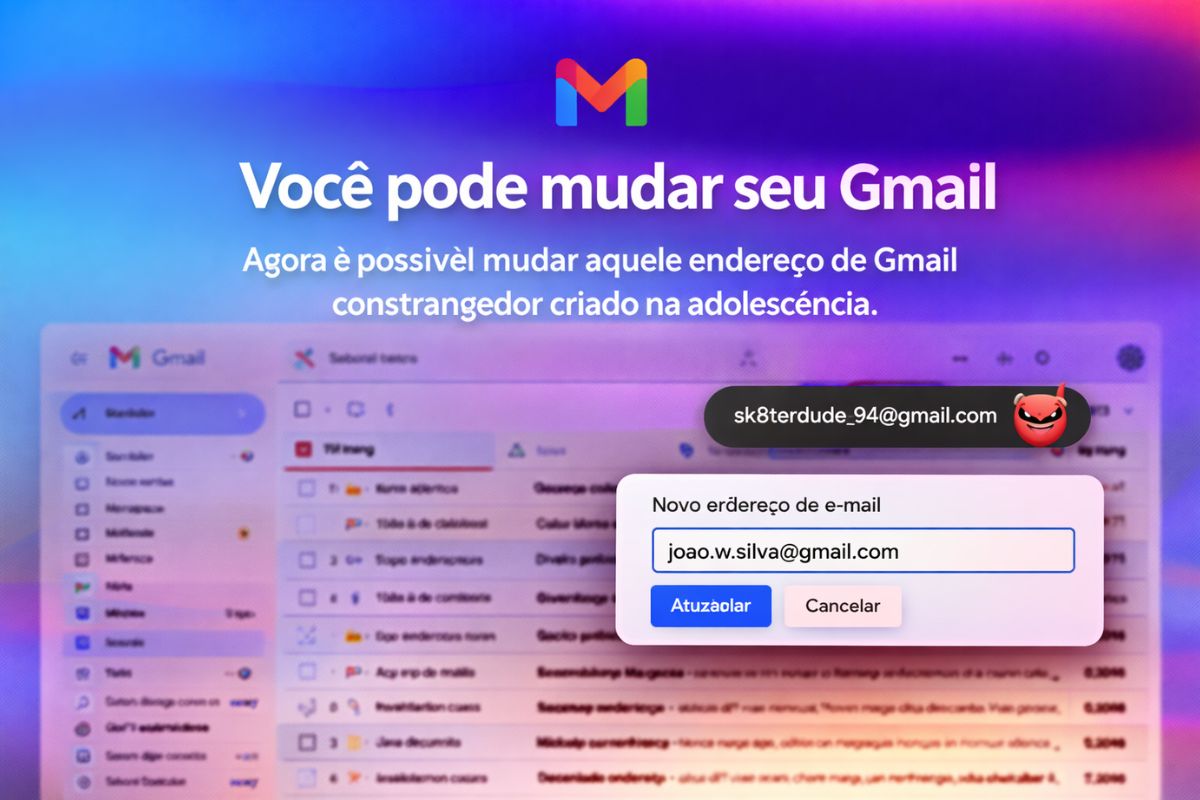
Google will finally let you change that embarrassing Gmail address you created in your teenage years without losing any accounts, logins, or old emails: the feature is already available in the United States.
-
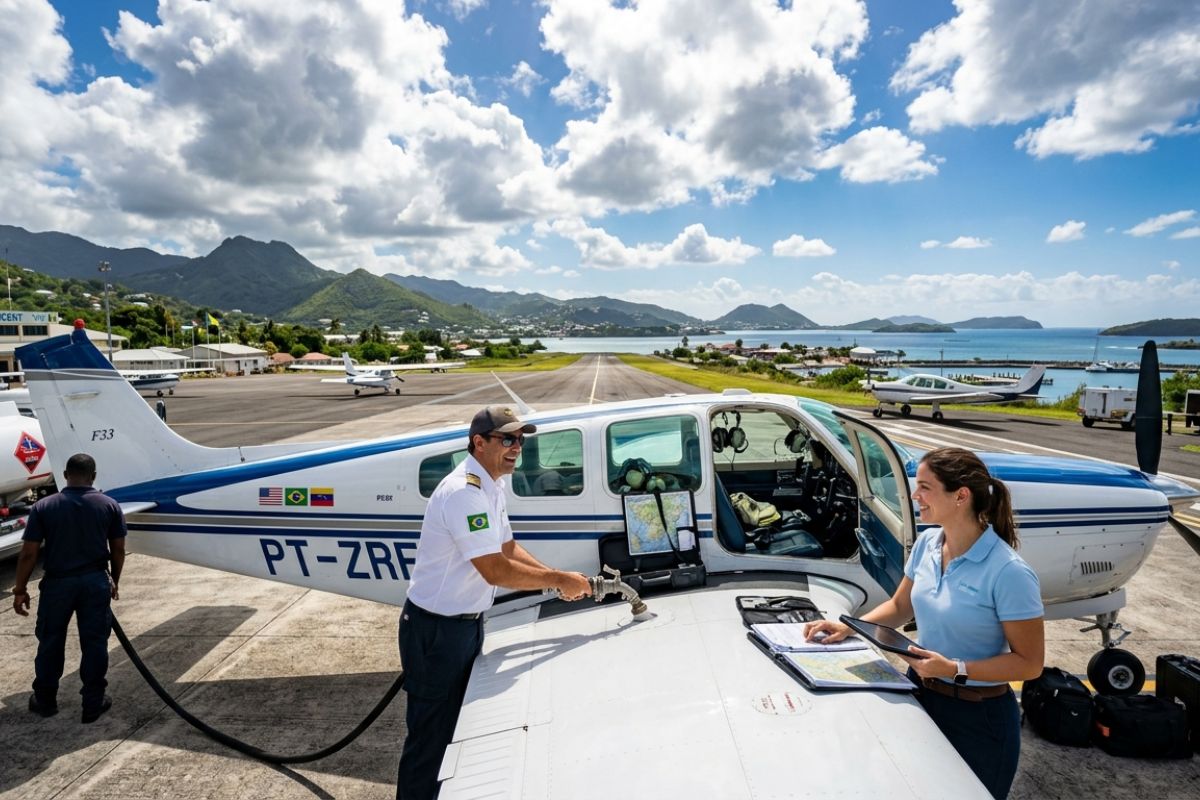
Heading to Brazil in a Bonanza F33 single-engine aircraft: a couple departs from Florida on a visual flight, makes technical stops in the Caribbean to refuel and organize paperwork, and begins the staged crossing until they reach the country.

On the other hand, critics fear that the total ban will push teenagers into darker corners of the internet, with fewer rules and oversight, raising debates about freedom of expression and youth autonomy. The discussion that begins in Australia is likely to echo in other countries, including Brazil.
What The New Australian Law Says About Minimum Age On Social Media
The ban was created through the Online Safety Amendment (Social Media Minimum Age) Act 2024, an amendment to the country’s online safety legislation. The text was approved in November 2024 and stipulated that the restriction would take effect from December 10, 2025, after a period of adaptation for the platforms.
In practice, from this date on, it is illegal for children and teenagers under 16 to maintain accounts on the social media platforms listed by the government. The rule applies both to old profiles and to new attempts to register on apps considered high-risk for young users, such as TikTok, Instagram, Snapchat, YouTube, X, and other similar services.
Companies are required to take “reasonable steps” to identify Australian users under 16 and delete those profiles. Failure to do so could result in fines of up to AUD 49.5 million or 5 percent of annual revenue, making Australia one of the toughest countries in the world on sanctions against social media.
How Social Media Will Need To Verify User Age
One of the most sensitive points of the new law is age verification on digital platforms. The government did not authorize the mandatory requirement for official documents, including to avoid additional risks of leaking sensitive data from millions of young people.
Instead, social media will need to rely on a set of mechanisms, such as online behavior analysis, checking registration data, using video selfies for age estimation, and, in some cases, cross-validation with payment information. These methods still raise technical and ethical questions, as they involve more data collection and intensive use of facial recognition algorithms.
Platforms and privacy experts warn that this model could create new risks and increase dependence on biometric technologies. At the same time, the government promises to closely monitor the solutions adopted and publish impact reports even before the end of 2025.
Why The Government Blames Social Media For Teen Mental Health
The Australian decision did not come out of nowhere. Authorities frequently cite the book “The Anxious Generation” by social psychologist Jonathan Haidt, which argues that the combination of smartphones, social media, and hyper-connected childhood helped create a “mental health epidemic” among teenagers in several countries.
According to international reports, the wife of an Australian parliamentarian read the book and pressured her husband to take action, which helped unlock political support for the law. The government began to argue that social media use should be delayed until after the age of 16, exactly as the author advocates in his recommendations.
According to Prime Minister Anthony Albanese and the eSafety Commissioner responsible for digital oversight, the priority is to reduce cases of cyberbullying, exposure to inappropriate content, and aesthetic pressure, problems that frequently appear in complaints from Australian families.
An opinion poll cited by the media reveals that around 77 percent of the population supports the ban for under-16s, indicating that the discourse of child protection finds strong social resonance. This data is used by the government to counter criticisms that the measure is excessive or paternalistic.
Still, mental health experts remind us that the problem lies not only with social media, but also with factors like school, family, sleep, and social inequality. The law alone does not solve all causes of anxiety and depression, but it may serve as a large-scale experiment to measure the impact of removing social media from the daily lives of millions of young people.
Protection Measure Or Push To Darker Corners Of The Internet
Technology companies and parts of the academic community criticize the total ban for minors under 16. One of the main concerns is that teenagers will simply migrate to lesser-known platforms, encrypted messaging services, or totally unmoderated sites, where there are no reporting tools or clear community rules.
Representatives from TikTok and other companies have already warned that strict restrictions could push young people into more dangerous spaces on the internet, making oversight even more difficult. Digital rights organizations also question whether the law respects principles of freedom of expression and whether it inadvertently affects young people who produce educational or activist content on social media.
Additionally, civil groups announced that they intend to challenge the legislation in the Australian high court, arguing that the text violates constitutional guarantees related to political communication and public participation. This judicial dispute will determine how far a government can go in regulating minors’ access to digital platforms.
In your case, what do you think about this total ban on social media for under-16s? In your opinion, should all countries follow Australia’s lead, adopt something more flexible, or leave the decision solely to families? Leave your comment.









-

-

-

9 pessoas reagiram a isso.