





 Portuguese
  English
  Spanish
  6 min of reading
  0 comments



The Government Announces Emergency Package with Subsidies, Tax Reductions, and New Rules to Contain Oil Price Increases, Protect the Economy, and Prevent Pressure on Diesel and Transport.
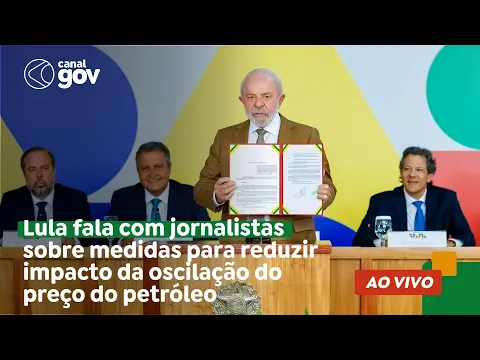
The federal Government announced a set of emergency measures to face the recent increase in oil in the international market and protect the Brazilian economy from more severe impacts on fuels, transport, and production chains. The decision comes amid a scenario of geopolitical instability in the Middle East, which has increased volatility in global energy markets and generated concern over rising production and logistics costs.
According to a publication by the Ministry of Finance on March 13, the actions were formalized through a Provisional Measure and three presidential decrees. The central objective is to reduce the immediate transmission of the increase in oil to domestic prices, especially diesel, a fundamental fuel for the transport of goods and passengers in the country.
According to preliminary estimates from the Ministry of Finance, the package could mobilize up to BRL 10 billion in diesel subsidies, in addition to a temporary tax exemption estimated at approximately BRL 6.7 billion. The set of measures was designed to be emergency, exceptional, and counter-cyclical, aimed at addressing an external price shock that directly impacts the cost of energy and logistics.
-
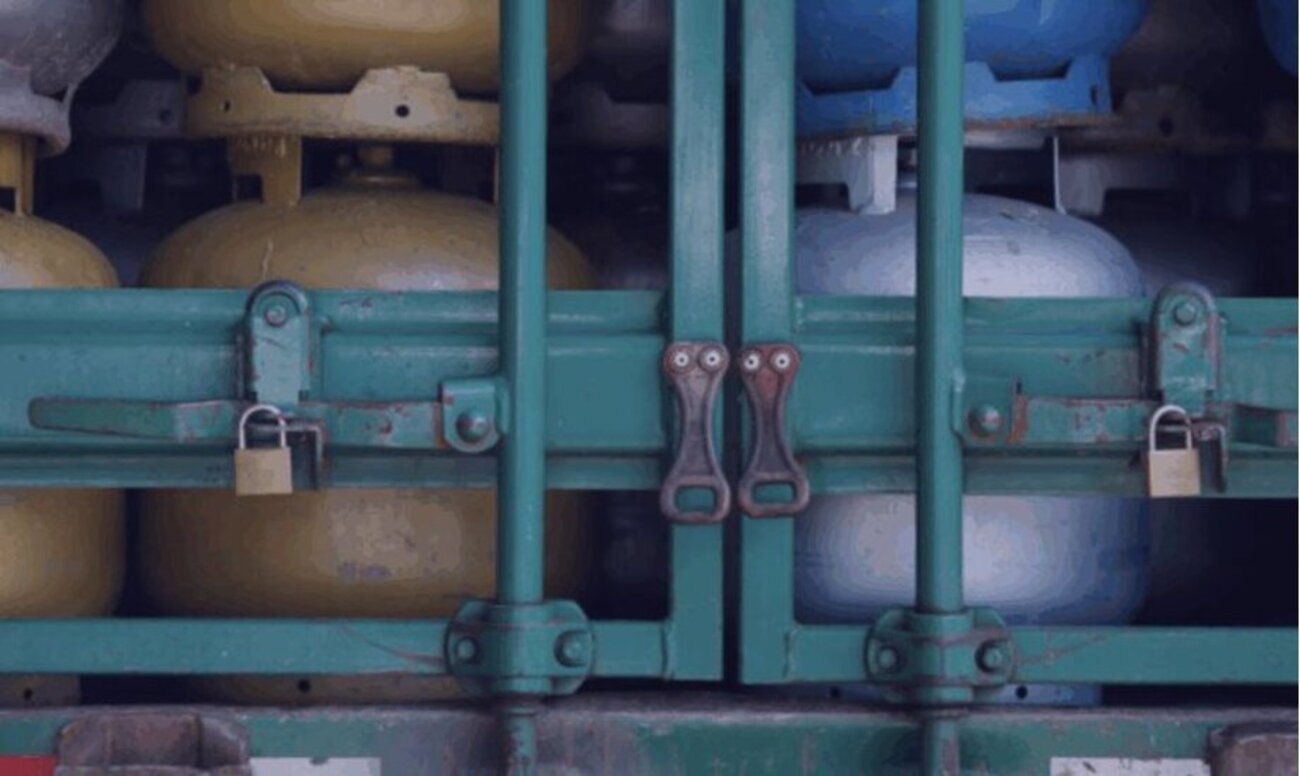
Petrobras evaluates suspension of sales to distributors and considers canceling the cooking gas auction following guidelines from the Federal Government.
-
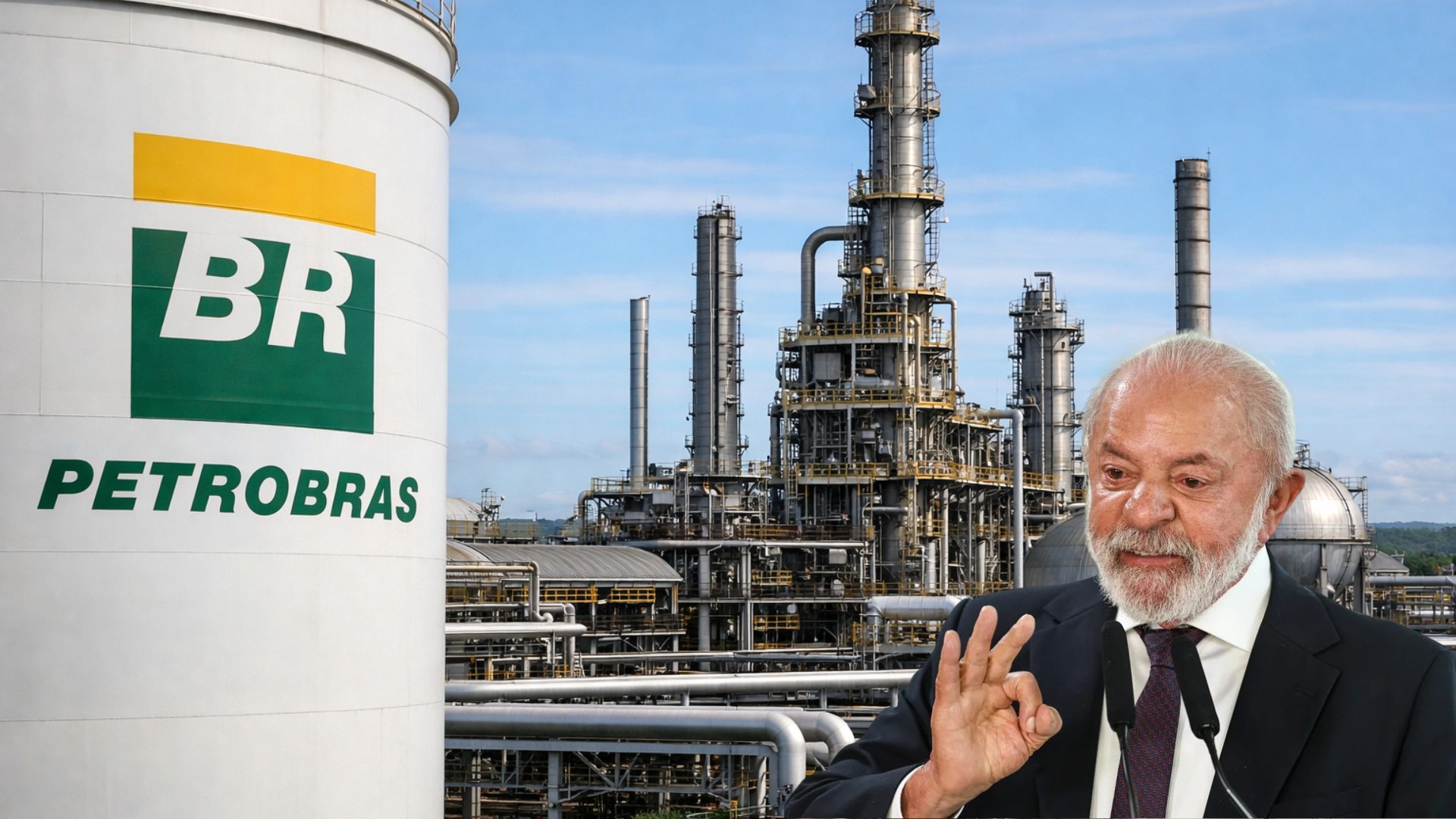
Lula reveals a masterstroke by Petrobras to undo a deal made by Bolsonaro, which involves the return of an important refinery that currently produces less than half of what was expected and makes Brazil dependent on international diesel.
-
A study confirms that the natural gas sector will reduce greenhouse gas emissions in Brazil by 0.5% and accelerate the energy transition by 2026.

-
Petrobras implements a severe adjustment and confirms a 55% increase in the price of aviation kerosene with a proposal for installment payments for the companies.


Additionally, the package includes the creation of an export tax on crude oil with a potential revenue of about BRL 15.6 billion during the initial validity period of the measures. The strategy aims to preserve the functioning of the economy, mitigate the impact of rising oil prices, and ensure stability in the domestic supply of fuels.
Diesel Subsidies Are at the Center of the Government’s Strategy Against the Rise in Oil
One of the main actions announced by the Government involves creating a subsidy program aimed at the commercialization of diesel for road transport by producers and importers in the national territory.
The objective is to mitigate the immediate impact of the increase in oil on diesel, a fuel essential for road transport and for various productive chains of the Brazilian economy. Trucks, buses, and agricultural machinery rely heavily on this fuel, which means that any significant increase could have cascading effects across several sectors.
The policy establishes a cap of up to BRL 10 billion in public resources to finance diesel subsidies. The actual amount will depend on the volume marketed and the level of compensation needed to reduce the pass-through of international increases to the domestic market.
By reducing pressure on diesel, the Government seeks to prevent abrupt increases in road transport costs. Since a large part of goods in Brazil moves by truck, the rising cost of this fuel can directly impact the prices of food, industrial products, and services.
This policy was designed to act as an economic cushioning mechanism in the face of the increase in oil, allowing companies and consumers to have greater predictability during periods of instability in the global energy market.
Reduction of PIS and Cofins Seeks to Relieve Pressure from the Increase in Oil on Transport and Logistics
Another important front of the package involves a temporary reduction in the incidence of PIS/Pasep and Cofins on diesel. The measure was adopted by the Government to reduce the cost of fuel in the domestic market and lessen the impacts of the increase in oil on transport.
The exemption will last for an initial duration of four months and is expected to generate an estimated tax revenue loss of about BRL 6.7 billion during this period. According to the Ministry of Finance, the measure has an emergency nature and aims to prevent abrupt fluctuations in international prices from translating into immediate cost increases in logistics.
By reducing the tax burden on diesel, the Government creates room for the final price of fuel to be less pressured. This strategy acts as an economic buffer, protecting the economy from rapid cost pass-throughs.
The exemption also complements the policy of subsidies to diesel. Together, the two measures form a combined strategy to soften the transmission of the increase in oil to the domestic market, avoiding immediate impacts on consumers and businesses.

Export Tax on Oil Seeks to Balance External Gains and Economic Stability
Another measure announced was the creation of a temporary tax on the export of crude oil. The Provisional Measure establishes a rate of 12% on the export of crude oil.
According to the Government, the instrument has a regulatory and temporary nature. It was created to act during times of significant increases in oil, when international prices rise significantly and generate extraordinary gains along the production chain.
Estimates indicate that potential revenue could reach about BRL 15.6 billion during the initial four months of validity of the measure, depending on market conditions and the volume exported.
The policy also includes an automatic mechanism to reduce the rate to zero if the international price of oil returns to lower levels. This reinforces the temporary nature of the initiative and avoids long-term market distortions.
According to the Ministry of Finance, part of the additional income generated by the appreciation of oil could help stabilize the domestic fuel market. Thus, a portion of the extraordinary income generated by the increase in oil could be shared with Brazilian society.
Measures Do Not Represent Price Control, But Reinforce Market Oversight
Despite the announced interventions, the Government emphasized that the measures do not imply direct control of fuel prices.
The formation of prices will continue to occur in a market environment, following the dynamics of supply and demand and the international costs associated with the increase in oil. The goal of the policies is to slow the pace at which external shocks are transmitted to the domestic economy.
In this context, subsidies and tax reductions function as instruments of economic stabilization. They help soften abrupt fluctuations and provide greater predictability for companies and consumers.
The measures also include reinforced oversight of the sector. The National Agency of Petroleum, Natural Gas, and Biofuels (ANP) will detail criteria to identify abusive practices in the distribution chain.
Among the points that can be monitored are unjustified stock retention, increases incompatible with the evolution of costs, and distortions in price formation. The goal is to ensure that the benefits of the policies effectively reach the market.
International Energy Shock Pressures Markets and Demands Government Response
The recent increase in oil occurs in a context of geopolitical tensions in the Middle East, a region responsible for a significant portion of global oil production.
Crises or conflicts in this area usually generate volatility in energy prices, directly affecting transportation costs, industrial production, and energy generation.
For countries like Brazil, where road transport is predominant, these movements can have broad effects on the economy. Increases in diesel prices tend to impact freight-intensive production chains, such as agriculture, commerce, and industry.
On the other hand, the appreciation of oil may also increase income obtained from Brazilian exports of crude oil. In this scenario, the challenge for the Government is to balance these positive and negative effects.
The announced measures were structured precisely to respond to this external price shock, reducing the immediate transmission of the increase in oil to the internal costs of the economy.
Strategy Seeks to Preserve Supply and Reduce Economic Impacts
The set of policies announced by the Government is part of a broader strategy to strengthen the resilience of the Brazilian economy in the face of periods of instability in international markets.
The combination of subsidies, tax reductions, and regulatory instruments seeks to protect consumers and productive sectors from the more immediate effects of the increase in oil.
By softening the impact on diesel and transport, the measures aim to prevent the international shock from causing widespread price increases and loss of competitiveness for Brazilian companies.
Although they are temporary in nature, these actions represent an effort to ensure greater economic stability during moments of global turbulence.
Given the volatility of the energy market, emergency policies like these can play an important role in maintaining the functioning of the economy, preserving productive chains, and reducing impacts for consumers and businesses throughout the country.









Seja o primeiro a reagir!