





 Portuguese
  English
  Spanish
  3 min of reading
  0 comments


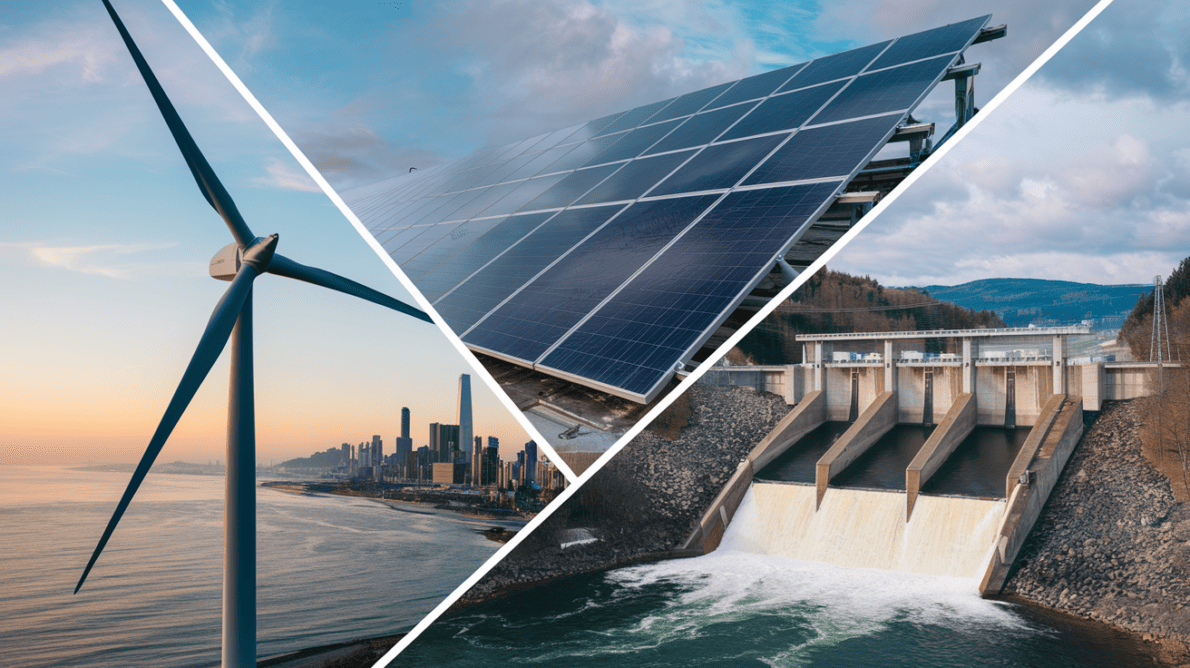
Decade Energy Expansion Plan 2034 Sets Guidelines to Consolidate Brazil’s Leading Role in the Energy Transition, Prioritizing Renewable Sources Like Solar and Wind Over the Next Ten Years.
The Ministry of Mines and Energy (MME) approved on Wednesday (4/9) the Decade Energy Expansion Plan (PDE) 2034, a document that defines goals and guidelines for the next ten years in the national energy sector. The plan reinforces Brazil’s role in the energy transition, focusing on the increased use of renewable energies, especially solar and wind energy. The proposal was published in the Official Gazette of the Union through Portaria No. 831/2025 and was developed by the Energy Research Company (EPE).
The document will serve as a strategic reference for public policies, investments, and actions aimed at sustainability, energy supply security, and expanding access to electricity in the country.
Document Guides Energy Planning Until 2034
The PDE 2034 was built on technical studies and detailed projections, covering the period from 2025 to 2034. According to the MME, the plan is essential to ensure a safe, inclusive, and sustainable transition of the Brazilian energy system. The strategy seeks to ensure that the population has access to energy in a stable way, with quality and lower environmental impact.
-
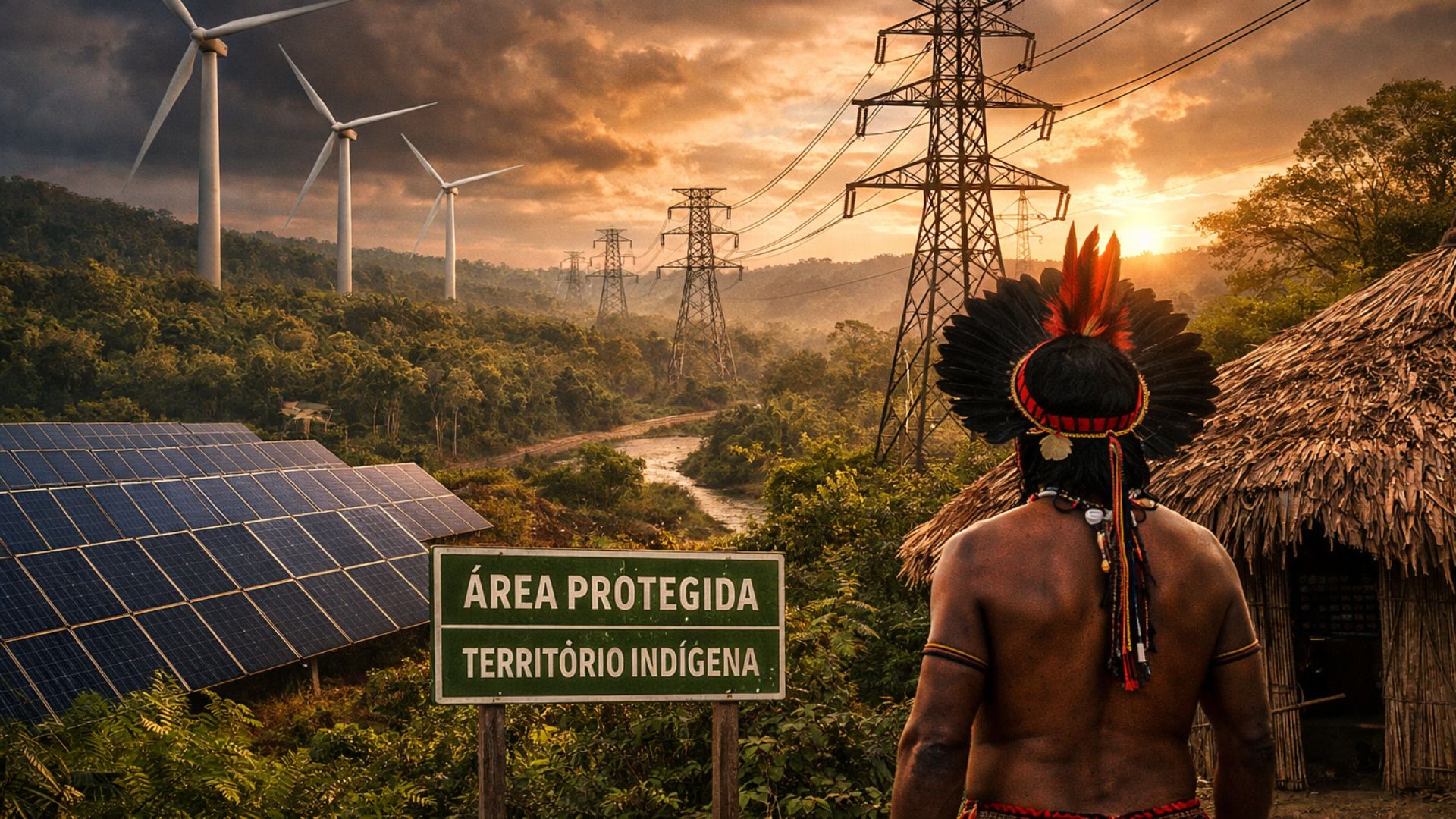
Renewable energy advances over protected areas in Brazil, and a survey by the Energy Transition Observatory reveals silent impacts that challenge environmental conservation and pressure sensitive traditional territories.
-
Rio Grande do Sul accelerates energy transition: State invests in renewable technologies and consolidates decarbonization strategies and pathways to attract billions in new industrial investments.

-
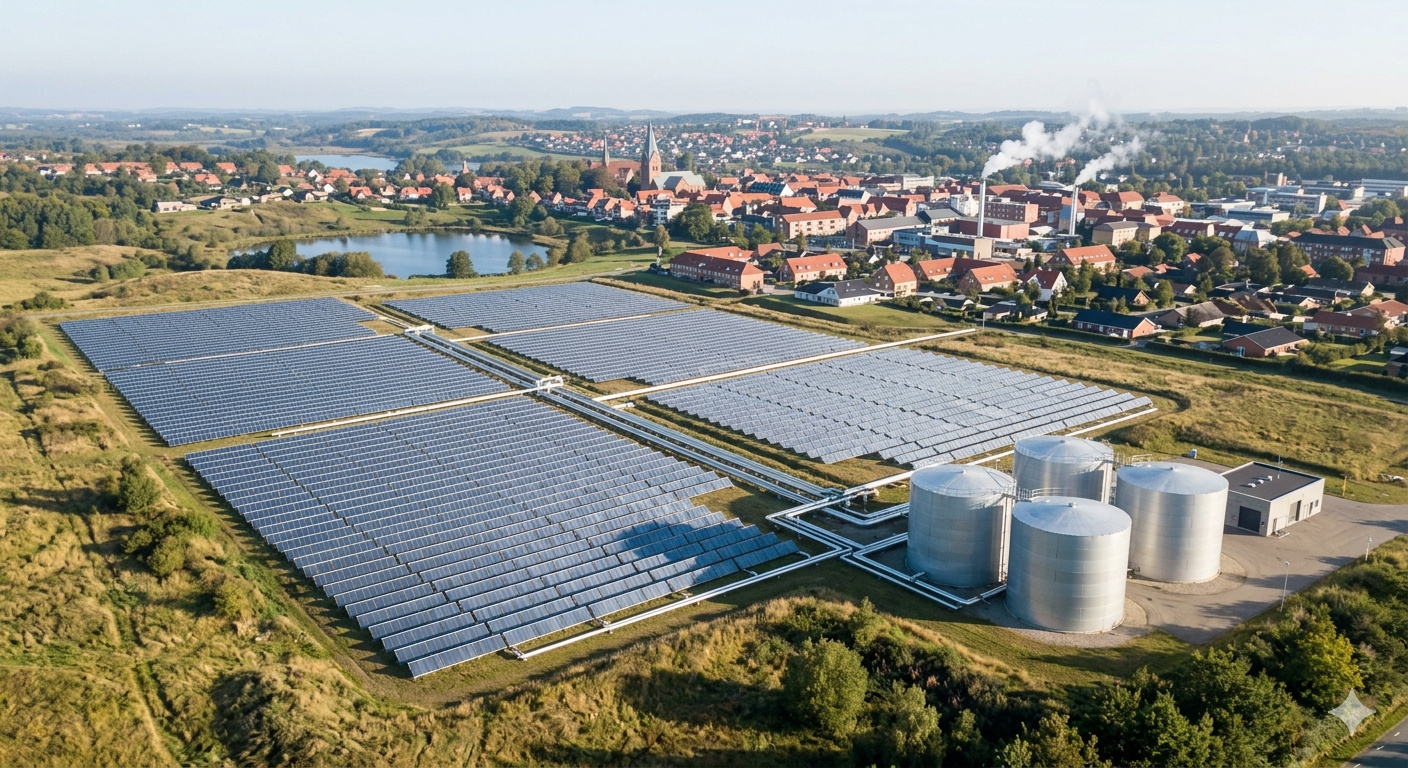
With 160,000 m² of collectors, an area larger than 20 football fields, Silkeborg, in Denmark, hosts a solar thermal plant that heats 19,500 homes and could become the largest solar heating plant in the world.
-
A study reveals the expansion of renewable energy procurement in Brazil and shows how companies are taking advantage of opportunities to reduce expenses, ensure energy efficiency, and strengthen strategic environmental commitments.


The initiative also aligns with social goals, such as combating energy poverty, and economic ones, such as attracting investments for projects related to renewable energies and low-carbon technologies.


Renewable Energies Gain Space in the Matrix
The PDE 2034 projects that Brazil will continue to have a predominantly renewable electricity matrix, maintaining the share of clean sources above 85%. One of the focuses of the plan is the growth of solar and wind energy generation, including the expansion of distributed generation — systems that allow consumers to generate their own energy, such as solar panels installed on rooftops.
These sources are identified as fundamental to the energy transition, due to their availability, competitive cost, and low environmental impact. The plan also anticipates expansion in the use of biofuels, low-emission hydrogen, and other sustainable alternatives.
Exclusive Chapter Details the Energy Transition
For the first time, the decade plan features a chapter dedicated exclusively to the energy transition. The section details the necessary actions for a gradual, safe, and equitable change in the Brazilian energy matrix, considering both technical and social aspects.
The chapter is aligned with the National Energy Transition Policy, approved by the National Energy Policy Council (CNPE) in August 2024. According to Thiago Barral, National Secretary for Energy Transition and Planning, the new section expands understanding of the challenges and opportunities involved in this process.
“The document consolidates as a reference to anticipate trends and attract investments,” he stated.
Estimated R$ 3.2 Trillion in Investments
According to the MME, approximately R$ 3.2 trillion in investments will be needed by 2034 to ensure an increase in energy supply. This amount should meet both the growth of domestic demand and the expansion of export capacity, especially for markets interested in renewable energies.
The plan estimates an increase of around 25% in the internal energy supply, which will require improvements in generation, transmission, and distribution infrastructure. The expansion of solar and wind energy, as well as the strengthening of power grids, is among the priorities to support this expansion.
MME Reinforces the Importance of Inclusive Policies
The PDE 2034 also highlights the importance of programs such as Light for All, the Legal Framework for Hydrogen, and the Future Fuel Law. These initiatives are part of the national strategy to ensure that the energy transition occurs fairly, benefiting even the most vulnerable populations.
Energy inclusion and the reduction of inequalities in access to electricity are central themes in planning. Job creation and the training of a skilled workforce in solar and wind energy technologies are also among the goals of the plan.
Source: Portal Gov.br








Seja o primeiro a reagir!