





 English
  Francês
  Alemão
  Italiano
  Japonês
  Norueguês
  Portuguese
  Spanish
  3 min of reading


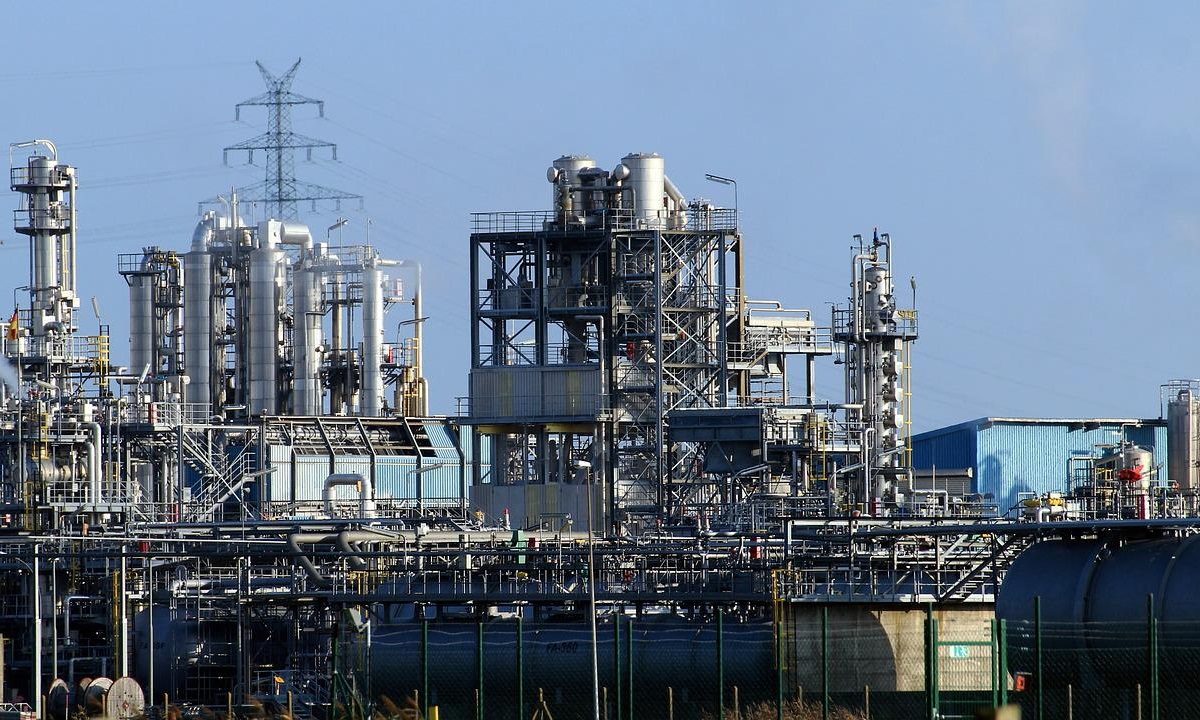
Five Industrial Inputs Will Have The Import Tax Reduced By The Government, With Rates Between 3.3% And 4.4%. This Value Will Last For One Year
The government has validated a new round of cuts on import taxes. Now, the Ministry of Economy has focused on the petrochemical sector, reducing taxes on raw materials for the packaging and construction industries.
In total, five industrial inputs will have their import tax reduced, with rates between 3.3% and 4.4%, valid for one year. Previously, the rates varied from 9.6% to 11.2%.
The new cut in import taxes has been included in the List of Exceptions to the Common External Tariff of Mercosur (Letec). The tax reduction requested by the government was approved by the Executive Management Committee of the Foreign Trade Chamber (Gecex) this Wednesday, the 3rd.
-
Chinese giant worth nearly R$ 4 billion that manufactures cables for electric cars, solar energy, and robotics wants to open a factory in SC.
-
Many employers do not know, but the law guarantees domestic workers a 25% increase in salary during trips, 50% for overtime, 20% for night shifts, and 17 additional benefits that can lead to labor lawsuits if not paid.

-
Gasoline prices soar and the question arises: is ethanol more advantageous? The 70% rule reveals the limit with gasoline.

-
The government has made a decision and is starting a test with more ethanol in gasoline, anticipating a mixture of up to 35%, diesel with 25% biodiesel, and a study to assess the impacts on engines.

The government’s announcement comes just a few weeks after Paulo Guedes’ team decided to lower the import tax on thirteen products, including medicines and medical equipment, contact lenses, and hops for breweries.
In May, the government had already made several tax cuts, reducing the import tax rate on various products by 10%.
The measures adopted by the government align with the economic team’s directive to lower barriers for the introduction of imported products. It also aids in controlling inflation, as it allows for the arrival of more affordably priced goods in the country.
Tax Reduction Was Driven By Supply Issues In Some Production Chains
According to the Ministry of Economy, the government’s reduction of taxes on the import of petrochemical products took into account some supply issues in certain production chains.
In the case of PP resin (propylene copolymer), the Import Tax decreased from 11.2% to 4.4%, and for PET resin, the decrease was from 11.2% to 4.2%.
Glyphosate, used to kill weeds and other pests in agribusiness, is one of the inputs that has increased the most in recent months.
As mentioned earlier, according to the Ministry of Economy, this tariff reduction on import values was due to supply problems in certain production chains and also because of significant cost increases for inputs from other chains, such as glyphosate.
Minister Paulo Guedes Affirms That The Government Aims To Eliminate Taxes On Industrial Products
Minister Paulo Guedes, during the Expert event at XP, stated that the government intends to eliminate taxes on industrial products and not just reduce a portion of the import tax, as has been done recently. The minister also defended the income tax reform, which is awaiting a vote from the Senate.
According to Guedes, eliminating the tax on industrial products will assist in Brazil’s reindustrialization process. Last week, the federal government approved a 35% reduction in the tax levied on products not produced in the Manaus Free Trade Zone.
The minister also stated that reforming the tax on product imports is essential, as the wealthiest are not taxed when they receive dividends. The measure has already been approved by the House and is awaiting deliberation by the Senate Economic Affairs Committee before proceeding to the plenary.
“Those with an income of half a million will pay 15% tax, less than what their employees pay. You should not be ashamed of being rich, but of not paying taxes. We will tax profits and dividends for only 60 thousand people [in the country],” declared the minister.
Guedes also reiterated that the government is strict with public accounts and aims to return to registering a fiscal surplus in 2022, noting that economic growth will not be greater due to the rise in interest rates by the Central Bank.








Seja o primeiro a reagir!