





 Portuguese
  English
  Spanish
  3 min of reading


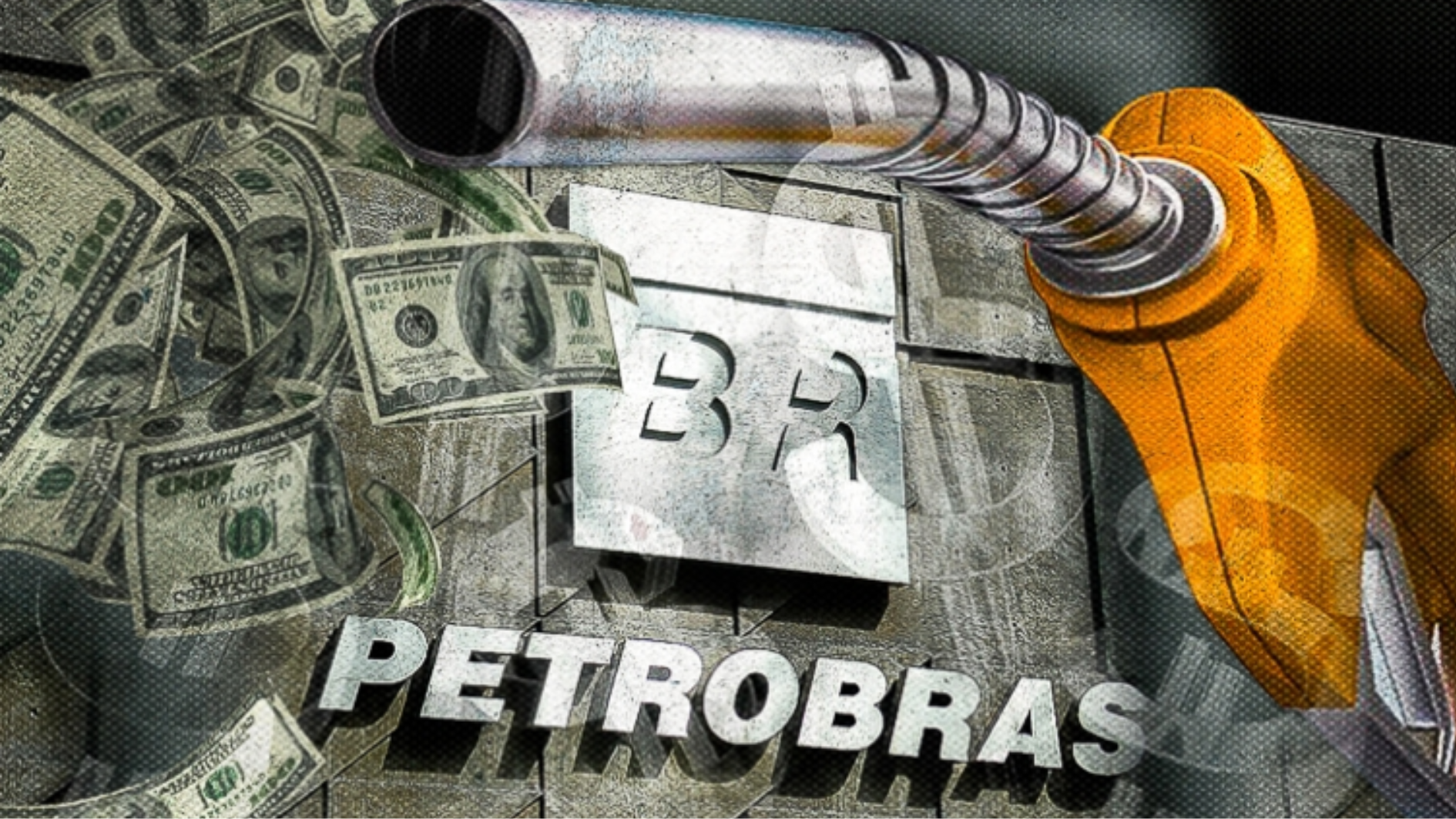
The Bolsonaro Government Has Been Undertaking a True Dismantling of Petrobras’ Assets in Brazil Over the Last Few Years. The Acceleration of the Company’s Privatization Has Been Causing Serious Problems of Import Dependency and Rising Fuel Prices.
Even with the gradual return to stability in fuel prices happening in Brazil, the Bolsonaro Government continues to threaten the sector. Last Monday (10/03), Petrobras celebrated its 69th anniversary amid a dismantling process, according to a survey by the Inter-Union Department of Statistics and Socioeconomic Studies (Dieese). And, over the last few years of the current president’s administration, privatization has been intensifying more and more, harming the final consumer in the country.
The Privatization Project of Petrobras Is Intensifying Under the Bolsonaro Government and the Fuel Market Is Suffering the Consequences
It is not new that Petrobras has been undergoing a privatization process and selling its assets to the private market, but the last few years have been crucial for accelerating this process.
For 69 years, the dismantling of the state-owned company has been happening in Brazil, and the arrival of the Bolsonaro Government in 2019 brought to light the relentless pursuit of selling the company’s assets.
-
A study confirms that the natural gas sector will reduce greenhouse gas emissions in Brazil by 0.5% and accelerate the energy transition by 2026.

-
Petrobras implements a severe adjustment and confirms a 55% increase in the price of aviation kerosene with a proposal for installment payments for the companies.

-
The rise in oil prices could ensure an extra revenue of R$ 100 billion for the Federal Government, indicates a recent economic study.

-
Naturgy begins an investment of R$ 1.6 million to expand the gas network in Niterói and benefit thousands of new residences and businesses.

Dieese’s data shows that from 2013 to August 2022 (nine years), Petrobras sold 94 assets (80 in Brazil and 14 abroad), totaling 59.8 billion dollars.
In the last few years, since the current presidential administration began its term, between January 2019 and August of this year, 63 assets have been sold in the privatization process, 67% of the total so far, amounting to 33.9 billion dollars – about R$ 175 billion.
Thus, although attracting investors to Petrobras and acquiring profits have been efficient, fuel prices in Brazil keep rising, and the final consumer is affected amid the instability in the sector.
During President Bolsonaro’s administration, assets such as BR Distribuidora, port terminals, oil fields, power plants, and refineries have been granted to the private sector.
The Privatization of RLAM Demonstrates the Dismantling Project of the State Company and Its Impact on Fuel Prices in Brazil
Among the main assets granted to the private market during the Bolsonaro Government, the Landulpho Alves Refinery (RLAM) in Bahia was one of the most significant, bringing strong impacts to the national market.
The refinery was granted to the Mubadala Capital fund in December of last year in exchange for 1.65 billion dollars, about R$ 8.25 billion at the time of the transaction.
However, surveys by the Institute of Strategic Studies of Oil, Natural Gas, and Biofuels (Ineep) show that this refinery was worth at least twice that final value.
Thus, the privatization process of Petrobras’ asset has been widely criticized in the fuel sector due to its impact on product prices.
Additionally, the Single Federation of Oil Workers (FUP) filed a lawsuit against the sale of the asset in the Court of Accounts of the Union (TCU), but the case was eventually shelved and the federation did not achieve results.
After the purchase of RLAM, Mubadala founded Acelen, which was responsible for the refinery, the distribution of fuels, and the pricing table for pass-throughs to distributors in Brazil.
As a result, various price adjustments of the products were made, and during March of this year, Bahia was the state with the most expensive fuel in the country, a result of the dismantling and privatization of Petrobras under the Bolsonaro Government.
“We see Petrobras reaching 69 years dismantled, investing less, sidelining renewable sources, and maintaining the import parity pricing policy (PPI), which harms Brazilians with rising prices and inflation, but guarantees large profits to its shareholders,” criticized Deyvid Bacelar, the general coordinator of FUP.







Seja o primeiro a reagir!