





 Portuguese
  English
  Spanish
  3 min of reading


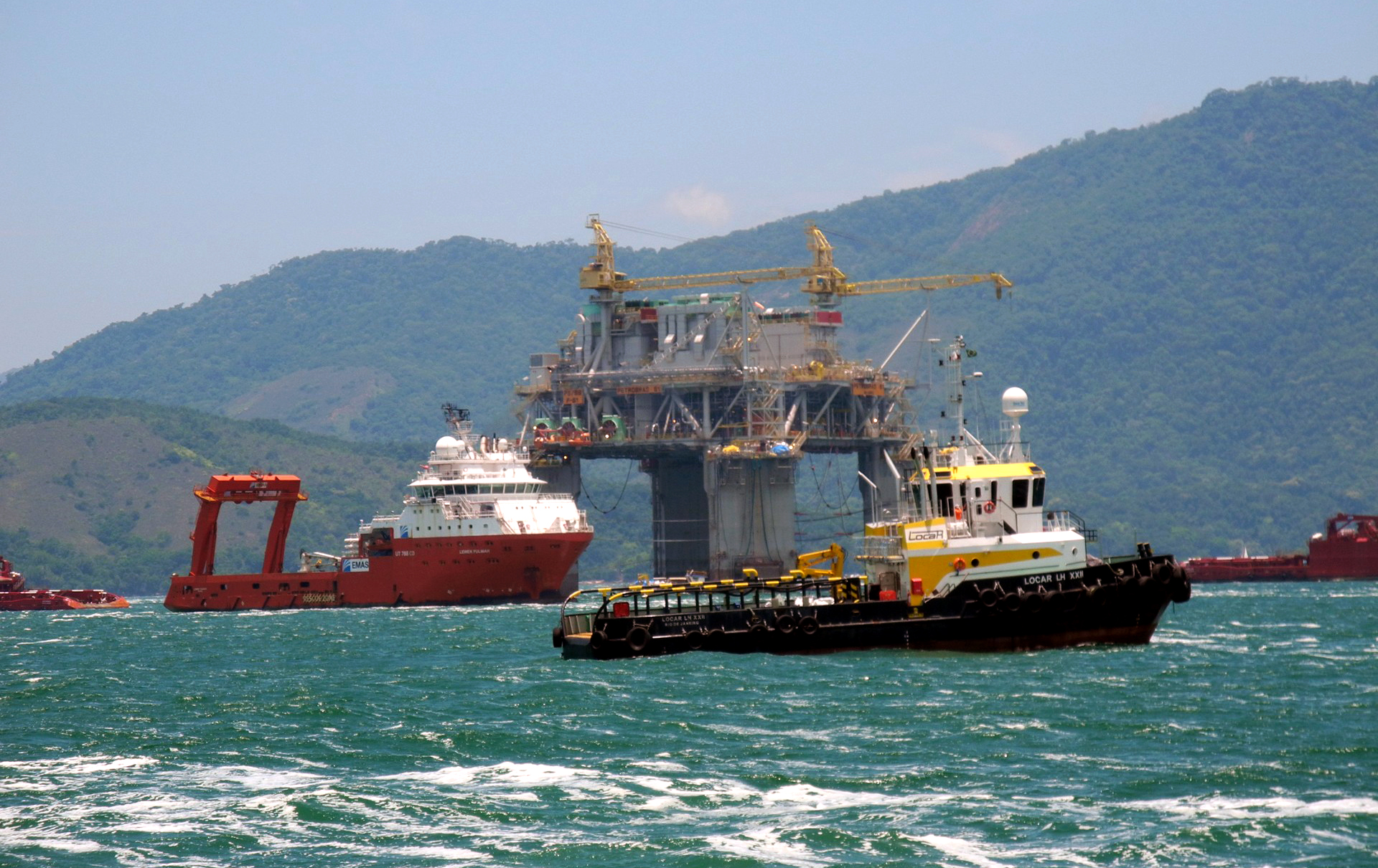
The Meeting of Sinaval with the Representatives of the Transition Government Marked Great Discussions About the Future of the National Market. Strong Investments are Expected in the Naval Industry and in the Offshore Wind Energy Sector for the Initial Years of Lula’s Term.
Those who were waiting for the rebound of the Brazilian naval industry can celebrate! This is because some representatives of the National Syndicate of Shipbuilding and Naval Repair (Sinaval) met with the Transition Government to discuss the future of the sector. Thus, the discussions indicated possible large investments from Lula’s term for the segments of the naval sector and offshore wind energy over his 4 years in office.
Sinaval Confirms Interest of the Transition Government in Acting on the Rebound of the Naval Industry and Offshore Wind Energy in the Coming Years
During the last few years, the Brazilian naval industry has been increasingly left behind as the international naval sector grows.
However, with President Lula’s victory in recent months, discussions about the future of the national market and the investments planned for the next 4 years are already underway.
-
With 74% of companies facing difficulties in hiring, technicians and engineers in renewable energy are becoming scarce in Brazil and are essential to support the expansion of solar, wind, and green hydrogen projects.

-
The Brazilian state accelerates industrial competitiveness with a focus on the extraction of strategic minerals to boost the energy transition in Goiás.

-
Europe is trying to create an ammonia-powered marine engine without auxiliary fuel, which could unlock the race for giant emission-free ships. The technology aims to eliminate one of the biggest obstacles to clean maritime propulsion.
-
A 4,500-ton frigate with just over 100 crew members, state-of-the-art radar, and cruise missiles is being touted as the new standard of naval warfare in the 21st century.

Recently, some members of Sinaval met with the Transition Government of Lula’s term to discuss the president’s stance on the future of two major national areas: the naval industry and offshore wind energy.
The results were quite positive, as the union received the news that the government is expected to make strong investments in national projects to revive these segments over the next 4 years.
In Meeting with the Transition Government, Sinaval Highlighted the Main Demands for the Naval Industry and the Offshore Wind Energy Sector and Achieved Good Results
During its meeting with the Transition Government of Lula’s term, Sinaval presented the main bottlenecks of the Brazilian naval industry and the main needs for the coming years.
Among them, the encouragement of national projects, such as Promef [Fleet Expansion and Modernization Program of Transpetro] and Prorefam [Fleet Renewal Program for Petrobras Maritime Support] were the most significant.
This is because they ensure that the development of the naval industry does not stop, thus driving more companies and businesses throughout Brazil.
Moreover, Sinaval emphasized the need and importance of support for offshore wind energy projects in the coming years, as well as the resumption of the BR do Mar project.
The results of this meeting were very positive, as the Transition Government showed openness to the proposals.
“What we heard is that President Lula intends to revive the naval industry. Our sector is on the agenda of the new government, aiming to create new jobs in the country,” said the executive vice president of Sinaval, Sergio Bacci.
“We also heard from the Infrastructure group that the naval sector needs to stay alert to opportunities in offshore wind energy. Demands in this new sector may arise a little earlier than previously expected,” concluded the executive.
Learn About Sinaval
The mission of SINAVAL is to defend the interests of industries in this sector and participate in study groups in government agencies and educational and research institutions.
The Naval Industry, worldwide, is considered strategically important for countries and is supported and encouraged by governments. It is a project of society because it represents the mobilization of large contingents of labor and vast financial resources.








Seja o primeiro a reagir!