





 English
  Francês
  Alemão
  Italiano
  Japonês
  Norueguês
  Portuguese
  Spanish
  2 min of reading


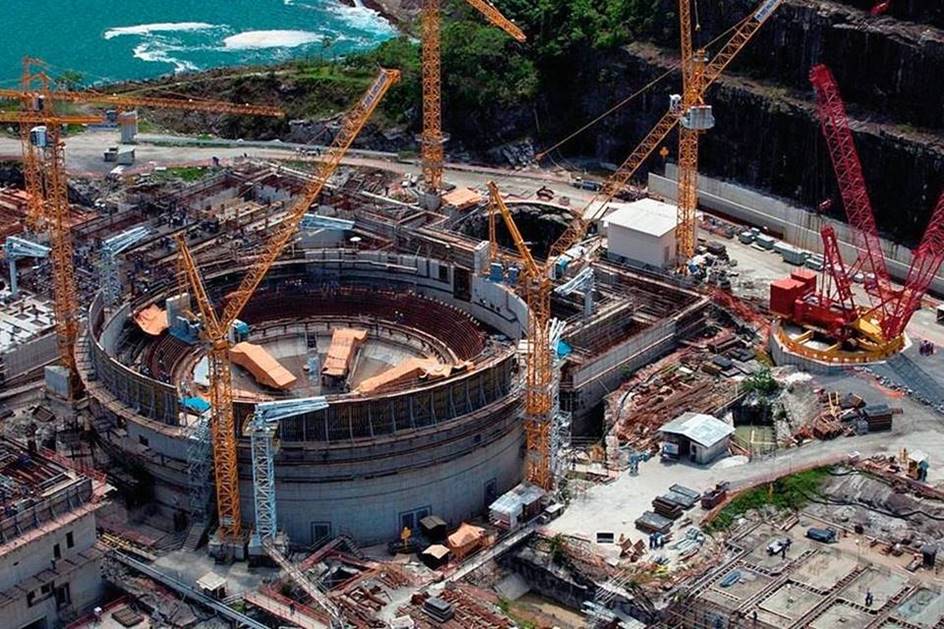
Brazil Has the Seventh Largest Geological Uranium Reserve in the World. It Ranks Behind Australia, Kazakhstan, Canada, Russia, South Africa, and Nigeria.
In Brazil, the Minister of Mines and Energy Bento Albuquerque stated this Monday, October 7, that the Government intends to resume uranium mining in national territory to expand the Brazilian nuclear program, which also includes the completion of the works at Angra 3 – also through private sector participation. Four foreign groups compete for Angra 3 Plant and modeling will serve for eight new plants.
The federal government’s plan is to resume activities at the Engenho mine in Caetité (BA) by the end of 2019. Brazil is home to the 7th largest geological uranium reserve in the world, and mining is mainly done in Caetité (BA).
-
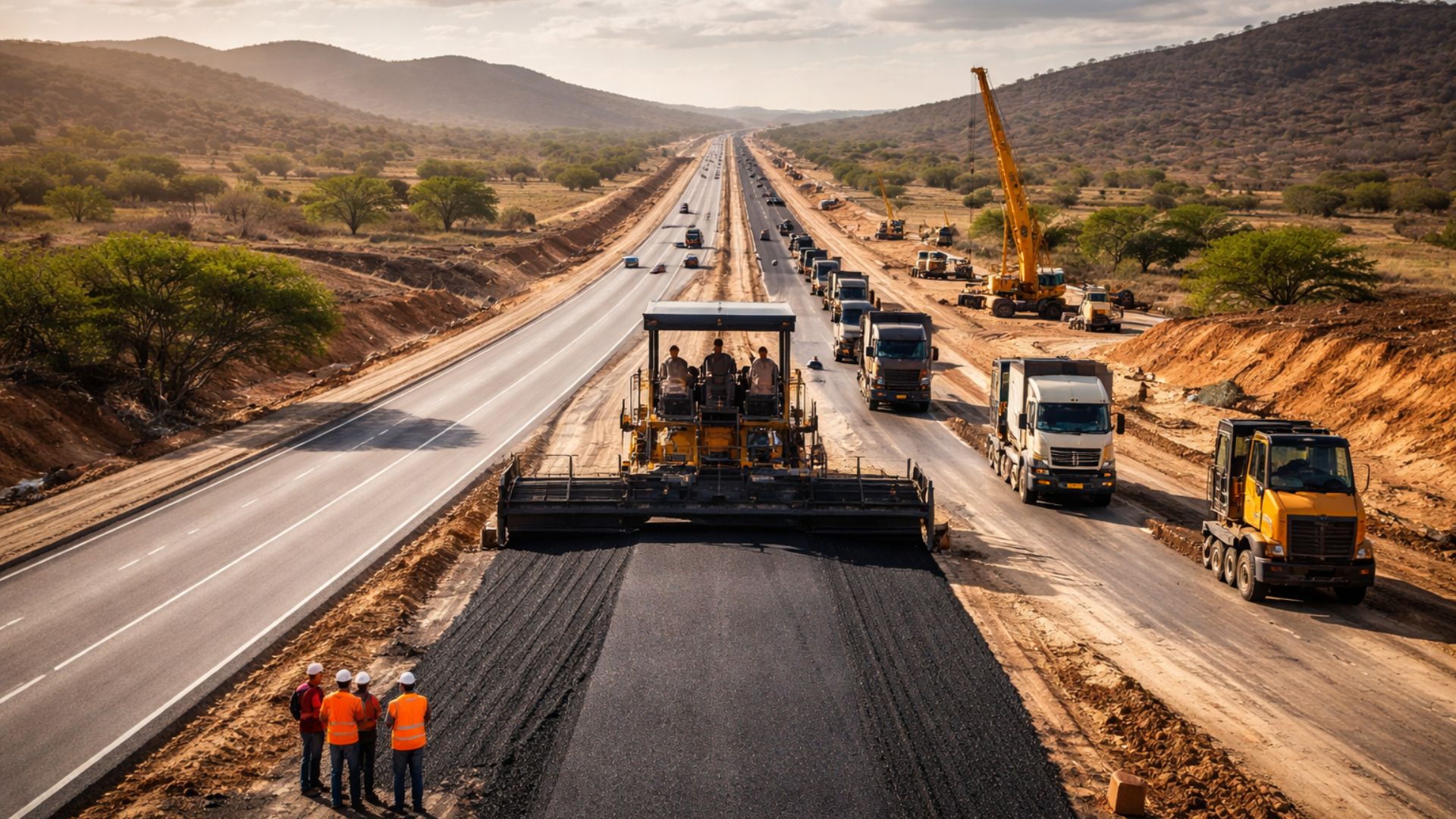
Government unlocks R$ 554 million for a highway that has been requested for decades and accelerates the duplication of BR.
-
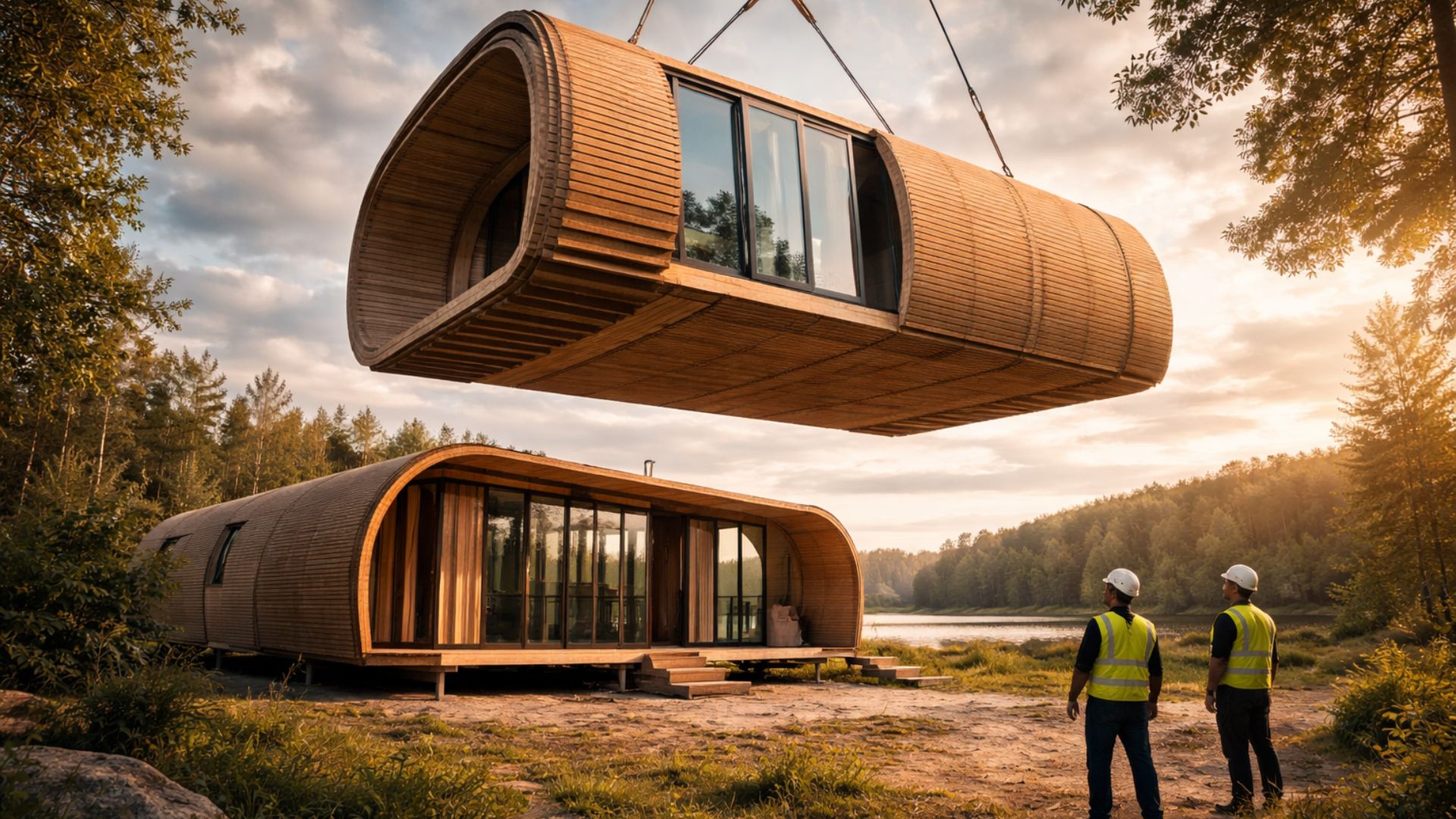
Without bricks, without cement, and without endless construction: the cardboard house that is assembled in modules and can be moved.
-
Billions of barrels on the equatorial margin could lead Amapá to double its oil production in Brazil — the state aims to enter the route of companies in the Campos Basin, attract investments, and boost jobs and businesses in the oil and gas sector.

-
Without bricks, without cement, and without endless construction: the cardboard house that is assembled in modules and can be moved.
The product is the raw material for fuel used in nuclear plants. Currently, exploration will be solely conducted by the state-owned INB (Nuclear Industries of Brazil), but the government is studying alternatives.
According to the Constitution, uranium mining is a monopoly of the Union, and therefore, the private sector would only operate in mines where the presence of the element is minor – as in the case of Santa Quitéria, in Ceará, where there is 90% phosphate and 10% uranium.
Thus, exploration would still be conducted by the state-owned Nuclear Industries of Brazil (INB), but with the presence of private agents.
However, for the minister, it is possible to move forward. He advocates breaking the Union’s monopoly on uranium exploration and even the exploration of nuclear plants by the private sector.
However, to achieve this, it would be necessary to approve a Proposed Amendment to the Constitution (PEC) in Congress – with the support of three-fifths of the deputies and senators, in two rounds of voting in each legislative house.
“Safety exists. We have operated nuclear plants for over 40 years. There is no problem with the private sector. What is the difference between the private sector and the state sector? None, as long as there are conditions to control and supervise. This discussion is a thing of the past, and if it were to go to Congress today, there would be no such resistance. This is my personal opinion, especially given my experience with Congress and various parliamentarians,” he said.
Comperj Gas Will Have a Reception Point Built in Rio de Janeiro







Seja o primeiro a reagir!