





 Portuguese
  English
  Spanish
  5 min of reading
  0 comments


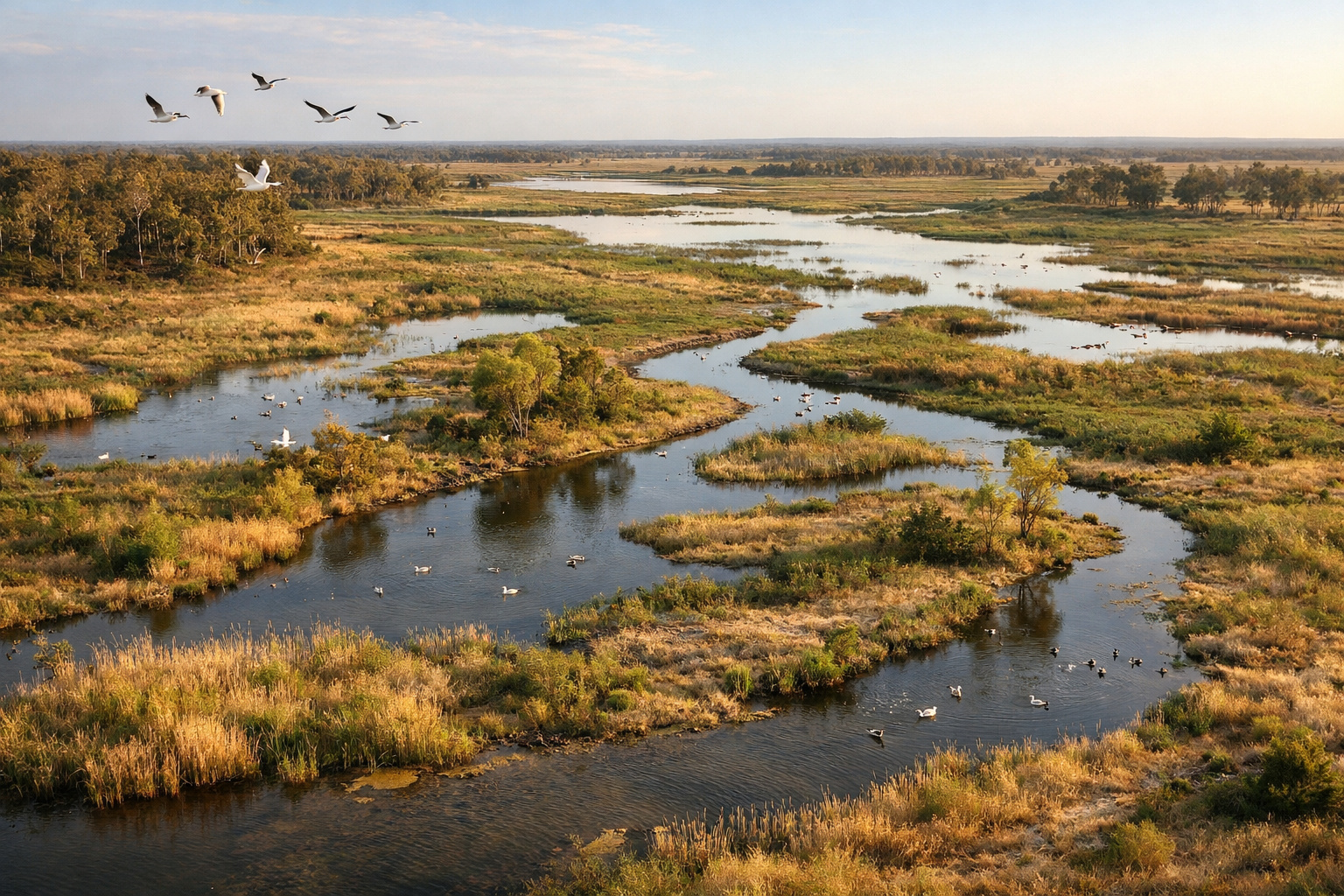
After Decades Of Environmental Collapse, Dead Century-Old Trees And Billions Of Liters Of Toxic Water, The Removal Of The Dam Revealed How Nature Responds When Human Interference Is Removed
For four decades, one of Australia’s greatest environmental mistakes remained active and silent. The artificial Macoã Lake, located in the state of Victoria, accumulated ecological destruction, biological death, and waste of water resources. However, an unprecedented decision completely changed this scenario: the government invested US$ 17 million to demolish the dam responsible for the disaster. Nature’s response surprised researchers from around the world.
Based on official government data from Australia and studies conducted by universities and specialized centers in ecological restoration. According to the surveys, over 40 years, more than 200,000 century-old trees died standing, while 8,750 hectares of ecosystem remained submerged under billion of liters of stagnant and toxic water.
Before that, the area functioned as a fertile and biodiverse valley, essential to the Yorta Yorta Indigenous people. However, after the dam was built, the place turned into a true biological graveyard.
-
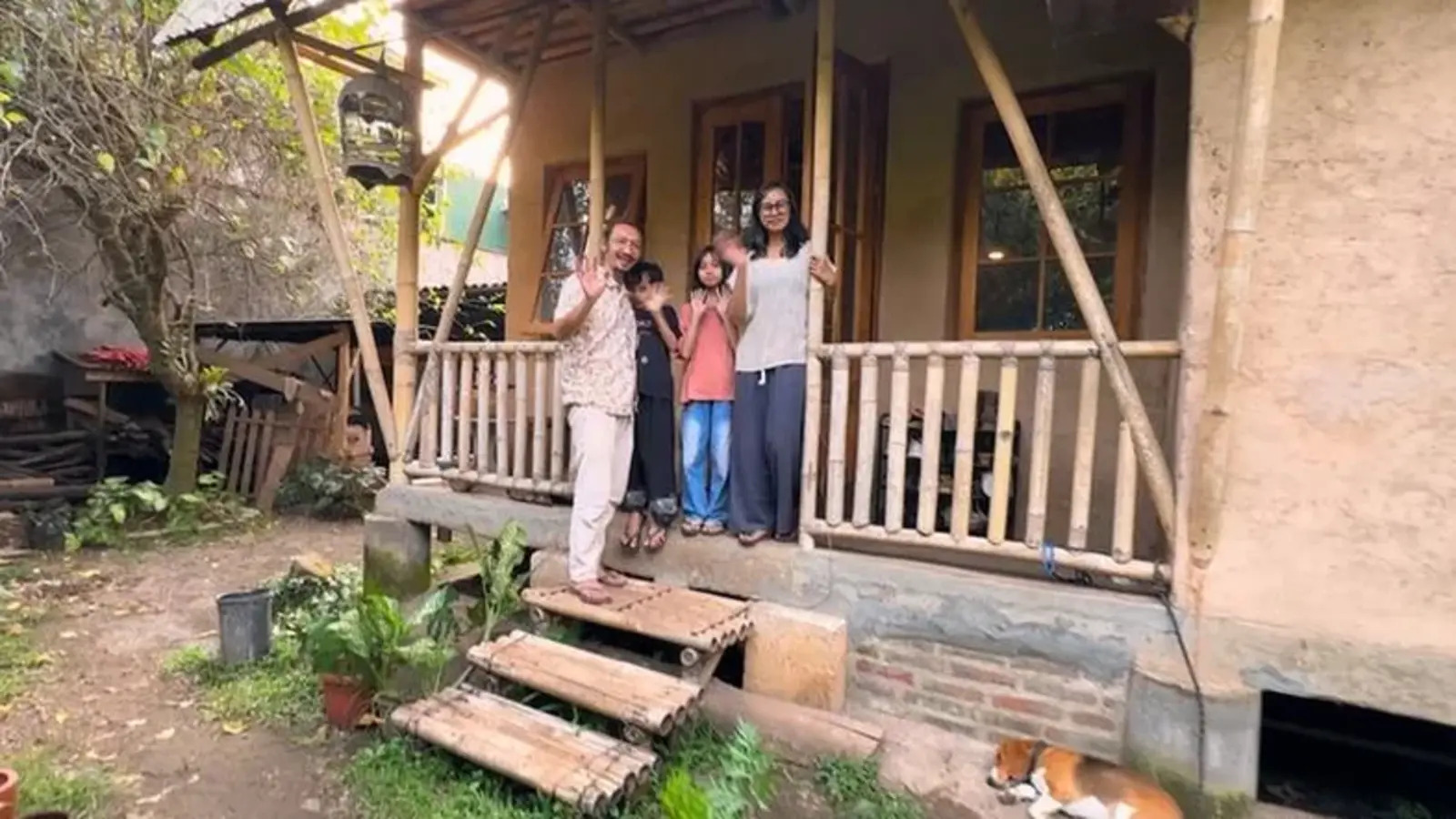
With earth, bamboo, straw, and lime mortar, a specialist builds a house for just over $460 and draws attention for its cost being much lower than traditional construction.
-
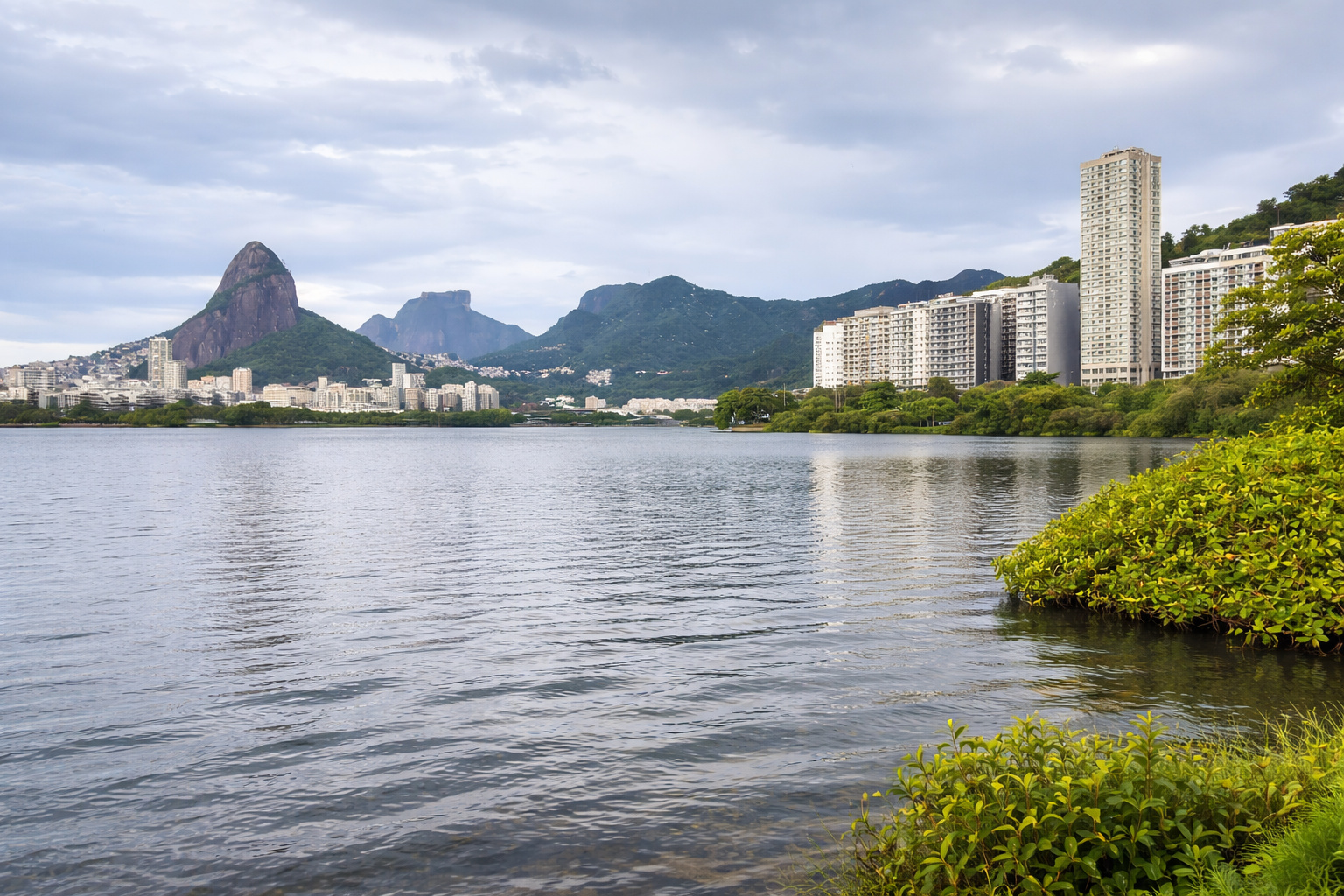
Rodrigo de Freitas Lagoon advances in environmental recovery with sanitation, elimination of irregular sewage, and the resumption of water sports in Rio de Janeiro.
-
Sustainable housing gains strength with a nationally awarded project in Campo Grande, highlighting innovative solutions that combine sustainability, urban integration, and efficiency in the use of natural resources.

-
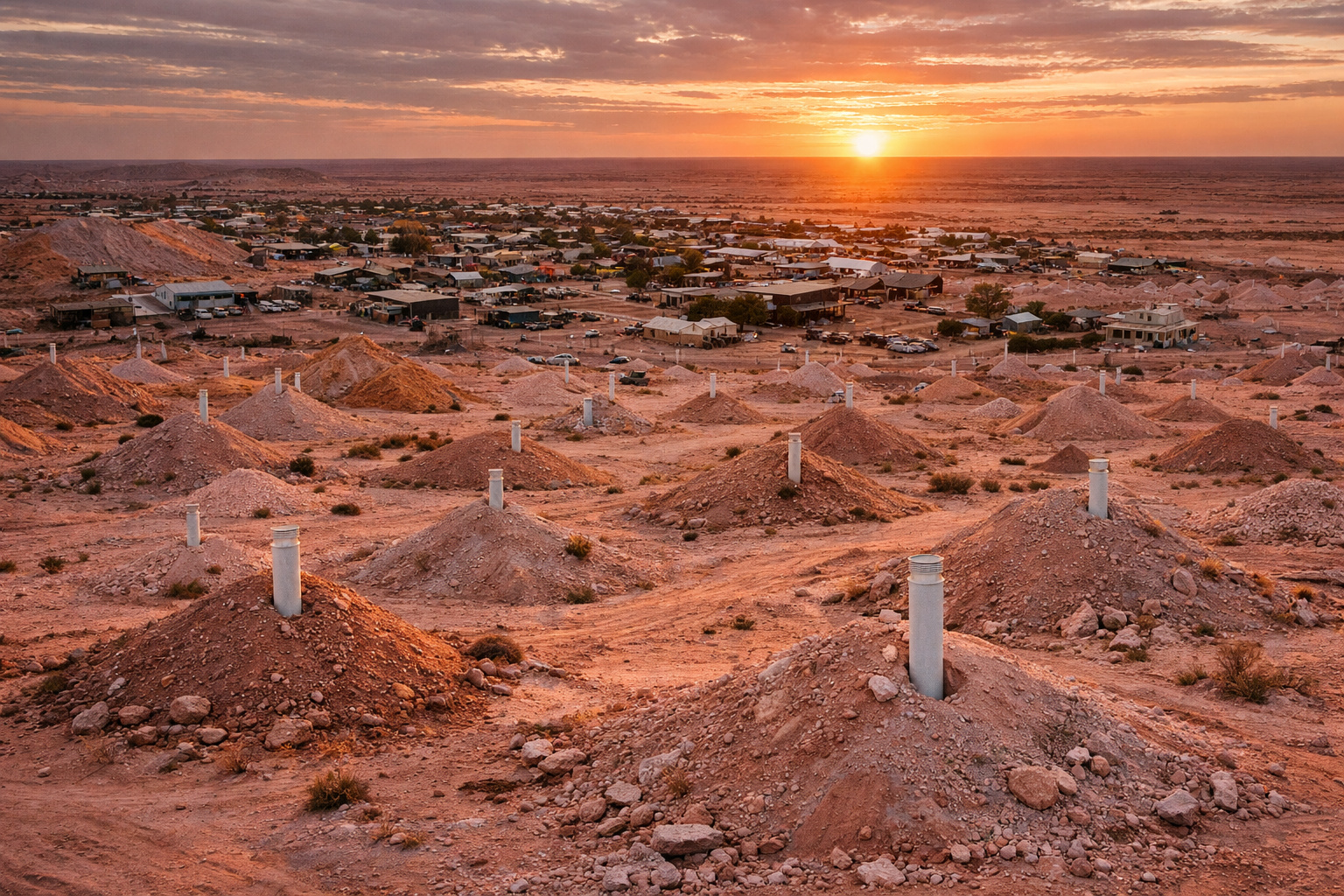
City Where Residents Live Underground to Escape 52°C May Be a Picture of the Future on an Increasingly Hot Planet

The Engineering Mistake That Transformed A Living Valley Into A Toxic And Unproductive Lake
In 1971, the Australian government decided to control natural floods and expand the water supply for agricultural irrigation. To that end, they built a dam over the region’s floodplain. Thus, Macoã Lake was born. However, the project quickly eliminated an entire ecosystem.
Within a few months, the water level rose and covered 8,750 hectares of fertile land. In addition, more than 200,000 red gums were submerged. These trees, capable of living for up to 700 years, play an essential role in carbon storage and riverbank stability. Many of them had existed there for over 500 years.
At the same time, the project presented a serious structural flaw. The lake had an average depth of only 3 to 4 meters, but occupied an extremely large surface area. Because of this, it began to lose about 50 billion liters of water per year just from evaporation. Instead of preserving water resources, the dam intensified waste.
As the years passed, the situation worsened. During the 1990s, algae proliferated uncontrollably. Consequently, the water became green, toxic, and unfit for swimming, irrigation, or animal consumption. Fish disappeared en masse. Thus, the lake ceased to be a solution and became a permanent environmental and financial problem.
The Unprecedented Decision To Remove The Dam And Face Decades Of Resistance
In the early 2000s, reality became impossible to ignore. The dam had failed. Yet, removing it seemed politically unviable. At that time, few countries considered destroying dams, especially in the southern hemisphere.
Despite this, in 2009, the Victorian government made a decision contrary to traditional logic. Instead of renovating the structure, they chose to eliminate it completely, allocating US$ 17 million to the process. This choice required long-term vision and political courage to admit a historical mistake.
Naturally, resistance arose. Farmers feared property devaluation. Boating and jet ski users were afraid of losing their recreational area. Moreover, many believed the lakebed would turn into a muddy and unproductive desert.
Still, the government pressed ahead. Excavators broke the stone dam. Soon after, the murky water began to drain forcefully, carrying sediments accumulated over four decades. In less than 48 hours, the lakebed was exposed for the first time in 40 years.
Initially, the scene confirmed the worst fears. The soil appeared cracked, compacted, and with a strong odor of decomposition. At first glance, nothing indicated life. However, just below that dry crust, an invisible process was already underway.
The Spring Effect: Dormant Seeds, Reforestation, And Accelerated Return Of Life


Despite its barren appearance, the landscape held ecological memory. Ecologists call this phenomenon the spring effect. For decades, millions of seeds remained dormant beneath the mud, protected from sunlight and oxygen.
Once the soil began to receive air and light again, germination started. Simultaneously, an unprecedented mobilization brought together students, retirees, farmers, and scientists. The goal was clear: to replant 150,000 native trees, a number equivalent to the ones lost with the construction of the dam.
The team chose the red gum as the main species. These trees have roots capable of growing quickly, penetrating compacted soils, and reaching the water table before the dry season. In this way, they create natural channels for air and water to enter.
The results were surprising. The survival rate of the seedlings surpassed that of traditional reforestation projects. After five years, many trees were already taller than a person. In ten years, a new forest canopy began to form. Curiously, the dry trunks of the old forest helped retain moisture and protect the new plants.
Animals, Indigenous Culture And A New Economy Based On Restoration
With the removal of the dam, the natural pulse of floods began to operate again. The alternation between dry and flooded periods revitalized the soil. As a result, organic matter began to decompose properly, releasing essential nutrients for the entire food chain.
First, insects returned. Then came amphibians, fish, and reptiles. Soon after, migratory birds started using the area as a stopover point. Today, more than 180 bird species have already been recorded in the area. Rare species, such as the Australian ibis, endangered, returned to breed there.
In addition to fauna, the restoration brought a profound cultural impact. As the water receded, marked trees by the Yorta Yorta people reappeared. These trees carry scars left by Indigenous ancestors when they removed bark to make canoes and utensils. Each mark serves as a living historical record.
Finally, the local economy was also transformed. Before the removal of the dam, the region welcomed around 36,000 visitors per year. Today, that number exceeds 65,000 annual visitors, including scientists, photographers, and nature-specialized tourists. The economic impact varies between US$ 10 and 15 million per year.
Comparative studies indicate that for every US$ 1 million invested in ecological restoration, more jobs are generated than investments in fossil fuels or traditional infrastructure. Thus, what once symbolized a mistake became a global reference in renaturalization.
If the simple removal of a dam allowed for the recovery of an entire ecosystem, how many other structures around the world still prevent nature from regenerating?
Source: Planet Reborn










Seja o primeiro a reagir!