





 Portuguese
  English
  Spanish
  4 min of reading
  0 comments



The Government Launched the National Geothermal Energy Program, Initiative That Uses the Heat from the Earth’s Core to Expand Renewable Energy Generation and Strengthen the Diversification of the Brazilian Energy Matrix
This Wednesday (1), a strategic decision for Brazil’s energy future, the National Energy Policy Council (CNPE) approved the creation of the National Geothermal Energy Program (Progeo). The initiative aims to explore the energy of the Earth’s core as a clean and sustainable source, promoting energy matrix diversification and attracting investments in renewable energy.
Strategic Initiative of the Government for the Energy of the Earth’s Core
Brazil takes a decisive step towards energy transition. With the approval of Progeo, the federal Government begins structuring public policies aimed at exploring geothermal energy — derived from heat stored deep within the Earth.
This energy source, still little explored in the country, represents a firm and low-carbon alternative, aligned with national climate goals.
-
How green infrastructure and renewable energy at the World Cup transform the logistics of the largest sporting event on the planet in North America.

-
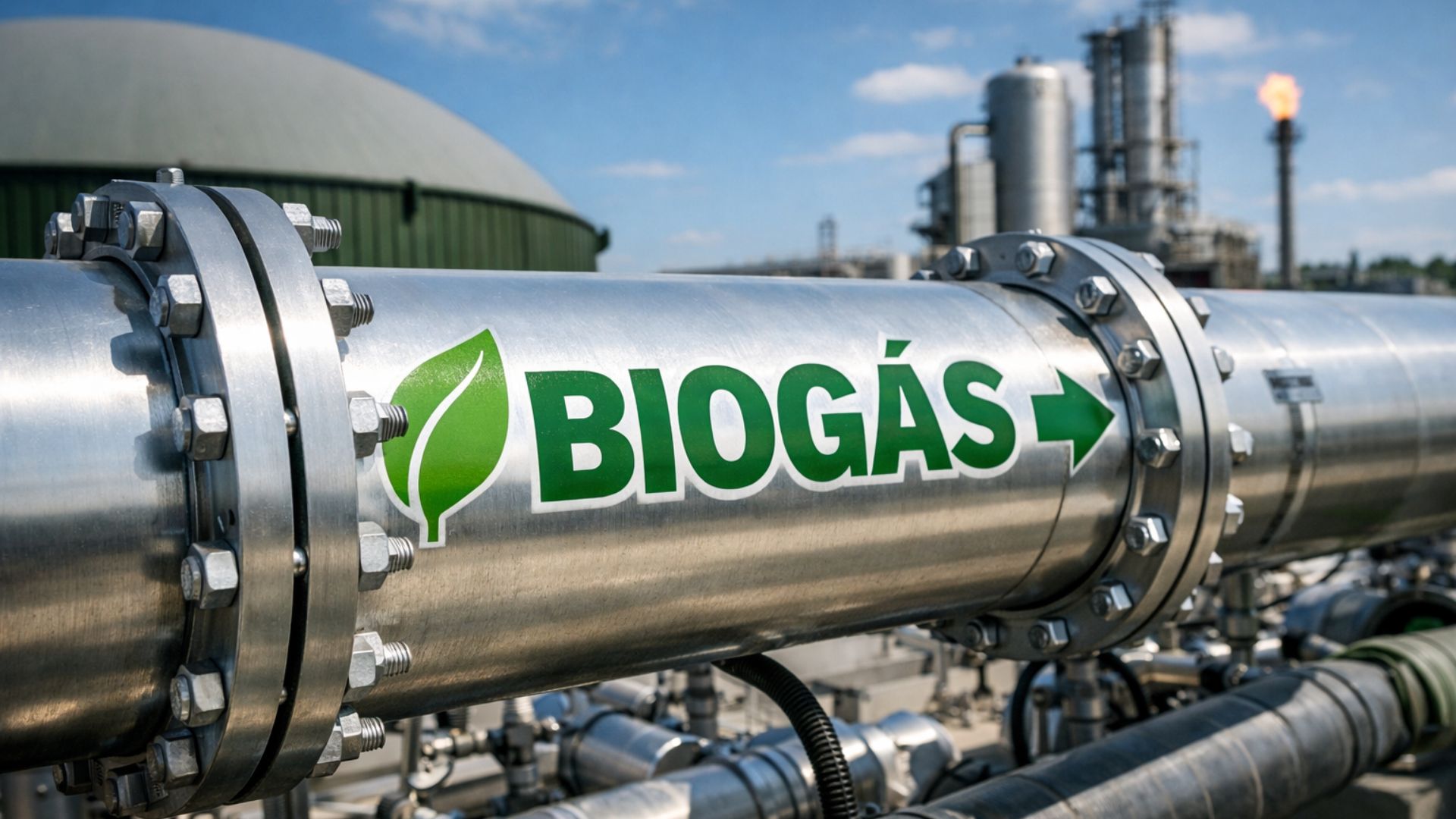
The Cagece and UFC project advances in sustainable innovation with biogas by converting waste into renewable energy, reducing environmental impacts, and increasing sanitation efficiency with concrete and measurable results.
-
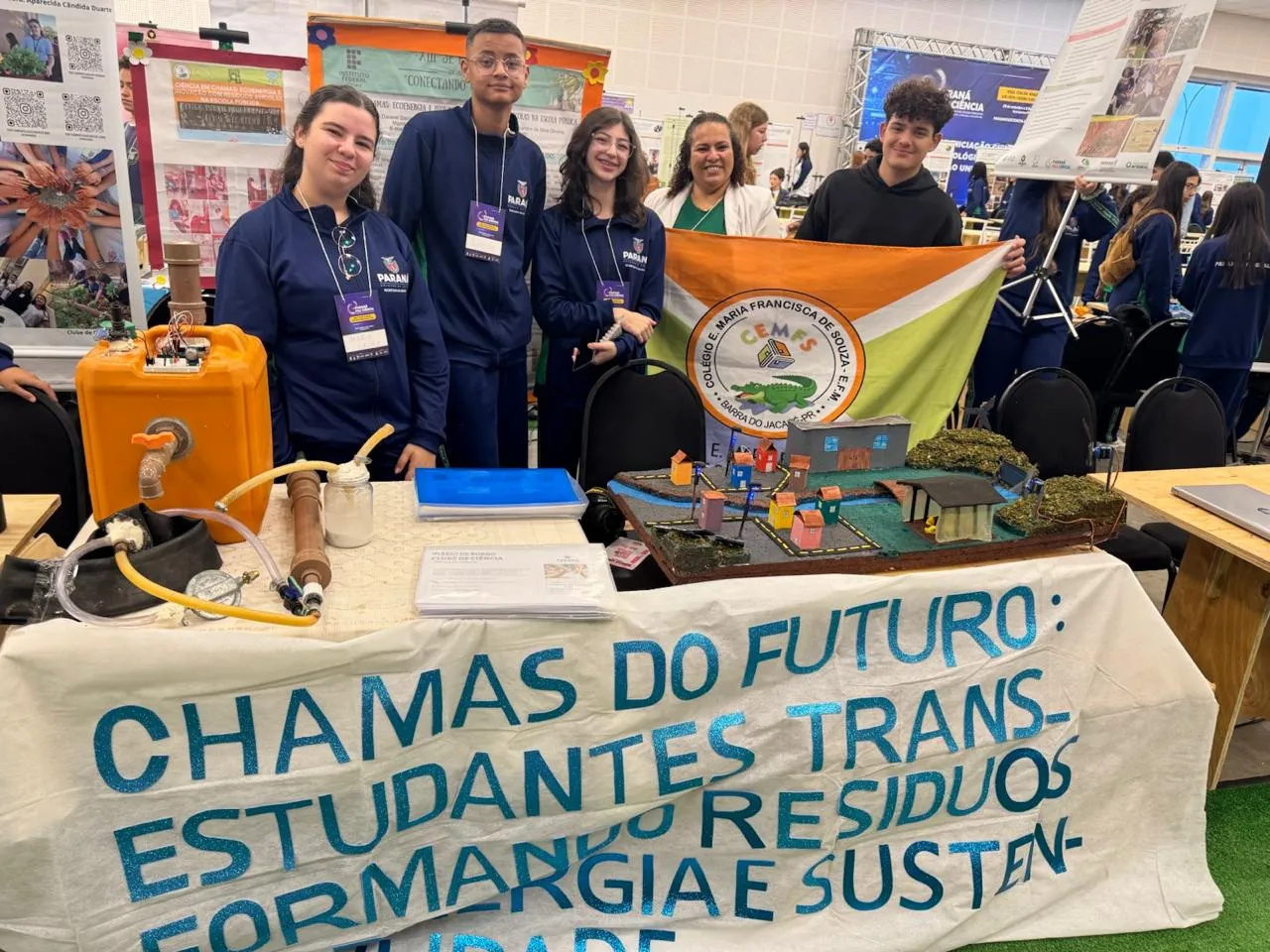
Paranaense students develop a system that transforms farm waste into clean energy and revolutionizes sustainable agribusiness.
-
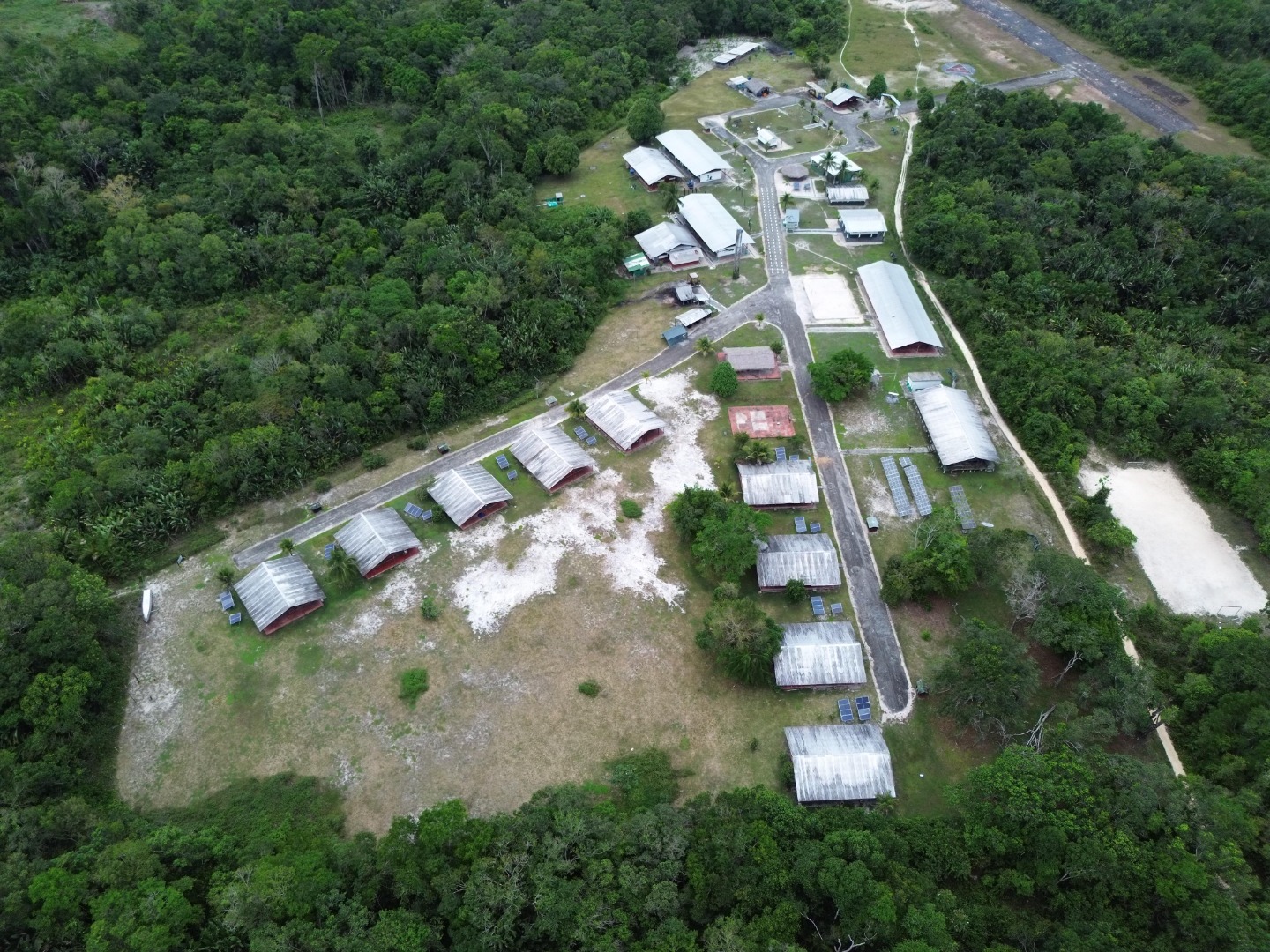
The Ministry of Defense installs a giant photovoltaic plant and ensures a stable supply of clean energy in Maturacá, in the Amazon.
According to the Minister of Mines and Energy, Alexandre Silveira, geothermal potential will be converted into a concrete opportunity for clean energy generation, contributing directly to the sustainable growth of the country.
What Is Geothermal Energy and Why Does It Matter?
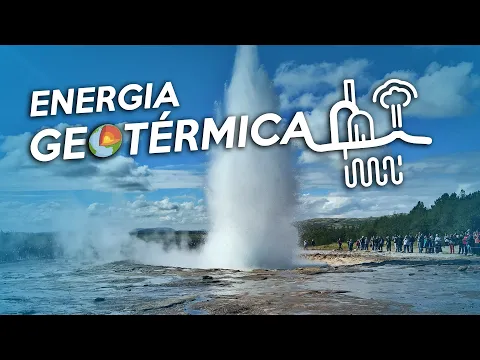
The energy of the Earth’s core, also known as geothermal energy, is generated from the heat of rocks, fluids, and groundwater. This heat can be converted into electricity or used directly for heating and cooling buildings.
It is a renewable, constant, and high-availability source, especially in regions with intense geological activity. Countries like Iceland, the United States, the Philippines, and Indonesia are already using this technology on a large scale.
In Brazil, studies indicate significant geothermal potential in areas such as the Ribeira Valley (SP), the Recôncavo Baiano (BA), and Alto Paranaíba (MG), among others.
Guidelines of the Government’s National Geothermal Energy Program
The resolution approved by the CNPE establishes the following pillars for Progeo:
- Development of legal and regulatory frameworks to regulate the sector.
- Promotion of research, development, and innovation (PD&I) with resources from ANP and Aneel.
- Coordination with the productive sector to enable projects and attract investments.
- Strengthening the national supply chain of goods and services for the energy sector.
- Promotion of sustainability and social inclusion in the benefiting regions.
Progeo aims to energize local economies and enhance national energy security.
Renewable Energy and the Brazilian Energy Matrix
Currently, about 90% of the Brazilian electrical matrix consists of renewable sources, such as hydropower, wind, and solar. However, the dependence on intermittent sources and vulnerability to extreme climatic events require firm and stable alternatives.
Geothermal energy stands out for its predictability and low carbon emissions, being ideal to complement other renewable sources and ensuring resilience in the electric system.
According to studies, Brazil could add a significant amount of geothermal capacity by 2040, provided there are appropriate investments and regulations.
Investment Opportunities with Energy from the Earth’s Core
With the creation of Progeo, the Government opens the way for new businesses in the energy sector. National and foreign companies will be able to invest in:
- Drilling geothermal wells
- Installation of electricity generation plants
- Geothermal climate control systems for buildings
- Development of thermal monitoring and control technologies
Additionally, universities and research centers will have access to PD&I resources to develop solutions tailored to Brazilian geological conditions.
The energy from the Earth’s core can become a new vector for innovation and competitiveness for Brazil.
Sustainability and Socioeconomic Impact of Renewable Energy
The adoption of renewable geothermal energy directly contributes to:
- Reduction of greenhouse gas emissions
- Creation of skilled jobs in rural regions
- Development of local communities with access to clean energy
- Preservation of water resources and biodiversity
A fair and inclusive energy transition is one of Progeo’s pillars, which seeks to integrate economic development with environmental responsibility.
Challenges to Consolidate the National Geothermal Energy Program
Despite the potential, Brazil faces challenges to consolidate geothermal energy:
- Lack of specific regulation
- Need for detailed geological mapping
- High initial cost of drilling and infrastructure
- Technical training of specialized professionals
The Ministry of Mines and Energy, in coordination with agencies such as ANP, Aneel, and EPE, will begin implementing the outlined measures, focusing on creating a safe and attractive regulatory environment for investors.

Government Initiative: Energy from the Earth’s Core as a Solution
The creation of the National Geothermal Energy Program marks a new chapter in Brazil’s energy history. By investing in energy from the Earth’s core, the country expands its matrix with a renewable, firm, and sustainable source capable of driving regional development and strengthening energy security.
The Government bets on innovation, sustainability, and inclusion to transform geothermal potential into reality. With planning, investment, and coordination between the public and private sectors, Brazil can become a global reference in geothermal energy exploration.






Seja o primeiro a reagir!