





 English
  Francês
  Alemão
  Italiano
  Japonês
  Norueguês
  Portuguese
  Spanish
  4 min of reading
  0 comments


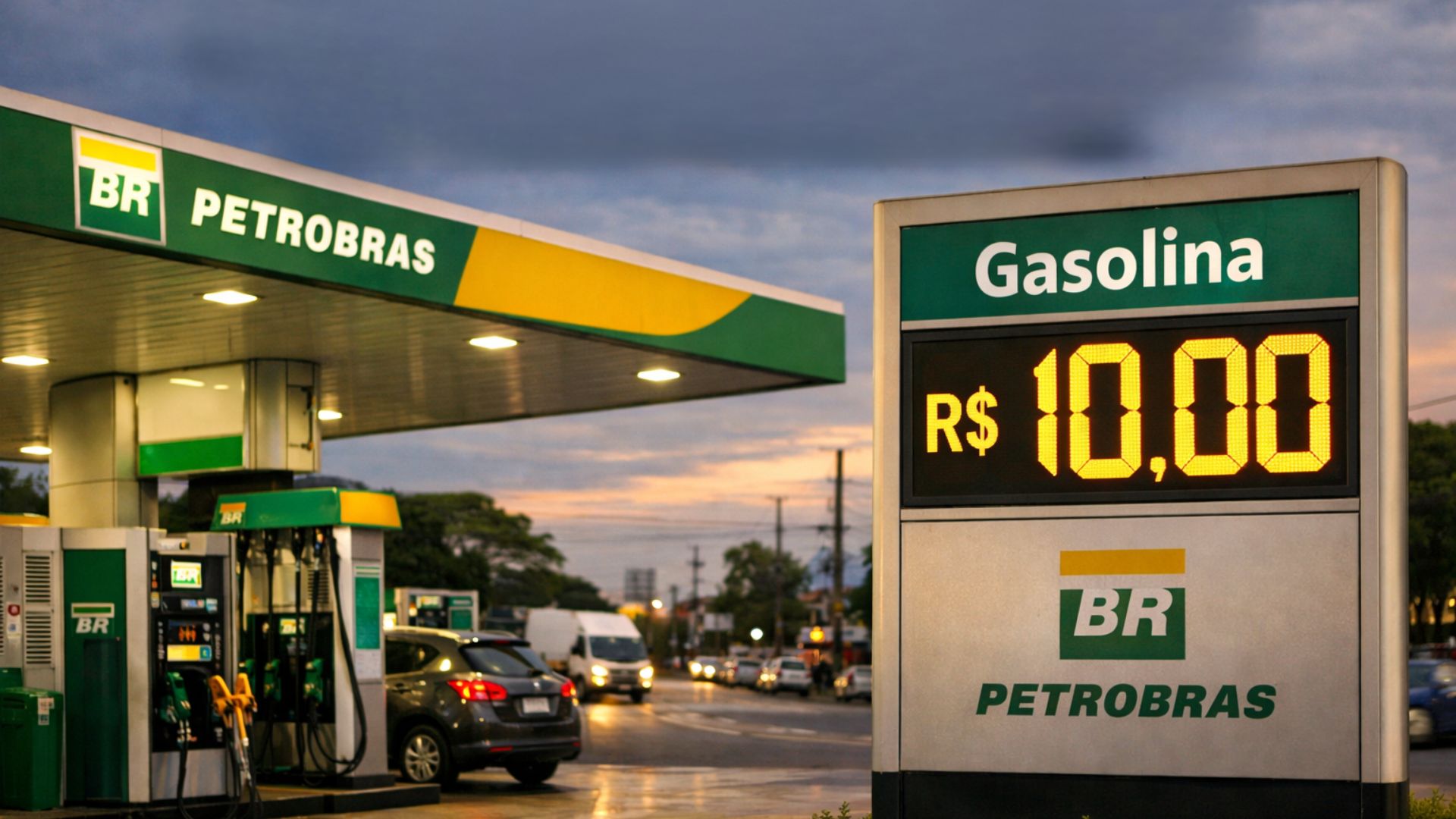
Oil Price Surge After Middle East Attacks Puts Global Diesel Costs Under Pressure and Leads Brazilian Government to Zero Federal Taxes to Try to Contain Immediate Impact on Fuel Prices in the Country.
The federal government has decided to eliminate the PIS and Cofins rates on the import and sale of diesel to try to contain the fuel’s rise in the country amid the surge in oil prices in the international market.
The measure was announced this Thursday (12), at the Planalto Palace, in response to the volatility caused by the escalation of the conflict in Iran and the immediate effects of this tension on the cost of oil abroad.
The initiative aims to reduce some of the pressure that has already begun to reach the Brazilian market at a sensitive moment for the economy, especially for sectors that rely heavily on diesel, such as freight transport, agriculture, and logistics.
-
Unemployment rises again to 5.8% at the beginning of 2026, raising alarms about the end of temporary positions and its impact on the Brazilian job market.

-
Document organization can cut invisible costs in small businesses, a simple step that prevents waste, rework, and losses in daily operations.

-
Chinese giant worth nearly R$ 4 billion that manufactures cables for electric cars, solar energy, and robotics wants to open a factory in SC.
-
Many employers do not know, but the law guarantees domestic workers a 25% increase in salary during trips, 50% for overtime, 20% for night shifts, and 17 additional benefits that can lead to labor lawsuits if not paid.


Although Brazil is a large producer and exporter of crude oil, the country still needs to import a significant portion of the diesel it consumes, which makes domestic supply vulnerable to fluctuations in the international market and the cost of imported products.
Oil Price Increases and Tension in the Strait of Hormuz Pressure Global Market


In recent days, oil has been trading above US$ 100 per barrel again, after nearing US$ 120 earlier in the week, according to reports from the international market.
The rise gained momentum following new attacks on vessels near the Strait of Hormuz, one of the most strategic routes for global oil transportation.
This movement has rekindled fears of disruptions in maritime flow in a crucial area for global energy trade.
The Strait of Hormuz concentrates a significant portion of global oil flow, and any threat to navigation in the region usually has an almost immediate effect on prices.
With the new escalation, industry players have started to monitor more closely the risk of rising diesel prices in Brazil, especially since the gap between the domestic price and the cost of imported products had already been noted by distributors and importers.
Dependence on Imports Makes Diesel More Sensitive in Brazil
The greater concern lies with diesel because this is the derivative for which the country shows the most visible external dependence.
Recent data and analyses from the sector show that Brazil imports about 30% of its fuel needs, a situation that increases the sensitivity of the domestic market to external shocks.
In parallel, diesel sales in the country remain at a high level.
According to data released by the National Oil Agency, diesel B sales set a record in 2025, which helps explain why any distortion in supply or price quickly reverberates throughout the entire production chain.
Moreover, diesel has a direct impact on freight costs, agricultural production, and the circulation of goods, factors that amplify the impact of any increase in fuel prices.
Recent reports have pointed out that the rise in fuel prices is already seen as one of the most immediate threats to Brazilian agriculture in the current geopolitical context.
In some segments of the market, imported diesel has already been traded above biodiesel, intensifying the pressure for some response from the government to cushion the external shock.
Cut in PIS and Cofins Aims to Reduce Impact of International Prices
By removing PIS and Cofins from diesel, the government aims to create a tax cushion to reduce the pass-through of international increases to Brazilian consumers.
According to the Minister of Finance, Fernando Haddad, the decision announced now does not alter Petrobras’s pricing policy and should not produce additional fiscal impact.
The government’s assessment is that the cut in federal taxes can function as an emergency instrument to alleviate short-term pressure on distributors and resellers.
The decision also marks a shift from the scenario that prevailed until then.
The full charge of PIS and Cofins on diesel had been resumed on January 1, 2024, after the end of the tax exemption that had been in place during the previous period.
In other words, the move announced now represents a new suspension of these taxes to face a specific situation of international shock, and not the automatic continuation of a permanent policy.
This point is important because, over the past few months, publications had circulated treating the re-taxation as if it were a future measure when it had already been in effect since the beginning of 2024.
Import Structure Reduces Direct Dependence on the Persian Gulf
Despite the impact of the conflict on international oil prices, the risk to Brazilian supply does not necessarily arise from a direct dependence on Persian Gulf countries as central suppliers of derivatives.
The structure of Brazil’s diesel imports is more diversified, and the national market has been receiving significant volumes from other origins, including producers outside that region.
Still, when oil prices rise sharply and maritime freight enters a more tense zone, the global cost of imported products increases, even for countries that do not buy directly from the most acute crisis centers.
In practice, this means that Brazil can feel the effects of international turbulence without relying heavily on derivatives shipped from the Gulf.
This reasoning is precisely what led the Planalto to act before a broader pass-through to the domestic market at a moment when the gap between the diesel sold by Petrobras and the imported product had been causing tension in the sector.
In recent days, market reports have indicated rising costs, imbalances between supply and demand, and greater competition for volumes in regions strategic to agribusiness and transport.




-

Uma pessoa reagiu a isso.