





 Portuguese
  English
  Spanish
  2 min of reading
  0 comments


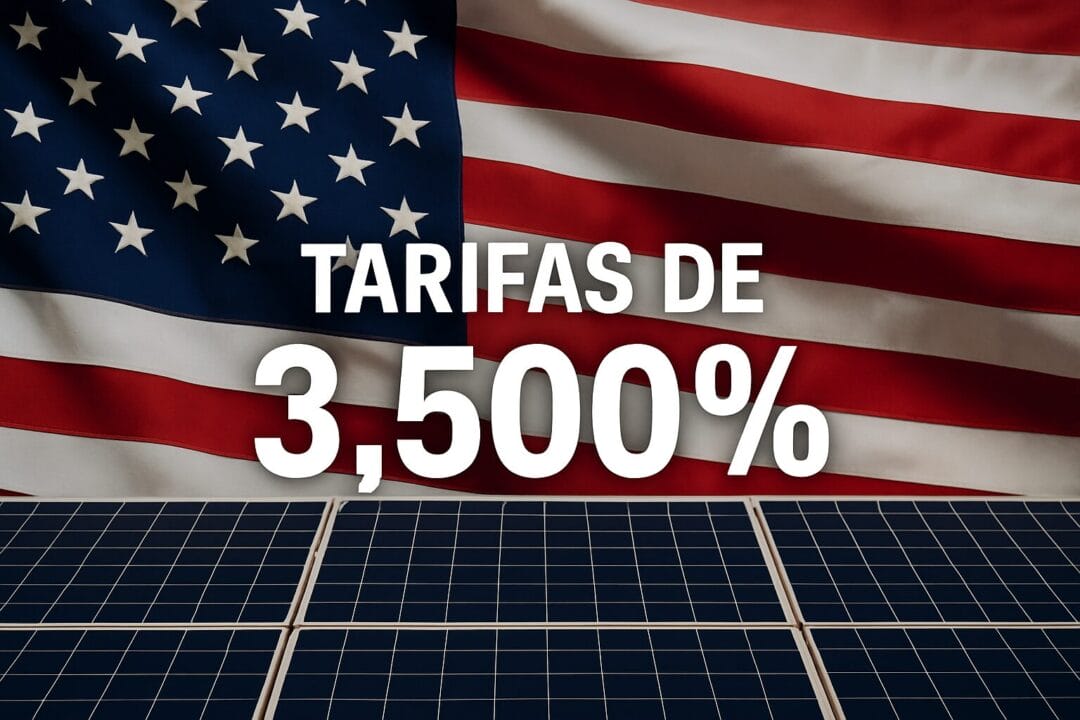
Measure Aims to Curb Unfair Competition and Encourage Domestic Production of Clean Energy Equipment
According to CNN, U.S. trade authorities confirmed elevated tariffs on most solar cells imported from Southeast Asia.
The measure is a decisive step in a trade case that has dragged on for a year and involves accusations of unfair practices by Chinese companies.
U.S. Manufacturers Pushed for Action
The action was filed last year by Hanwha Qcells from South Korea and First Solar Inc. based in Arizona.
-
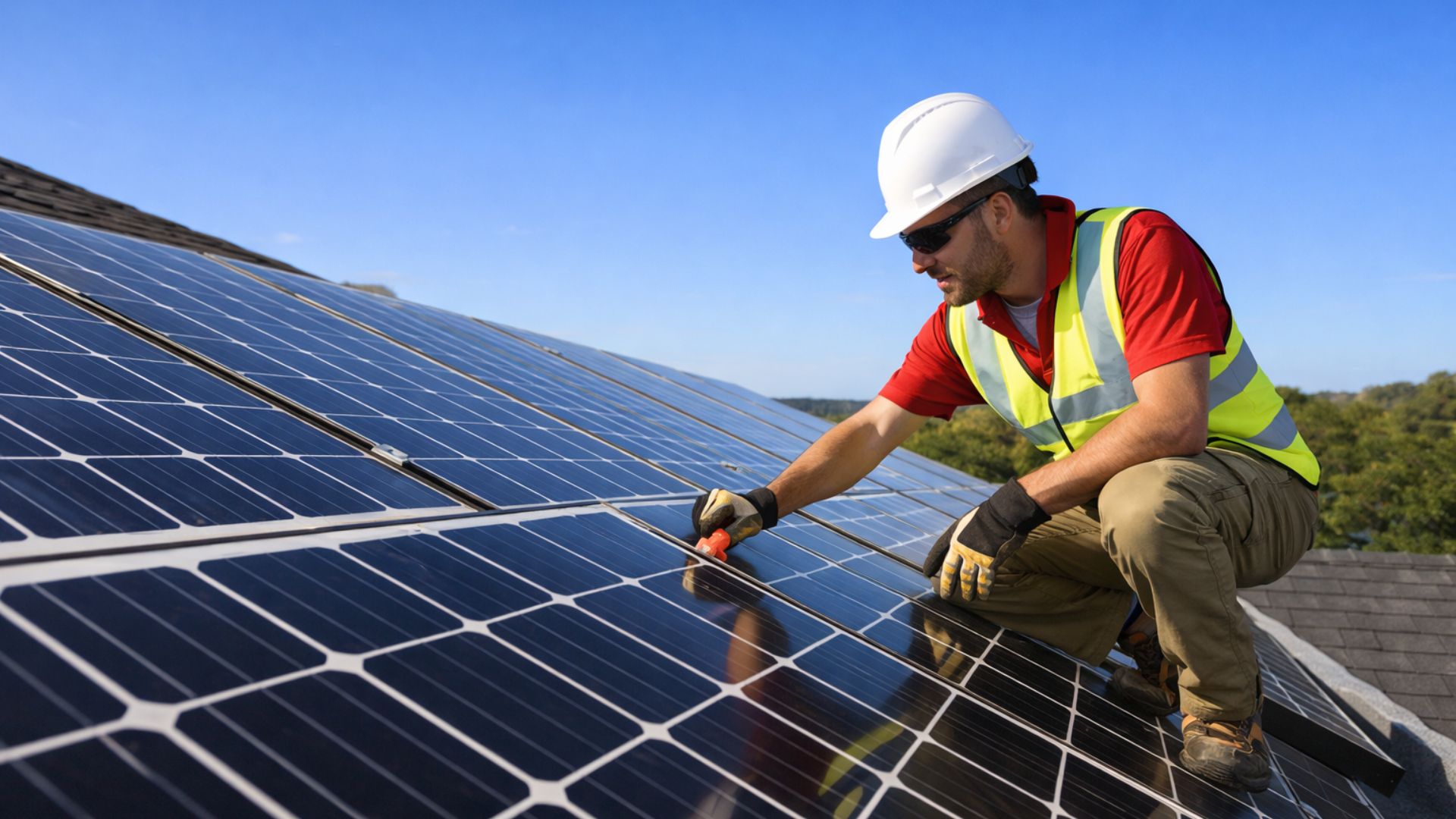
Seagri’s headquarters invests in solar energy with Neoenergia Coelba and promises to cut electricity costs, highlighting a strategic advance in sustainability and energy efficiency within state public administration.
-
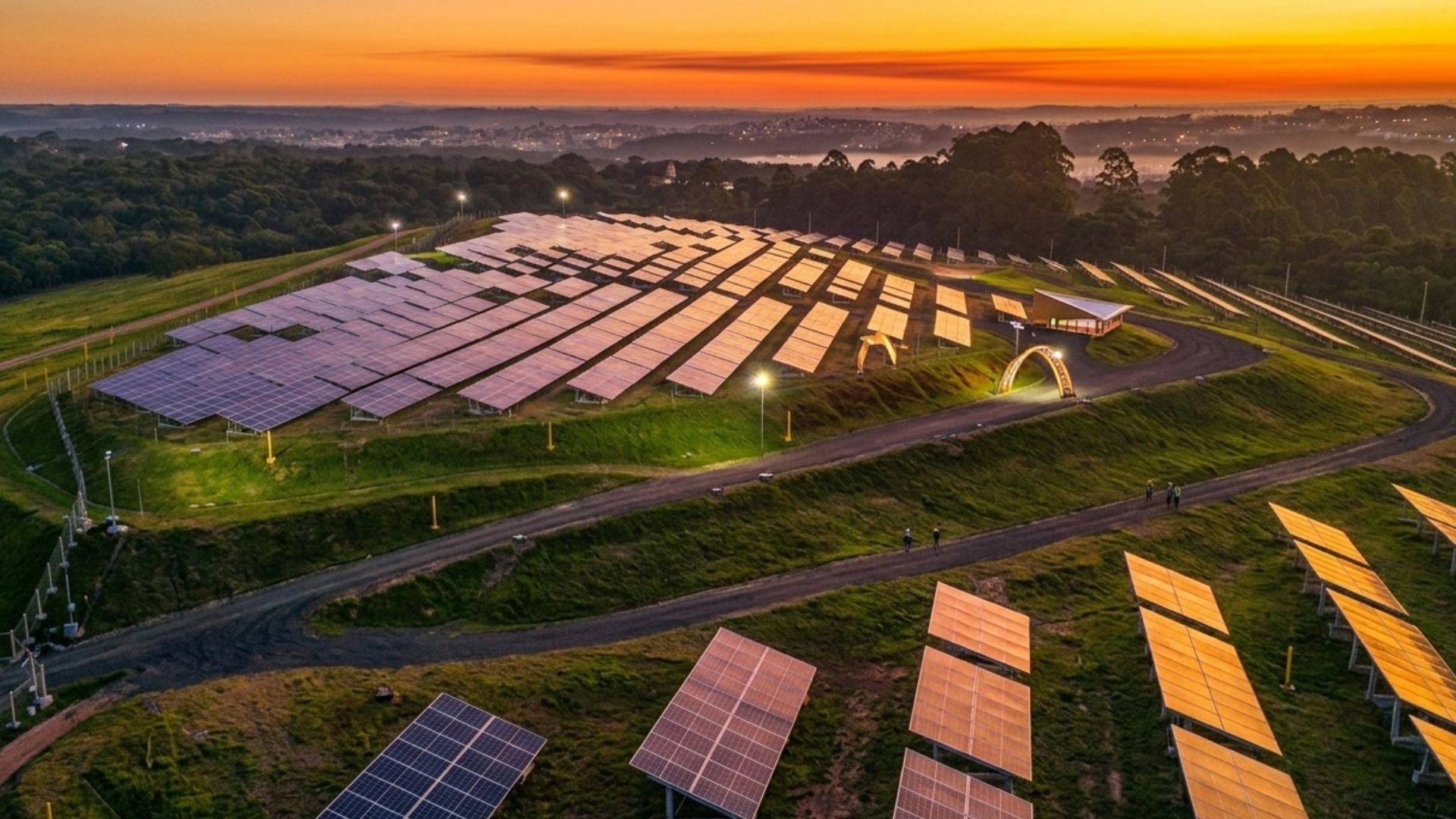
Solar Pyramid draws attention by converting solar energy into million-dollar savings and repositioning the City Hall of Curitiba as an example of innovation, sustainability, and intelligent use of public resources.
-
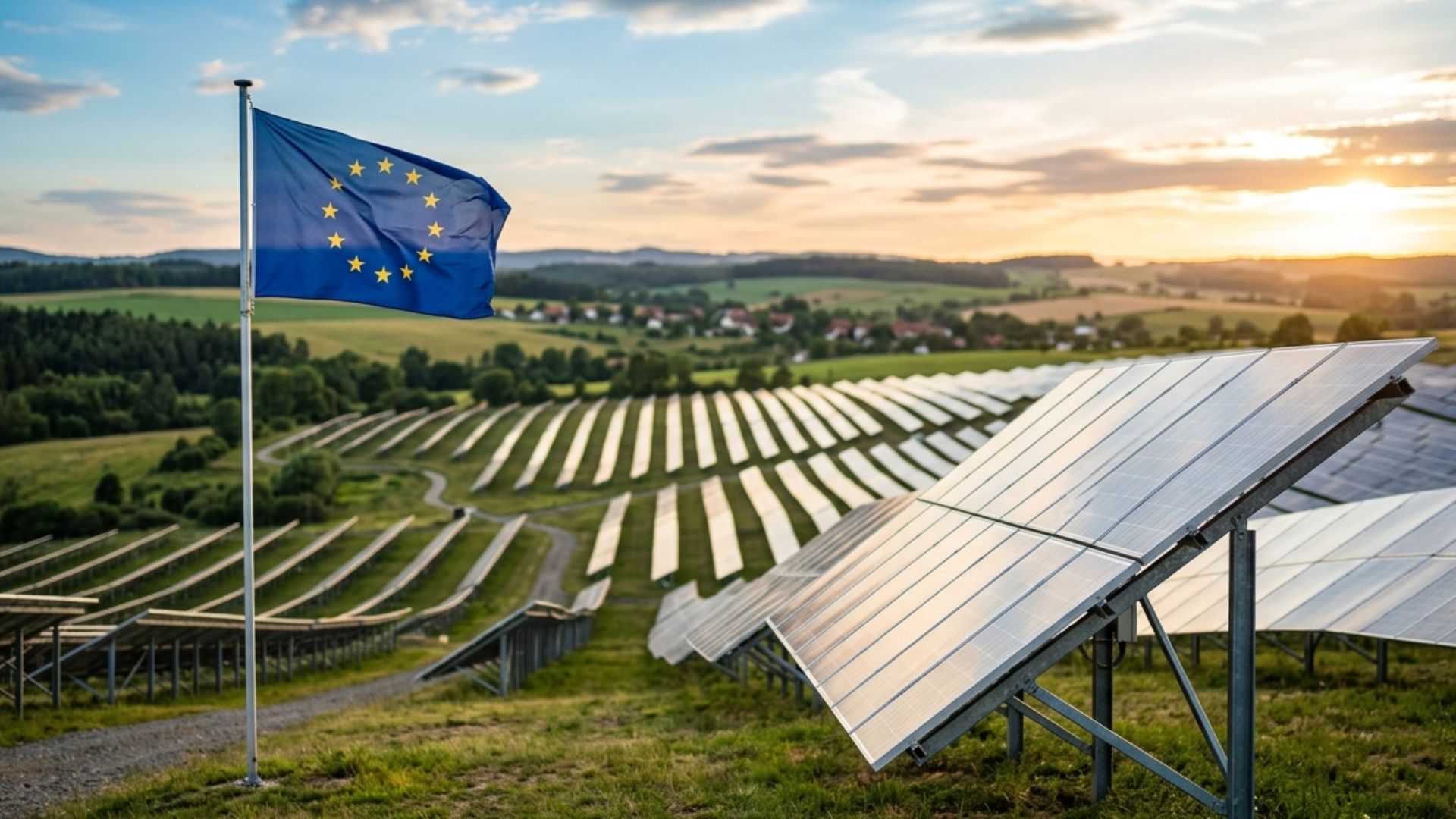
Europe records strong euro economy with solar energy in March and sparks curiosity about which country leads growth that redefines the energy market and reduces costs.
-
Piauí reaches a historic milestone in energy transition: State records nearly 160,000 households powered by solar energy and leads growth in the Northeast.

Other smaller manufacturers also supported the process. Together, the companies sought to defend billions of dollars already invested in solar energy production in U.S. territory.
The group that filed the complaint, called the American Solar Manufacturing Coalition, accused Chinese manufacturers of using factories in countries like Malaysia, Cambodia, Thailand, and Vietnam to ship products at below-cost prices.
Furthermore, they alleged that these companies receive unfair subsidies, which ultimately harms the competitiveness of products made in the U.S.
Tariffs Vary, But Are High
The tariffs announced on Monday are generally higher than those disclosed preliminarily at the end of last year. They vary significantly depending on the company and country of origin.
Products from Jinko Solar in Malaysia will have tariffs of 41.56%, one of the lowest. Meanwhile, Trina Solar, which operates in Thailand, will be affected by a rate of 375.19%.
Manufacturers in Cambodia that did not cooperate with the U.S. investigation will face tariffs exceeding 3,500%.
Neither Jinko nor Trina has commented on the announcement so far.
Next Step Will Be Decisive Vote
Now, the U.S. International Trade Commission is set to vote in June on whether the domestic solar manufacturing sector has indeed been harmed by imports. Only with this confirmation will the tariffs be officially finalized.
“These are very strong results,” said Tim Brightbill, attorney for the American group, in a conversation with the press. For him, the measure corrects unfair competition practices.
The mere threat of tariffs has already altered the global solar panel trade. The four targeted countries drastically reduced their shipments to the U.S., while nations like Laos and Indonesia began to send more.
On the other hand, critics of the decision, such as the Solar Energy Industries Association (SEIA), warned of potential negative effects. They stated that the prices of components may rise, making local assembly of solar panels more difficult.









Seja o primeiro a reagir!