





 English
  Francês
  Alemão
  Italiano
  Japonês
  Norueguês
  Portuguese
  Spanish
  2 min of reading


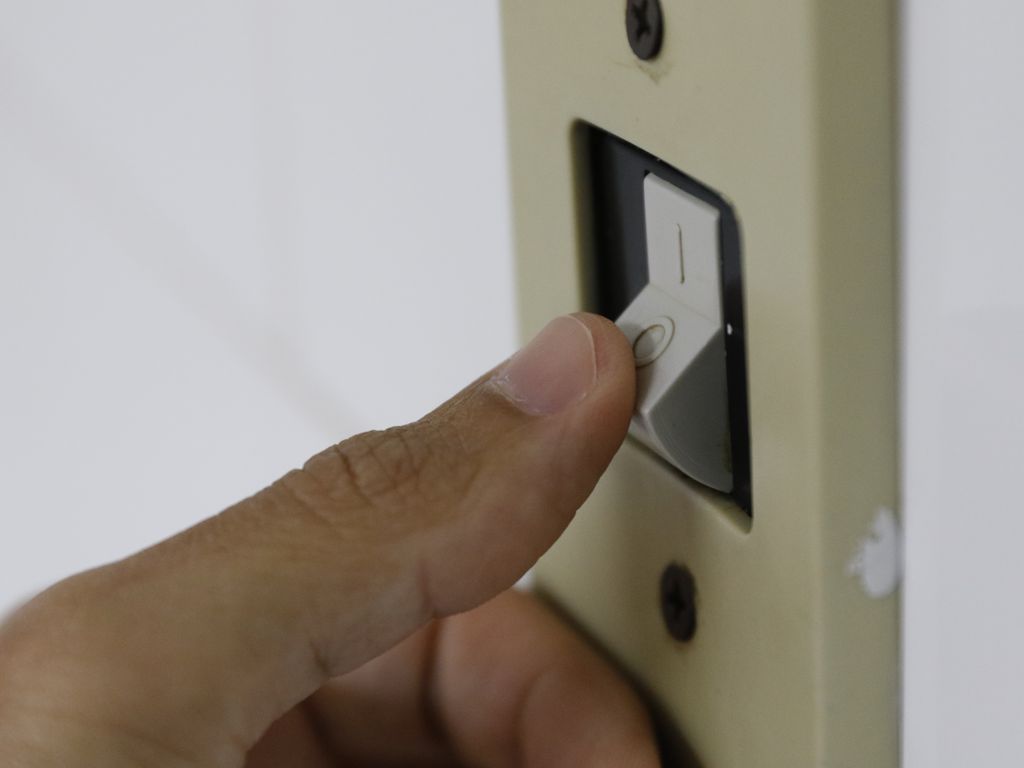
Government and Aneel Participate in Hearing in the Chamber of Deputies to Discuss Solutions to Reduce Electricity Bill. ICMS Cut Was Defended
On last Thursday, the 12th, in a hearing at the Chamber of Deputies, representatives of the Federal Government and the National Electric Energy Agency (Aneel) defended that the ICMS charged on the electricity bill should be cut. This would be the best alternative to lower the electricity bill nationwide nationally.
How Does the ICMS Charge Work on the Electricity Bill?
The Tax on Circulation of Goods and Services (ICMS) is a tax collected by the states. According to data released by Aneel, on average, taxes represent 30.5% of the total electricity bill. Alone, the ICMS represents 21.3% of the total electricity bill for Brazilians.

The hearing took place after the Chamber approved urgency in the bill that suspends increases in the electricity bill. In the state of Ceará, for example, the electricity bill will increase by 24.88% for consumers.
-
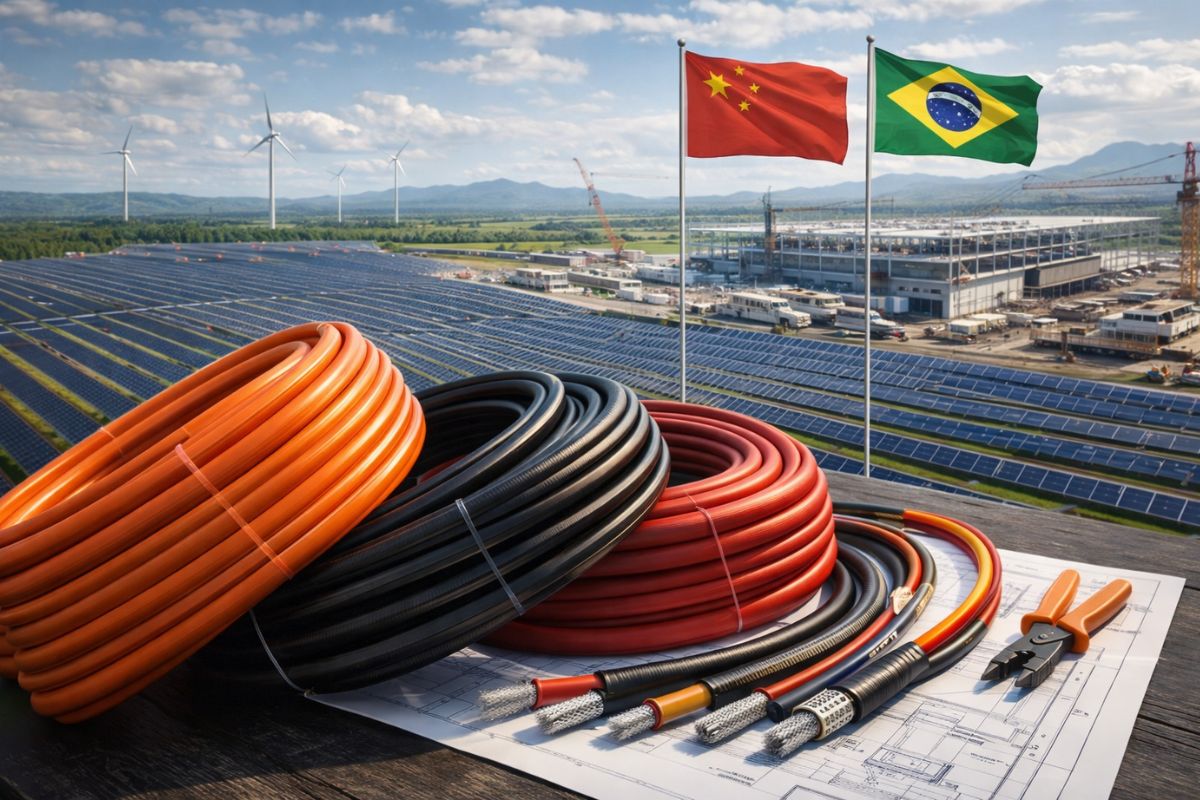
Chinese giant worth nearly R$ 4 billion that manufactures cables for electric cars, solar energy, and robotics wants to open a factory in SC.
-
Many employers do not know, but the law guarantees domestic workers a 25% increase in salary during trips, 50% for overtime, 20% for night shifts, and 17 additional benefits that can lead to labor lawsuits if not paid.

-
Gasoline prices soar and the question arises: is ethanol more advantageous? The 70% rule reveals the limit with gasoline.

-
The government has made a decision and is starting a test with more ethanol in gasoline, anticipating a mixture of up to 35%, diesel with 25% biodiesel, and a study to assess the impacts on engines.


Domingos Neto (PSD-CE), the deputy who presented the proposal, stated that consumers are the ones being most harmed by consecutive tariff increases by Aneel: “The fact is that, in general, Brazilian consumers have been bearing increasingly growing electricity costs that, in the case of residential consumers, often far exceed their payment capacity”, said the deputy.
Government and Energy Sector Concerned About the Bill
The possible approval of the bill is generating great concern for the electric sector and the federal government. The main reason is that the increases are already foreseen in contracts with distributors. In case of noncompliance with the increases, legal disputes may occur, with a significant chance of needing to pay compensations.
As an alternative to the bill, Domingos Romeu Andreatta, Deputy Secretary of Electric Energy at the Ministry of Mines and Energy, advocated for the approval of a constitutional amendment proposal (PEC), which is already under consideration in Congress, that would limit the ICMS rate on the electricity bill to 10%.
“In the case of Ceará, the ICMS represents 28.8% of the final price of electricity. This is also a project that brings us considerable interest,” defended the deputy secretary.
Meanwhile, Mário Menel, president of the Electric Sector Associations Forum (Fase), rejected the measures currently on the table. According to him, the solution to the problem will only happen with the reduction of taxes, which currently already account for 49% of the electricity bill. “Congress approves subsidies, and Aneel is not to blame,” he analyzed.








Seja o primeiro a reagir!