





 Portuguese
  English
  Spanish
  3 min of reading
  0 comments


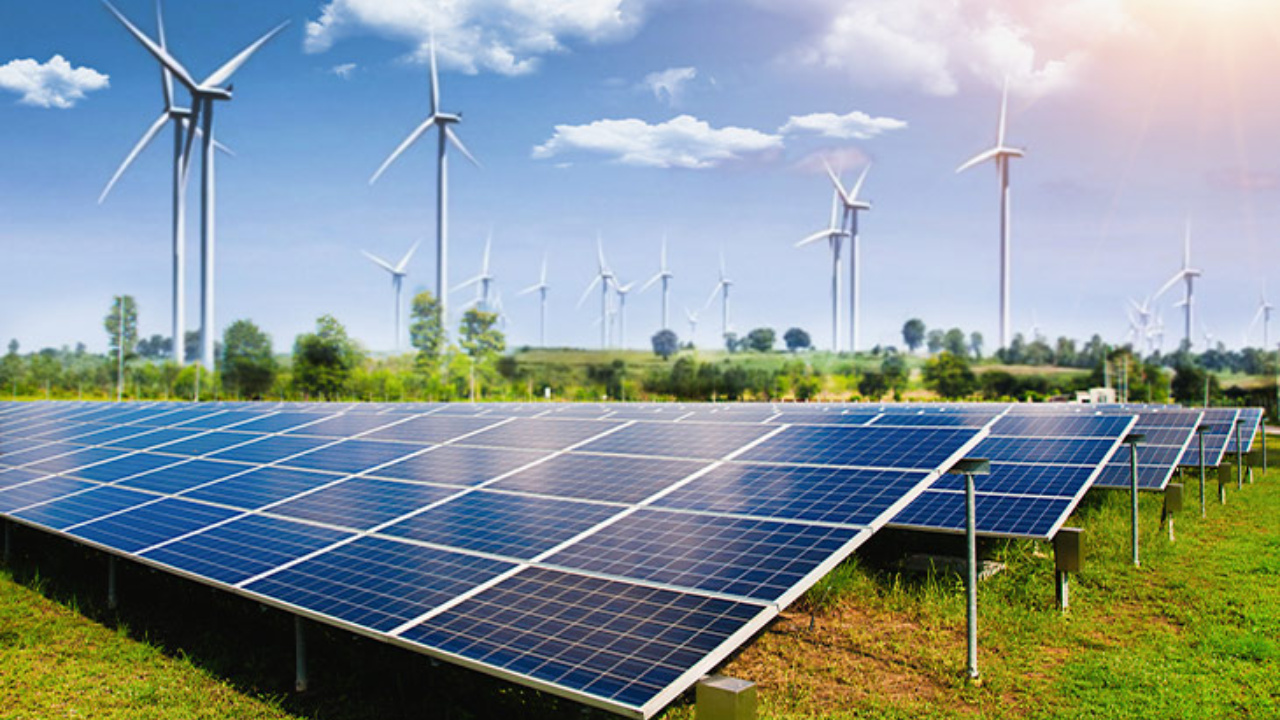
New Federal Government Rules Establish More Stringent Standards for Financing Renewable Energy Projects, Requiring Mitigation of Social and Environmental Impacts on Communities Affected by Wind and Solar Plants.
The federal government has taken an important step in regulating renewable energy in Brazil. The Ministry of Finance has officially incorporated social and environmental criteria into the classification of wind and solar projects considered “sustainable.” With the publication of Decree No. 12,705 and the sectorial technical documents of the Brazilian Sustainable Taxonomy, only projects that meet the new requirements will have access to green financing.
This measure represents a significant change in the policy to incentivize the energy transition, going beyond simple carbon emission reduction. Now, the focus also falls on the social and ecological effects of plants on neighboring communities and local ecosystems.
Stricter Criteria Strengthen Environmental and Social Responsibility
According to the new regulation, the Brazilian Sustainable Taxonomy establishes specific parameters to ensure that clean energy projects do not harm populations or the environment. Among the main points are:
-
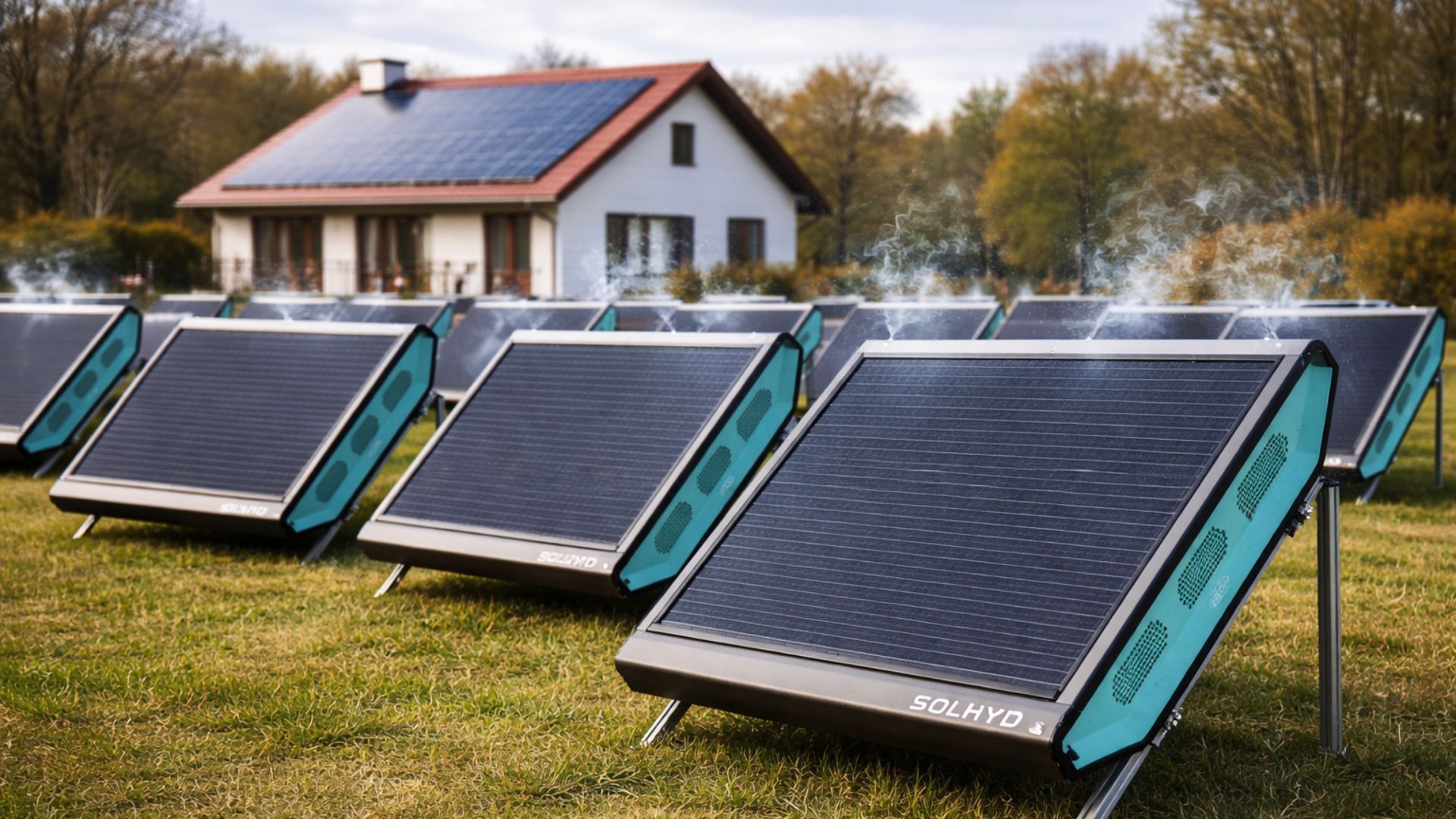
Green hydrogen at home: Belgium launches new technology that makes solar panels produce fuel from the moisture in the air, which could boost the energy transition.
-
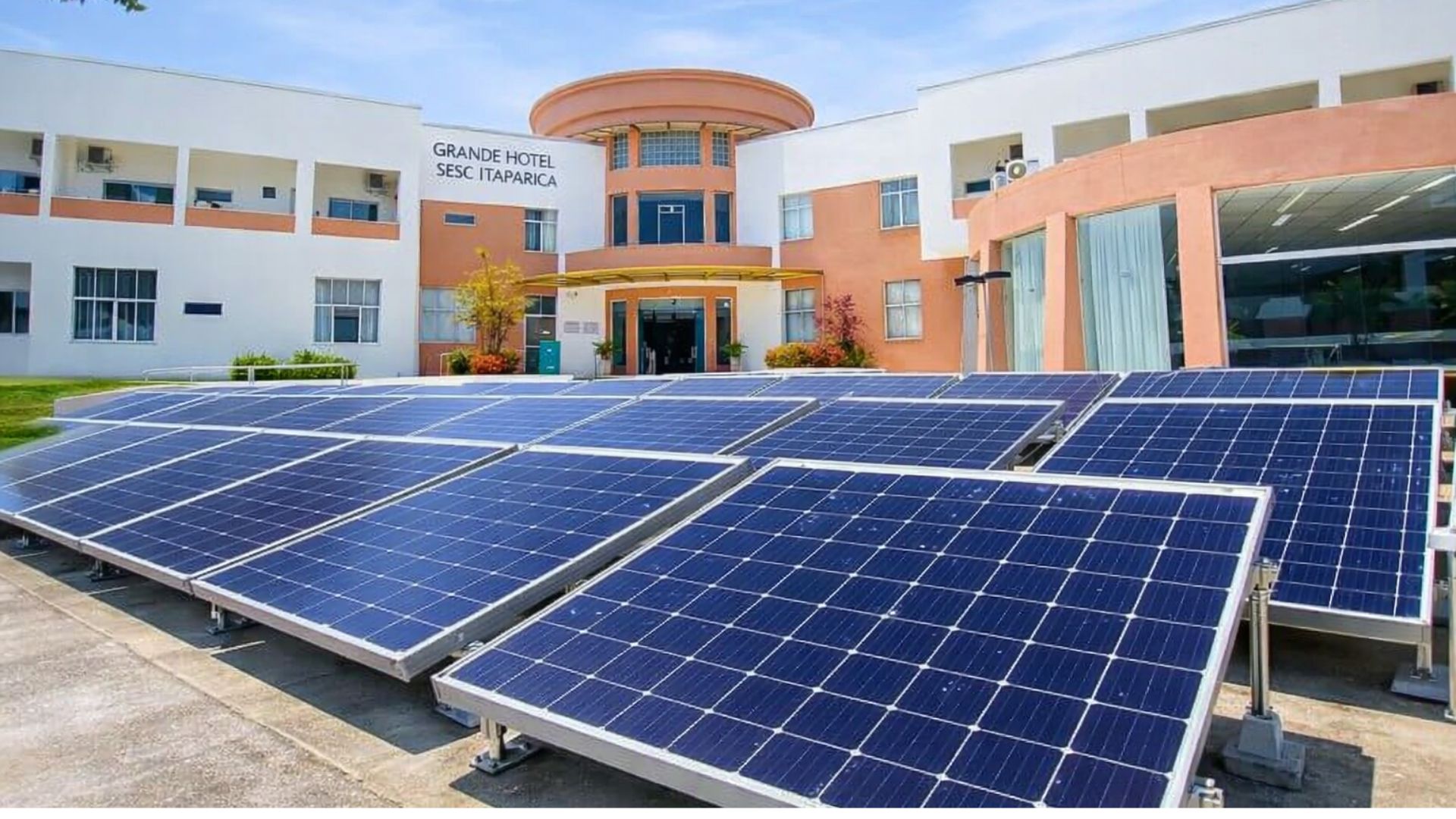
Sesc-BA bets on renewable energy with the support of EDP and drives the energy transition with a direct impact on cost reduction and the sustainability of its operations in Bahia.
-
Technology giant breaks global sustainability records: How Amazon’s leadership in renewable energy procurement transformed the global energy market in the past year.

-
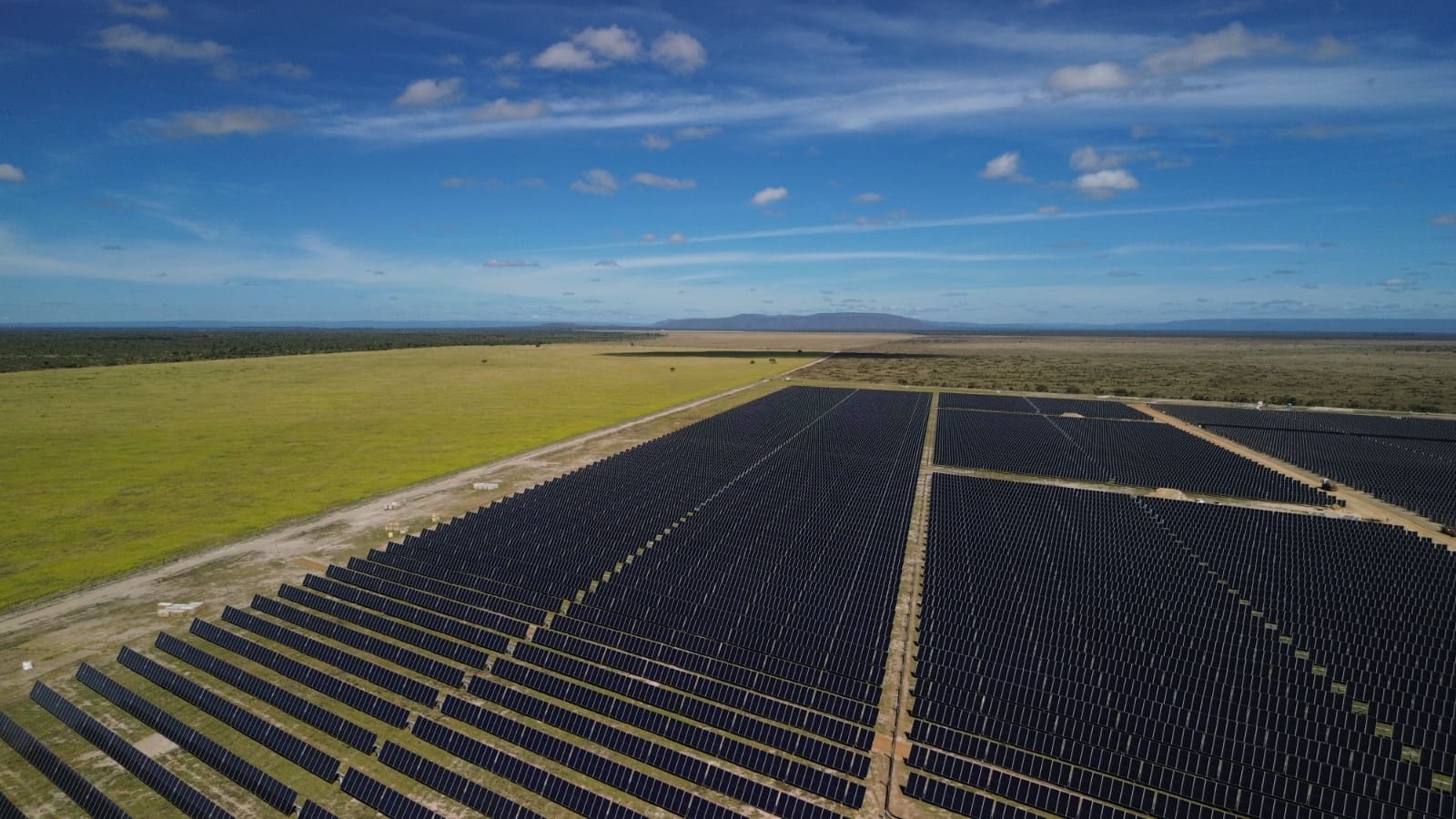
Alert in the electric sector: Atlas Renewable Energy confirms billion-dollar investment and Brazil risks losing a share of the new investment in Latin America to neighboring countries.
– Community Impact: mandatory measures to minimize health problems and nuisances caused by noise and shadows from wind turbines;
– Environmental Protection: prohibition of deforestation and conversion of native vegetation for the installation of solar panels;
– Traditional Rights: requirement for free, prior, and informed consent (FPIC) from indigenous, quilombola, and traditional communities, according to ILO Convention No. 169.
These parameters follow the principle of “Do No Significant Harm” (DNSH), which prevents a sustainable activity from causing negative impacts on other environmental and social objectives.
Civil Society Played a Decisive Role in Creating the New Rules
The inclusion of social clauses is a direct result of pressure from civil organizations and community movements. The Nordeste Potência project, for example, held a public hearing in João Pessoa (PB), where residents reported serious problems caused by the installation of wind and solar parks.
According to Cristina Amorim, coordinator of the movement, the change was urgent. “The inclusion of these elements highlights the importance of looking at wind and solar energy beyond their role in decarbonization. Their implementation, when not done responsibly, can cause negative impacts on people and the environment that are unsustainable,” she noted.
Specific Rules for Wind and Solar Plants
The new guidelines establish distinct technical standards for each type of energy generation:
For Wind Farms:
– Install turbines to reduce noise impact and the effect of intermittent shadow on nearby residences;
– Implement continuous noise and shadow monitoring programs, with regular reports accessible to affected communities.
For Solar Plants:
– Prioritize the construction of photovoltaic parks in degraded or unproductive areas;
– Adopt technologies that reduce water consumption, such as dry cleaning systems or rainwater usage for panel maintenance.
These requirements align renewable energy financing with climate justice, ensuring that the advancement of sustainability does not come at the expense of vulnerable communities.
Brazil Stands Out in South America with New Sustainable Taxonomy
Brazil has become the second country in South America to implement a taxonomy that connects climate financing to social responsibility. For economist Matias Rebelo Cardomingo, general coordinator of Social and Environmental Impact Analysis at the Ministry of Finance, the tool “will guide companies on how to report, verify and monitor their sustainability information.”
Consultant Rárisson Sampaio, from the Institute of Socioeconomic Studies (Inesc), assesses that the model represents an important advance. “The expectation is that we will continue to refine these criteria so that the guarantees and rights of communities and territories are adequately ensured during the installation of activities and projects,” he explained.
With the new rules, Brazil aims to strengthen international confidence in its green financing mechanisms and demonstrate that the transition to renewable energy can—and should—be done fairly, equitably, and socially responsibly.
The norms reflect a global trend: the recognition that clean energy is only truly sustainable when it respects both the planet and the people who live on it.





Seja o primeiro a reagir!