





 English
  Francês
  Alemão
  Italiano
  Japonês
  Norueguês
  Portuguese
  Spanish
  3 min of reading


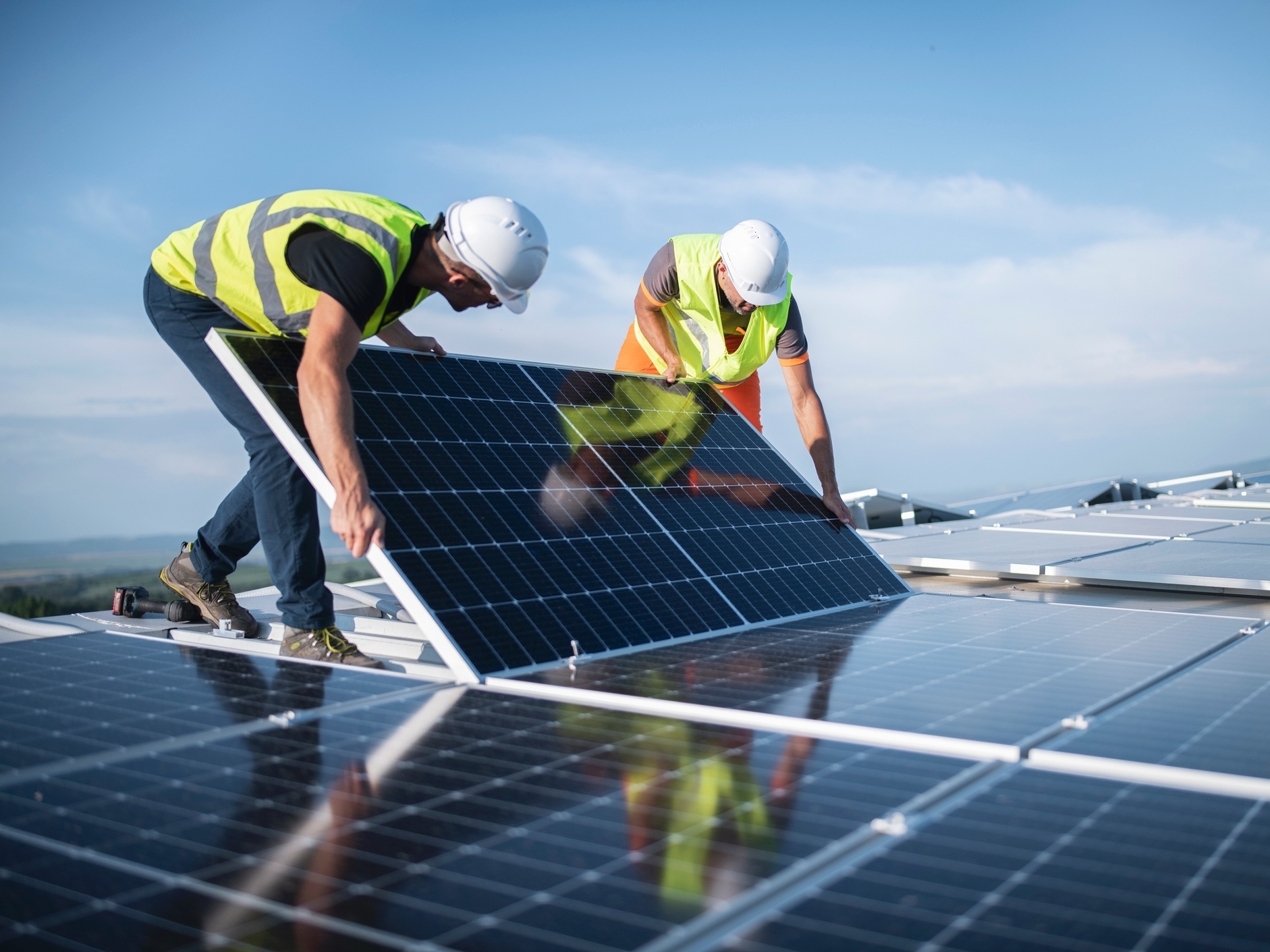
How To Ensure Better Quality Of Life For The Needy, The Government Is Studying The Possibility Of Creating A Program To Provide Access To Solar Energy At Low Cost, Making Its Use More Democratic For Citizens, Including Those With Low Income.
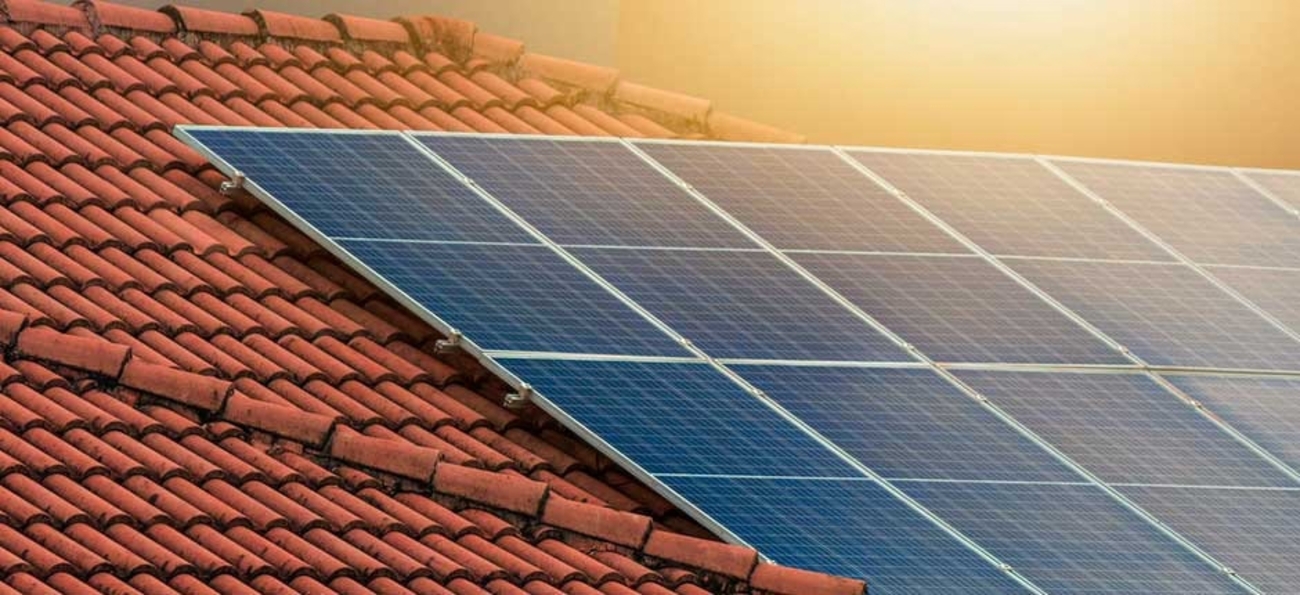
With the popularization of photovoltaic solar energy, the current Brazilian federal government is studying the possibility of ensuring access to this source for the needy population in the country. The proposal would occur through a program that would be responsible for facilitating the connection between both parties, democratizing access to solar energy for all.
Proposal Is Not Yet Defined Or Officialized, But The First Draft Aims To Create Different Categories To Enable Access
It is worth noting that, according to the proposal, the model to be used would be that of distributed generation. In the solar photovoltaic energy segment, it represents the situation where the consumer generates their own energy, being proportional to their needs.
In light of the project’s idea, the newly elected Ministry of Mines and Energy has outlined the guidelines for the plan and made a presentation at the beginning of 2023, in the first week of January, demonstrating that there is some urgency to refine the idea.
-
With 160,000 m² of collectors, an area larger than 20 football fields, Silkeborg, in Denmark, hosts a solar thermal plant that heats 19,500 homes and could become the largest solar heating plant in the world.

-
A study reveals the expansion of renewable energy procurement in Brazil and shows how companies are taking advantage of opportunities to reduce expenses, ensure energy efficiency, and strengthen strategic environmental commitments.

-
Roraima bets on the sun to escape high tariffs: Amid the energy crisis and price hikes, solar energy is growing in Roraima and transforming consumption in the North region.
-
Mato Grosso do Sul excels in the sugar-energy sector: the state reaches a milestone of 22 operating mills and accelerates the production of clean energy in MS with a focus on sustainability.


According to the first idea presented, the timeline indicates an execution that will last around 100 until complete implementation.
Regarding the format, it is estimated that different categories will be created to include citizens according to their income, presenting acquisition models compatible with each one.
The separation would be necessary to analyze, for example, the sources of funding and the calculation of interest, which, in the case of low-income populations, would be reduced to facilitate the agreement.
For this, beneficiaries of social projects are also treated as priorities in the proposal text, including those assisted by initiatives such as Minha Casa, Minha Vida and Bolsa Família, for example.
Initiative Follows Market Forecasts Regarding The Increase In The Use Of Renewable Energy Sources Worldwide, Especially Photovoltaic Solar Energy
Renewable energies contribute to a clean country concerned about the environment, in addition to relieving the electricity bill that arrives every month.
The popularization of the proposal has an impact on the entire country, indirectly benefiting even those who do not have solar energy.
The category has been gradually increasing and the trend is for it to continue.
In 2022, the growth of installed solar power was over 60%, according to data released by the Brazilian Solar Photovoltaic Energy Association, Absolar.
In numerical terms, this means that installed power increased from 14.2 gigawatts to 23 gigawatts between January and December.
The leap is considerable and demonstrates how solar energy has become more viable for the population, as it is used by large plants as well as distributed generation systems.
Currently, photovoltaic solar energy already ranks as the second most used energy source in Brazil, accounting for 11.2% of the total, with 23.9 gigawatts of installed power.
The data was provided by the magazine Pequenas Empresas & Grandes Negócios.
With the possible government action that is expected to be officialized and initiated in 2023, the popularization of solar energy will reach even greater numbers at a rapid pace, considering that the needy population in the country represents a large part of the whole. The program, by granting access to more people, would encourage distributed generation and engagement with renewable energy sources, resulting in a series of benefits.







Seja o primeiro a reagir!