





 English
  Francês
  Alemão
  Italiano
  Japonês
  Norueguês
  Portuguese
  Spanish
  4 min of reading


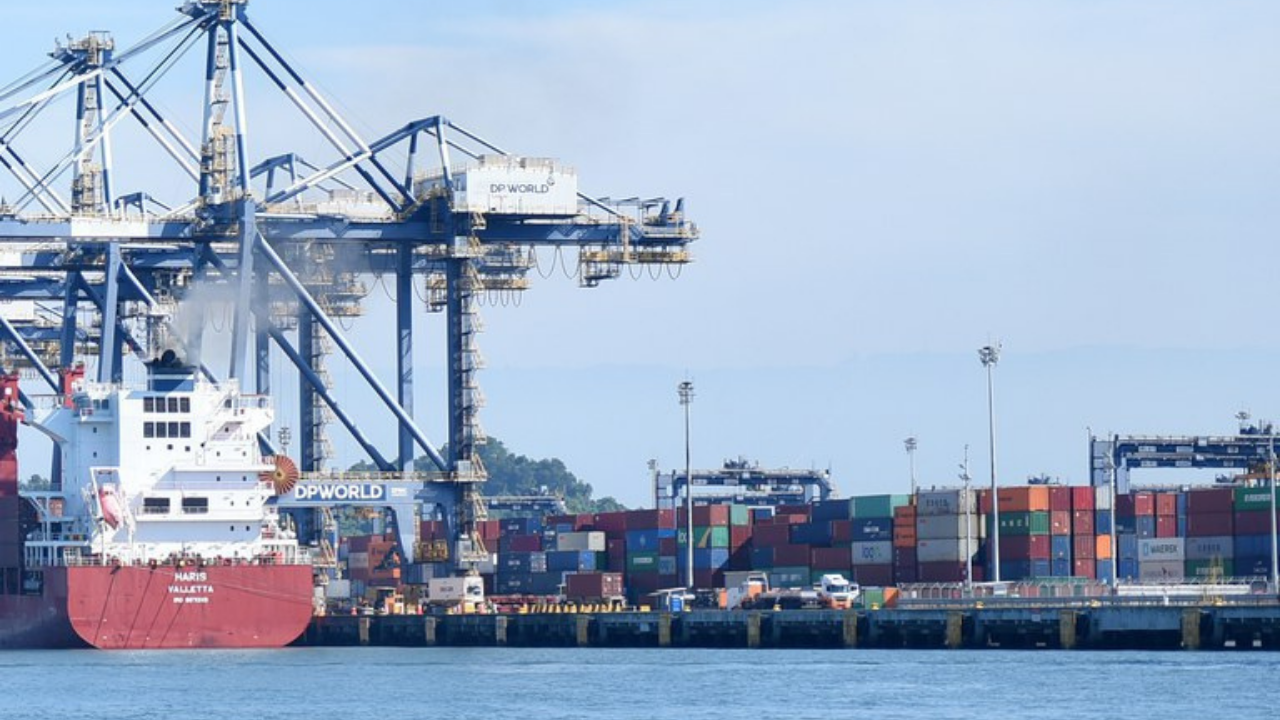
Even With Budget Constraints, the Federal Government Invested in the Transformation of the Country’s Transportation Infrastructure and Held the Largest Auction in History, Securing R$ 678 Million for a Fuel Terminal at the Port of Santos (STS08A)
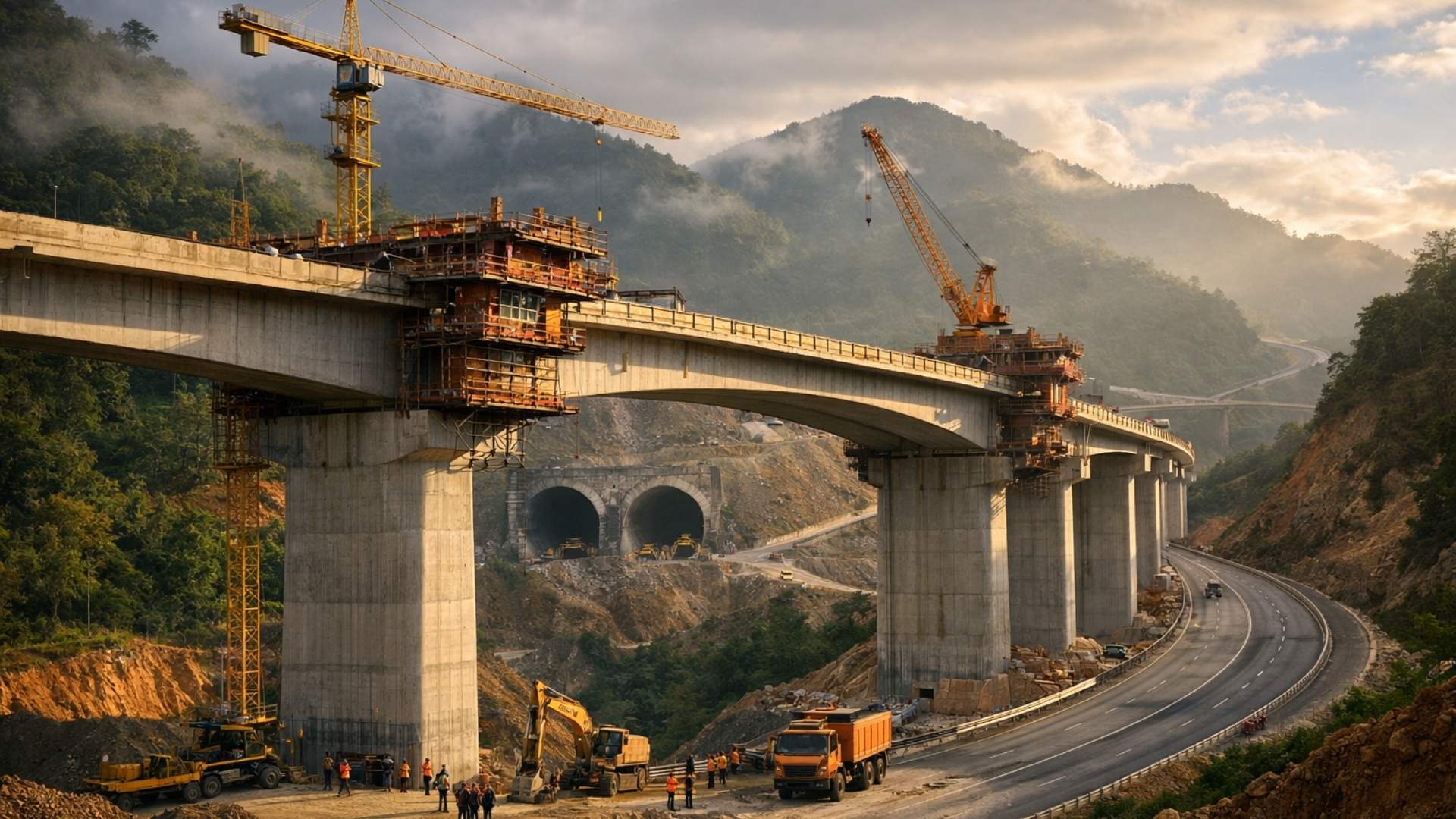
The year 2021 was marked by a series of actions taken by the Federal Government through the Ministry of Infrastructure (MInfra). According to the report released on 12/20/2021 by the Ministry of Infrastructure, the Government delivered 108 public works, renewed 2,050 kilometers of highways, invested R$ 5.5 billion in the modernization of all modes of transportation, and attracted an additional R$ 37.6 billion from the private sector for investments in railways, airports, highways, ports, and waterways in the coming years.
Also Read:
Stay Updated on Delivered and Planned Projects That Will Transform Brazil in the Coming Years in Airports, Railways, Highways, and Waterways.
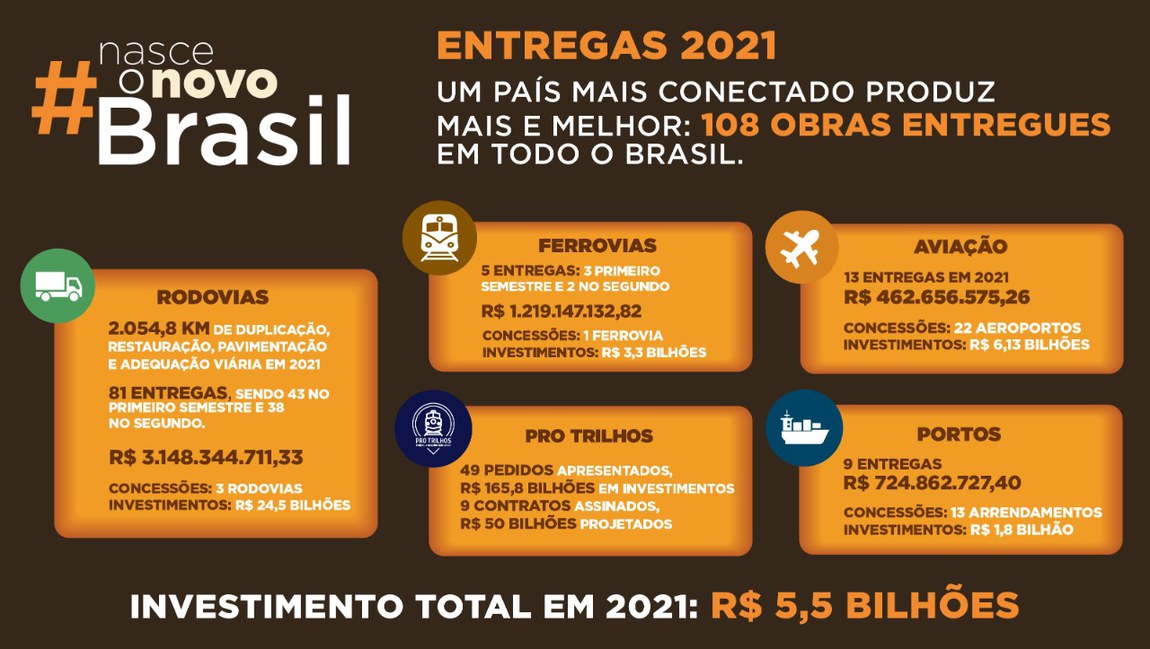
According to data from the Federal Government, from January to December, there were 13 deliveries in the aviation sector, in addition to the concessions of 22 Infraero airports, which will receive over R$ 6.1 billion in private investments. Additionally, 2,050 kilometers of highways were paved, duplicated, or restored, exceeding the 2019 figures. The ports also took an important step with the approval of the BR do Mar.
See News from November 19, 2021, by Band News, About the Auction of an Area in the Port of Santos for Over R$ 558 Million in Grant Value Won by Petrobras.

Brazil has the largest concession program in the world. In the coming years, R$ 24.5 billion will be invested in 3 auctioned federal highways, including the Dutra highway and the Rio-Santos (BR-101/SP/RJ). The concession program also progressed in other modes, holding the largest auction in history, securing R$ 678 million for a fuel terminal at the Port of Santos (STS08A), in addition to a railway (Fiol).
-
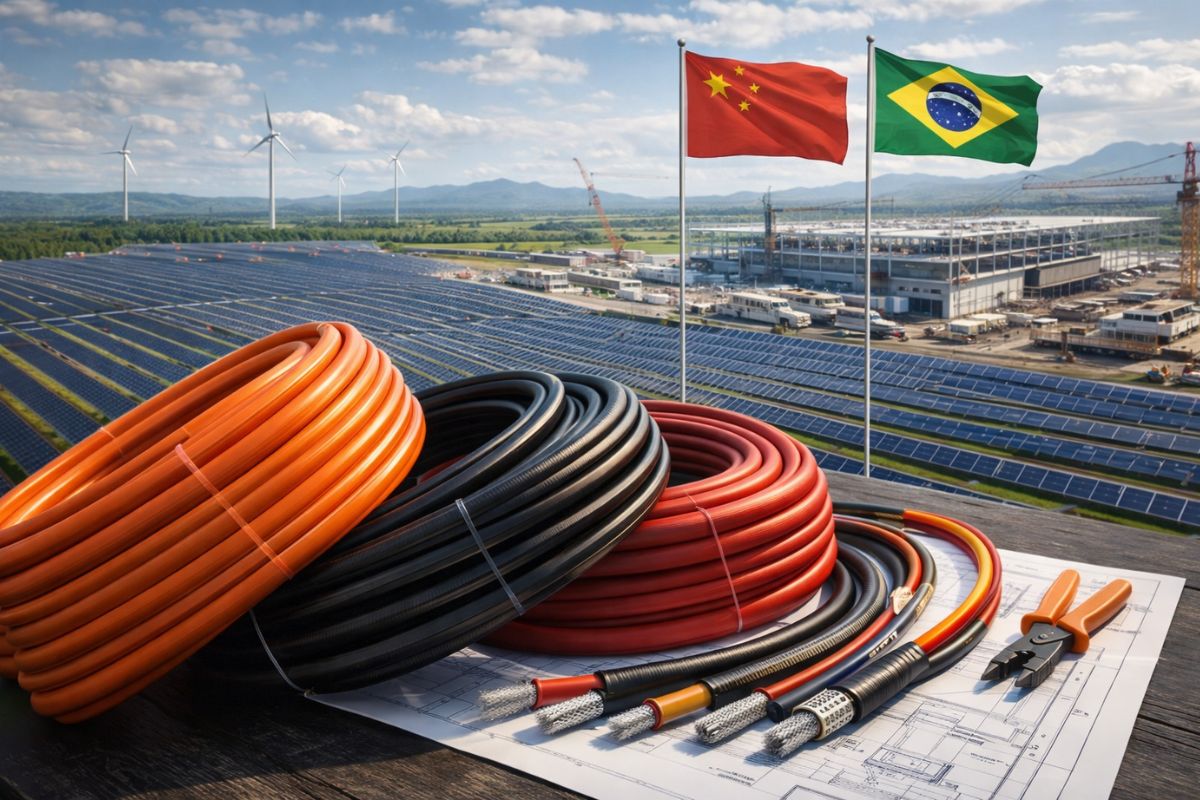
Chinese giant worth nearly R$ 4 billion that manufactures cables for electric cars, solar energy, and robotics wants to open a factory in SC.
-
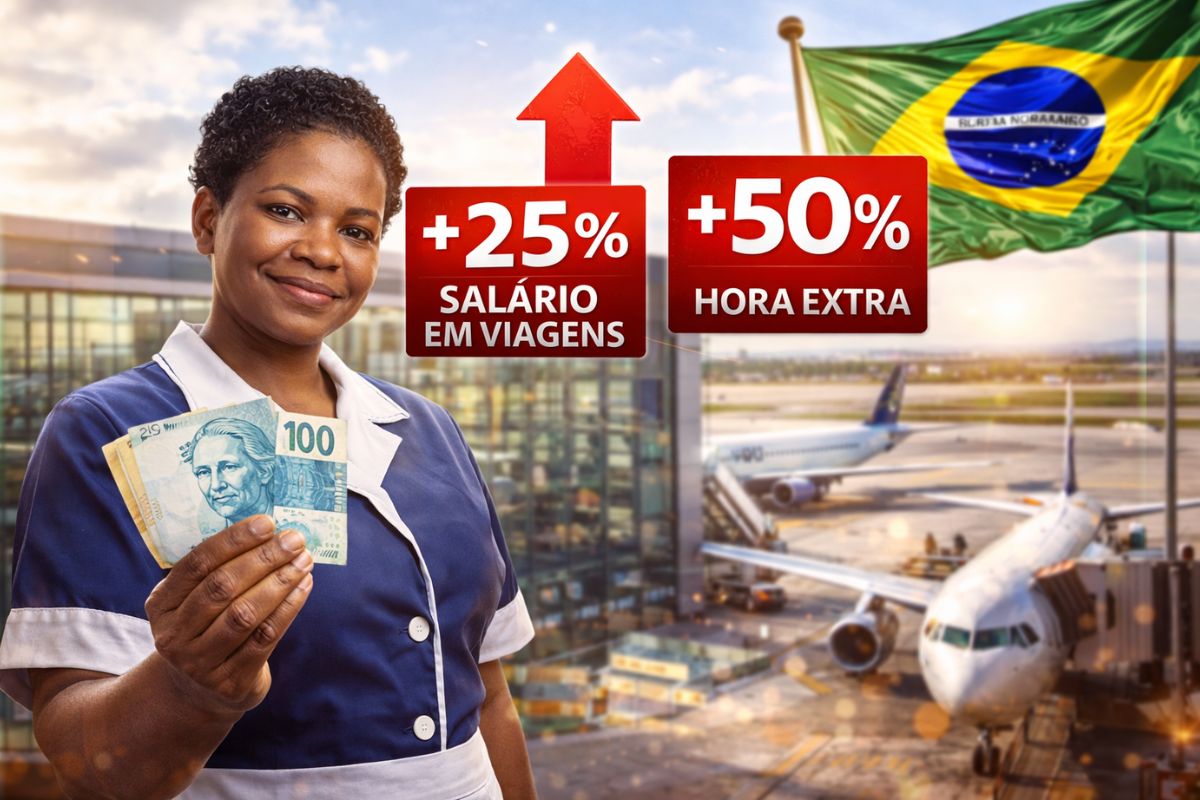
Many employers do not know, but the law guarantees domestic workers a 25% increase in salary during trips, 50% for overtime, 20% for night shifts, and 17 additional benefits that can lead to labor lawsuits if not paid.
-
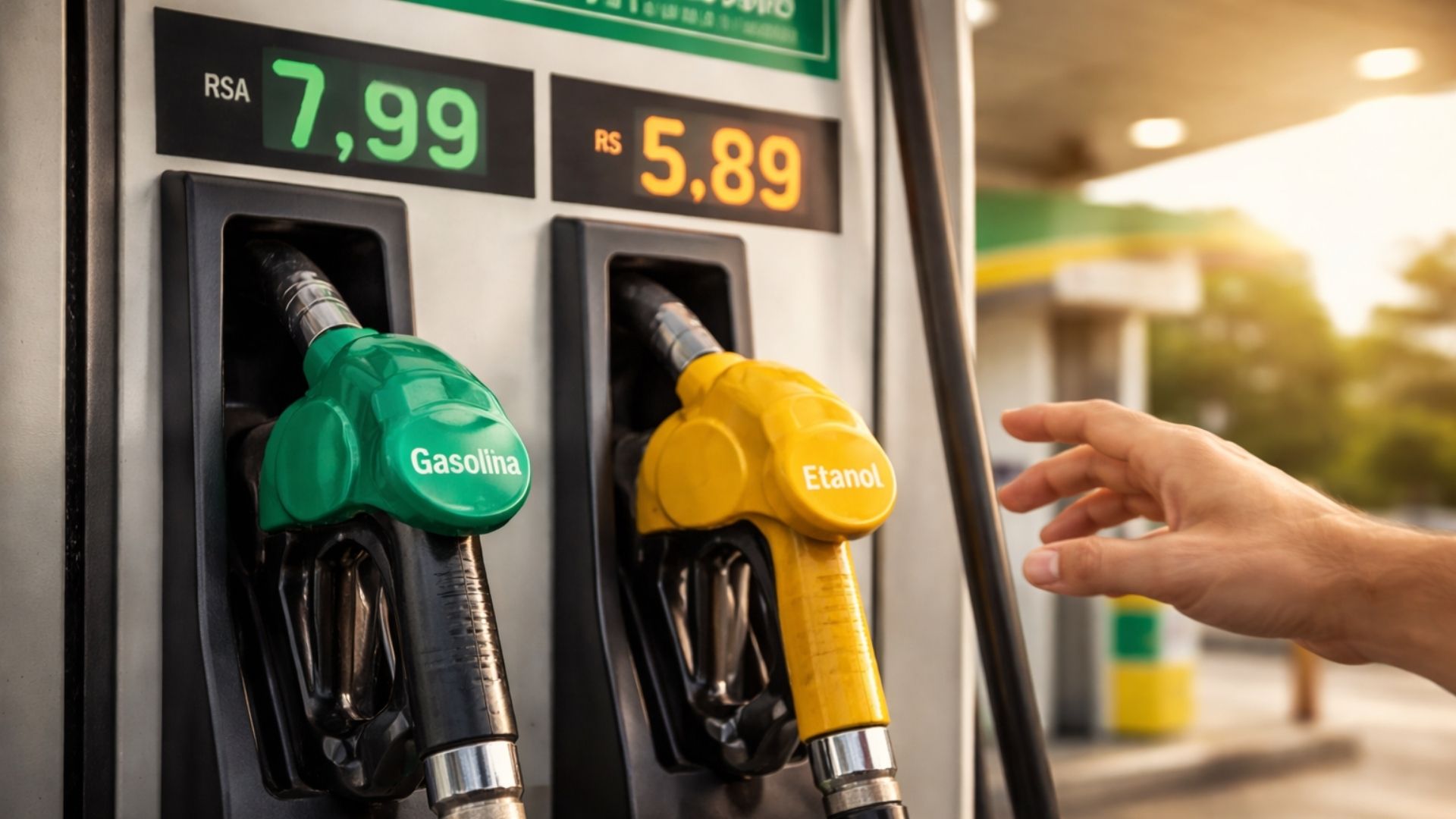
Gasoline prices soar and the question arises: is ethanol more advantageous? The 70% rule reveals the limit with gasoline.
-
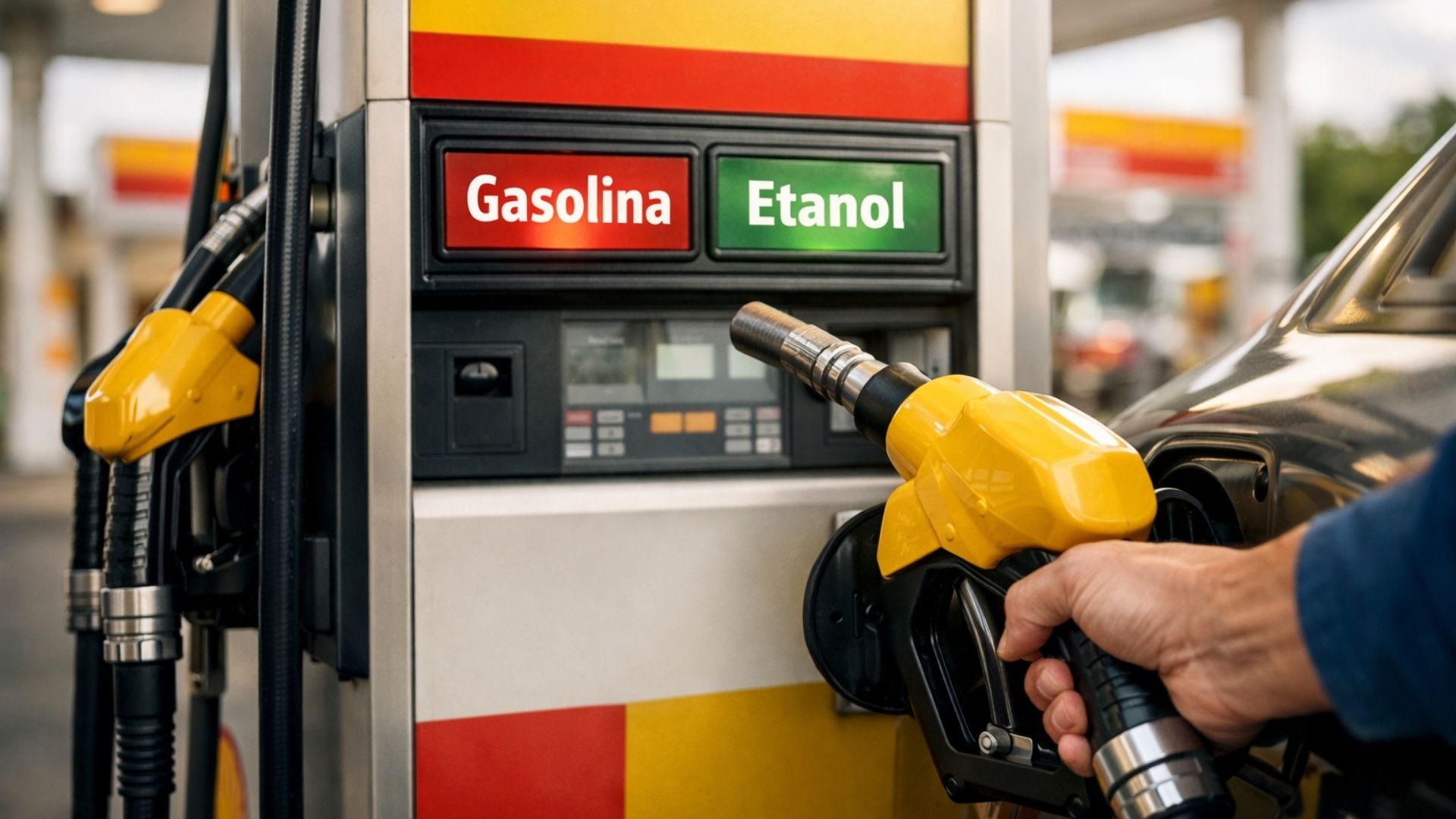
The government has made a decision and is starting a test with more ethanol in gasoline, anticipating a mixture of up to 35%, diesel with 25% biodiesel, and a study to assess the impacts on engines.

Railway Revolution
A series of actions by the Federal Government resulted in the largest investment program in the last 100 years for railways. A contract for over R$ 3 billion in private investments was signed for the concession of the West-East Integration Railway (Fiol), in addition to kickstarting the implementation of the Midwest Integration Railway (Fico), which will receive R$ 2 billion in investments from Vale. The Federal Government also created the Pro Trilhos program, aimed at promoting the emergence of new railways.
BR do Mar
Known as BR do Mar, the proposal is to create the Cabotage Transportation Stimulation Program, which is navigation between ports of the same country. Considered an efficient, low-cost, and safe mode of transportation, cabotage transportation is expected to increase in the country’s logistics matrix with the new legislation, with a forecast to expand the volume of containers transported and increase the maritime fleet dedicated to cabotage by 40% in the next three years.
PNL 2035
One of the main objectives of PNL 2035 is to transform Brazil’s transportation matrix, identifying the main needs and opportunities for the country’s transportation system to make it more rational and sustainable, with a forecast of reducing greenhouse gas emissions by 14% in the atmosphere.
Watch This Video and Learn More About the PNL 2035 Proposal
Technology
Initiatives have been implemented to streamline bureaucracy in the transportation infrastructure sector combined with technological innovation, such as the Paperless Port, the Safer Boarding, and the Electronic Transport Document (DT-e).
Anti-Corruption Radar
The Anti-Corruption Radar program, launched in 2019 by the Federal Government through the Ministry of Infrastructure, increased control and oversight efforts, addressing 228 complaints, in addition to launching the 1st edition of the Infra + Integrity Seal, which awarded three companies committed to transparency, compliance, social responsibility, sustainability, and fraud and corruption prevention initiatives.
Traffic
The year 2021 was marked by the creation of the National Traffic Department (Senatran), changes to the New Brazilian Traffic Code (CTB), and the development of the National Plan for the Reduction of Deaths and Injuries in Traffic (Pnatrans), aiming to promote safer traffic for the Brazilian population. Finally, the Federal Government also launched the Giants of Asphalt program, an important milestone aimed at facilitating the promotion of health and well-being for Brazilians who work in the sector.
Information from the Government of Brazil and the Ministry of Infrastructure.





Seja o primeiro a reagir!