





 English
  Francês
  Alemão
  Italiano
  Japonês
  Norueguês
  Portuguese
  Spanish
 3 min of reading


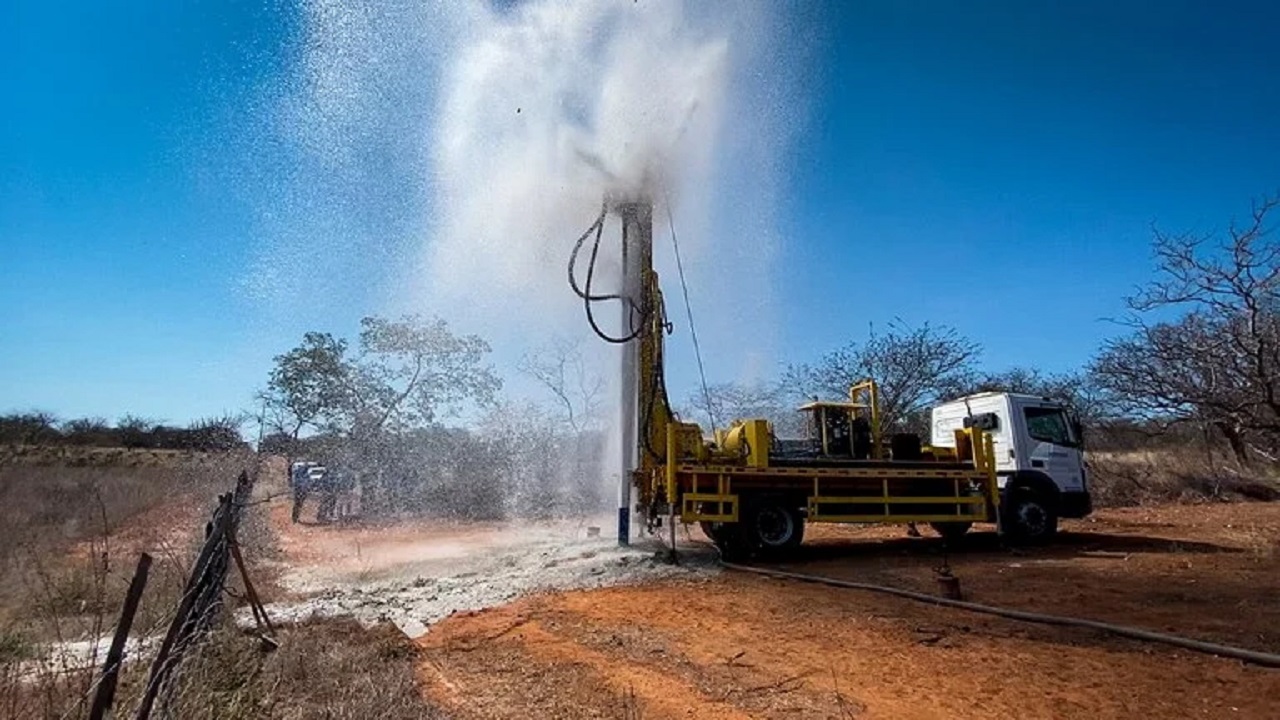
The Federal Government Installed 24 Solar-Powered Wells in the Sertão of Pernambuco, Aiming to Support Farmers Who Lack Access to Quality Drinking Water. The Project Benefits Over 600,000 People.
The Federal Government, through the Company for the Development of the Valleys of São Francisco and Parnaíba (Codevasf), installed 51 solar-powered wells in the sertão of the state of Pernambuco. The installations took place in the first quarter of this year with the aim of ensuring access to quality water for farmers in the region during periods of severe drought.
Federal Government Benefits Over 600,000 People in Pernambuco
According to Aurivalter Cordeiro, regional superintendent of Codevasf in Pernambuco, the Federal Government invested over R$ 1.5 million in the drilling and installation of solar-powered wells, benefiting 600,000 people spread across 33 municipalities in the state with this initiative.
The benefited municipalities were: Arcoverde, Água Preta, Bonito, Betânia, Brejo de Madre de Deus, Cabrobó, Buíque, Catende, Carnaubeira da Penha, Chã de Alegria, Cedro, Lagoa do Itaenga, Ibimirim, Orocó, Machados, and Palmares.
-
Chinese giant worth nearly R$ 4 billion that manufactures cables for electric cars, solar energy, and robotics wants to open a factory in SC.
-
Many employers do not know, but the law guarantees domestic workers a 25% increase in salary during trips, 50% for overtime, 20% for night shifts, and 17 additional benefits that can lead to labor lawsuits if not paid.

-
Gasoline prices soar and the question arises: is ethanol more advantageous? The 70% rule reveals the limit with gasoline.

-
The government has made a decision and is starting a test with more ethanol in gasoline, anticipating a mixture of up to 35%, diesel with 25% biodiesel, and a study to assess the impacts on engines.


In addition to these, the municipalities of Palmeirina, Parnamirim, Panelas, Santa Cruz do Capibaribe, Pedra, Pesqueira, Santa Terezinha, São Bento do Una, Santa Maria da Boa Vista, São Lourenço da Mata, Sertânia, Serrita, Triunfo, Solidão, Verdejante, Tupanatinga, and Vitória do Santo Antão also benefited.
It is worth noting that the Federal Government’s initiative was developed in 2019 and aimed to bring drinking water to Brazil’s most underserved regions. Since its creation, the program has already contributed to nearly 1 million Brazilians, generating 47,000 solar-powered wells installed not only in Pernambuco but throughout the Northeast of the country and parts of the state of Minas Gerais.
Understand How Solar-Powered Wells Work in Pernambuco
The solar-powered wells installed by the Federal Government basically consist of a set of solar panels and a pumping kit. The Kit is powered directly by the photovoltaic solar panels, making it possible to use the pumps in hard-to-reach places without the need for a cable to power the system.
In agriculture, it is common to need to transport water to irrigate crops or for drinking troughs over long distances from the well. In these cases, electrically powered pumps could generate a very high cost for residents of Pernambuco. Solar energy was one of the alternatives found to allow greater water consumption with higher efficiency and lower cost.
Federal Government Encourages the Use of Solar Energy
At the beginning of this year, the President of the Republic, Jair Bolsonaro, sanctioned the new Legal Framework for Distributed Generation, which establishes various rules about self-generation of energy, especially regarding subsidies. Although it involves other sources, such as hydropower, this type of generation is most common in solar energy.
Moreover, it is important to mention that according to data from the Electric Energy Commercialization Chamber (CCEE), energy generation through solar panels expanded by 46.6% in October of last year, and for this year, it is estimated that the increase will be even greater, considering that since 2020, the annual increase has been 230%.
To meet these demands, some companies are adopting the importation of solar panels. The increase in the use of solar energy occurred due to the depletion of hydroelectric reservoirs in the country, which raised electricity tariffs last year. According to data from Logcomex, a company that works with solutions related to foreign trade, solar panels saw a surge in imports due to the reduction of taxes on this activity.










Seja o primeiro a reagir!