





 English
  Francês
  Alemão
  Italiano
  Japonês
  Norueguês
  Portuguese
  Spanish
  3 min of reading


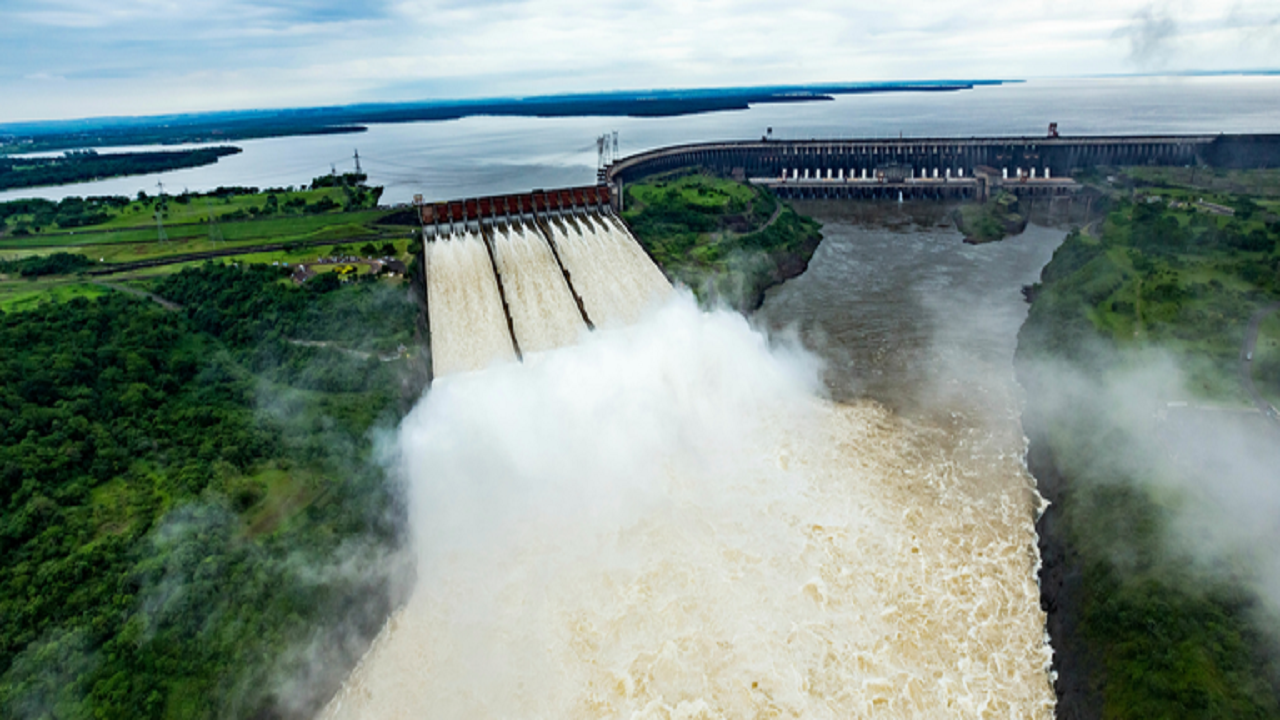
The Federal Government Decreed The End Of The Water Scarcity Banner, Developed By Aneel, To Mitigate The Impacts Generated By The Water Crisis. With The End Of The Banner, The Electricity Bill Will Be Reduced By 20%.
It was announced on Wednesday (06) by President Jair Bolsonaro the end of the Water Scarcity banner, thus the green tariff banner will apply to everyone starting from April 16. According to the Ministry of Mines and Energy (MME), the estimate is that this banner announced by the Federal Government will remain until the end of this year. The end of the Water Scarcity banner, expected this month, was already an expectation of the Federal Government, which, with the measure announced by the President, anticipated the reduction by 15 days. Thus, the electricity bills for Brazilian consumers will see a 20% reduction next month.
Water Scarcity Banner Added R$ 14 For Every 100 kWh
Since September of last year, the Water Scarcity banner, which added R$ 14.20 for every 100 kWh consumed on the electricity bill, went into effect. This extra amount was added to offset the costs of electricity, which became more expensive due to the water scarcity period, the worst in 91 years.
Currently, only consumers receiving benefits from the Social Tariff for Electric Energy do not pay the Water Scarcity banner fee on their electricity bill and pay the tariff banner published by the National Electric Energy Agency (Aneel) every month. Additionally, those living in areas not connected to the National Interconnected System (SIN), such as the state of Roraima, are also exempt from the tariff banner on their electricity bill.
-
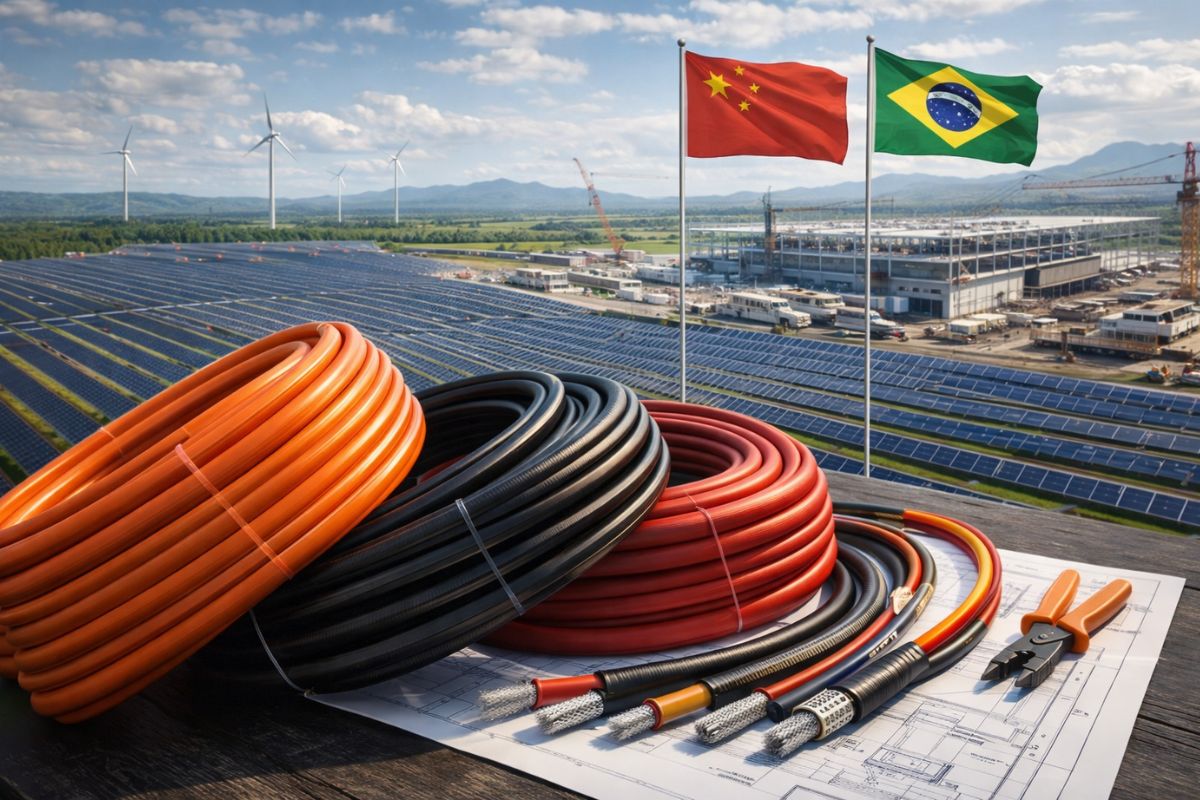
Chinese giant worth nearly R$ 4 billion that manufactures cables for electric cars, solar energy, and robotics wants to open a factory in SC.
-
Many employers do not know, but the law guarantees domestic workers a 25% increase in salary during trips, 50% for overtime, 20% for night shifts, and 17 additional benefits that can lead to labor lawsuits if not paid.

-
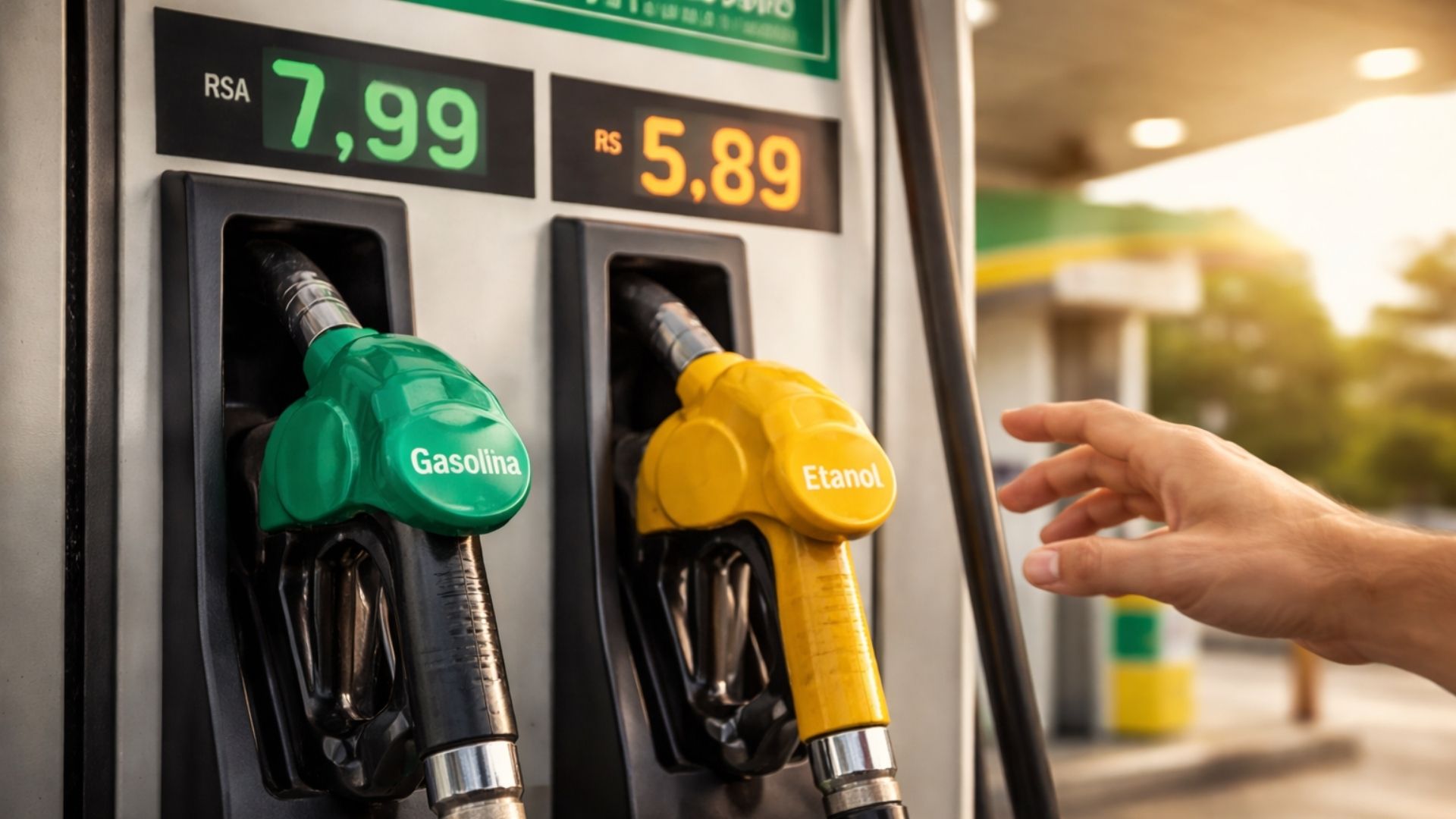
Gasoline prices soar and the question arises: is ethanol more advantageous? The 70% rule reveals the limit with gasoline.
-
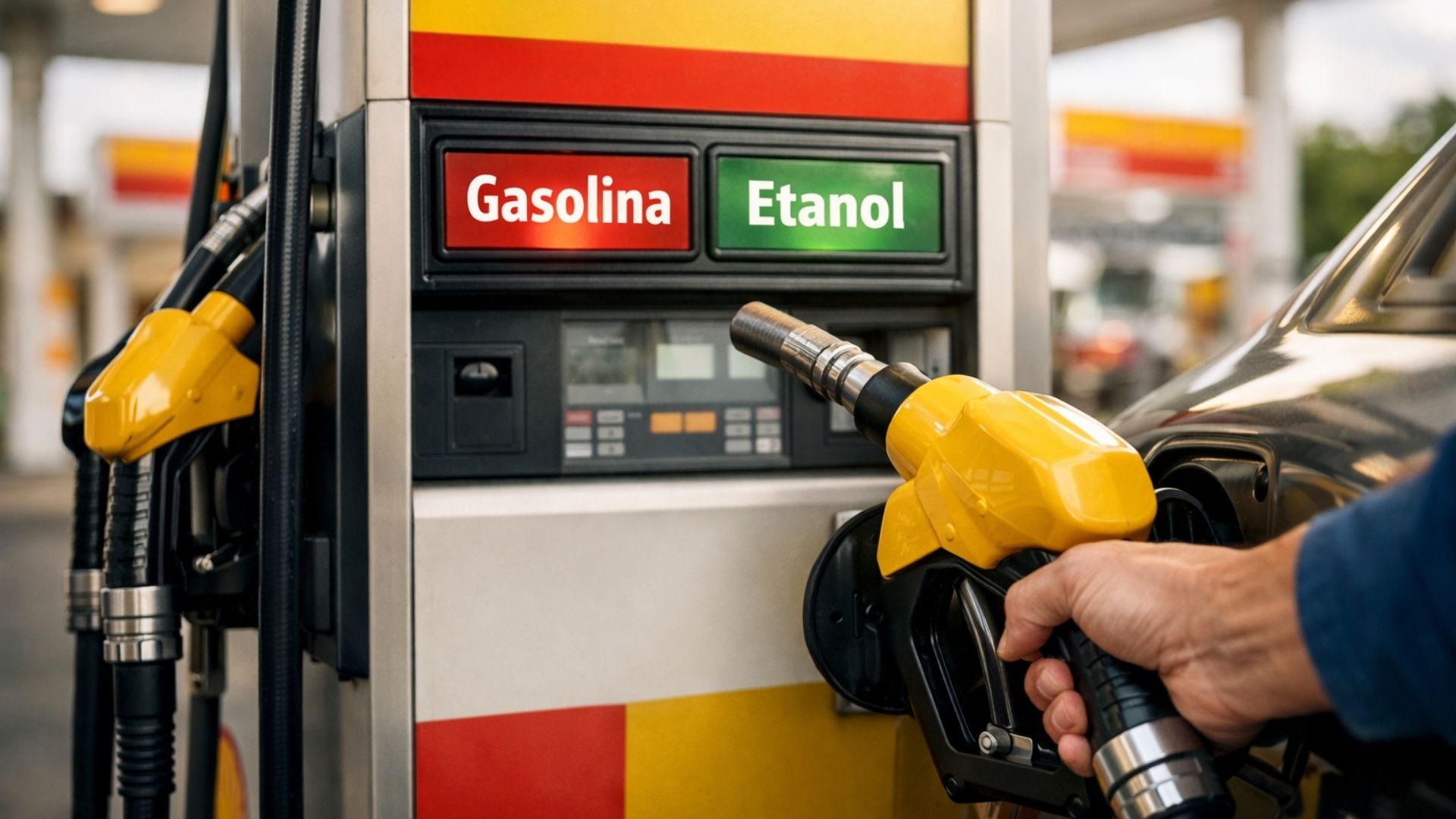
The government has made a decision and is starting a test with more ethanol in gasoline, anticipating a mixture of up to 35%, diesel with 25% biodiesel, and a study to assess the impacts on engines.
Last year, the Water Scarcity banner was developed to cover generation, distribution, and transmission costs of electricity during the drought period when thermal power plants, which generate electricity at a higher cost, were necessary. According to the MME, the actions taken by the Federal Government, along with the arrival of rainfall, allowed thermal power plants to be reduced and shut down.
Renewable Energy Sources Contribute To Reducing The Electricity Bill For Brazilians
The expansion of hydroelectric generation and sources like solar and wind favor lower costs during the next drought period, which runs from next month until November. These factors will contribute to lower bills.
The flag system developed by Aneel signals the real cost of electricity, making it possible for consumers to use electricity more efficiently. The operations are simple and indicate whether the energy will be more expensive or cheaper based on generation conditions.
Learn How Each Banner Color Works And What Their Values Are
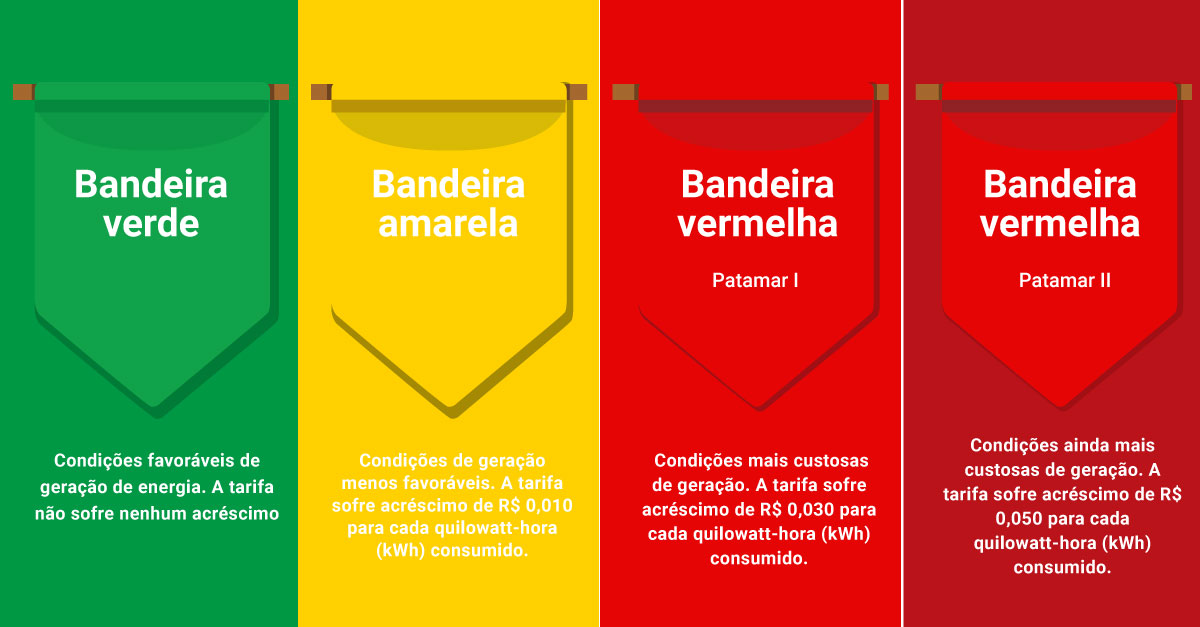
The Green Banner indicates favorable generation conditions without any additional charge. The Yellow Banner indicates less favorable generation conditions, with the tariff increasing by R$ 0.01874 for every kWh consumed. The Red Banner is divided into two levels; the first presents more costly generation conditions, with the tariff increasing by R$ 0.03971 for every kWh consumed.
Level 2 presents even costlier generation, with the electricity bill incurring an additional R$ 0.09492 for every kWh consumed. With the Water Scarcity banner, recently concluded by the Federal Government, the electricity bill incurs an additional R$ 14.20 for every 100 kWh consumed.
The end of this banner represents more savings for citizens and demonstrates the Federal Government’s commitment to the efficiency of energy supply, prioritizing quality and lower costs for the Brazilian people.







Seja o primeiro a reagir!