





 Português
  Inglês
  Espanhol
  3 min de leitura
  0 comentários


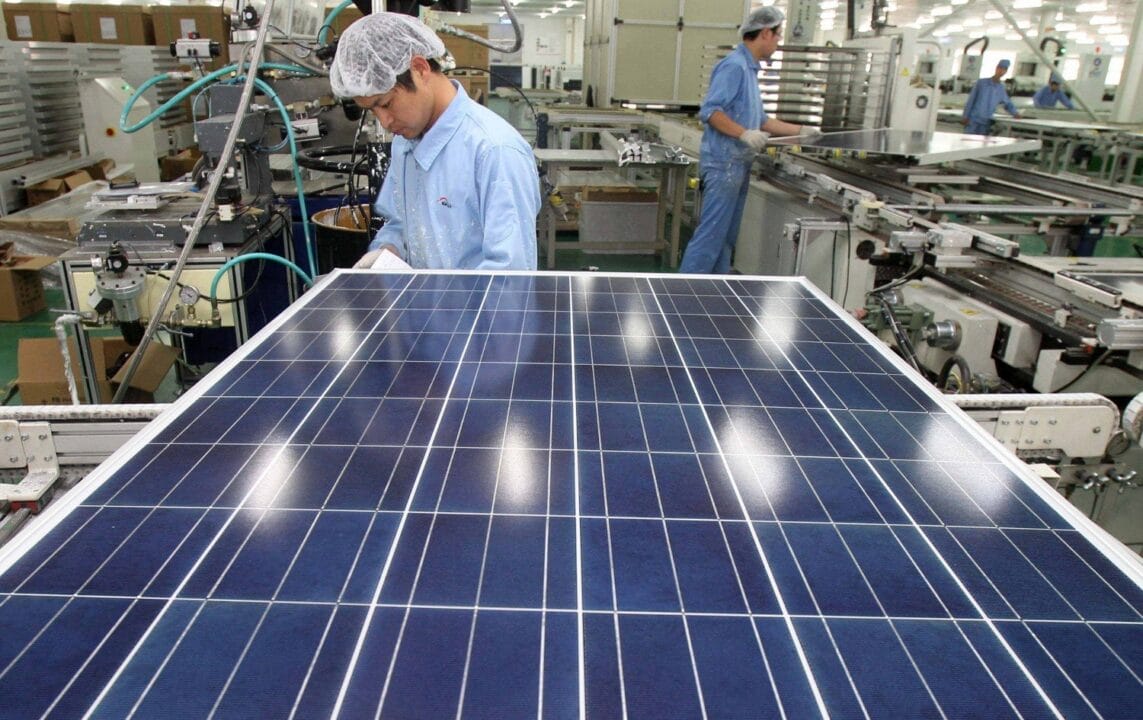
New Version: 10.8% Tariff on Solar Energy Valid in 2024, Photovoltaic Modules Exempt Until 2027; Installed Capacity and Importation of 11.2%.
Starting in January 2024, wind turbines of up to 7.5 MW and mounted photovoltaic modules will be subject to an import tariff of 10.8%, according to the decision of the Executive Management Committee of the Foreign Trade Chamber (Gecex-Camex) announced this Tuesday. The measure, linked to the Ministry of Development, Industry, Commerce and Services (MDIC), aims to ensure that similar production in Brazil is valued.
The justification for imposing the import tariff is that the country already has production capacity for mounted modules and wind turbines. With the application of the tariff, the national industry will be able to benefit and strengthen its position in the market, contributing to the development of the renewable energy sector. The measure is also a way to promote the growth of Brazilian **imports** in the clean energy segment.
Import of Wind Turbines and Solar Panels Will Face Tax Increase
And the import of wind turbines and solar panels will face a significant tax increase starting in 2025. All purchases made abroad will have to collect an 11.2% import tax, which will directly impact the importation of central solar energy generation equipment.
-
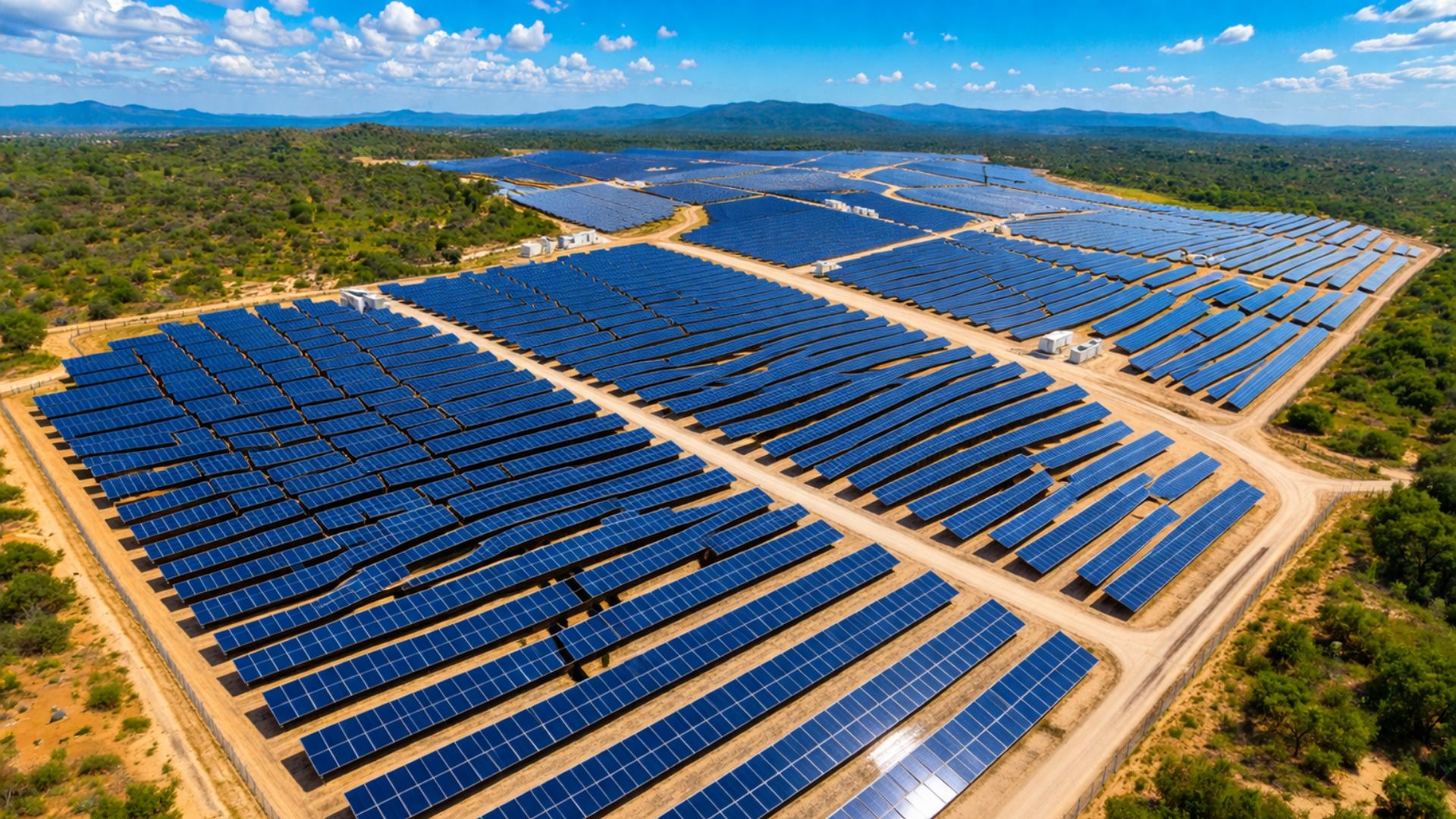
The Sol do Agreste Photovoltaic Complex begins operations in Pernambuco and accelerates the expansion of solar energy in Brazil, directly impacting the reduction of emissions and strengthening the sustainable energy matrix.
-
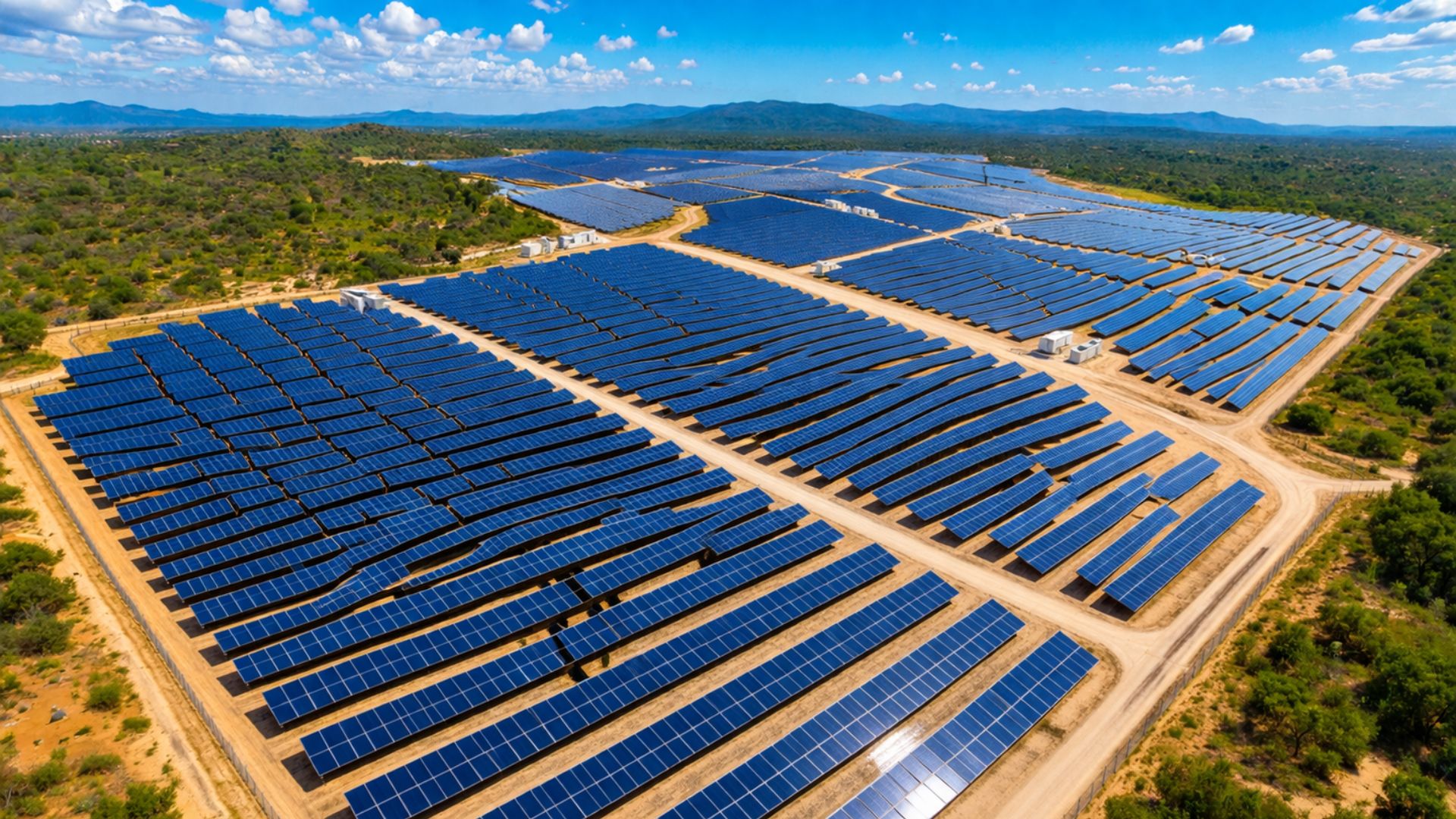
The Sol do Agreste Photovoltaic Complex begins operations in Pernambuco and accelerates the expansion of solar energy in Brazil, directly impacting the reduction of emissions and strengthening the sustainable energy matrix.
-
Renewable energy advances over protected areas in Brazil, and a survey by the Energy Transition Observatory reveals silent impacts that challenge environmental conservation and pressure sensitive traditional territories.

-
Rio Grande do Sul accelerates energy transition: State invests in renewable technologies and consolidates decarbonization strategies and pathways to attract billions in new industrial investments.


The decision will have a direct impact on the importation of wind turbines and solar panels, with plans to revoke 324 exemptions for solar panels that had a zero tariff reduction. Additionally, exemptions for any power will only be granted upon proof of no equivalent national production.
For the importation of wind turbines and solar panels, tax collection will occur during a transition period, with decreasing exemption quotas until 2027. The quotas will be:
- US$ 1.13 billion between January and June 2024;
- US$ 1.01 billion between July 2024 and June 2025;
- US$ 717 million between July 2025 and June 2026; and
- US$ 403 million between July 2026 and June 2027.
Impact on Imports of Wind Turbines and Solar Panels
The importation of wind turbines and solar panels in Brazil accounts for 99% of all used modules, with most imported from China. In 2022, imports of wind turbines and solar panels totaled US$ 5 billion, highlighting the relevance of this market in the country.
The measure also affected the installed capacity of 11.1 GW of centralized solar energy and 25 GW of distributed generation. In addition, Gecex-Camex increased the minimum capacity for wind turbines exempt from the import tax from 3.3 MW to 7.5 MW, with the exemption lasting for one year, aiming to boost domestic production of these equipment.
‘It has been noted, however, that Brazilian companies are already able to produce above this limit or have plans to do so in the short and medium terms’, stated the agency, highlighting the development potential of the national production chain.
The Vice President and Minister of Development, Industry, Commerce and Services (MDIC) Geraldo Alckmin emphasized the strategic importance of producing solar energy generation equipment for the country, highlighting its contribution to energy security and the ecological transition to a low-carbon economy.
Outlook for the Wind and Solar Energy Sector
Studies by the National Electric Energy Agency (Aneel) indicate an average annual growth of 9.4 GW in installed capacity in the country, between 2023 and 2026. According to sector calculations, each increase of 9.4 GW would lead to the creation of 19,000 jobs throughout the production chain, with 6,500 just in the production of the modules.
Source: EPBR










Seja o primeiro a reagir!