





 Portuguese
  English
  Spanish
  4 min of reading
  0 comments


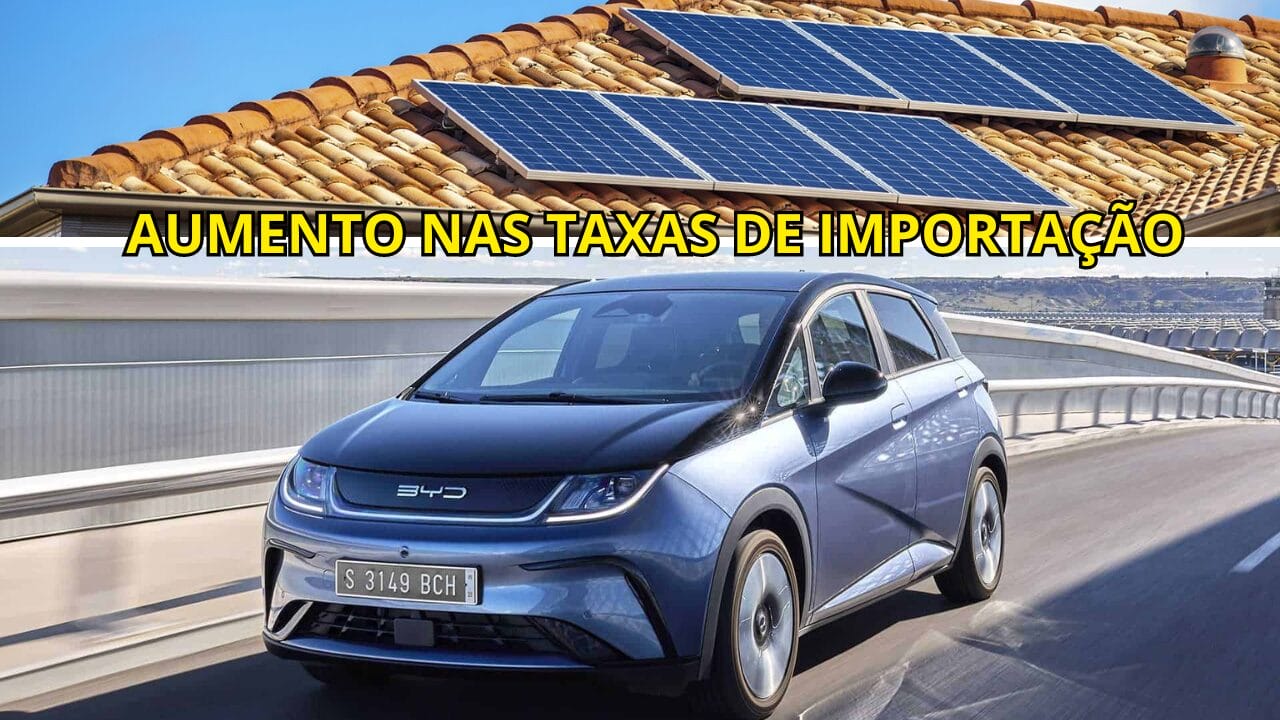
The Federal Government Has Started The Gradual Taxation Of Electric, Hybrid Vehicles And Solar Panels To Finance Tax Incentives In The Automotive Industry. The Zero Tariffs, Since 2015, Will Be Reintroduced By July 2026. This Strategy Aims To Boost Local Production, Reduce Dependencies On Imports And Promote The Transition To Renewable Energies.
The Federal Government Has Launched A Series Of Measures That Will Directly Impact The Electric Vehicles, Hybrid And Solar Energy Sectors. The Taxation, Which Was Previously Zero For Electric Cars Since 2015, Will Now Be Gradually Reintroduced By July 2026, Also Covering Solar Panels And Changes In Tariffs For Wind Turbine Generators. The Stated Goal Is To Finance Tax Incentives For The Automotive Industry, Promoting Domestic Production And Reducing Dependence On Imports, Mainly From China.
See: The Federal Government Begins To Tax Imported Electric And Hybrid Vehicles


Taxation On Electric And Hybrid Vehicles
The Tariffs For Electric Vehicles, Previously Zero, Have Started To Be Applied Since The Beginning Of This Year, Marking A Significant Change In The Country’s Tax Policy.
This Measure, According To The Government, Aims To Finance MP 1.205 Of 2023, Which Provides R$ 19 Billion In Tax Incentives For The Automotive Industry.
-
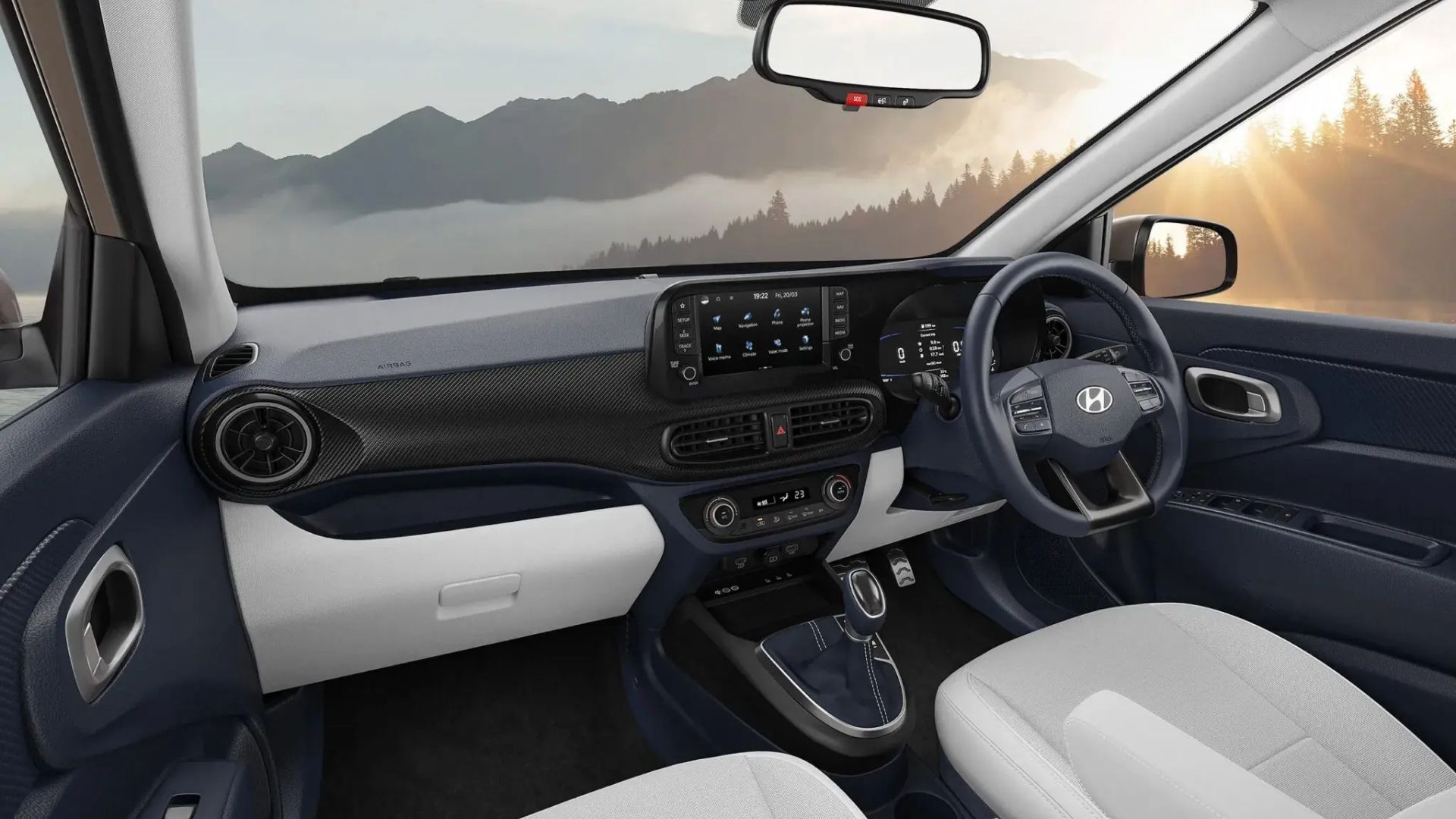
For R$ 32,000, a brand new Hyundai car is a rival to the Kwid with a 1.2 engine producing 82 hp, 6 airbags as standard, multimedia with wireless Android Auto, up to 391 liters in the trunk, and a refreshed look for 2026 in India.
-
He bought a new car in 1983, locked it in the barn in 1988, and no one opened the door for 38 years until the family discovered what was stored inside and realized it looked like something out of a movie.

-
A 250cc motorcycle that can reach 560 km with a 14-liter tank, features disc brakes on both wheels and is among the most well-known in Brazil.
-
Man finds over 200 rare cars abandoned on a lot and tries to do the impossible in 8 hours with a surprise at the end.


Since 2015, The Tariffs For Electric Vehicles Were Zero, With The Intention Of Stimulating The Entry Of These Vehicles Into The Brazilian Market.
However, The Current Administration Aims To Boost The Competitiveness Of Local Factories By Gradually Resuming Import Taxes.
The Taxation In The National Market Will Be Implemented Progressively, Starting At 10% For 100% Electric Cars And Reaching 35% By July 2026.
Hybrids Will Pay 15%, While Plug-in Hybrids Will Have A Rate Of 12%. Electric Trucks, In Turn, Will Be Taxed At 20%, Reaching 35% By July 2024.
This Gradual Approach Adopted By The Government Allows Local Manufacturers To Develop Electrified Vehicle Projects While Imports Are Still Encouraged.
Companies Will Have Until July 2026 To Continue Importing With Exemption Up To Certain Value Quotas Established By Model.
Incentives For Local Production Of Electric Vehicles
The Measure Includes The Stipulation Of Import Quotas With Reduced Tariffs To Encourage Imports Until The Full Implementation Of The Rates.
For Example, For Hybrids, The Quotas Will Be US$ 130 Million Until July 2024, US$ 97 Million Until July 2025 And US$ 43 Million Until July 2026.
This Strategy Aims To Provide Space For Local Production To Meet The Growing Demand For Electric Vehicles In The Brazilian Market.
Taxation On Solar Panels And Wind Turbines
In Addition To Electric Vehicles, The Government Is Also Implementing Taxation On Solar Panels.
The Common External Tariff Of Mercosur (TEC) On The Import Of Modules Will Be 10.8%, With An Increase Expected In 2025.
The Intention Is To Benefit Domestic Production And Attract Investments, Reducing Dependence On Imports, Mainly From China.
To Facilitate The Transition, Import Quotas Have Been Established At 0% In Decreasing Values Until 2027.
These Quotas Range From US$ 1.13 Billion Between January And June 2024, Gradually Decreasing To US$ 403 Million Between July 2026 And June 2027.
This Measure Aims To Provide The Renewable Energy Market Enough Time To Adjust To Changes And Foster The Development Of Domestic Technologies.
Changes In Wind Turbines
The Changes Also Extend To Wind Turbine Generators, With An Increase In The Power Limit For Tariff Exemption.
Until The End Of 2023, Wind Turbines With Power Above 3,300 kVA Could Be Purchased From Abroad Without Import Tariff.
However, From Now On, Only Equipment With Power Above 7,500 kVA Will Continue To Be Exempt, And Only For One Year.
Starting In 2025, All Purchases From Abroad Will Have A Tax Of 11.2%, Encouraging Local Production In The Renewable Energy Sector.
Government Economic Strategy
These New Tax Measures From The Federal Government Signal A Shift In Economic Strategy, Prioritizing Local Production And Reducing Dependence On Imports In Crucial Sectors For Industrial Development.
The Transition To Electric Vehicles, Solar Power Generation, And The Production Of Wind Turbines Are Key Pieces In The Pursuit Of A More Sustainable And Self-Sufficient Economy.
In A Global Context Of Energy Transition, Brazil Seeks To Position Itself As An Important Player In The Production And Innovation Of These Technologies.
It Remains To Be Seen How The Electric Vehicle And Renewable Energy Industries Will Adapt To These Changes While The Country Seeks A Balance Between Fostering Local Production And Maintaining Its International Competitiveness.










Seja o primeiro a reagir!