





 Portuguese
  English
  Spanish
  3 min of reading


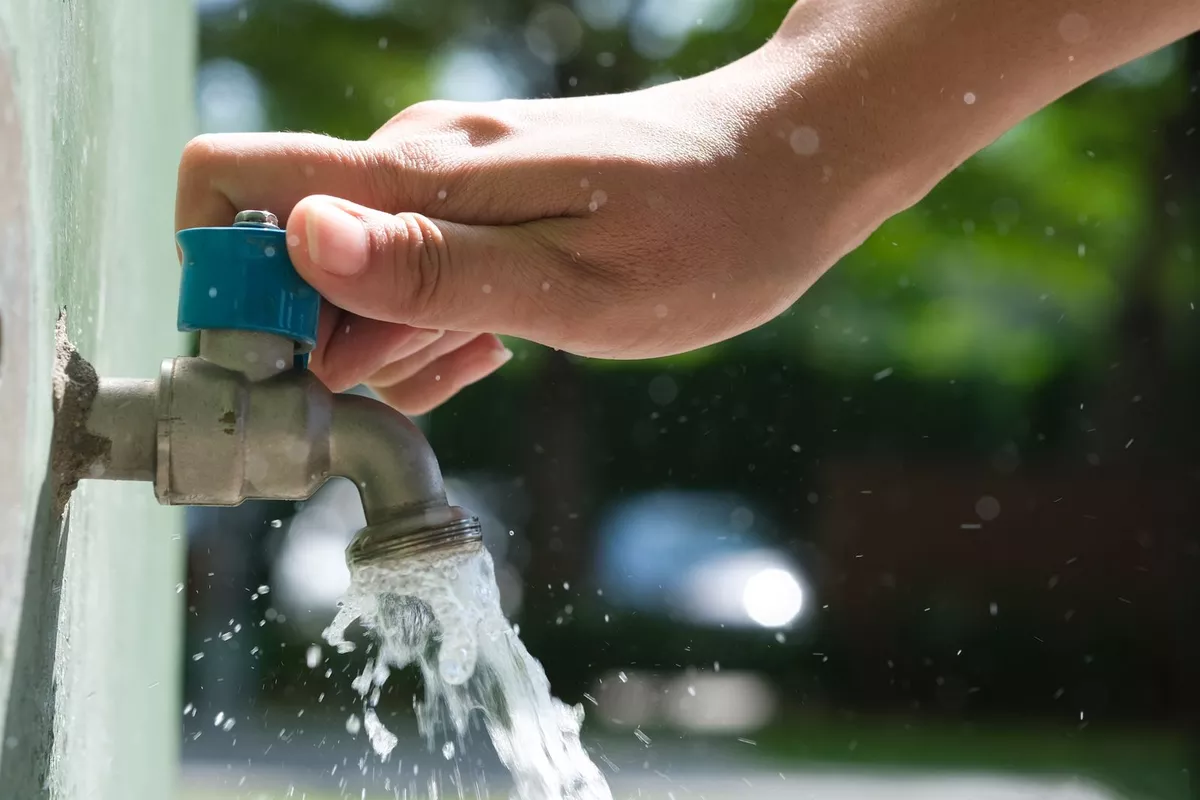
The Issue Of Water Is A Constant Concern In Brazil, Especially In Regions Like The Northeast, Which Face Long Periods Of Drought.
In this context, the use of rainwater can be a viable and sustainable alternative for the population. However, the federal government decided to veto new legislation that sought to regulate the use of this water resource.
The text, which had been approved by the National Congress and was vetoed by President Lula, stipulated that “rainwater and graywater are intended for less restrictive activities regarding quality”. According to the Ministry of the Environment and the Cities Department, this regulation could harm practices already established in the Northeast and cause water insecurity for the population.
The Importance Of Using Rainwater In Brazil
Brazil is a country rich in water resources, but the unequal distribution of these resources is a constant reality. While some regions have an abundance of water, others face prolonged dry spells. In areas like the Northeast, where water scarcity is a daily reality, the use of rainwater can be a viable alternative to ensure water supply for the population.
-
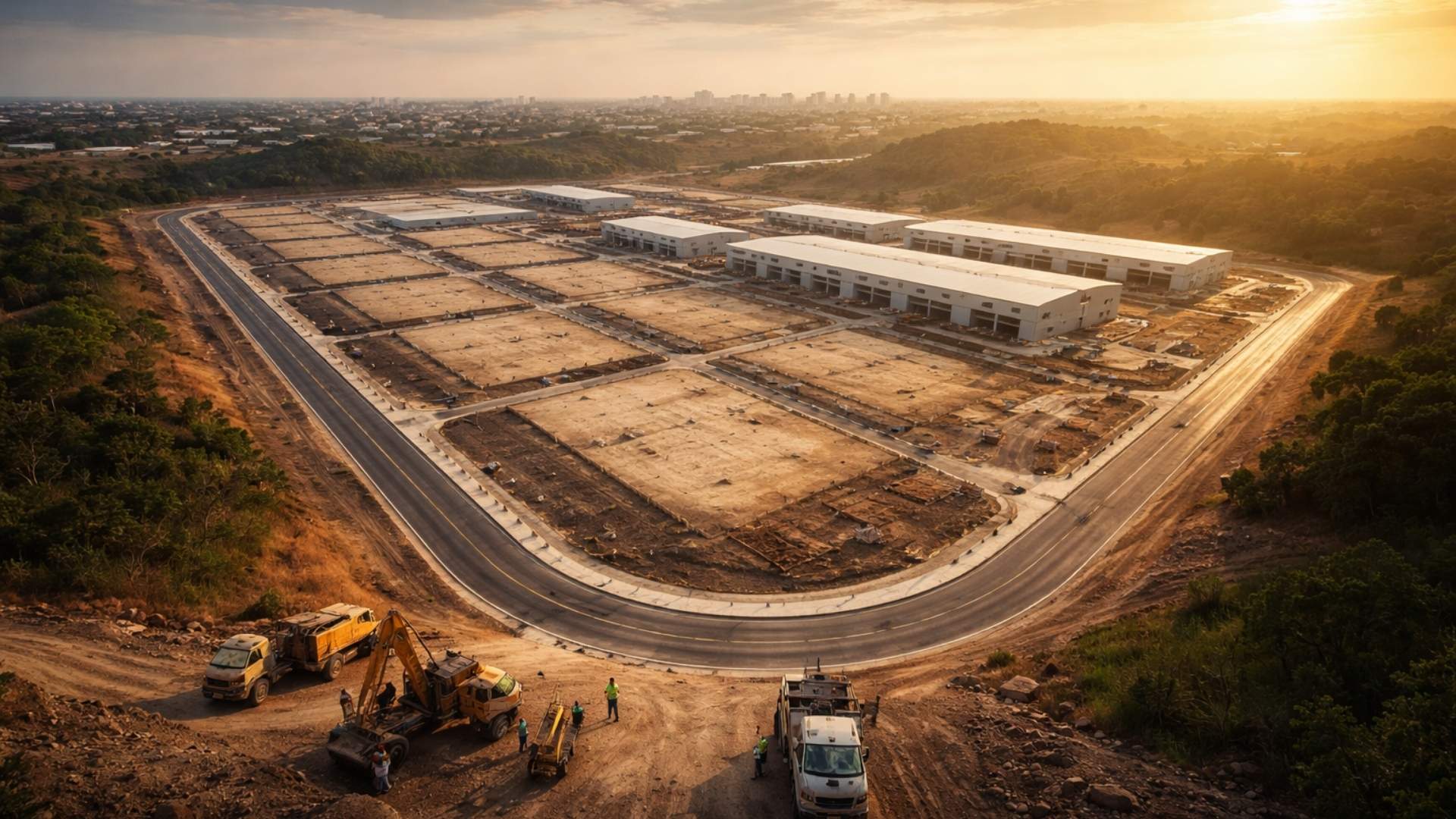
Brazilian city gains industrial hub for 85 companies that is equivalent to 55 football fields.
-
Peugeot and Citroën factory in Argentina cuts production by half and opens a layoff program for more than 2,000 employees after Brazil drastically harmed purchases of Argentine vehicles.

-
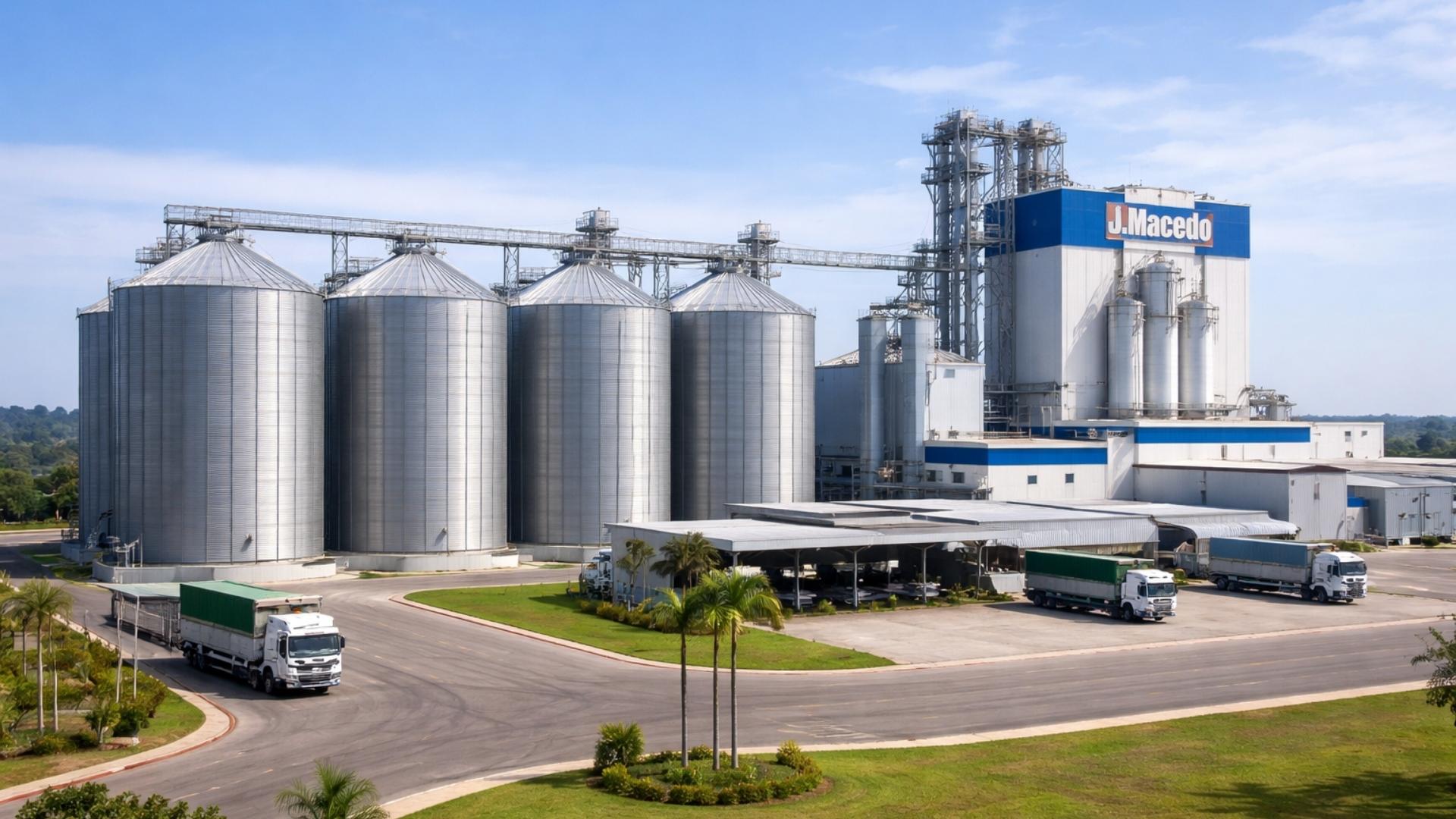
A Brazilian city gains a factory worth R$ 300 million with the capacity to process 200 thousand tons of wheat per year, a mill of 660 tons per day, silos for 42 thousand tons, and an industrial area of 276 thousand m².
-
Havan will leave the shopping mall in Blumenau to inaugurate something the chain has never done before: a megastore in half-timbered style in the Historic Center of the city, which is expected to be ready in May and change the landscape of local retail.


Furthermore, the use of rainwater can contribute to environmental preservation and reduce the demand for treated water, which is an increasingly scarce and expensive resource. Thus, regulating this water alternative is essential to ensure water security and sustainability in the country.
The Implications Of The Veto On The Regulation Of Rainwater Use
The federal government’s veto of the new regulation for the use of rainwater has created controversy and concern among specialists and organizations related to the environment and water management. According to the Ministry of the Environment and the Cities Department, the new legislation could jeopardize established practices in the Northeast and undermine the use of rainwater for human consumption in the region.
However, many experts argue that the veto represents a setback in water management policy and in promoting sustainability in the country.
Use Of Rainwater In Brazil
The use of rainwater is a fairly old practice; however, it is still little known and utilized in Brazil. According to data from the National Water Agency (ANA), only 1.7% of Brazilian households use this water for non-potable purposes.
However, it is important to highlight that the use of rainwater can be a viable alternative for reducing the consumption of potable water, especially during water scarcity. Additionally, using this water for non-potable purposes, such as irrigation of plants and general cleaning, can generate financial savings.
Brazil has specific legislation on the subject, which establishes the conditions for rainwater harvesting in urban and rural buildings. However, it is crucial that rainwater usage is done safely and responsibly, with proper treatment and storage, to avoid health risks.
In summary, the use of rainwater is a little-explored practice in Brazil, but it can be beneficial for both the environment and financial resource savings. It is important that, when adopting this practice, the necessary precautions are taken to ensure the safety and quality of the water used.








Seja o primeiro a reagir!