





 Portuguese
  English
  Spanish
  3 min of reading
  0 comments


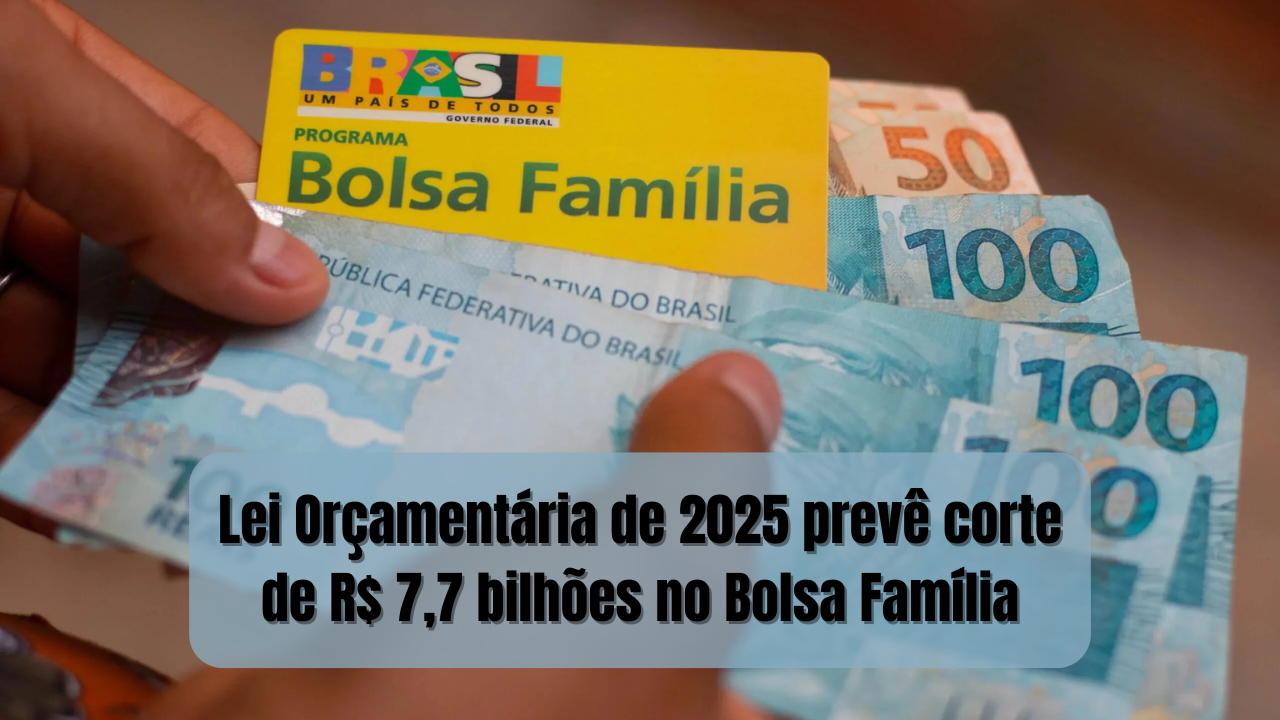
On the last Thursday, March 20, the Joint Budget Commission (JBC) approved, symbolically, the Annual Budget Law Project (PLOA) for the year 2025. The proposal, which still needs to be submitted to a vote in the plenary of the National Congress, brings a series of implications for the government’s fiscal management, highlighting a significant cut in Bolsa Família and the forecast of a primary surplus of R$ 15 billion.
Among the most controversial elements of the proposal is the reduction of R$ 7.7 billion in Bolsa Família.
The cut has generated intense debates, especially because the cash transfer program is one of the main tools of social assistance in Brazil.
-
A new Brazilian shopping center worth R$ 400 million will be built in an area equivalent to more than 4 football fields, featuring 90 stores, 5 cinemas, a supermarket, a college, and parking for 1,700 cars, potentially generating 3,000 jobs.

-
Larger than entire cities in Brazil: BYD is building a 4.6 km² complex in Bahia with a capacity for 600,000 vehicles per year, but the discovery of 163 workers in conditions analogous to slavery has shaken the entire project.

-
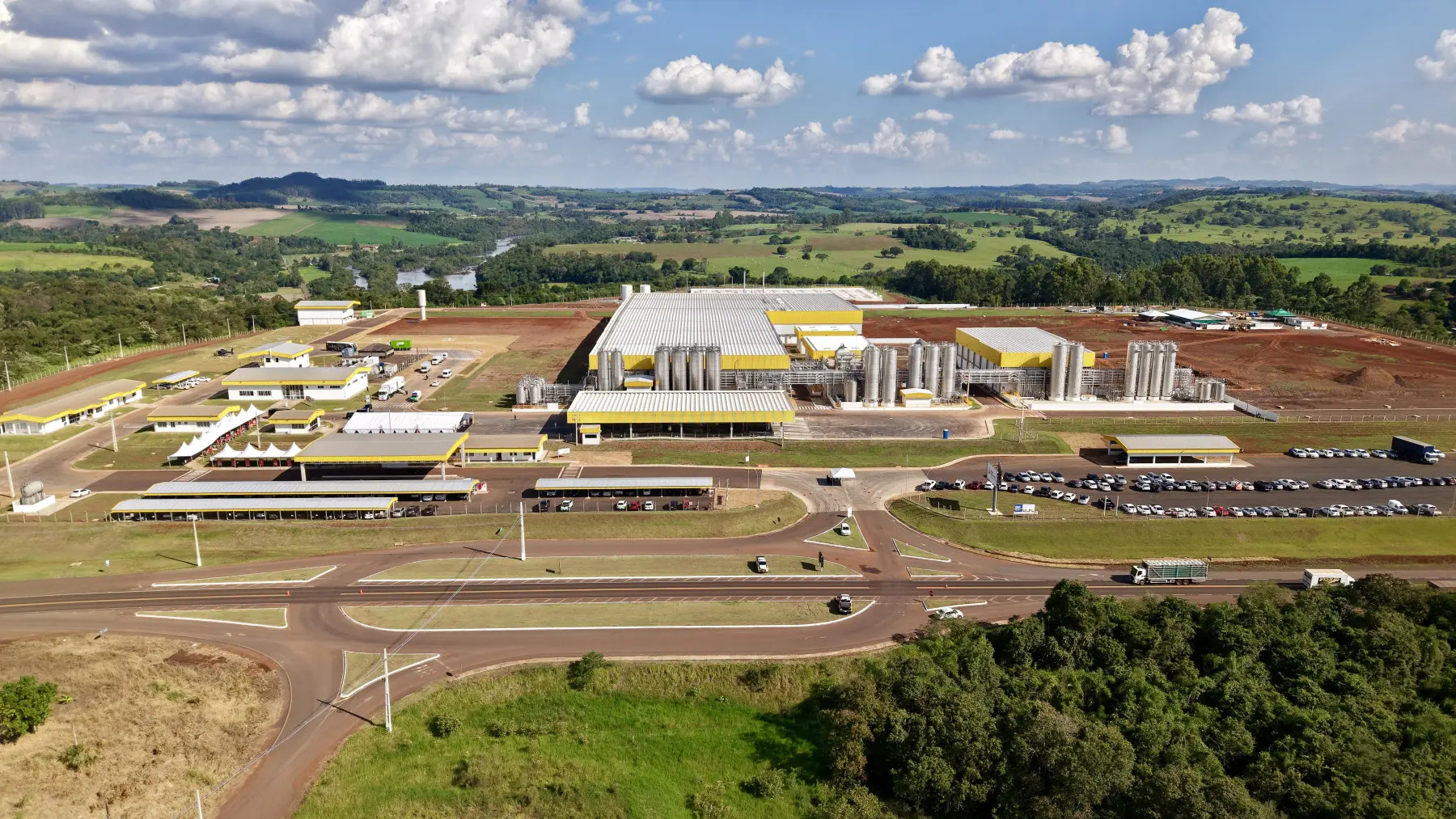
With an investment of R$ 612 million, a capacity to process 1.2 million liters of milk per day, Piracanjuba inaugurates a mega cheese factory that increases national production, reduces dependence on imports, and repositions Brazil on the global dairy map.
-
Brazilian city gains industrial hub for 85 companies that is equivalent to 55 football fields.


However, the federal government justifies the measure as part of a “necessary adjustment” to correct possible irregularities in payments and enable other programs, such as Auxílio-Gás, which will see an increase of R$ 3 billion.
The Budget Law and the Primary Surplus
The approval of the PLOA, which estimates a primary surplus of R$ 15 billion, marks a significant difference compared to previous government projections.
The text approved by the JBC anticipates a surplus equivalent to 0.1% of Gross Domestic Product (GDP), which reflects a tighter fiscal management focused on controlling expenses.
This target contrasts with previous forecasts, which indicated a much more modest surplus of R$ 3.7 billion, more closely aligning with the zero-deficit target.
It is important to note that the surplus calculation does not include R$ 44.1 billion in court orders, which were excluded from the fiscal target by decision of the Federal Supreme Court (STF).
If these values were considered, the PLOA would indicate a deficit of R$ 40.4 billion, representing a significant deviation from established fiscal targets.
Cuts in Bolsa Família and Adjustments: A Critical Analysis
Although the government defends the cuts in Bolsa Família as a “fine-tuning” measure to correct possible irregularities, lawmakers from the government base attempt to downplay the negative impacts of the decision.
According to the rapporteur of the PLOA, Senator Angelo Coronel (PSD-BA), the modifications in the budget are necessary so that public resources can efficiently meet the demands of the population.
However, criticism comes from various sectors of society, which see the cut as a setback in social rights.
The absence of a clear mention of the Pé-de-Meia program, intended to financially support students, is another point that generated controversy.
Originally, the PLOA allocated R$ 1 billion for the initiative, but the rapporteur explained that the total cost for implementing the program would be R$ 12 billion, which will need to be adjusted through a supplementary law project.
Additionally, the increase in expenses with the Continuous Cash Benefit (BPC), unemployment insurance, and salary bonuses were also included in the project, with increases amounting to billions of reais.
These changes reflect the government’s concern in maintaining a balance between fiscal control and the need to support programs essential to the most vulnerable population.
The Challenge of Approval in Congress
The Annual Budget Law Project (PLOA) for 2025 will still undergo voting in the plenary of the National Congress.
To this end, deputies and senators will gather in a semi-presential session, allowing remote voting, which should ensure the necessary quorum for analysis.
The discussion on the budget was already delayed, initially scheduled for last year, due to deadlocks related to the transparency of parliamentary amendments.
The voting was unlocked only after the STF ratified an agreement regarding the work plan of the resources.
In addition to parliamentary amendments, which total R$ 50.4 billion in the PLOA, of which R$ 38.8 billion are mandatory and R$ 11.5 billion for commissions, the budget also includes a series of adjustments and expense revisions, making the negotiation in Congress a complex and crucial task for the government.










Seja o primeiro a reagir!